Ghoulies Reboot Back From the Dead as Legal Battle Ends and 2027 Production Is Eyed
The little demons of Ghoulies have spent more than three decades trapped in franchise limbo, but the creatures responsible for making an entire generation suspicious of toilets could finally be preparing to crawl back onto our screens. Original co-writer and producer Jefery Levy has confirmed that the legal dispute which stalled plans for a new Ghoulies has been settled, clearing a significant obstacle facing the proposed revival. Levy and original director and co-writer Luca Bercovici had announced plans in 2024 to resurrect the property, but updates became noticeably scarce after the initial excitement. We now have a much better idea why.
The dispute involved screenwriter and producer Theo Lemasters, who filed a lawsuit against Levy in the Central District of California in late 2025. According to publicly available federal court records, a settlement conference was held on October 2, 2026, with binding terms reached between the parties. A Notice of Settlement followed on October 5, and District Judge Fernando M. Olguin issued an order dismissing the action the following day. Levy has since directly confirmed that the dispute was settled, and more importantly for horror fans, he says plans for Ghoulies can now start moving forward again.
Levy says the team has what he considers an excellent reboot screenplay but has been unable to secure financing while the legal situation remained unresolved. He has now referred to beginning production on “Ghoulies 2027”, suggesting that 2027 is being targeted for the project’s next major step. It would be premature to call 2027 a confirmed release date, however. There is currently no announced distributor, production start date or release date, and financing still needs to be secured. For now, the important development is that a legal obstacle which had prevented the filmmakers from progressing with the revival appears to have been removed.
The road back has already been considerably longer than the two years since the reboot was announced. Bercovici revealed years ago that he and Levy had been trying to get another Ghoulies project moving for decades, with locating and untangling the relevant rights proving a major obstacle. In 2024, the pair announced that they had reclaimed underlying domestic rights connected with the original screenplay through US copyright termination provisions, finally putting them in a position to develop new material based upon their creation.
At the time, the ambitions extended considerably beyond making a single nostalgia-driven horror movie. A new trilogy was being developed, with Lemasters saying in 2024 that scripts for two instalments had been completed and a third was approximately halfway written. There were also plans to expand Ghoulies through books, comics and merchandise including figures, clothing and collectibles. How much of that earlier roadmap remains unchanged following the legal dispute and settlement hasn’t yet been confirmed, so the safest conclusion for the moment is simply that a new film is once again being actively pursued.
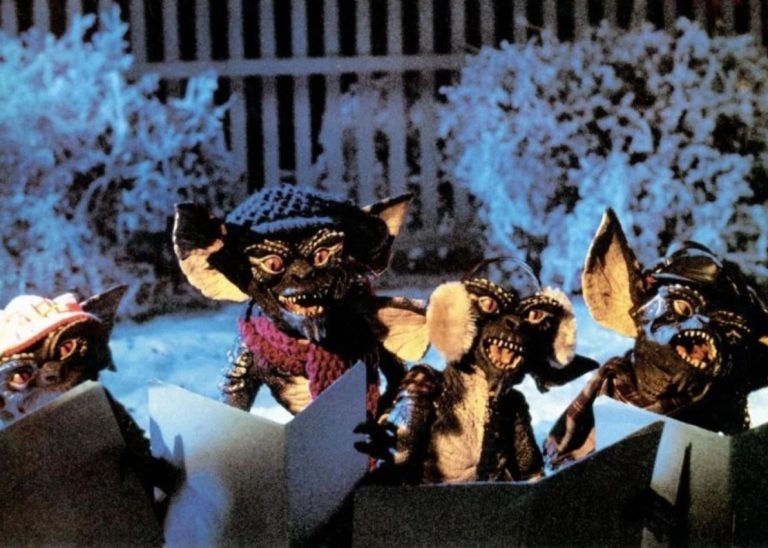
It’s an appropriate development for a franchise that has always been remarkably difficult to kill. The original Ghoulies was directed by Bercovici from a screenplay he wrote with Levy, who also produced the film, while Charles Band served as executive producer. Released theatrically in the United States in 1985 by Empire Pictures, it became an important early success for Band’s company and eventually spawned three sequels. Although its reputation has become inseparable from the wave of small-creature horror that surrounded Gremlins, the history is a little more complicated than simply dismissing it as a movie thrown together after Gizmo became a sensation. Ghoulies was already in production before Gremlins reached cinemas, although delays meant Joe Dante’s film ultimately arrived first.
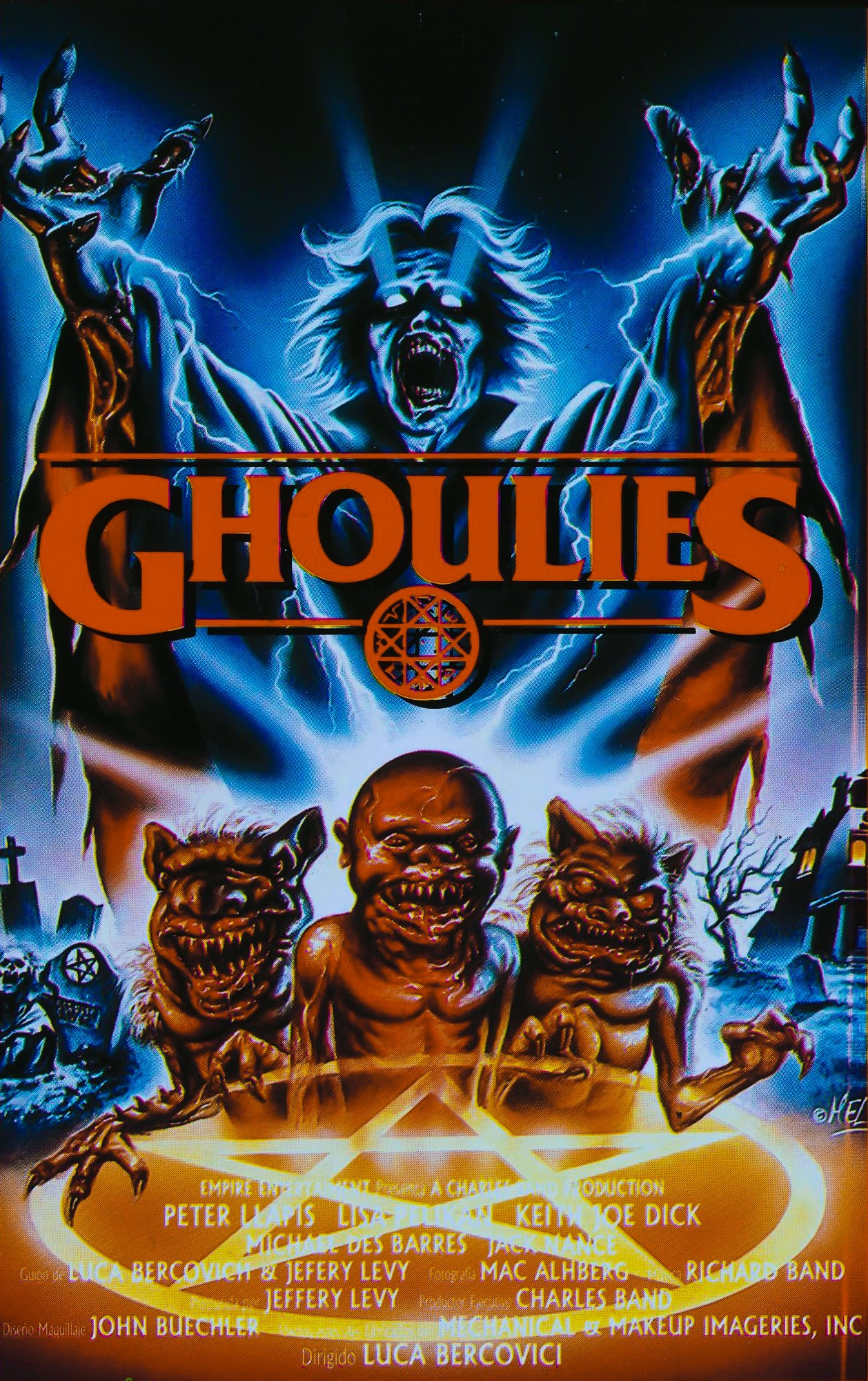
The story introduced Jonathan Graves, played by Peter Liapis, who inherits the mansion once occupied by his father Malcolm Graves, played by Michael Des Barres. Unfortunately for Jonathan, Dad wasn’t exactly the sort of parent whose belongings could be safely divided between a charity shop and a skip. Malcolm was involved in black magic and satanic rituals, and Jonathan gradually becomes fascinated by the occult material he discovers inside the house. What begins with experimentation leads to the summoning of the small demonic creatures that give the film its title, while Jonathan becomes increasingly consumed by the supernatural power surrounding him.
Lisa Pelikan played Jonathan’s girlfriend Rebecca, while the supporting cast included Jack Nance, years before Twin Peaks made him instantly recognisable to another generation of viewers. The movie also provided Mariska Hargitay with her first feature-film role as Donna, long before she became synonymous with Olivia Benson on Law & Order: Special Victims Unit. Hargitay recently gave Ghoulies an unexpected moment in the spotlight by joking about beginning her career in the movie with the monster that pops out of a toilet. More than four decades later, that toilet is apparently still doing publicity work for the franchise.
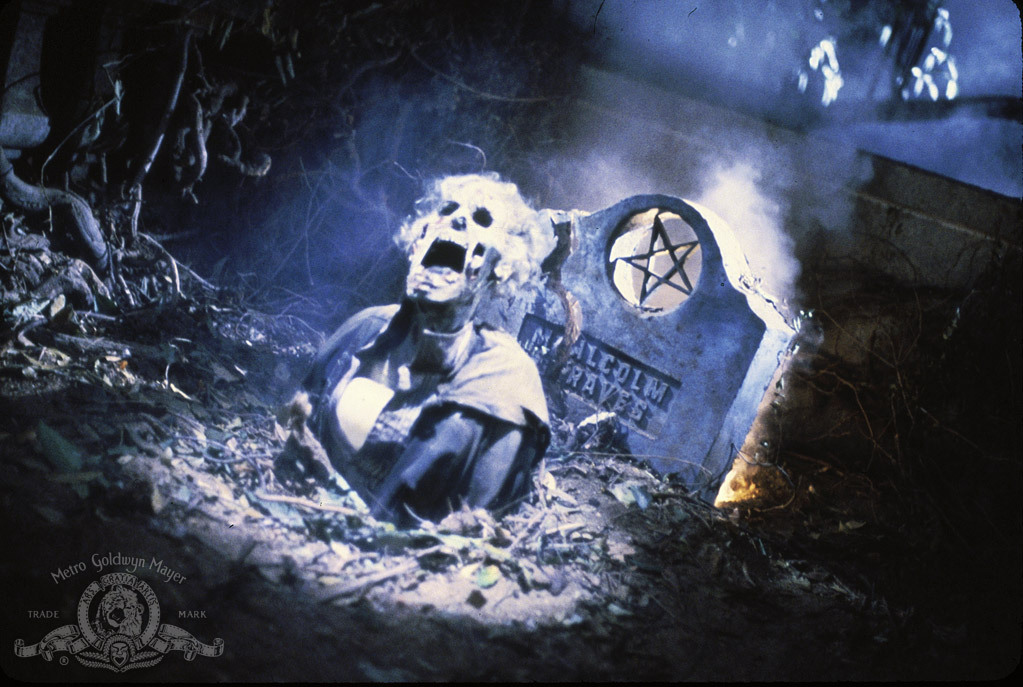
In fact, the toilet became arguably the most famous thing about Ghoulies. Its wonderfully shameless poster featured one of the creatures emerging from a toilet beneath the immortal tagline “They’ll get you in the end!” The image became a defining piece of 1980s horror advertising, particularly once the movie reached video stores and that grinning little monster began staring at children from VHS shelves. The actual film is much more concerned with occult rituals, possession and Jonathan’s relationship with his father’s legacy than an army of toilet-dwelling monsters, but the marketing image was so effective that it permanently shaped the public identity of the series.
The creatures themselves were created as practical puppets and effects, with future Friday the 13th Part VII: The New Blood director John Carl Buechler among the key effects personnel responsible for bringing the Ghoulies to life. Rather than creating one uniform species, the movie gave its monsters distinctive appearances, helping the creatures themselves become the attraction even though the original film isn’t structured entirely around them. That practical, tactile quality remains a huge part of the first film’s charm, particularly now that its rubbery monsters, slime and gleefully grotesque designs have become exactly the sort of handmade effects modern horror audiences often celebrate.
The success was enough to produce Ghoulies II in 1987, directed by Charles Band’s father Albert Band. This time the creatures find themselves at a travelling carnival and take up residence in a funhouse attraction called Satan’s Den, allowing the sequel to place the monsters much more prominently at the centre of the action. Ghoulies III: Ghoulies Go to College followed in 1991 under the direction of Buechler, embracing an even broader comedic approach as the creatures caused havoc on a college campus. Ghoulies IV arrived in 1994 with Jim Wynorski directing and Liapis returning as Jonathan Graves, although the fourth film moved considerably further away from the puppet-creature formula associated with the earlier entries.
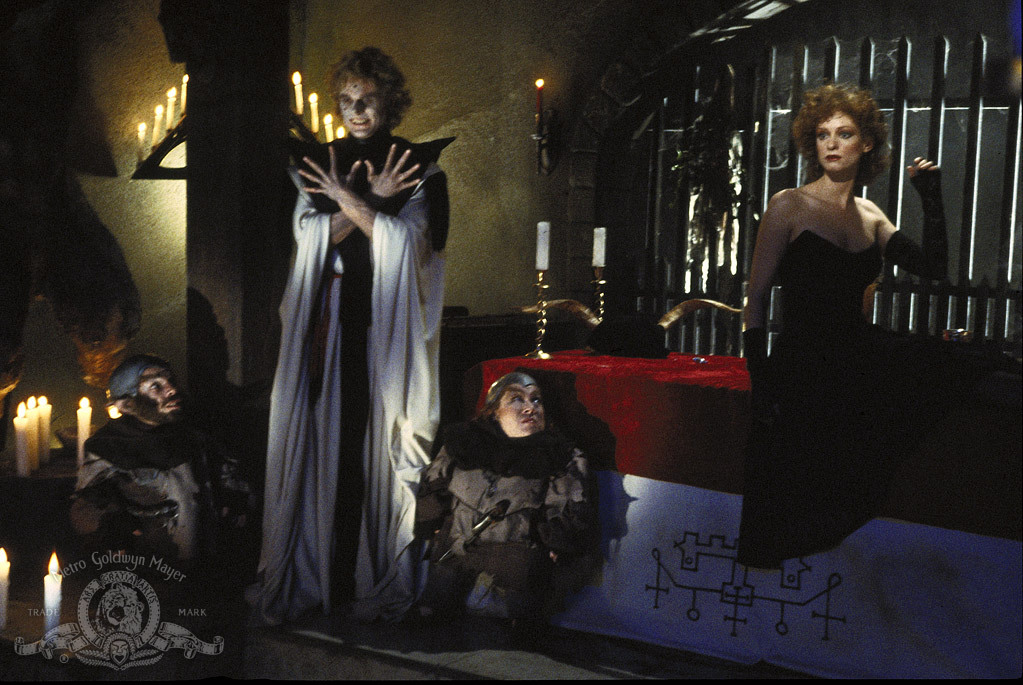
And that was effectively it. Four films in less than a decade, followed by more than 30 years without another feature. During that time, Ghoulies never entirely disappeared. Home video releases kept the films circulating, the creatures remained recognisable pieces of 1980s horror iconography, and the original eventually received the sort of restored physical-media editions that once would have seemed wildly optimistic for a low-budget creature feature about demonic puppets.
That’s what makes the prospect of a genuine revival interesting. Ghoulies doesn’t need to be reinvented as deadly serious elevated horror, nor does it require an enormous mythology explaining the biological origins of whatever exactly has been living inside that toilet for 40 years. The appeal was always wonderfully straightforward: strange little practical monsters, occult horror, black comedy, imaginative deaths and the feeling that everybody involved understood exactly what sort of movie they were making.
There is still some distance to travel before another Ghoulies is actually rolling cameras. Financing needs to come together, the final production arrangement has yet to be announced and Levy’s reference to Ghoulies 2027 shouldn’t be mistaken for a confirmed 2027 theatrical release. What has changed is that the lawsuit which helped keep the project stalled has been settled, and the original creators are once again talking about moving ahead with their reboot.
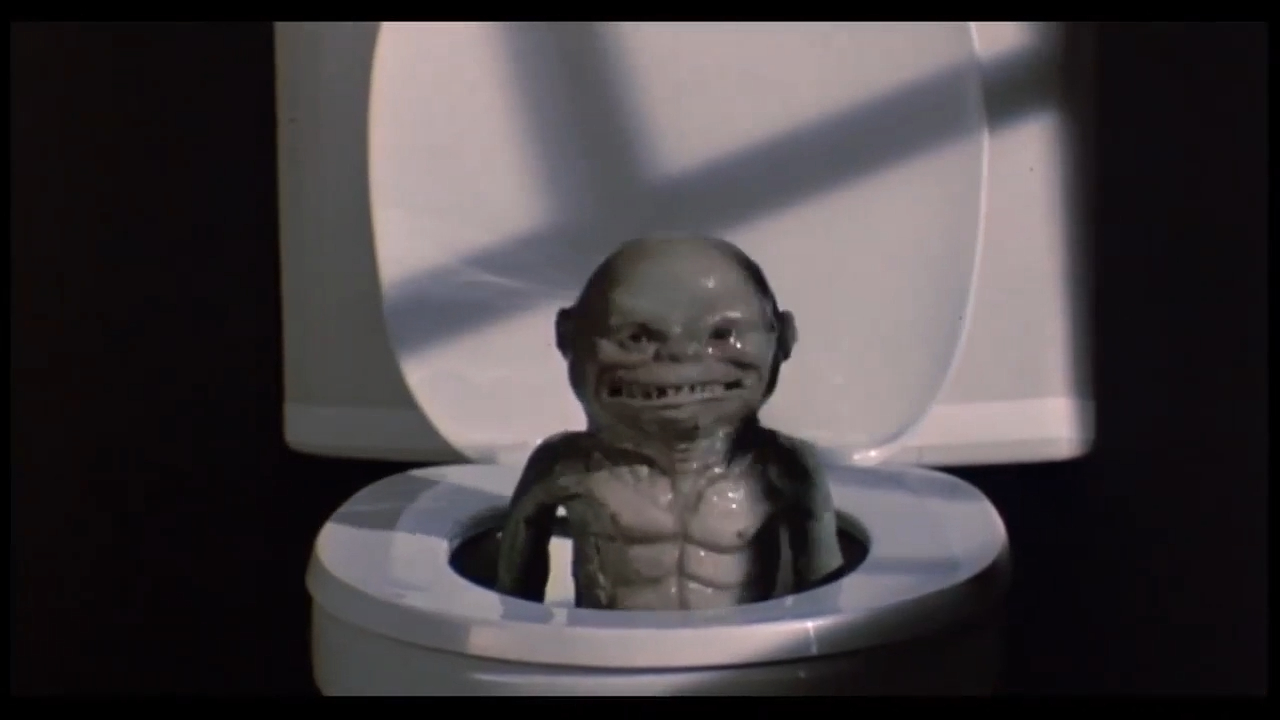
After more than three decades away, the Ghoulies might finally be coming back. Perhaps it’s time to start checking beneath the toilet seat again.