Why Silent Hill 2 Is a Perfect Horror Game (And the Remake Proves It Still Rules the Genre)
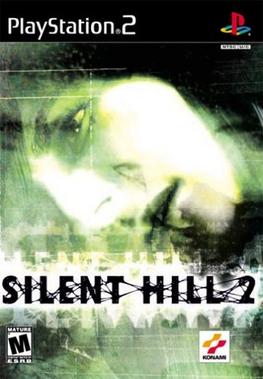
There are scary games, there are disturbing games, and then there is Silent Hill 2, a title that quietly walks into the room, sits down in the fog, and proceeds to emotionally ruin you for the rest of your life. Originally released in 2001 for the PlayStation 2 by Konami’s legendary Team Silent, Silent Hill 2 did something that very few horror games had the courage to do at the time. It decided that the real monster was not zombies, demons, or chainsaw maniacs. It was guilt. And depression. And grief. Cheerful stuff.
Even now, decades later, and especially following Bloober Team’s fantastic remake released in October 2024 for PlayStation 5 and PC, Silent Hill 2 still stands as the gold standard of psychological horror. Not just in gaming. In horror storytelling full stop.
Silent Hill 2 Psychological Horror Explained
Unlike the first Silent Hill, which leaned more into cult horror and supernatural manifestations that everyone could see, Silent Hill 2 takes a far more personal and unsettling approach. The town itself is not just haunted. It is reactive. It shapes itself around the psyche of whoever enters it, meaning every monster, location, and nightmare is basically a walking therapy session gone horribly wrong.
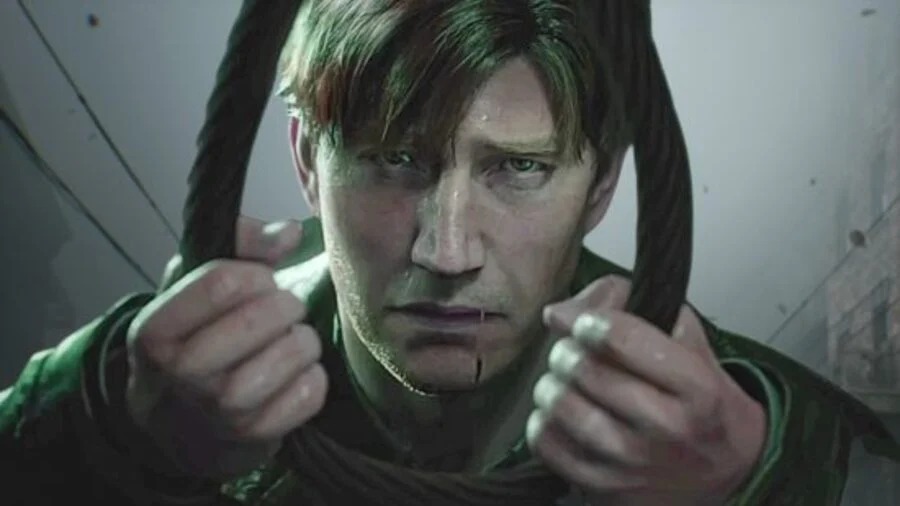
You play as James Sunderland, a man who travels to Silent Hill after receiving a letter from his wife Mary. The problem is Mary died three years earlier. Already, we are off to a healthy start mentally.
From there, the game unfolds like a slow psychological autopsy. James meets Angela, Eddie, Laura, and the mysteriously familiar Maria, each representing different forms of trauma, denial, and emotional collapse. Instead of throwing cheap jump scares at the player every five minutes, Silent Hill 2 slowly suffocates you with atmosphere, symbolism, and dread. It is less “boo” and more “oh no, I am confronting the consequences of my own actions.”
Which, frankly, is much scarier than any zombie ever could be.
Why Pyramid Head Is One of Horror’s Greatest Monsters
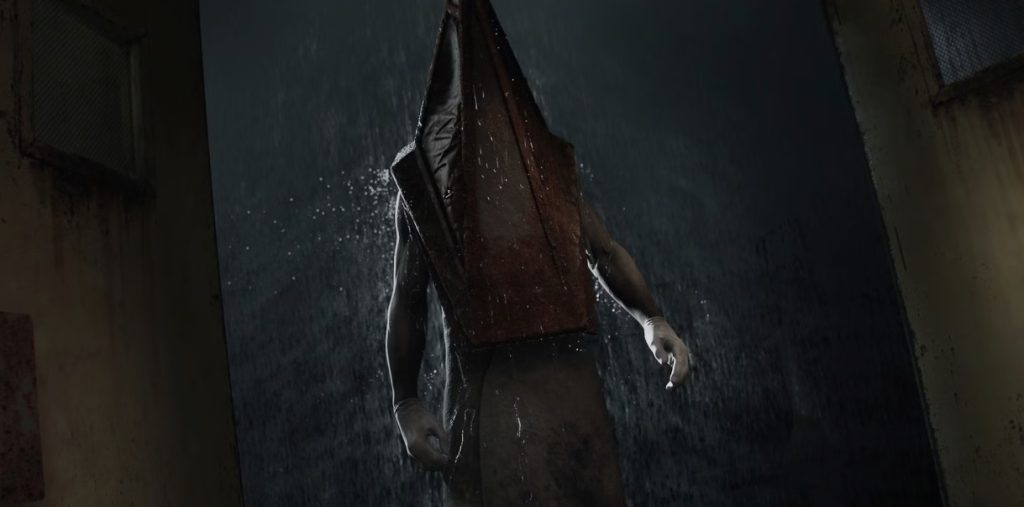
Let us talk about Pyramid Head, because you cannot discuss Silent Hill 2 without mentioning the giant metal-helmeted nightmare who drags a massive blade like he is late for a very violent DIY project.
Designed by Masahiro Ito, Pyramid Head is not just a monster. He is a manifestation of James’ guilt and desire for punishment. That is right. The game literally weaponises psychology and turns it into a walking executioner. His design, with the rusted triangular helmet and heavy, dragging movements, was intentionally created to suggest pain and inevitability. You do not defeat Pyramid Head in the traditional sense. You endure him. Like taxes. Or existential dread.
The same applies to other monsters such as the Mannequins and Bubble Head Nurses, which reflect James’ subconscious thoughts and suppressed desires during his wife’s illness. Subtle? No. Effective? Absolutely. You can find Pyramid Head in our Hall of Killers HERE.
Silent Hill 2 Story, Themes and Emotional Horror
At its core, Silent Hill 2 is about grief, guilt, punishment, love, illness, abuse, and the human tendency to lie to ourselves when reality is too painful. That is quite a lot for a game where you occasionally whack things with a plank of wood.
The famous videotape revelation at the hotel, where James realises the truth about Mary’s death, remains one of the most devastating narrative moments in gaming history. It reframes the entire experience and forces the player to confront the uncomfortable truth that the protagonist is not a traditional hero. He is a broken man shaped by trauma and regret.
Even the multiple endings reflect psychological states. “Leave” offers closure. “In Water” is pure despair. “Maria” suggests a tragic cycle repeating itself. And then there is the Dog Ending, where a Shiba Inu is revealed to be behind everything, because even masterpieces need a sense of humour and Konami clearly woke up one day and chose chaos.
Why the 2024 Silent Hill 2 Remake Proves Its Perfection
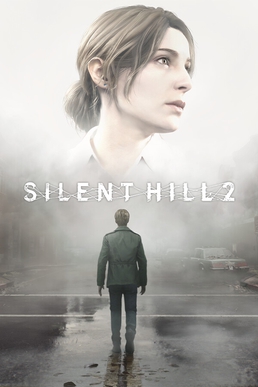
Bloober Team’s remake did something miraculous in 2024. Instead of trying to “modernise” Silent Hill 2 into an action game full of explosions and unnecessary backflips, it respected the original’s pacing, tone, and psychological depth while enhancing visuals, sound design, and immersion.
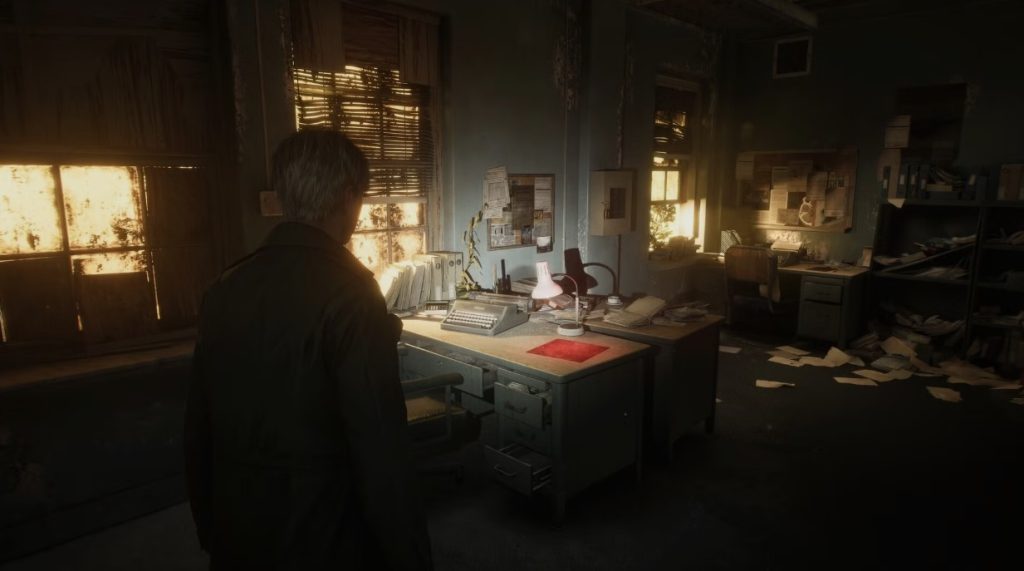
With original composer Akira Yamaoka returning and Masahiro Ito contributing, the remake preserves the oppressive atmosphere while making the fog, lighting, and environments even more haunting. Modern hardware allows the town to feel denser, more claustrophobic, and more emotionally oppressive. In other words, the anxiety now runs in 4K.
The remake also reintroduces Silent Hill 2 to a new generation of players who may have only known horror through faster, louder titles. Instead, they discovered a game that scares you by making you think, feel, and reflect, which is frankly rude behaviour from a video game but also genius.
Sound, Atmosphere and Why Silent Hill 2 Still Feels Unique
Akira Yamaoka’s soundtrack deserves its own standing ovation. Tracks like Theme of Laura blend melancholy and tension in a way that emotionally manipulates the player without them even noticing. Combined with carefully placed silence, environmental sounds, and unsettling audio design, the game creates dread without needing constant music stings or cheap tricks.
The fog, originally used as a hardware limitation workaround on the PS2, accidentally became one of the most iconic atmospheric tools in horror gaming history. Instead of seeing danger clearly, you hear footsteps, distant metal scraping, and unsettling ambience before anything even appears. Your imagination does half the horror work for the developers, which is both clever and deeply cruel.
The Legacy of a Perfect Horror Game
Critically acclaimed on release and frequently ranked among the greatest horror games ever made, Silent Hill 2 sold over a million copies within its first month and has since been championed as a key example of video games as an art form. It has influenced countless psychological horror titles and remains the narrative high point of the Silent Hill series.
Even the wider franchise still circles back to its legacy, including the recent film Return to Silent Hill, which adapts the story of James Sunderland for the big screen and further proves how enduring the narrative is.
Silent Hill 2 is not perfect because it is flawless mechanically. Combat is clunky. The camera can be awkward. James swings a plank like he has never held an object before in his life. And yet, none of that matters. Because perfection in horror is not about polish. It is about impact.
And few games in history have crawled inside the player’s mind, unpacked their emotional baggage, and politely handed it back to them in a foggy, traumatising masterpiece quite like Silent Hill 2.