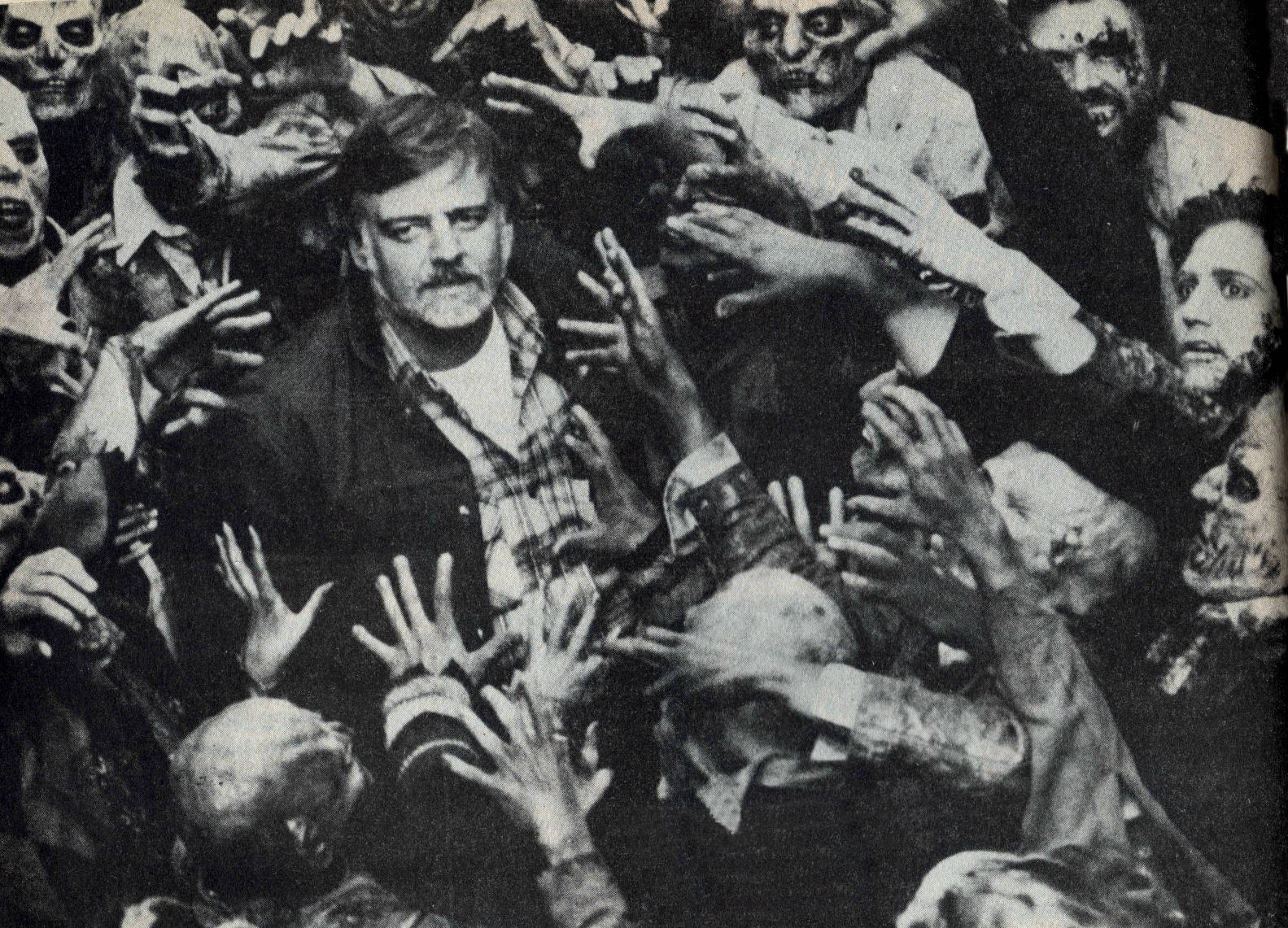
George A. Romero at 86: The Man Who Taught the Dead to Walk
Today, February 4, 2026, horror fans everywhere are mentally raising a glass of something red and questionably hygienic in honour of the man who taught cinema’s corpses to stop lying down and start causing problems. George A. Romero would have turned 86 today, and his fingerprints are still all over modern horror, even if most of them are covered in stage blood.
Romero did not just make zombie movies. He reinvented the apocalypse, rewired horror, and quietly turned shambling extras into the most effective social commentators in film history.
From the Bronx to the End of the World
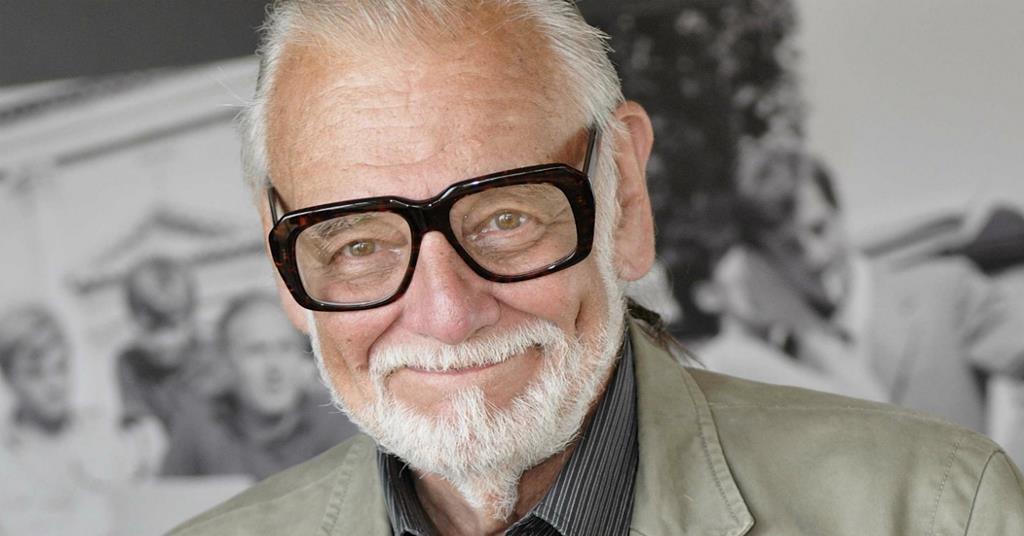
Born in 1940 in the Bronx, Romero grew up the son of a commercial artist and developed an early obsession with film. While other kids were collecting baseball cards, Romero was riding the subway into Manhattan to rent movie reels. This is how legends start. Not with destiny, but with a slightly worrying level of enthusiasm.
After studying at Carnegie Mellon University, he began making short films and commercials. One of his early jobs included work connected to Mister Rogers’ Neighborhood, which means the future king of cinematic flesh-eaters once worked in the same creative orbit as Fred Rogers. Range is an understatement.
In the late 1960s, Romero and his friends formed Image Ten Productions. Their low-budget independent feature, Night of the Living Dead, did not just launch a career. It detonated the rulebook.
Night of the Living Dead and the Birth of the Modern Zombie
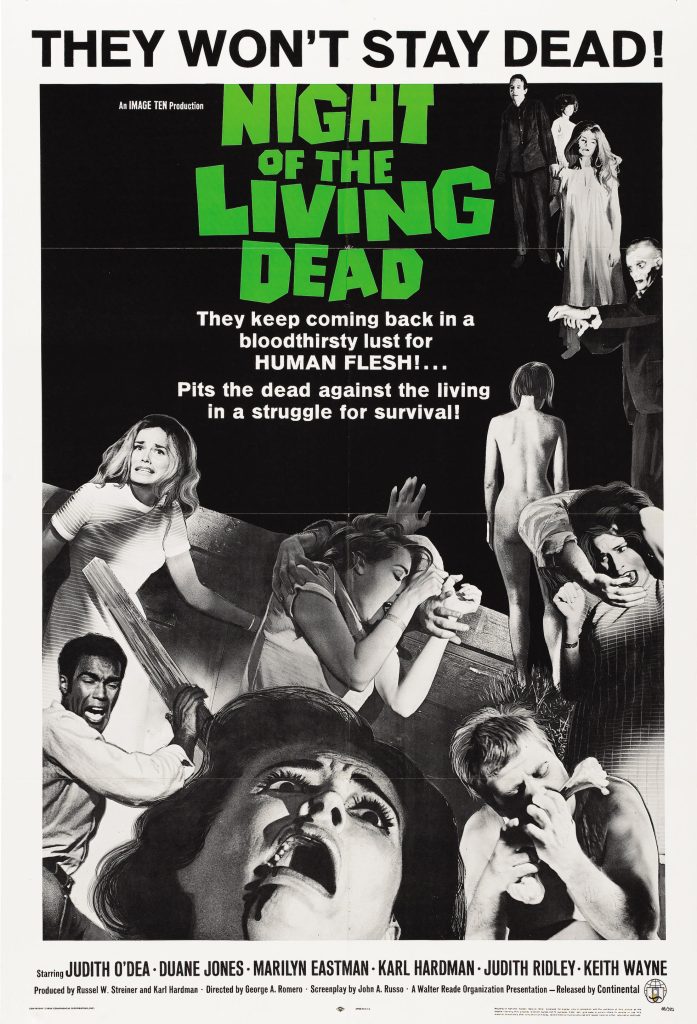
Before Romero, zombies were largely linked to voodoo folklore and mind control. After Romero, they were humanity’s worst qualities with dental problems. Night of the Living Dead turned the undead into a reflection of society, folding in racial tension, distrust of authority, and the uncomfortable suggestion that humans might be the real issue.
Made on a shoestring budget, the film became a cultural landmark and a blueprint. Then Romero did the unthinkable. He followed it up with films that were just as sharp.
Dawn of the Dead placed survivors inside a shopping mall and quietly asked how everyone felt about consumer culture while the undead wandered the escalators. Day of the Dead trapped humans underground and let military bluster, scientific ego, and paranoia eat each other alive. Those three films alone built the foundation for almost every zombie story that followed.
Romero Was Never Just About Zombies
It is easy to label Romero as the zombie guy, but his career was far broader. The Crazies tackled government mishandling of a biological outbreak. Martin explored psychological horror and vampirism through a bleak, grounded lens. Creepshow, written with Stephen King, celebrated comic book horror with gleeful theatricality. Monkey Shines gave us a killer helper monkey, because of course it did.
He also created Tales from the Darkside, a series that helped shape late-night horror television for a generation of viewers who were definitely not supposed to still be awake.
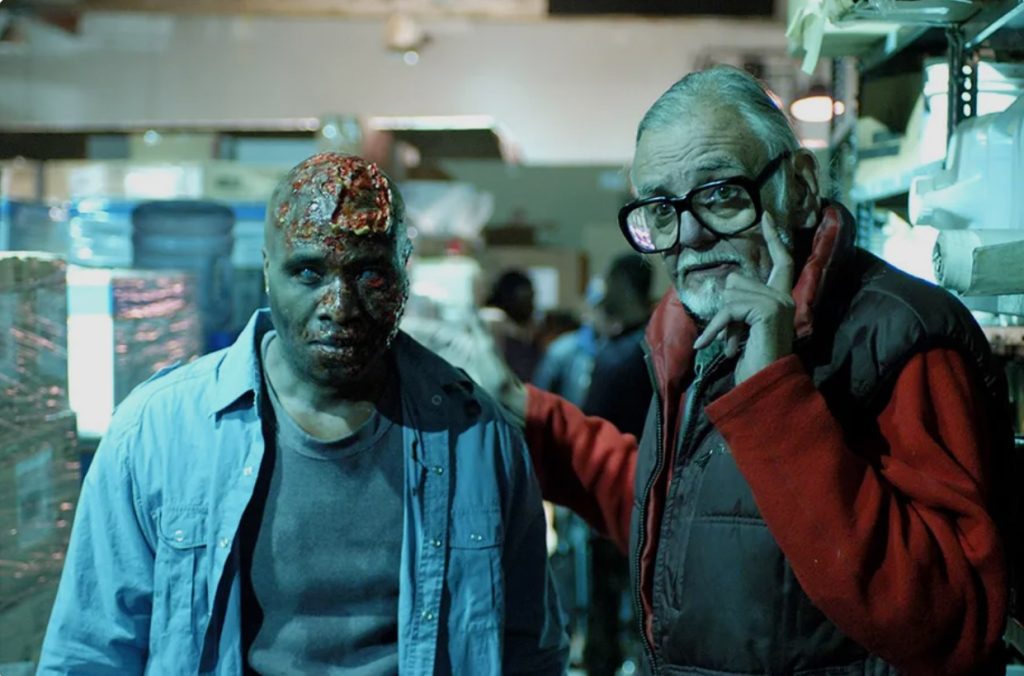
In the 2000s, Romero returned to the undead with Land of the Dead, Diary of the Dead, and Survival of the Dead, continuing to use zombies to talk about class divides, media obsession, and social breakdown. Subtlety was never the mission. Severed limbs delivered the message just fine.
The Social Commentary That Refused to Stay Buried
George A. Romero’s monsters were never just monsters. They were metaphors with bite marks. Vietnam-era disillusionment, consumerism, media saturation, class conflict, and institutional failure all found their way into his work. While others wrote essays, Romero showed you a mall full of zombies and let you connect the dots.
A Legacy That Still Walks
Romero’s influence is impossible to escape. From The Walking Dead to modern video games, from indie horror to blockbuster apocalypses, the modern zombie is Romero’s creation. He is widely known as the Father of the Modern Zombie, which feels accurate and slightly terrifying.
Romero married three times, had three children, and later settled in Toronto, becoming a dual US and Canadian citizen. He remained a passionate advocate for independent filmmaking and creative freedom throughout his life.
He passed away in 2017 at the age of 77 while listening to music from The Quiet Man, one of his favourite films. It is an oddly gentle detail for the man who made audiences question whether boarding up the house would ever be enough.
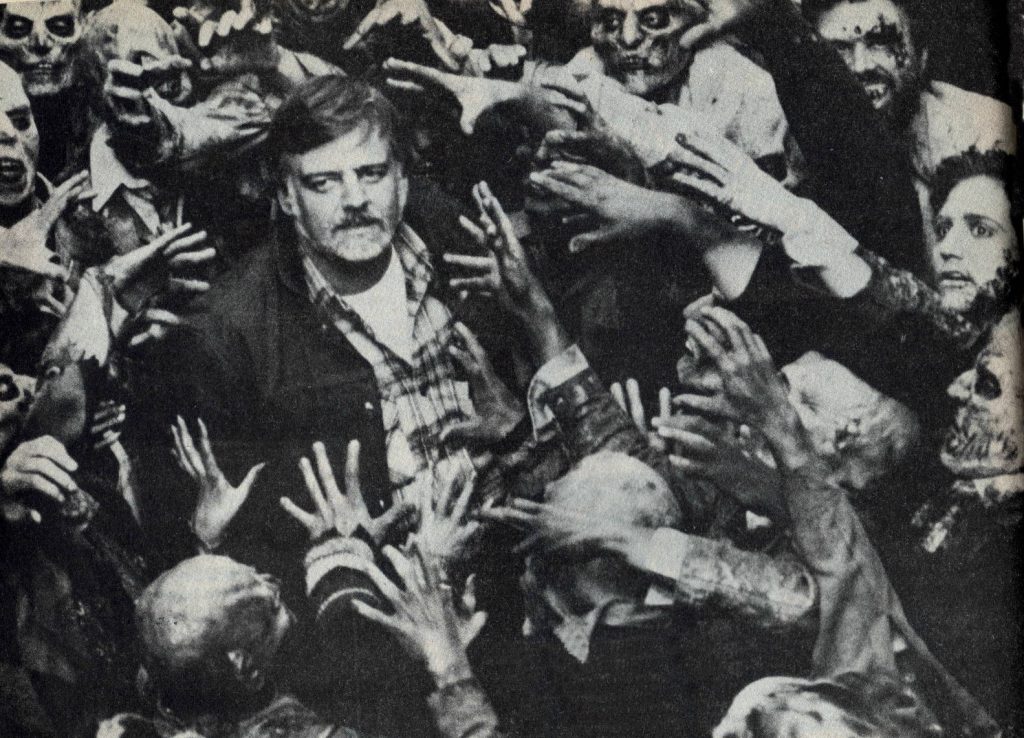
Happy 86th, George
His archives are preserved. His foundation supports new creators. His films are studied, screened, referenced, and remade. But his true legacy is simpler. Every time a zombie staggers across a screen, every time horror uses monsters to talk about us, every time a low-budget film dares to be political, messy, and bold, Romero is still there.
Happy 86th birthday, George A. Romero.
We are still very hungry.