David Howard Thornton Joins Behind the Mask II: The Return of Leslie Vernon
Twenty years after Leslie Vernon invited a documentary crew to watch him prepare for a career in serial murder, the aspiring slasher legend is finally returning. This time, however, he is going to find the horror landscape considerably more crowded than the one he left behind.
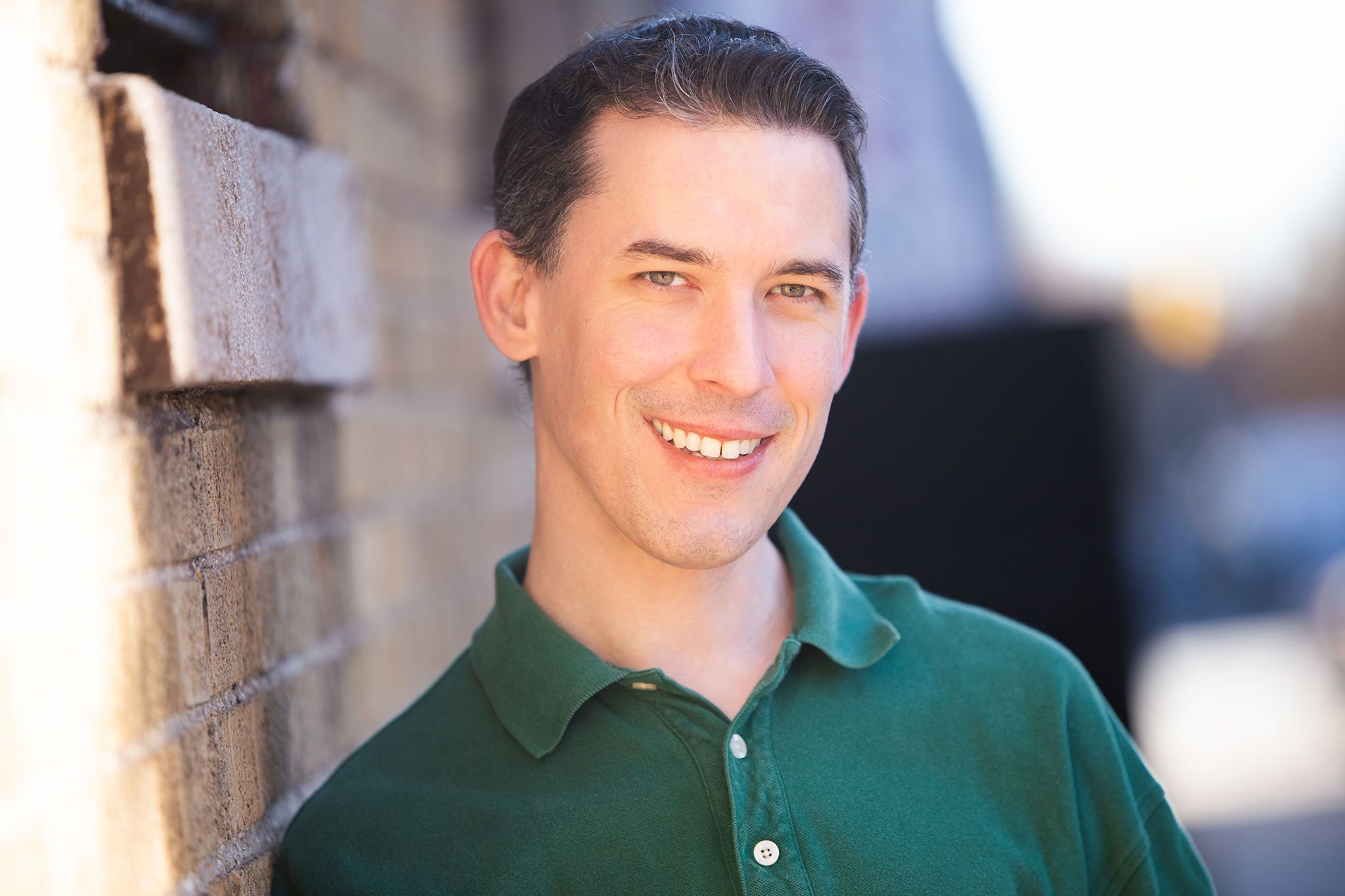
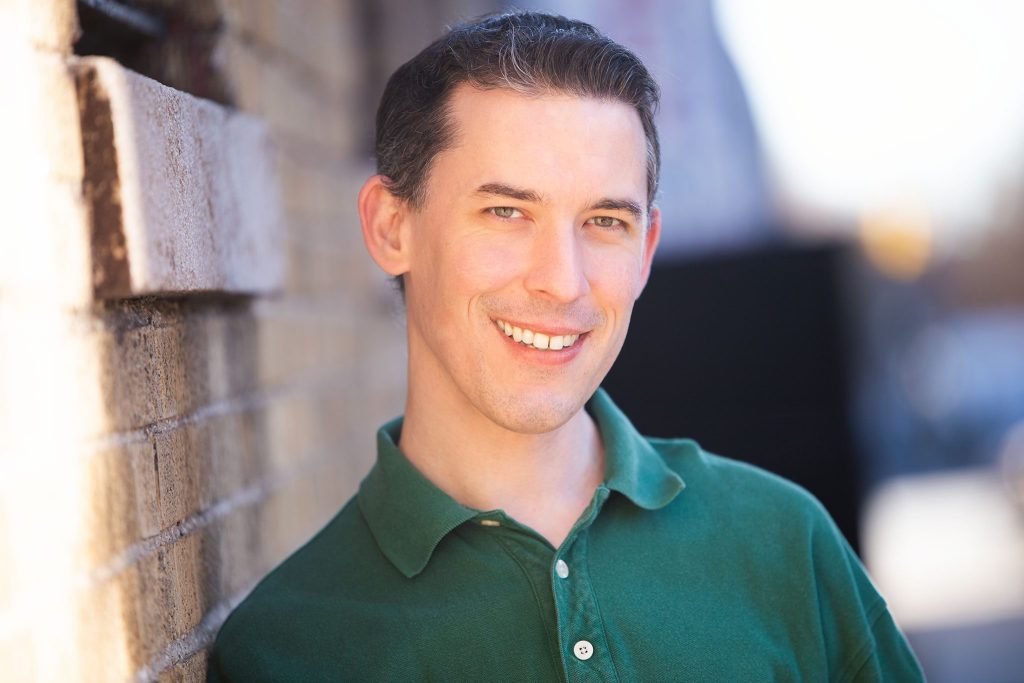
Behind the Mask II: The Return of Leslie Vernon has added David Howard Thornton, best known for playing Art the Clown in the Terrifier franchise, to its cast. Details surrounding his character are being kept under wraps, but Thornton is reportedly playing a “key role” in the long-awaited sequel. Variety broke the news.
It is a fascinating piece of casting. The original Behind the Mask: The Rise of Leslie Vernon was all about the traditions and rules of classic slasher cinema, while Art the Clown has become one of the defining horror villains of the modern era. Bringing Thornton into Leslie’s world gives the sequel an opportunity to explore just how much the genre has changed over the past two decades.
After all, Leslie has been away for 20 years. In slasher terms, that is not retirement. It is just a slightly longer than usual wait between sequels.
The Old Guard Meets the New Blood
Returning director Scott Glosserman has described Thornton as one of the defining faces of the modern slasher era, explaining that the sequel must confront everything that has happened to horror since Leslie first emerged in 2006.
“If Behind the Mask was about deconstructing the classic rules, then a sequel 20 years later has to reckon with what the genre has become,” Glosserman explained when announcing the casting.
The director added that bringing Thornton into Leslie’s world allows the film to put the old guard and new blood into direct conversation, which certainly gives us plenty to think about while we wait to discover exactly who the Terrifier star is playing.
The horror landscape really has changed dramatically since the original film. Slashers have survived remakes, reboots, requels and legacy sequels, while new killers have emerged through theatrical releases, streaming services and independent films that found enormous audiences through word of mouth and social media.
Art the Clown is perhaps the clearest example. The Terrifier series has grown from its independent roots into a genuine horror phenomenon, and Thornton’s silent, highly physical performance has been central to the character’s popularity. Putting the man behind Art into a film about the mechanics and mythology of slasher villains is inspired casting.
Leslie Vernon spent the original movie trying to join Michael Myers, Jason Voorhees and Freddy Krueger in the slasher history books. Now he is returning to discover that the new generation has been very busy while he was away.
Behind the Mask Was a Brilliantly Different Slasher
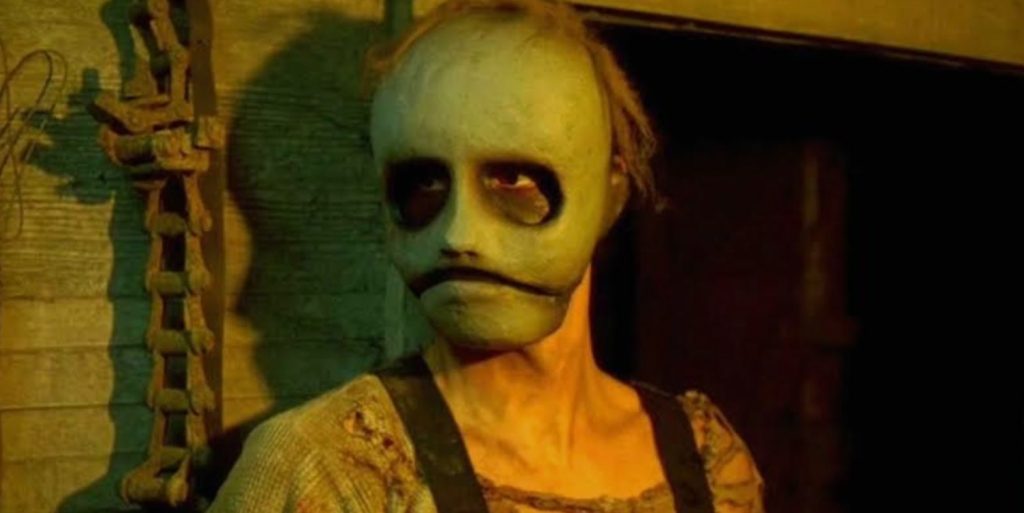
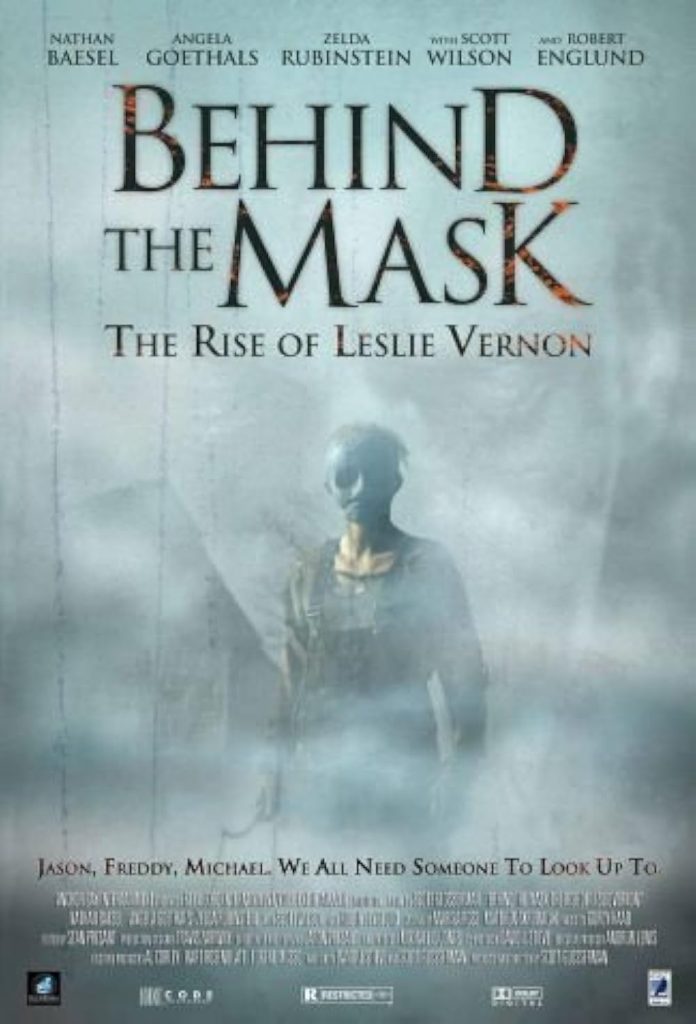
Released in 2006, Behind the Mask: The Rise of Leslie Vernon approached the slasher genre from a completely different direction. Rather than simply introducing audiences to another masked killer and sending him after a group of teenagers, the film asked an important question: what if we could see all the work that goes into creating a perfect slasher massacre?
The film takes place in a world where killers such as Michael Myers, Jason Voorhees and Freddy Krueger are treated as real historical figures. Leslie Vernon, played brilliantly by Nathan Baesel, dreams of joining their ranks and becoming the next great name in serial murder.
To document his rise, Leslie invites journalist Taylor Gentry, played by Angela Goethals, and her camera crew to follow him as he prepares for his killing spree in Glen Echo. Leslie enthusiastically explains every detail of his plan, from selecting his intended survivor girl to preparing the location and manipulating his victims.
The joke is that every familiar slasher convention requires an extraordinary amount of preparation.
Why can killers apparently walk slowly while keeping up with victims who are sprinting for their lives? Leslie explains the intense cardiovascular training involved. Why does the electricity fail at precisely the wrong moment? Because somebody has already been there preparing the scene. Why are potential weapons conveniently placed around the location? Leslie has thought of that too.
The film does not simply mock slasher clichés. It creates an entire profession around them, with Leslie treating murder like a craft passed down between generations.
Suddenly, Jason Voorhees’ workload becomes exhausting just to think about.
Nathan Baesel Made Leslie Vernon Something Special
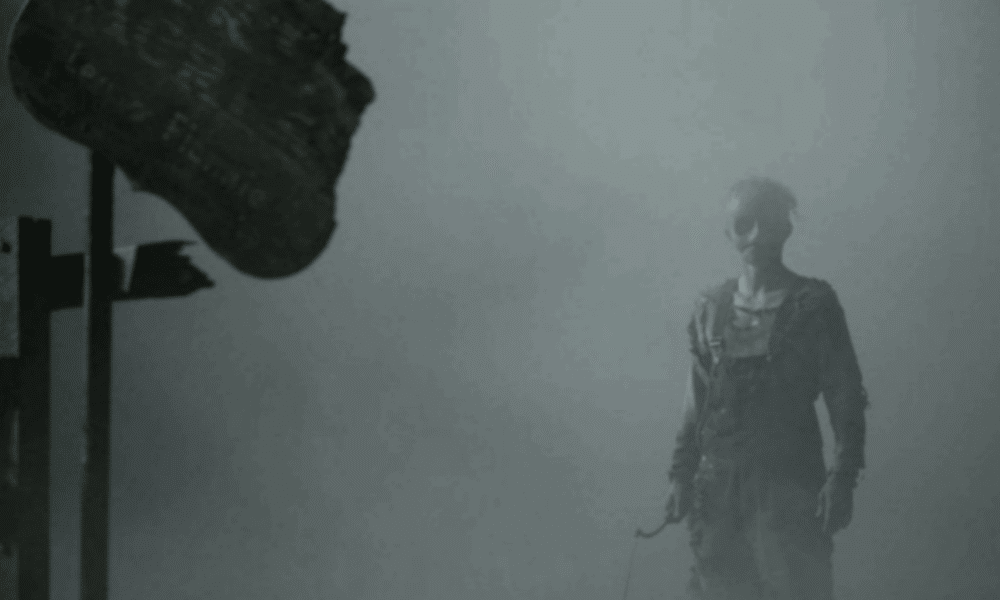
The original film succeeds largely because of Nathan Baesel’s performance. Without the mask, Leslie is charming, enthusiastic and strangely likeable. He talks about becoming a legendary killer with the excitement of an independent filmmaker discussing his first feature.
He wants Taylor and her crew to understand the work. He respects the legends who came before him. He worries about whether everything will go according to plan. The small problem, of course, is that his carefully organised production schedule involves murdering several people.
That contrast makes Leslie both hilarious and deeply unsettling. Baesel never treats the character as a joke, and the film becomes considerably darker when Taylor finally accepts that Leslie really intends to carry out everything he has been discussing.
At that point, Behind the Mask performs its greatest trick. The mockumentary format largely disappears, and the film becomes the very slasher movie it has spent its running time deconstructing.
The audience has already been shown the preparation. We know the tricks, the traps and the rules because Leslie personally explained them to us. Watching everything unfold from the victims’ perspective gives the final act an entirely different energy.
The film also featured some wonderful horror connections. Robert Englund played Leslie’s determined adversary Doc Halloran, while the late Scott Wilson appeared as retired killer Eugene and Zelda Rubinstein played Mrs Collinwood. Kane Hodder also made a brief appearance.
A Cult Favourite That Refused to Stay Dead
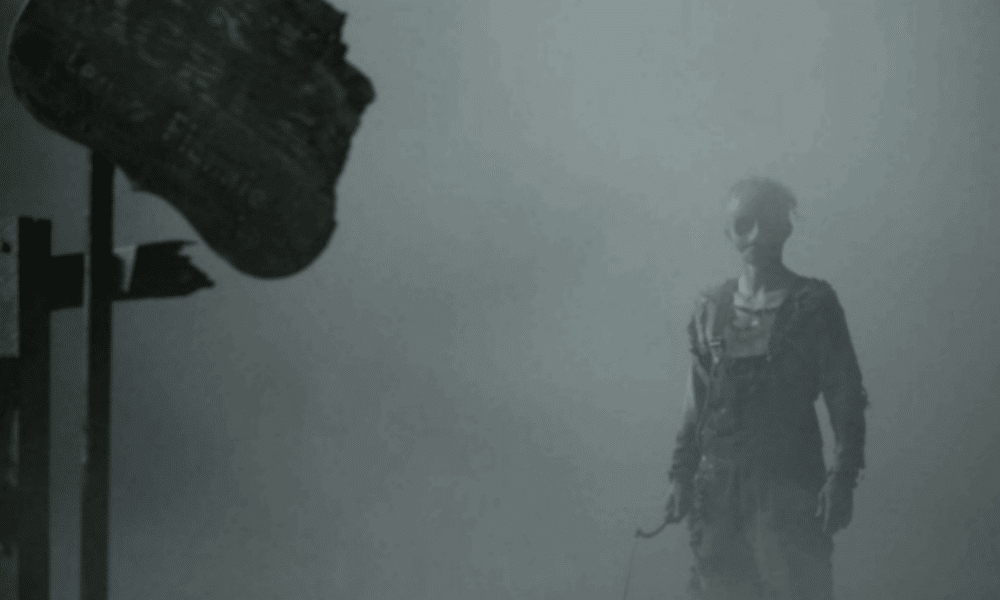
Behind the Mask: The Rise of Leslie Vernon was not a major mainstream hit upon release, but its reputation continued to grow. Horror fans recommended it to each other, quoted Leslie’s explanations of slasher mechanics and kept introducing the film to new audiences.
Glosserman has acknowledged that continued support, saying that fans kept the film alive for two decades by sharing it, quoting it and treating it as something worth preserving.
The response to the sequel announcement proved his point. Earlier this year, the crowdfunding campaign for Behind the Mask II: The Return of Leslie Vernon smashed through its initial goal in less than ten minutes.
Apparently, horror fans had spent 20 years waiting patiently for Leslie’s return, but once the campaign opened, patience immediately went out of the window.
The sequel will reunite several major figures from the original. Nathan Baesel returns as Leslie Vernon, Angela Goethals is back as Taylor Gentry and Robert Englund will once again play Doc Halloran. Scott Glosserman is returning to direct, while original co-writer David J. Stieve is also back.
Paper Street Pictures, led by Aaron B. Koontz and Cameron Burns, is producing the sequel, with Adam F. Goldberg serving as an executive producer.
What Has Leslie Been Doing for 20 Years?
That is the big question.
The sequel will find Leslie returning to a horror world filled with modern slashers, viral killers and legacy characters making enormously successful comebacks. The first film explored the hidden work behind a traditional slasher story, while the sequel now has an opportunity to examine how a killer from that era fits into modern horror.
The possibilities are enormous. Leslie originally needed a documentary crew to build his mythology. Today, somebody would probably tell him he needs better social media engagement and a podcast.
Thornton’s mystery role makes the project even more interesting. His work as Art the Clown has shown his talent for combining physical comedy with sudden, extreme violence, making him perfectly suited to a film interested in the performance and theatricality of the slasher villain.
Whether Thornton is playing another killer, an ally, an adversary or something completely unexpected remains to be seen. What we do know is that bringing one of modern horror’s most recognisable performers into Leslie Vernon’s world feels like exactly the kind of move this sequel should be making.
Behind the Mask II: The Return of Leslie Vernon is currently expected in 2027. Twenty years after Leslie first explained the hard work required to become a slasher icon, he is finally coming back to see what the new generation has been getting up to.