Michael Almereyda’s Nadja Sinks Its Teeth Into 4K UHD With a Loaded Limited Edition
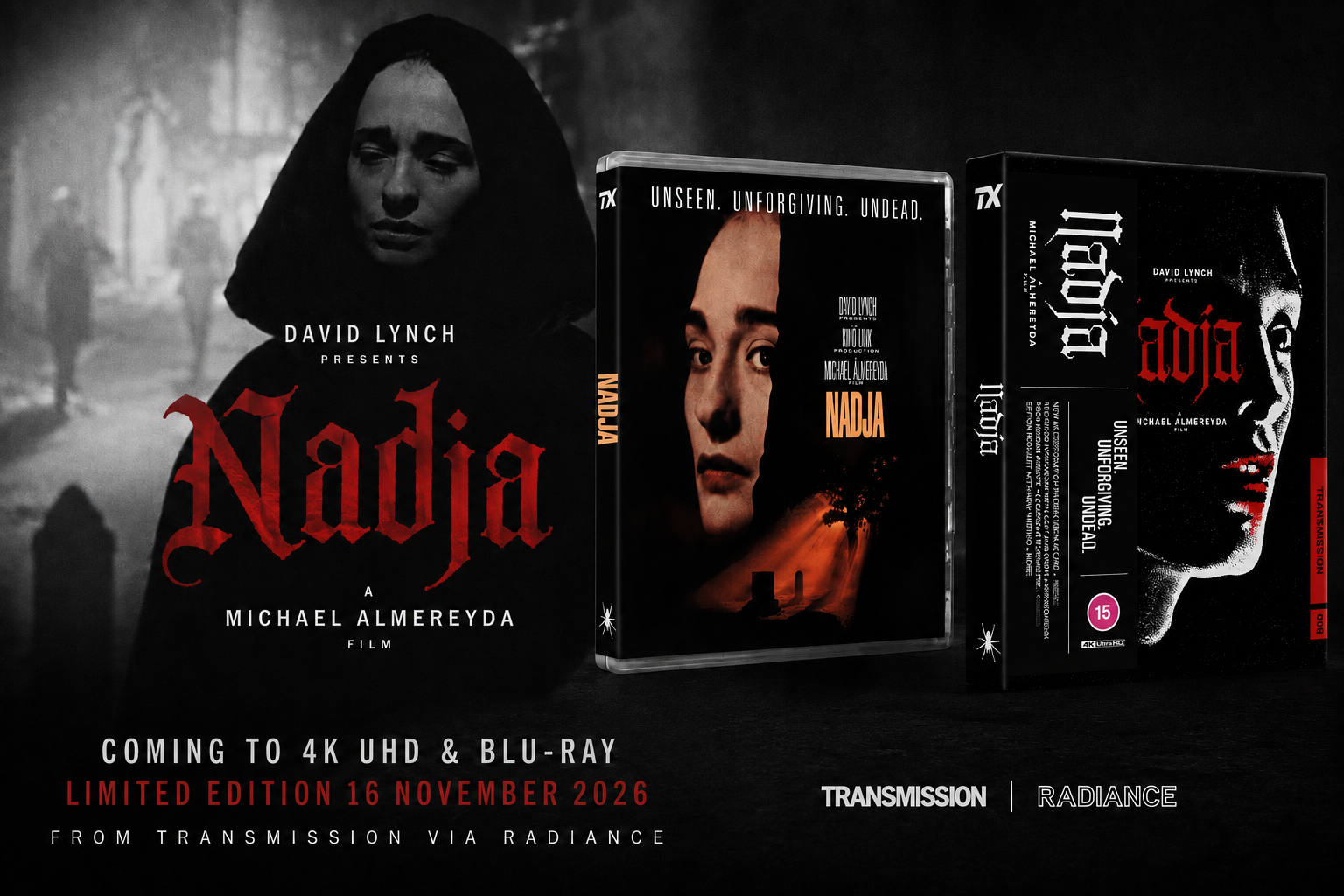
Some vampire films arrive with capes, castles and enough Gothic furniture to keep an antique dealer in business for years. Michael Almereyda’s Nadja took a rather different route. Released in 1994, this strange, seductive black-and-white reinvention of the Dracula mythology dragged the vampire movie into downtown New York, added the attitude of American independent cinema, photographed portions of the action using a Fisher-Price PixelVision camera and even found room for Peter Fonda as Van Helsing. More than three decades later, Nadja is getting a suitably lavish resurrection, with Transmission releasing the film through Radiance Films as a Limited Edition 4K UHD and Blu-ray set on 16 November 2026.
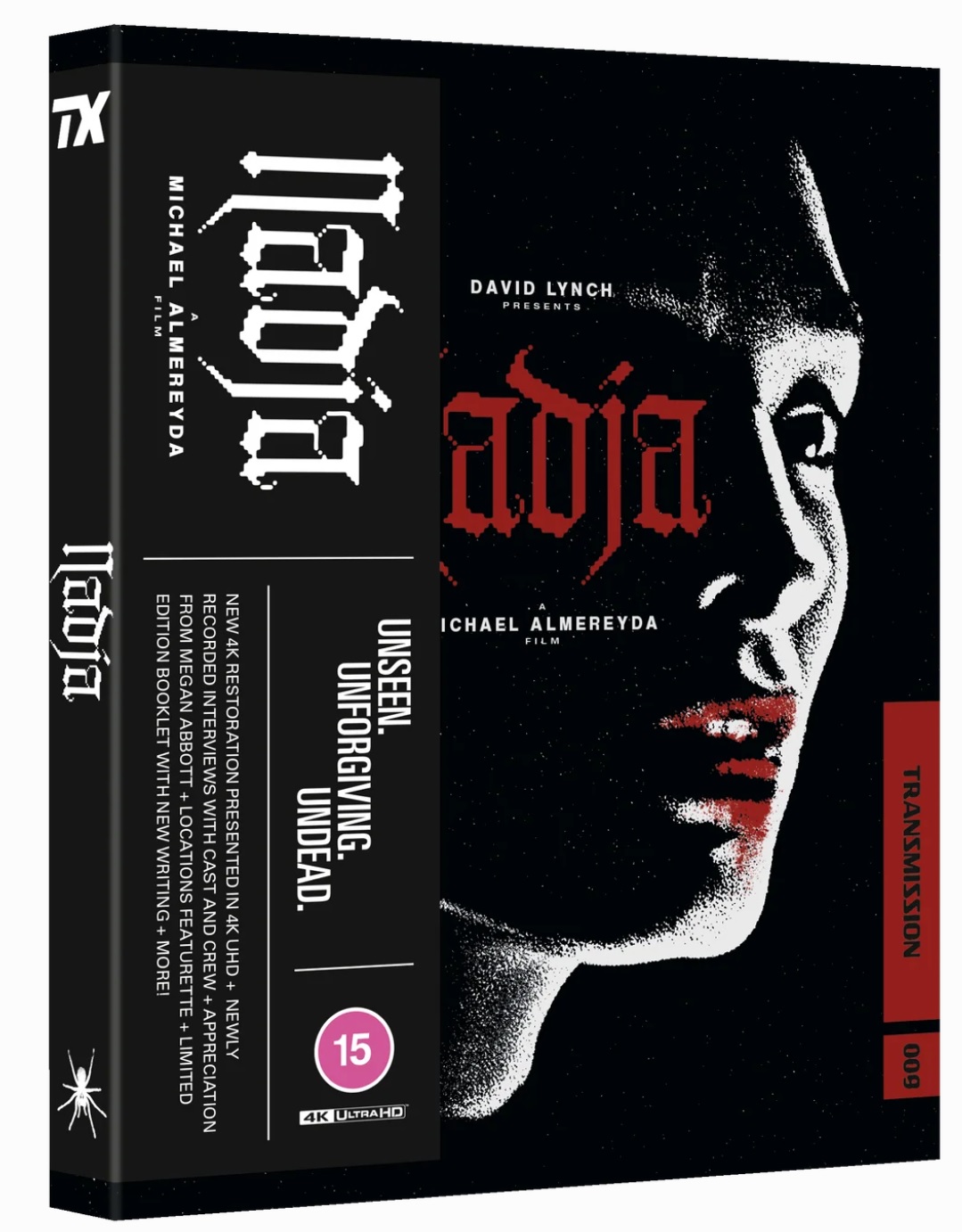
The release is limited to 5,000 copies and is built around a new 4K restoration undertaken by Arbelos and Grasshopper Film, presented in SDR and approved by director Michael Almereyda and cinematographer Jim Denault. Both the UHD and accompanying Blu-ray contain the feature, while the UHD disc is region free and the Blu-ray is Region B. The set carries an £24.99 RRP through Radiance and comes in full-height Scanavo packaging with an O-card featuring newly commissioned artwork by Sister Hyde, alongside Radiance’s removable OBI strip so collectors can display the package without certificates and other markings covering the artwork.
Dracula Is Dead. His Daughter Has Other Problems
Written and directed by Almereyda, Nadja begins at a point where most Dracula movies would be preparing to roll their end credits. Dracula has already met the business end of Van Helsing’s stake, leaving his daughter Nadja, played by Elina Löwensohn, to deal with the aftermath. She claims her father’s body and embarks upon a journey that takes the film from downtown Brooklyn towards Transylvania, while Peter Fonda plays a decidedly unconventional Abraham Van Helsing. Around them is a cast including Suzy Amis as Cassandra, Galaxy Craze as Lucy, Martin Donovan as Jim, Karl Geary as Renfield and Jared Harris as Nadja’s twin brother Edgar.
What follows uses the familiar furniture of Bram Stoker’s mythology while rearranging virtually all of it. Nadja is less interested in simply replacing Dracula than escaping the life and legacy he has left behind. She encounters the disillusioned Lucy, who subsequently falls under her influence, while Van Helsing recruits his nephew Jim, also Lucy’s husband, after discovering that Dracula’s remains have disappeared. Meanwhile, Nadja’s sick twin Edgar is being cared for by Cassandra, who turns out to have a particularly inconvenient family connection of her own: she’s Van Helsing’s daughter. Eventually everyone becomes entangled in a wonderfully peculiar combination of vampirism, romantic dissatisfaction, family dysfunction and supernatural pursuit.
There is even a plot point involving Nadja attempting to revive Edgar with plasma obtained from shark embryos and another in which Edgar receives what the film calls a “psychic fax”. Vampire cinema has produced many things over the decades, but very few movies can claim both Dracula and psychic telecommunications on the same résumé.
A Vampire Movie That Looks Like Almost Nothing Else
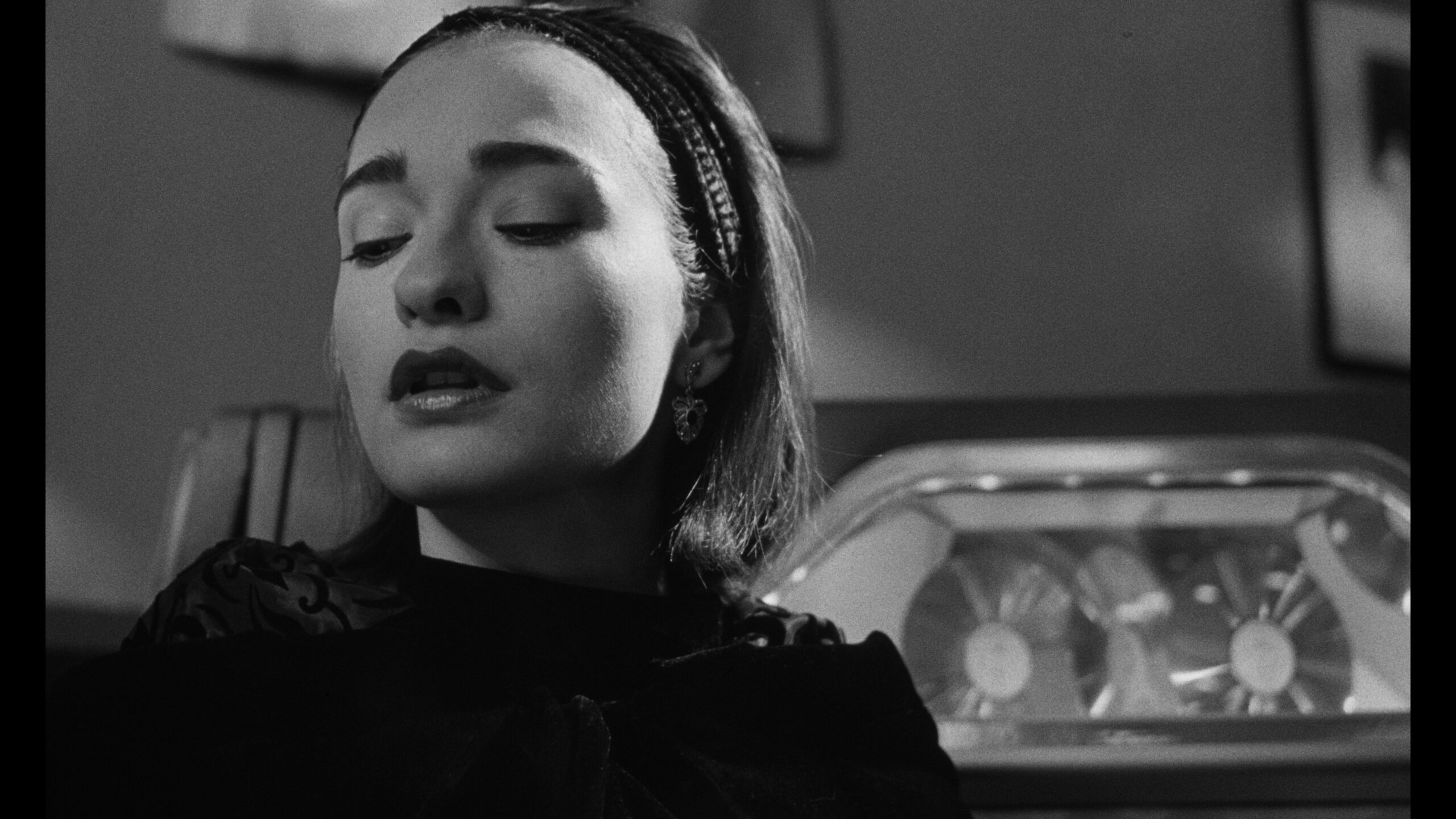
The film’s distinctive appearance wasn’t merely an affectation applied after somebody decided black-and-white photography looked cool. Almereyda had previously been developing a project called Fever, centred around Edgar Allan Poe, which failed to secure financing. Nadja emerged afterwards, with André Breton’s 1928 surrealist novel of the same name among the inspirations for Almereyda’s thematic approach. He also immersed himself in vampire cinema and lore while developing a film that would simultaneously acknowledge the genre’s history and behave as though nobody had told it what a Dracula movie was supposed to look like.
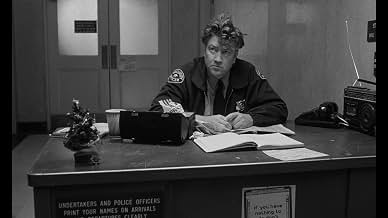
Financing remained difficult, particularly because of the determination to shoot Nadja in black and white. David Lynch ultimately financed the film, and his involvement didn’t stop at signing cheques: he also makes a cameo appearance as a morgue attendant. Mary Sweeney, who had a long creative association with Lynch, was among the film’s producers and is one of several original participants interviewed for the new Radiance edition.
Perhaps the most famous element of Nadja’s visual identity, however, is PixelVision. Almereyda used the Fisher-Price PXL2000, a children’s video camera introduced in the 1980s that recorded low-resolution monochrome images onto ordinary audio cassettes. Portions of Nadja were shot with the device to create deliberately degraded, blurry imagery associated with the perspective of the undead. The result looks less like conventional cinematography and more like somebody has discovered forbidden vampire footage on a cassette at the bottom of a cupboard.
That becomes particularly interesting when discussing a 4K restoration. Nobody is expecting a Fisher-Price toy camera suddenly to reveal pores you couldn’t see in 1994. The point of restoring a film such as Nadja isn’t to polish away the imperfections that were deliberately built into its imagery; those imperfections are part of the film. Radiance confirms that the new restoration has been approved by both Almereyda and Denault, preserving a movie in which pristine photography and deliberately crude PixelVision imagery coexist as part of the same visual language.
Five and a Half Weeks in New York
Nadja was shot over approximately five and a half weeks in New York City, with the filmmakers finding economical ways to make contemporary New York coexist with the older Gothic world hovering around the story. An abandoned hospital on Central Park West was even used to stand in for a Transylvanian castle. Almereyda had Roger Corman’s filmmaking in mind, particularly Corman’s cycle of Edgar Allan Poe adaptations, both as a tonal influence and as an example of what could be achieved through resourceful low-budget filmmaking.
That collision of old and new is really where Nadja lives. Dracula and Van Helsing are present, but so are Brooklyn bars and contemporary relationships. The film looks backwards towards Gothic horror and early cinema while simultaneously belonging unmistakably to the alternative American film culture of the 1990s. Its soundtrack strengthens that identity further, incorporating music from My Bloody Valentine and Portishead, meaning this is one Dracula descendant unlikely to be confused with one of Hammer’s cape-and-candelabra productions. Radiance describes it as a meeting of classic vampire horror and 1990s independent filmmaking, which is about as concise a description of its peculiar identity as you’re likely to find.
Radiance Hasn’t Skimped on the Extras
The new Limited Edition doesn’t simply put the restoration on a disc and send Nadja back out into the night. Radiance has assembled a substantial collection of newly produced material examining both the film itself and the people responsible for it. Novelist and screenwriter Megan Abbott provides a new critical appreciation entitled The Pain of Fleeting Joy, while journalist and filmmaker Michael Gingold revisits the film’s New York locations in Comfort in the Shadows. Programmer Geoffrey Badger discusses the picture’s continuing reputation in The Cult of Nadja.
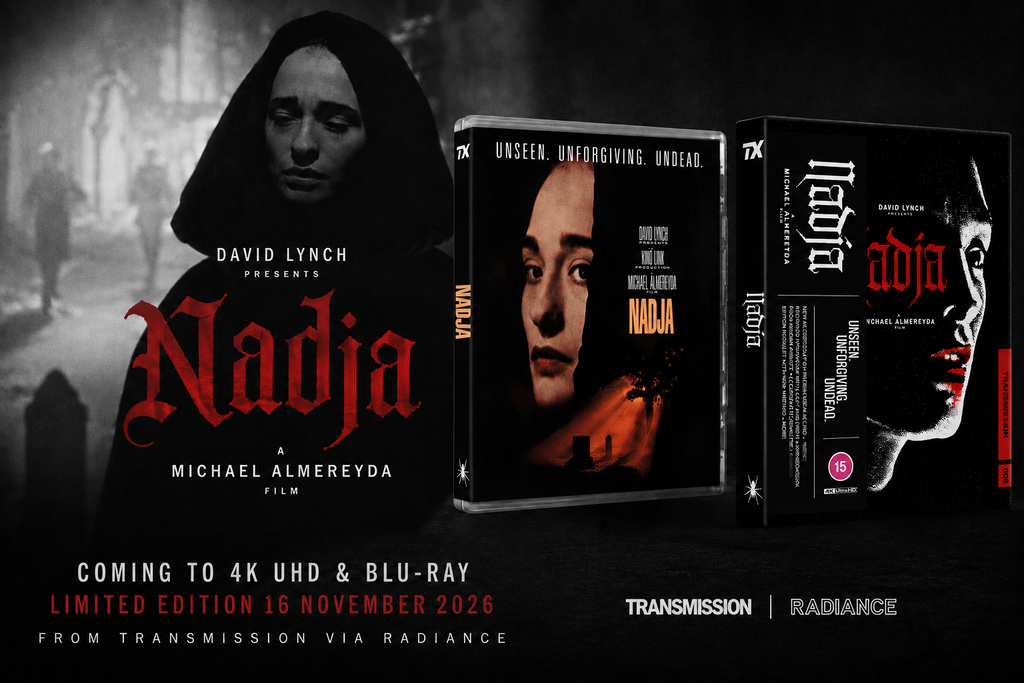
There are also newly recorded interviews with Elina Löwensohn, Mary Sweeney, producer Amy Hobby, cinematographer Jim Denault and composer Simon Fisher-Turner, giving the release an unusually broad collection of voices from the production. Filmmaker Bertrand Mandico is interviewed as well, while the package includes the US theatrical re-release trailer. A booklet adds newly commissioned writing from Vadim Rizov and Jason Wood. Audio is represented by uncompressed stereo PCM, with the original uncompressed 2.0 stereo and a 5.1 Dolby Surround mix listed among the specifications, and optional English subtitles for deaf and hard-of-hearing viewers are included.
For anyone particularly interested in how Nadja was made, the interviews with Denault, Sweeney, Hobby, Löwensohn and Fisher-Turner could make the supplements almost as enticing as the restoration itself. This is precisely the sort of film that benefits from contextual material. Watching Nadja without knowing how and why it looks the way it does is one experience; discovering that a portion of its spectral imagery was intentionally captured through a children’s video camera while David Lynch was helping to finance the production makes the whole thing considerably stranger.
A Very 1990s Vampire Rises Again
Nadja has spent the years since its original release occupying an unusual corner of vampire cinema. It is recognisably descended from Dracula while being far removed from a conventional Dracula adaptation, and it belongs just as comfortably in a discussion about 1990s American independent filmmaking as it does alongside other vampire pictures. Peter Bradshaw, reviewing the film for The Guardian, described it as a “contemporary vampire treat”, while its mixture of deadpan humour, sexuality, monochrome photography, urban alienation and deliberately abrasive PixelVision imagery has helped it develop the cult reputation now being explored in Radiance’s new supplements.
That makes a 4K release particularly welcome. Physical media is at its most interesting when UHD isn’t reserved exclusively for enormous studio productions whose every frame already looks immaculate. Something as visually idiosyncratic as Nadja presents a completely different restoration challenge, particularly when part of the intended aesthetic involves images produced by a Fisher-Price camera that was never remotely concerned with pleasing future owners of 4K televisions.
The Limited Edition 4K UHD and Blu-ray of Nadja will be released on 16 November 2026, priced at £24.99 through Radiance Films and limited to 5,000 copies. Pre-orders are already open, and Radiance notes that payment is taken immediately for pre-orders. Anyone combining it with in-stock titles should also be aware that Radiance holds the entire order until the pre-ordered item is available, so separate orders are recommended if you don’t fancy making your other discs wait around until November.
For a film about the daughter of Dracula attempting to find another way to live, returning from the dead in a newly restored 4K edition feels rather appropriate.
Pre-order Nadja Limited Edition 4K UHD & Blu-ray from Radiance Films