Hungry Review: A Killer Hippo With an Appetite for Tourists
Creature features have thrown almost every conceivable predator at unfortunate groups of humans over the years. Sharks, crocodiles, alligators, bears, lions and enormous snakes have all had their turn, so perhaps it was inevitable that someone would eventually realise the hippopotamus has been seriously underrepresented. Director James Nunn’s Hungry attempts to rectify that, transporting a huge and extremely territorial hippo into the Louisiana bayou for a straightforward man versus beast survival movie.
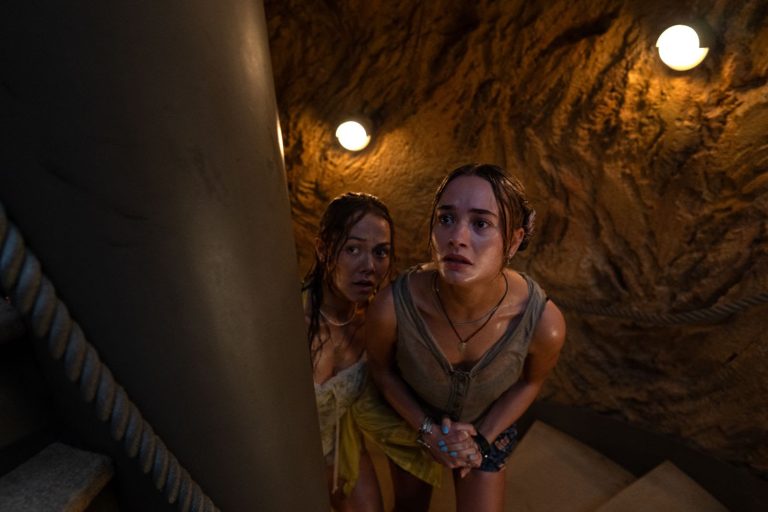
Sistine (Madison Davenport) is supposed to be enjoying a break in New Orleans with her friend Hannah (Olivia Bernstone), although her holiday gets off to a miserable start when she receives a phone call from her boss and finds herself out of a job. Hannah has already arranged their next distraction, an alligator tour through the Louisiana swamps, and the pair soon join captain Rodrigo (Michel Curiel) and a small collection of fellow tourists aboard his boat. Among them are Dionne (Tracey Bonner), nurse Sally (Samantha Coughlan), Sally’s former firefighter father Tim (Jim Meskimen) and her teenage son Mikey (River Codack).
Before setting out, the tourists receive a little history lesson courtesy of Walker (Joaquim de Almeida), owner of the alligator tour business. There’s talk of hippos, their territorial nature and the rather unusual possibility of such animals having once been introduced into Louisiana. The film has some fun building its premise around a genuine historical proposal to introduce hippopotamuses into the region, although Hungry obviously takes that abandoned idea and runs off into the swamp with it.
Naturally, an ordinary tour isn’t going to give us much of a horror film. Dionne wants something more exciting for her money, and Rodrigo is persuaded to venture beyond the usual route in search of a particularly large alligator. Instead, the group discovers the unfortunate reptile in pieces. Something considerably bigger is sharing the water with them, and before long their boat is struck and capsized.
It’s a good setup. The problem is that Hungry then spends a considerable portion of its running time struggling to build upon it.
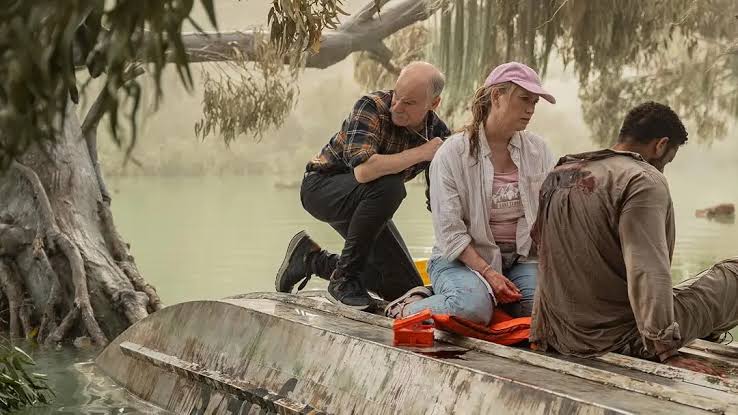
The survivors scramble out of the water and find refuge among a couple of trees beside their overturned boat. With an injured Rodrigo, no phone signal and a hippopotamus patrolling the water beneath them, they’re trapped. From here, much of the film consists of the group hanging around those trees and the wrecked boat, worrying about how they’re going to escape and occasionally being forced back towards the water.
There’s nothing inherently wrong with limiting the characters’ movement. In fact, putting people somewhere apparently safe and then forcing them to leave it can be a brilliant mechanism for creating suspense. Every trip into the water should become an ordeal because we know what’s waiting beneath the surface. The trouble is that Hungry doesn’t find enough different ways to exploit the predicament.
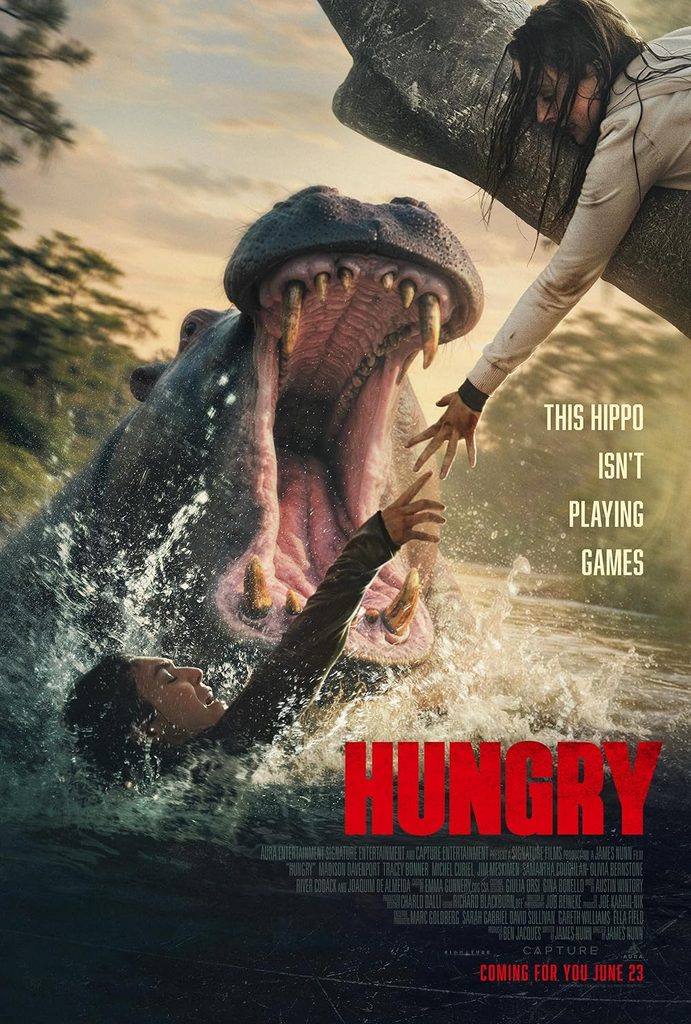
Hungry Needs a Bigger Bite
This is where comparisons with the classics of the creature-feature genre become unavoidable. Hungry is no Jaws, but then expecting it to be would be unfair. The bigger problem is that it isn’t even as entertainingly inventive as the original Anaconda, the gloriously ridiculous 1997 Jennifer Lopez creature feature that understood the importance of continually throwing new dangers, locations and set pieces at its characters.
Hungry has a killer hippo in the Louisiana bayou, which is a terrific starting point, but the film never fully capitalises on how much fun that idea could provide. After the boat capsizes, the narrative becomes surprisingly static. Instead of continually expanding the situation, creating increasingly elaborate encounters and finding different ways for its enormous animal to terrorise the survivors, the film spends too much time keeping everyone in essentially the same predicament.
That’s particularly frustrating because the hippo itself is good.
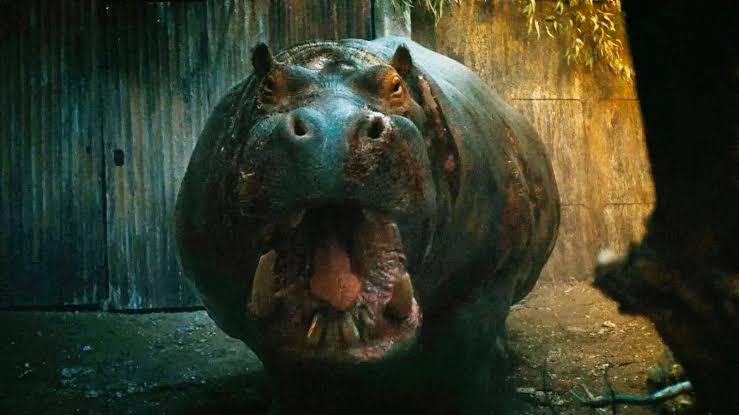
Nunn holds back on showing the animal clearly for much of the movie. We get movement in the water, brief glimpses and attacks without immediately being given a prolonged look at the creature. There is an obvious tradition behind that approach, but withholding a monster only really works when what you cannot see becomes more frightening than what you can. Hungry struggles to generate that level of fear-inducing tension.
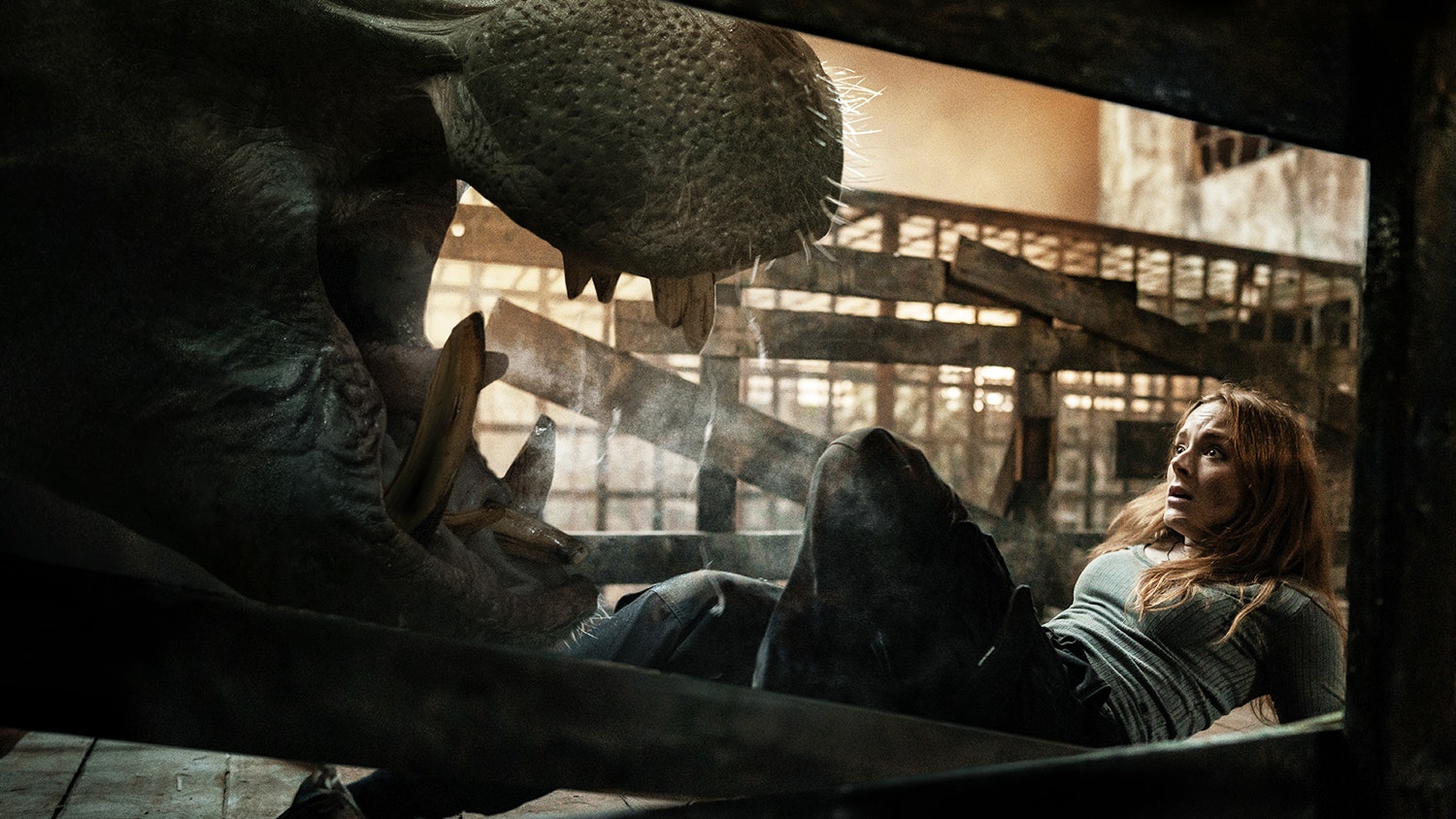
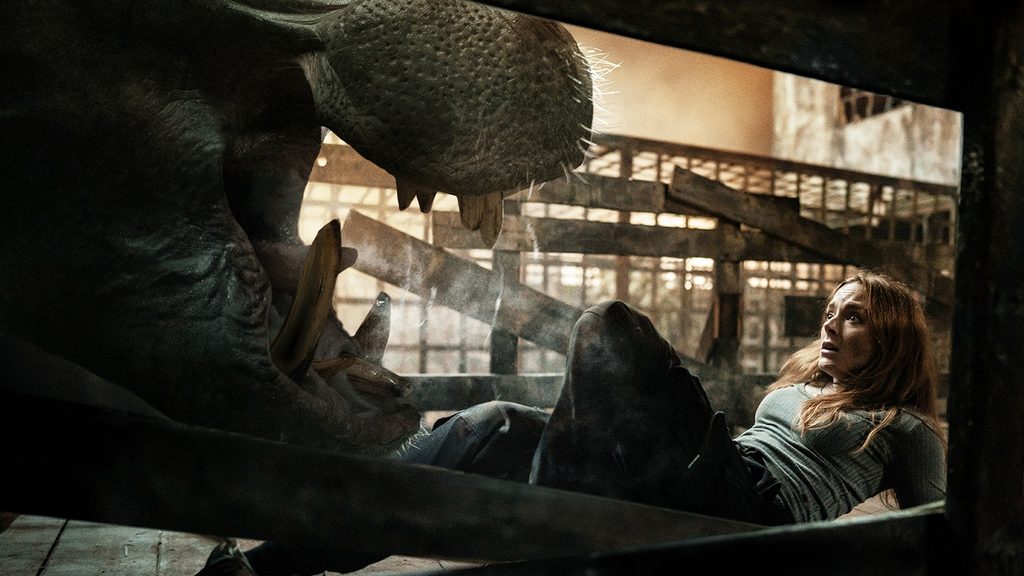
When the film finally allows us to see its star properly during the final stretch, however, the effects are surprisingly impressive. The hippo has scale, weight and presence, and the filmmakers succeed in making the animal look genuinely dangerous rather than unintentionally comical. Its enormous mouth is particularly effective, and seeing the creature moving around in full view makes us wish the movie had been prepared to use it more extensively earlier.
The film’s other major problem is that the human characters aren’t especially compelling. Madison Davenport makes Sistine an agreeable protagonist and gives us somebody to follow through the chaos, while Joaquim de Almeida brings an experienced presence as Walker. The performances generally do what the material requires of them, but the screenplay doesn’t give us enough reason to become emotionally attached to most of the people stranded in the swamp.
That matters enormously in a survival horror film. A creature can look fantastic, but an attack becomes considerably more frightening when we’re desperate for the person being hunted to survive. Here, too many of the characters remain recognisable genre types rather than people we become genuinely invested in. As the hippo begins reducing their numbers, the film doesn’t always achieve the emotional impact those deaths might otherwise have carried.
Where Hungry fares considerably better is in its technical construction. The editing is slick, and when Nunn needs to accelerate the film, the cuts become faster and give individual moments some welcome urgency. There are sequences where the combination of editing, movement and uncertainty about where the hippo might strike briefly provides exactly the sort of tension the wider film needs more consistently.
The Louisiana swamp setting is also naturally suited to this kind of story. Murky water is one of horror cinema’s greatest allies because simply looking at it creates uncertainty. We know something enormous could be only a few feet away without anybody being able to see it, and Hungry occasionally makes effective use of that vulnerability. The basic ingredients are certainly here. The film simply doesn’t squeeze enough suspense from them.
Perhaps the most important decision Nunn makes is taking the premise seriously. A movie about a killer hippopotamus could very easily have become deliberately ridiculous, particularly with a title that inevitably brings a certain children’s tabletop game to mind. Instead, Hungry treats the animal as an animal. It isn’t plotting revenge, displaying human intelligence or murdering people because it’s inherently evil. It’s a huge, powerful and territorial wild creature, and the humans have found themselves somewhere they really shouldn’t be.
There is a decent creature feature hiding inside Hungry, and enough of it makes it onto the screen to prevent the film from becoming a disaster. The effects are good when we finally get a proper look at the hippo, Davenport makes for a capable lead, the editing has plenty of polish and the unusual choice of animal immediately gives the movie something to distinguish it from another shark or crocodile outing.
What holds it back is the feeling that Hungry could have been considerably bigger, scarier and more exciting without necessarily requiring a vastly larger budget. Once that boat overturns, the film needed to keep escalating. More inventive set pieces, stronger characters and a greater variety of situations could have turned an amusing concept into a memorable addition to the animal attack genre.
Instead, we get a half-decent man versus beast movie with a very good monster that spends too much of its running time out of sight. Once the hippo finally comes properly into view during the last 15 minutes, Hungry gives us a tantalising glimpse of the creature feature it might have been all along.
It’s not Jaws. It’s not even Anaconda. But if the idea of watching a massive hippopotamus terrorise tourists in the Louisiana swamps sounds like your idea of an entertaining evening, Hungry has just enough bite to be worth getting your feet wet.