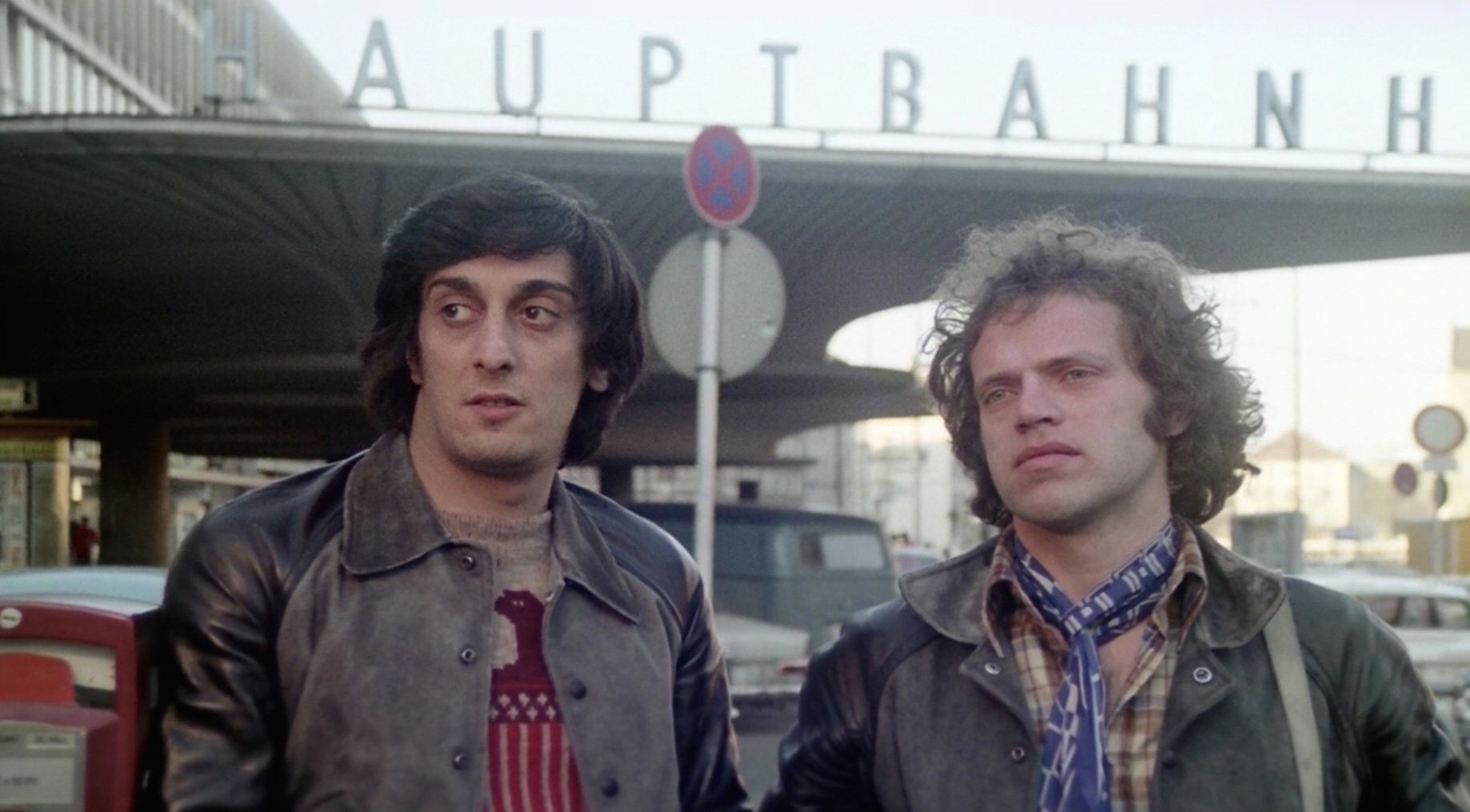
All Aboard the Sleaze Express: The Night Train Murderers Creep into the Hall of Killers
If you have ever wondered what would happen if someone looked at Wes Craven’s The Last House on the Left and said “this is good, but what if it had more trains, more Christmas vibes, and absolutely no restraint whatsoever,” then Night Train Murders is your unfortunate answer. Released in 1975 and directed by Aldo Lado, this notorious slice of Italian exploitation gave the world Blackie and Curly, two of the grimiest human stains ever to earn a seat in the Third Class tier of the Hall of Killers.
And yes, third class is exactly where they belong. Not because they are ineffective, but because they are so relentlessly unpleasant that elevating them any higher would feel like a personal insult.
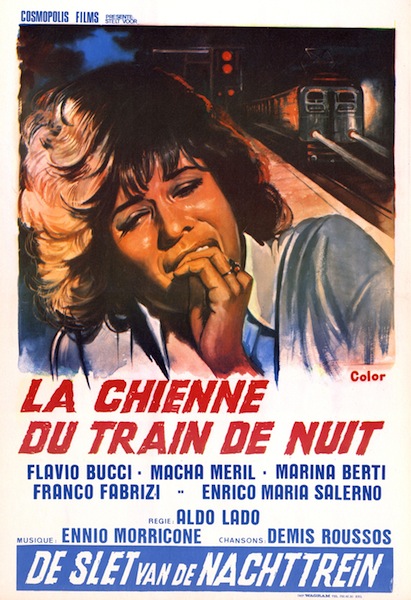
Night Train Murders, also known under the far more blunt title Last Stop on the Night Train, follows two young women travelling home by train at Christmas. It is meant to be a season of goodwill, family reunions, and awkward cracker jokes. Instead, they encounter Blackie and Curly, a pair of sadistic criminals who proceed to turn the train carriage into a moving nightmare of violence, degradation, and nihilism. If this sounds familiar, it should. The film is essentially The Last House on the Left with a European accent, a conductor’s whistle, and a complete disregard for subtlety.
Blackie, played with chilling casualness, is the ringleader. He is smug, sadistic, and disturbingly calm, the sort of man who commits atrocities with the same energy most people reserve for ordering a coffee. Curly, his grinning accomplice, is more volatile and animalistic, oscillating between childish glee and explosive violence. Together, they form a double act that feels less like traditional movie villains and more like two men who wandered in from a police blotter and refused to leave.
What earns them their place in the Hall of Killers is not style or mythology but sheer endurance. These are not masked slashers or supernatural boogeymen. They do not stalk from the shadows or announce themselves with theme music. They sit down, light cigarettes, make small talk, and then do the worst things imaginable. Watching them is exhausting, which is very much the point.

Like its American inspiration, Night Train Murders was never designed to be a comfortable experience. It was part of the grim wave of 1970s exploitation cinema that believed horror should leave a bruise. Unsurprisingly, this attitude did not endear it to censors. In the UK, the film earned a place on the infamous video nasties list, becoming one of those titles whispered about in the same breath as banned books and corrupting influences. For years, its reputation grew far beyond the film itself, fuelled by cut versions, seized tapes, and the sense that this was something you probably should not be watching but absolutely were going to anyway.
The Christmas setting only makes everything worse. There is something uniquely bleak about watching festive decorations whizz past a train window while humanity collapses inside the carriage. Christmas horror often plays with irony, but Night Train Murders does not wink at the audience. It stares directly at you and dares you to look away. In that sense, Blackie and Curly sit comfortably alongside other grim festive figures inducted into the Hall of Killers, such as Harry Stadling from Christmas Evil or even Stripe from Gremlins, though Stripe at least has the decency to be entertaining between murders.
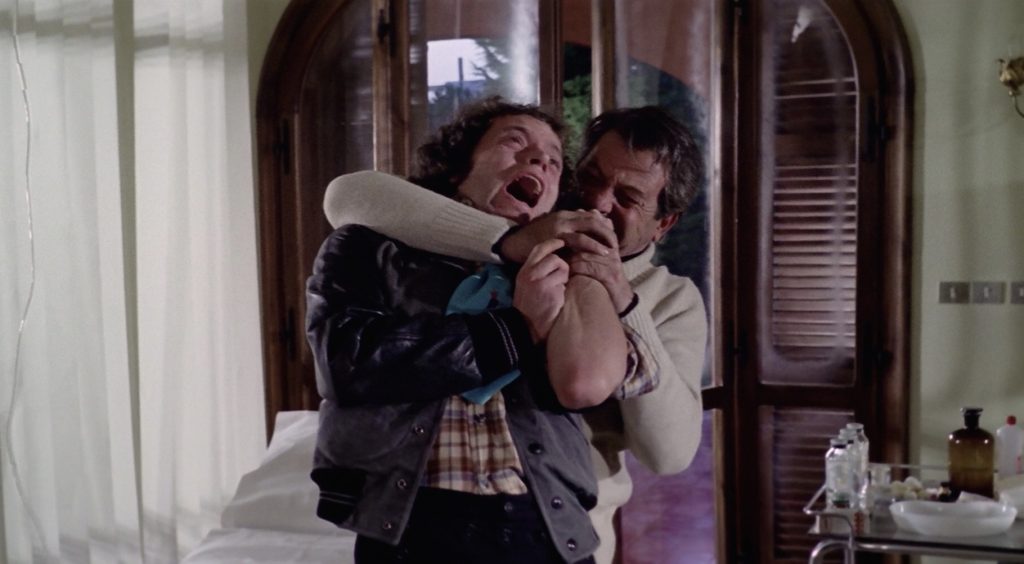
What keeps Blackie and Curly from climbing higher than third class is the film’s own lack of identity. As brutal as they are, they are undeniably borrowed. The Last House on the Left looms over every scene, and the film never quite escapes the feeling that it is chasing shock rather than redefining it. That does not make the killers any less disturbing, but it does keep them from legendary status.
Still, their cultural footprint is undeniable. Night Train Murders stands as a time capsule of an era when horror was raw, confrontational, and deeply uncomfortable, and Blackie and Curly are its ugliest ambassadors. They are not monsters you enjoy watching. They are monsters you endure, and sometimes that is enough to earn a place in horror history.
So welcome aboard, gentlemen. Third class may not offer luxury, but it is crowded with infamy, controversy, and the lingering scent of banned videotapes. Just please, for the sake of everyone else in the carriage, keep your feet off the seats.