It: Welcome to Derry – Season 1 Review
The town of Derry, Maine has always harbored something rotten underneath its surface, and HBO’s It: Welcome to Derry dives deeper into that darkness than ever before. Acting as a prequel to the Andy Muschietti-directed films It and It: Chapter Two, this series explores not just the origins of Pennywise the Dancing Clown, but also the generational trauma and collective apathy that allows evil to fester.
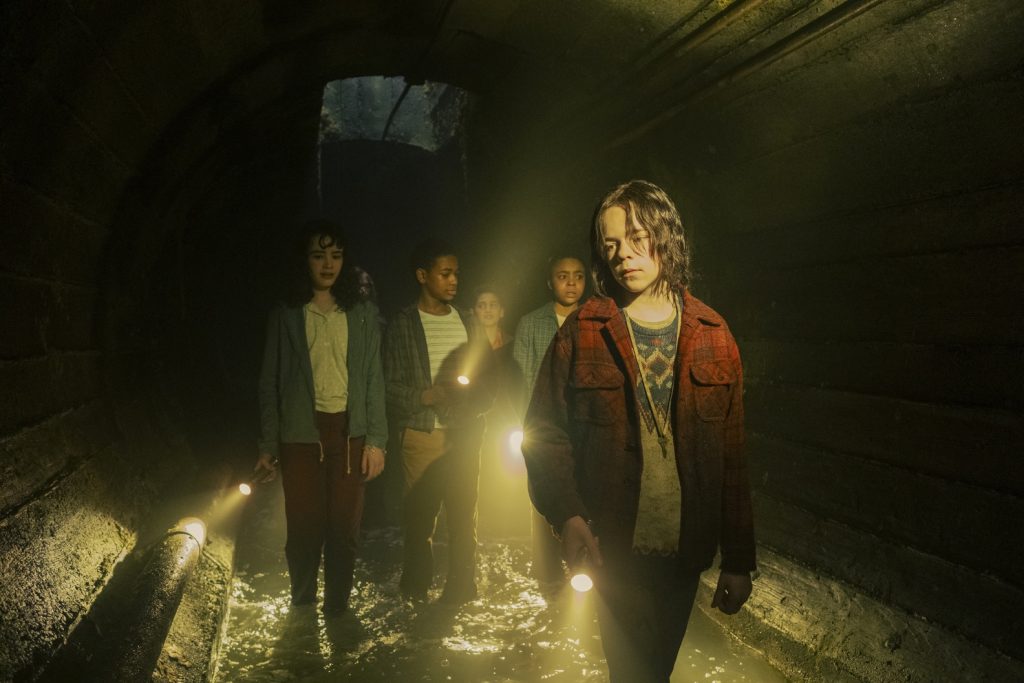
Set in 1962, decades before the events of the films, the story follows a new group of children who begin to suspect something is terribly wrong in their town. Just as we’re getting to know and root for them, several are horrifyingly dispatched in the first episode, establishing early on that Derry is no place for sentimentality. While the timeline jump initially raises questions about narrative necessity, the show justifies its existence through atmosphere, strong character work, and a surprisingly emotional through-line.
One of the biggest achievements of Welcome to Derry is its seamless expansion of the Stephen King universe. Familiar locations like Shawshank Prison and the Overlook Hotel are referenced, and a younger version of Dick Hallorann from The Shining plays a major role. Played with quiet gravitas by Chris Chalk, Hallorann is depicted here as an Air Force veteran with psychic abilities, being used by the military to locate and confront the creature haunting Derry. His arc adds both heart and depth to the lore and connects King’s world in fascinating ways.
Where the show falters slightly is in how it handles Pennywise’s backstory. Do we really need to know why the creature chose to manifest as a dancing clown? The mystery is part of what made him so terrifying in the first place, and some fans may find the explanations underwhelming or over-explained. There’s also the issue of continuity: if the military is aware of Pennywise in the 60s, why is there no mention of this in the modern-day events of the films? The logic gets murky, especially if the series is considered canon.
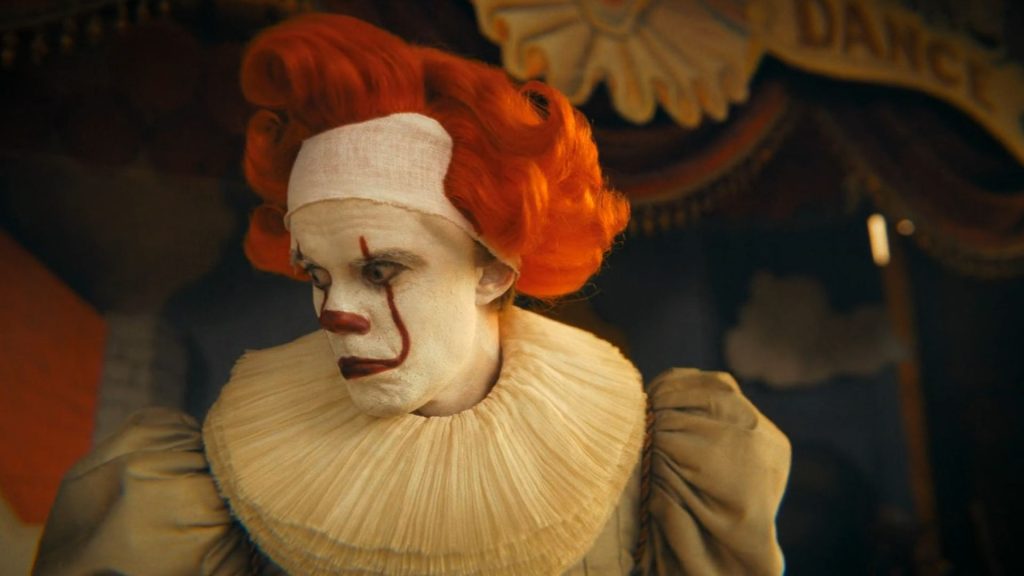
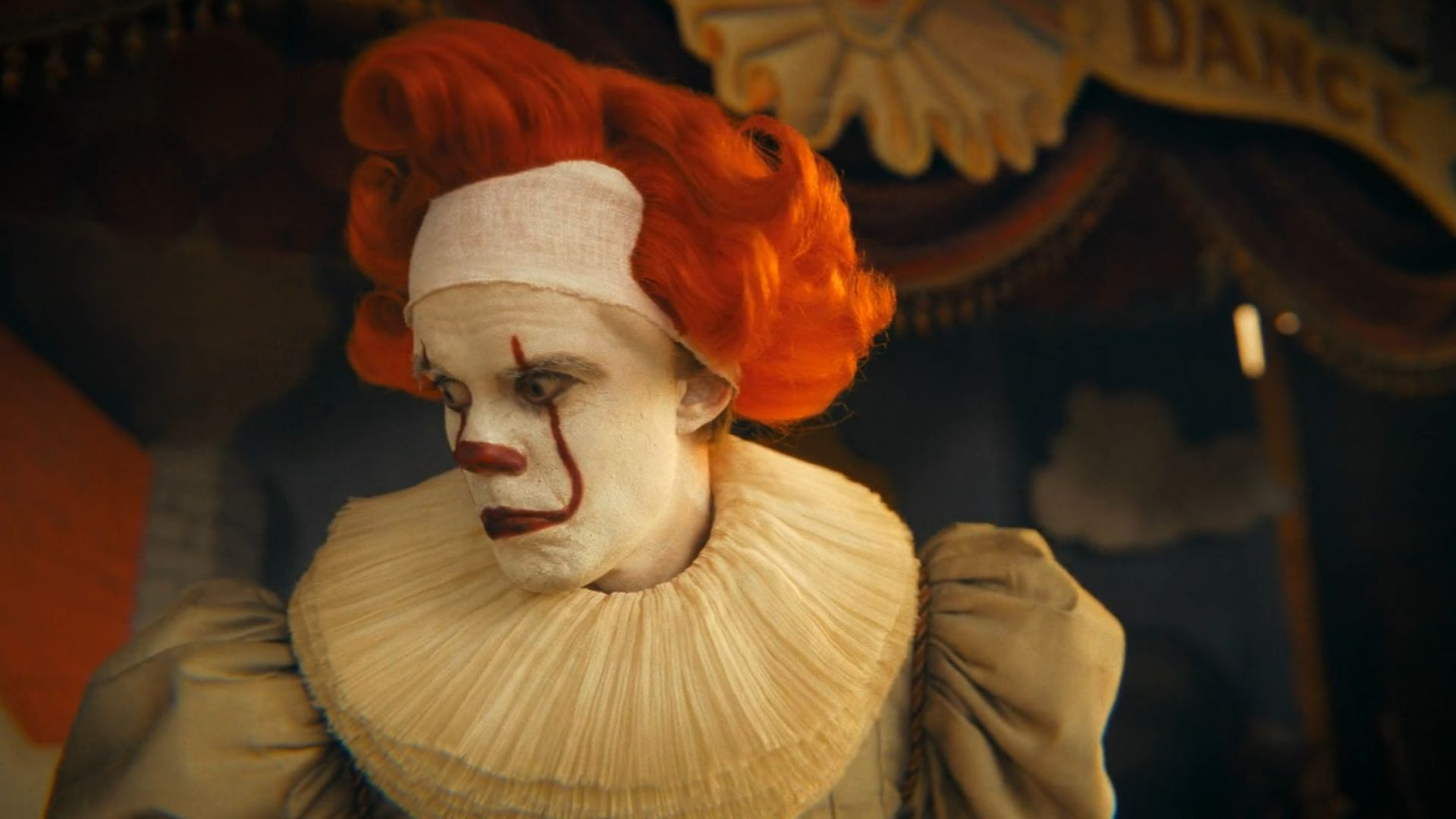
However, these are minor quibbles in a show that gets so much else right. Visually, the series is stunning. The production design and effects are cinematic in quality, with nightmarish imagery and clever scares that rarely repeat themselves. Pennywise is more ferocious and sinister than ever, thanks in large part to the return of Bill Skarsgard. He slips back into the role effortlessly, delivering a generational horror performance that continues to redefine the character for a new era.
The young cast is a revelation. The core group of kids all deliver emotionally grounded, believable performances that add real stakes to the supernatural terror. Clara Stack, in particular, as Lilly Bainbridge, is a standout, handling mature material with the kind of gravitas usually reserved for veteran actors. Their fear, confusion, and bravery feel real, making the horror hit that much harder.
Beyond the scares, the series has something to say. Themes of generational trauma, denial, and cycles of violence are interwoven throughout, making Derry feel like a character in itself—a decaying town feeding on its own secrets. The show doesn’t shy away from the uglier parts of human behavior, and that emotional grounding is what elevates the horror.
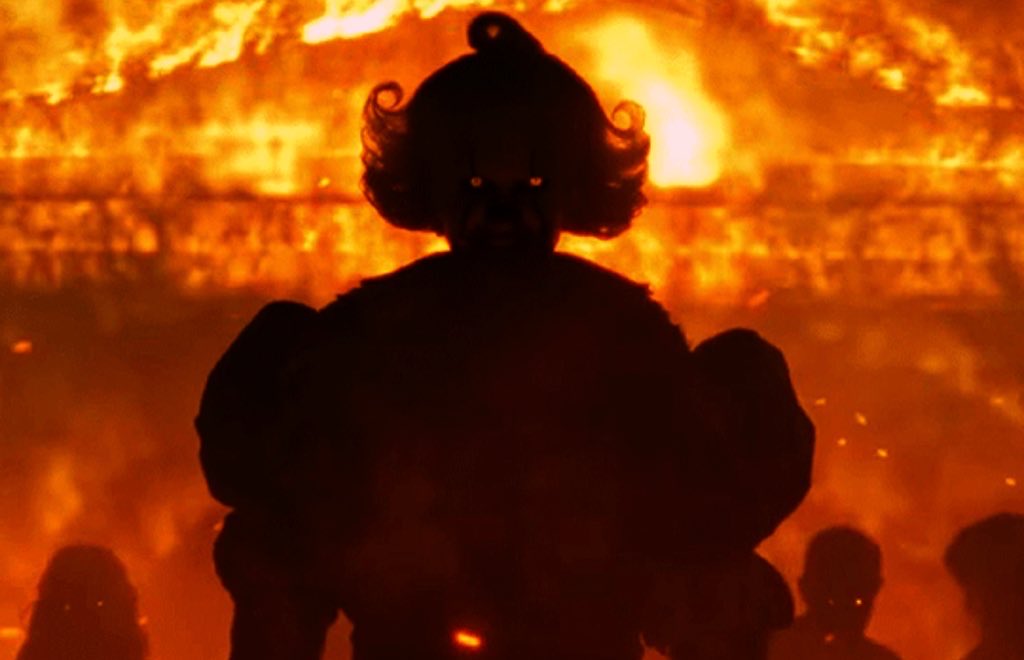
By the final episodes, Welcome to Derry pulls off a bold narrative twist. The show hints that time for the creature is non-linear, and Pennywise may have experienced the events of the films even though they haven’t technically happened yet in the timeline. This opens the door for future seasons to jump backward or forward in time, freeing the story from strict prequel limitations. It’s a clever way to avoid the narrative trap of inevitability and keeps the mythology fresh and unpredictable.
Speculation about season two is already rampant—will we jump to the 1930s? Explore the story of Bob Gray? Or perhaps see the horrors of an entirely new century? Wherever the show goes, it has firmly established itself as essential viewing.
It: Welcome to Derry is not just a prequel—it’s an emotionally resonant, terrifying, and thematically rich expansion of the It mythos. It honors what came before while forging a bold new path, driven by confident writing, stunning visuals, and a cast that delivers across the board. For Stephen King fans, horror devotees, and anyone who ever feared clowns, this is a must-watch.