Shelby Oaks Review – Stuckmann Uncovers More Dread Than Dead in Ambitious Horror Debut
In Chris Stuckmann’s feature debut Shelby Oaks, one woman digs into the past to find answers about her missing sister, only to discover that some things are better left buried. The story follows Mia, played by Camille Sullivan, who is still haunted by the disappearance of her younger sister Riley over a decade earlier. Riley was the host of a small paranormal YouTube series called Paranormal Paranoids. She and her crew vanished without a trace during one of their investigations in Shelby Oaks, Ohio. Although the public assumed it was a publicity stunt gone too far, time has proven otherwise. Mia refuses to believe her sister simply ran away or faked it. Determined to find the truth, she begins to retrace Riley’s steps.
The film opens with grainy found footage of the Paranormal Paranoids group and a seemingly cursed location. It quickly shifts away from the traditional handheld format, blending in documentary-style interviews and slicker narrative footage as we follow Mia in the present day. The change in tone is clever, keeping viewers off balance and allowing the story to move between timelines without losing momentum.
As Mia digs deeper, the layers begin to unravel. She watches old videos, scours message boards, and even agrees to participate in a documentary being made about the mystery. During one of these interviews, a stranger shows up at her doorstep and shoots himself in the head. That chilling moment sets off a chain of events that push Mia further into obsession.
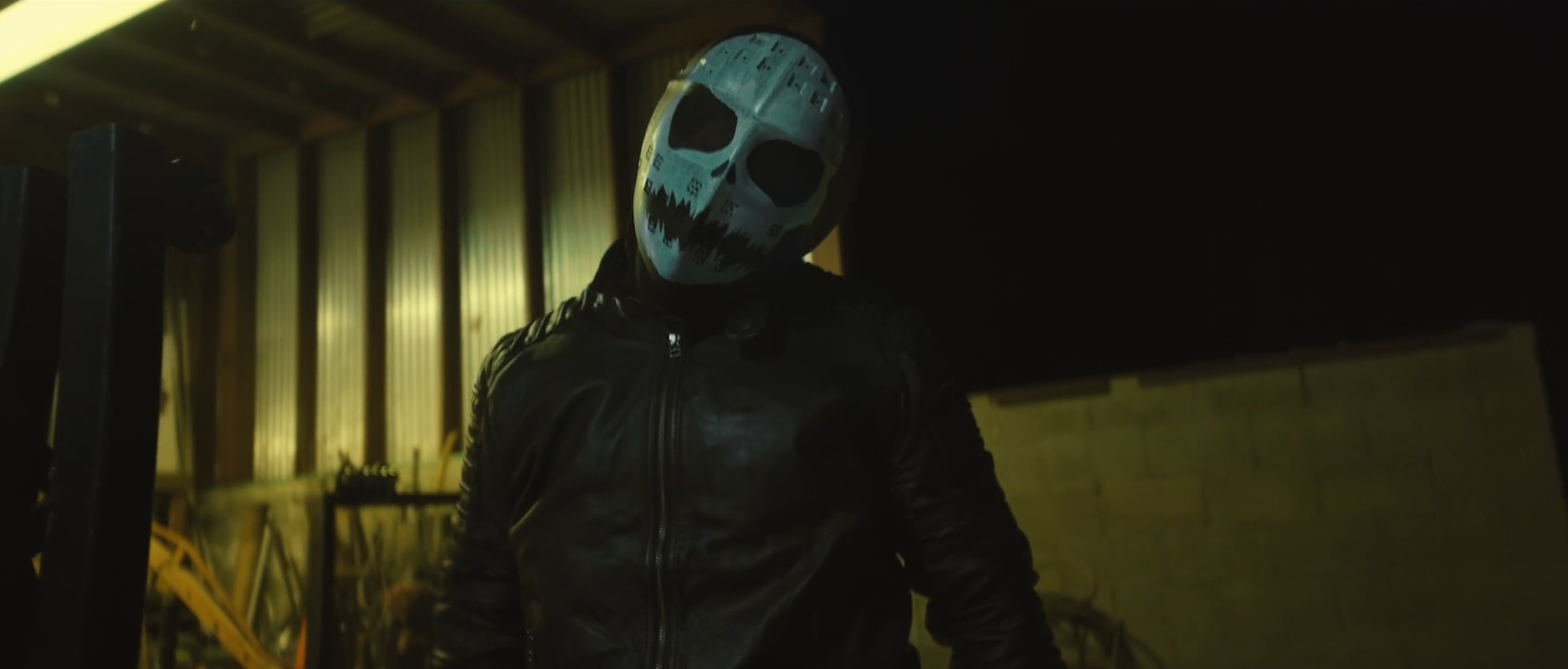
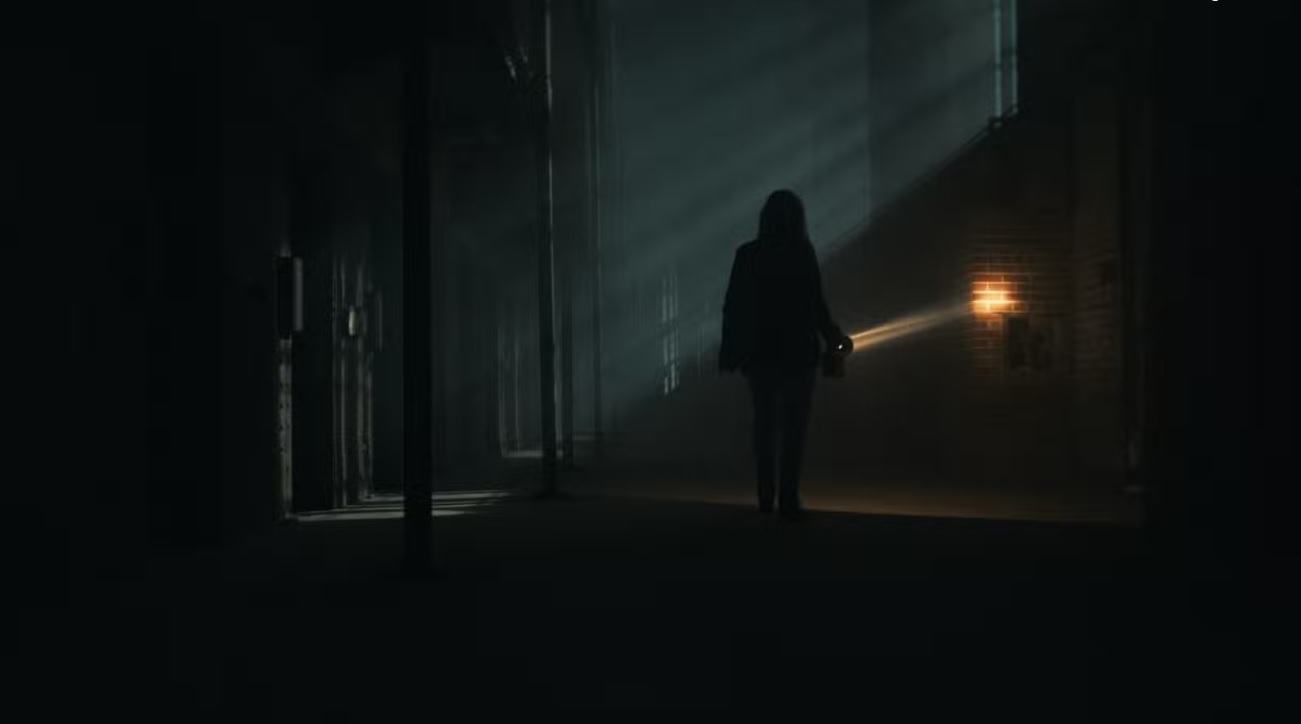
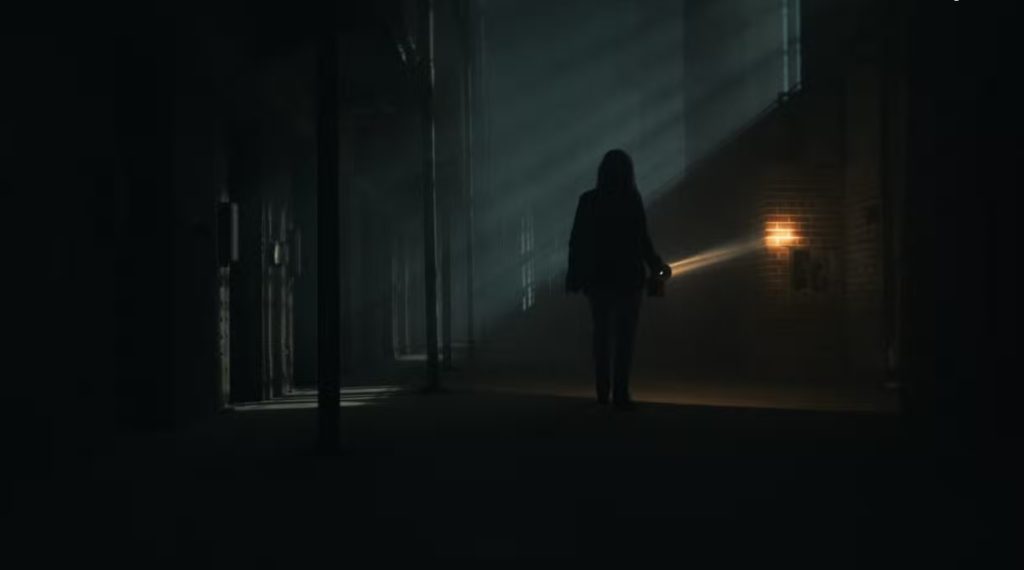
Eventually, her investigation leads her to a crumbling prison once featured on Riley’s show. In one of the film’s most unsettling sequences, Mia explores the deserted building in the middle of the night, searching for clues. These are the moments when Shelby Oaks is at its strongest. The atmosphere is thick with unease, with silence and shadows doing most of the work. There are no cheap scares here, only the creeping dread that something is terribly wrong.
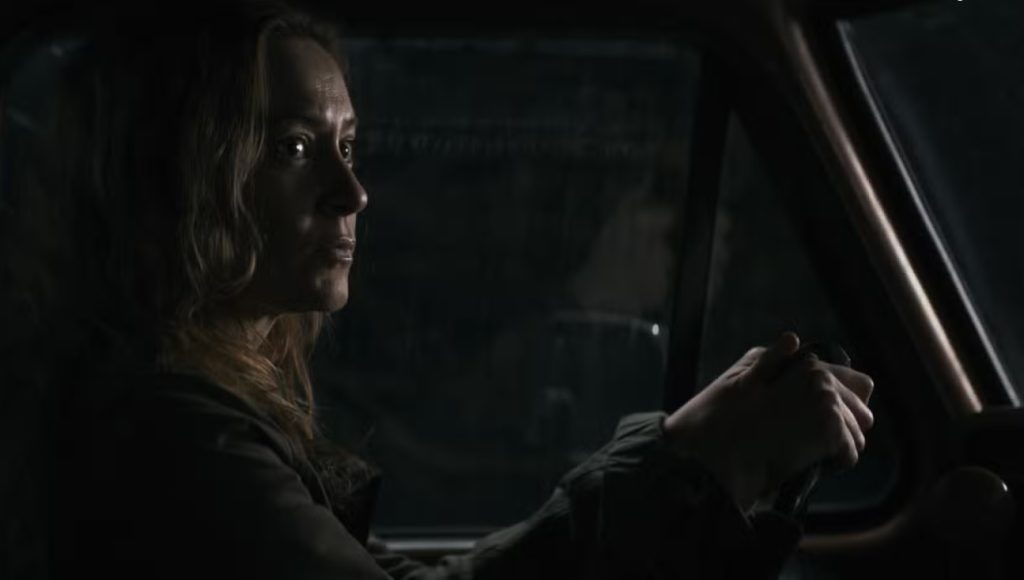
Stuckmann shows a strong understanding of pacing and tone. The tension builds steadily, and the blending of formats adds texture to the story. Even when the film leans into familiar horror territory, it manages to maintain its own identity. The world of Shelby Oaks feels lived in, and there is always the sense that something just out of view is watching.
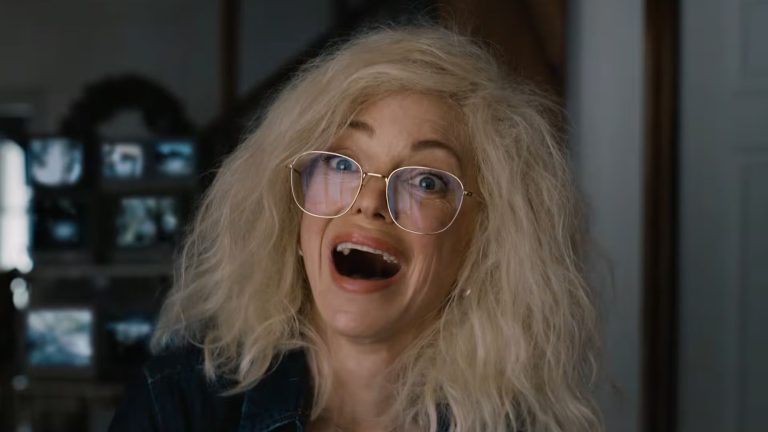
Camille Sullivan gives an excellent performance as Mia. She carries the emotional weight of the story and grounds the supernatural elements with a believable sense of grief and desperation. Her connection to Riley is felt throughout, especially during moments when she replays old footage or revisits places her sister once explored. The film may revolve around dark forces and cursed locations, but at its core, it is about a woman who cannot let go of her sister.
Riley, played by Sarah Durn, is mostly seen through archived clips and flashbacks. Despite limited screen time, Durn gives a memorable turn as a curious and passionate investigator. She radiates charm and vulnerability, which makes her disappearance all the more tragic. Other cast members, including Michael Beach and Keith David, lend strong support and add credibility to the proceedings.
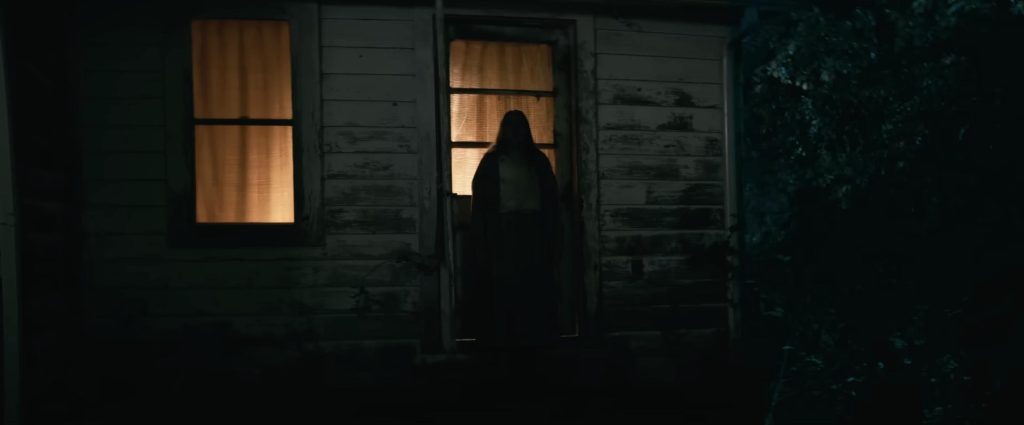
Shelby Oaks is not without its issues. The second act loses some momentum, as Mia’s investigation gets bogged down in exposition. There are moments where the film feels like it is circling the same information. The ending, while ambitious, may divide viewers. It introduces larger horror concepts that do not fully land, and some questions remain frustratingly unanswered. That might be intentional, but it risks feeling like an unfinished thought rather than a mysterious conclusion.
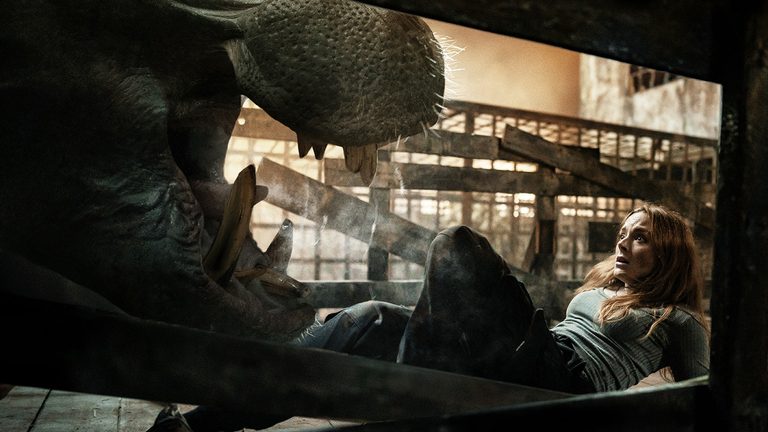
Still, the film delivers enough eerie moments and emotional resonance to make up for its stumbles. The visuals are moody and unsettling, and the use of mixed media adds a level of realism that makes the horror feel tangible. There are no overblown effects or elaborate creatures, just the slow creeping feeling that something ancient and malevolent has been awoken.
Stuckmann clearly has a love for the genre, and that affection is felt throughout. Shelby Oaks is not just a horror film made by someone who understands horror — it is one made by someone who respects it. From the internet folklore to the handheld footage to the slow unraveling mystery, it feels like a project crafted with care. For a first-time director, it is a bold and confident debut.
Shelby Oaks may not be the scariest film of the year, despite what the early hype claimed, but it is a moody and well-executed supernatural thriller with plenty to appreciate. With strong performances and a creeping atmosphere, it suggests that Chris Stuckmann’s career behind the camera is just getting started.