Horror Shorts In Focus: Suckablood — A Gothic Bedtime Nightmare
There are bedtime stories, and then there is Suckablood, a cautionary tale that slaps the comfort right out of your thumb-sucking childhood memories. The fifth entry in the Bloody Cuts anthology, written and directed by Ben Tillett and Jake Cuddihy, is a masterclass in how to turn a simple nursery warning into a gothic nightmare. Shot in Norfolk, England, the seven-minute short transforms childhood habit into horror poetry, laced with candlelight, rhyme and a very nasty bedtime visitor.
The film opens on a scene so rich in texture it could have been plucked straight from the pages of Edgar Allan Poe. Pointed tree branches form the word Suckablood, setting the tone for a story that drips atmosphere from every creaking floorboard. We enter a manor of flickering firelight, thunder and ominous crows — the kind of house that feels alive, resentful even. A booming narrator, voiced by Ben Tillett himself, delivers the tale entirely in rhyme, each verse as sharp and deliberate as a carving knife. It is this poetic narration that binds the piece together, turning it into something between a lullaby and a curse.
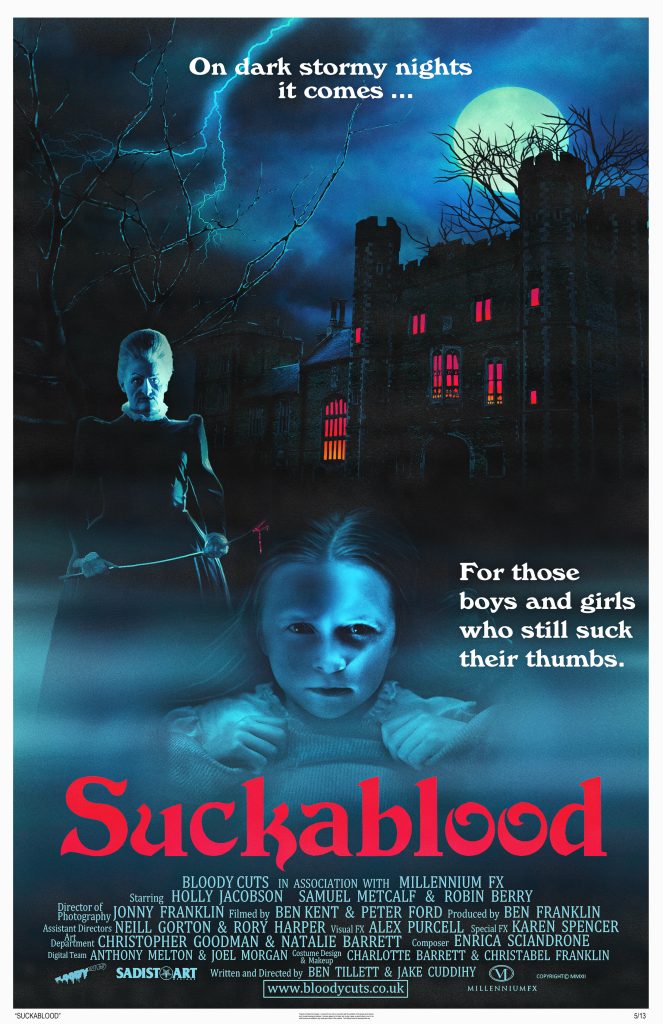
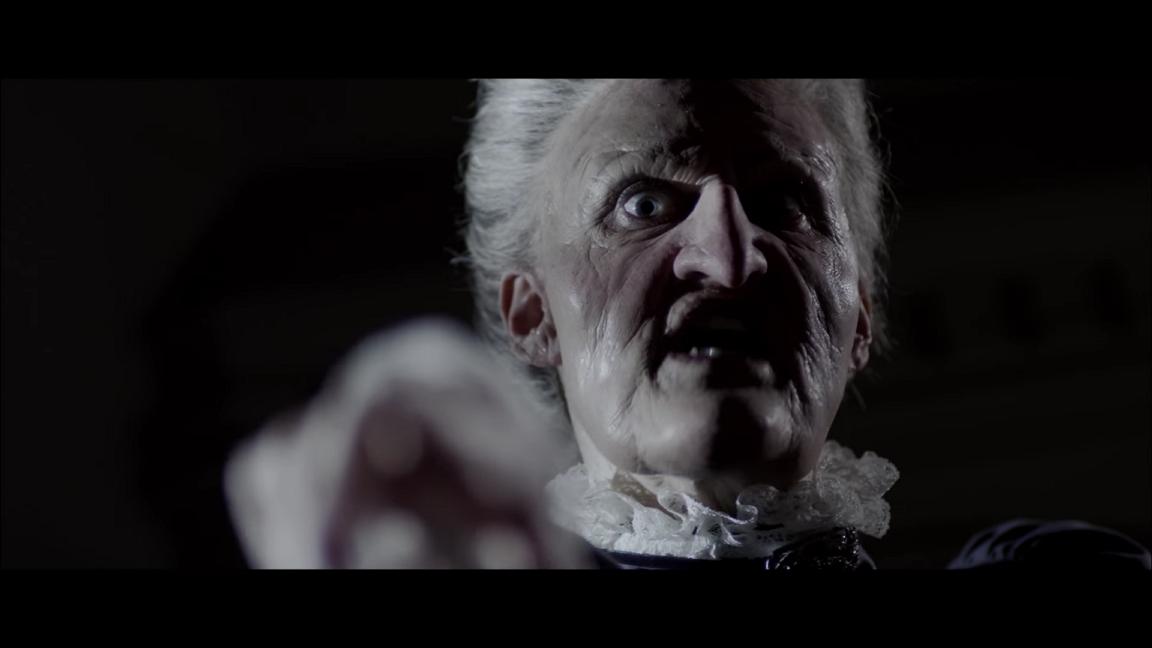
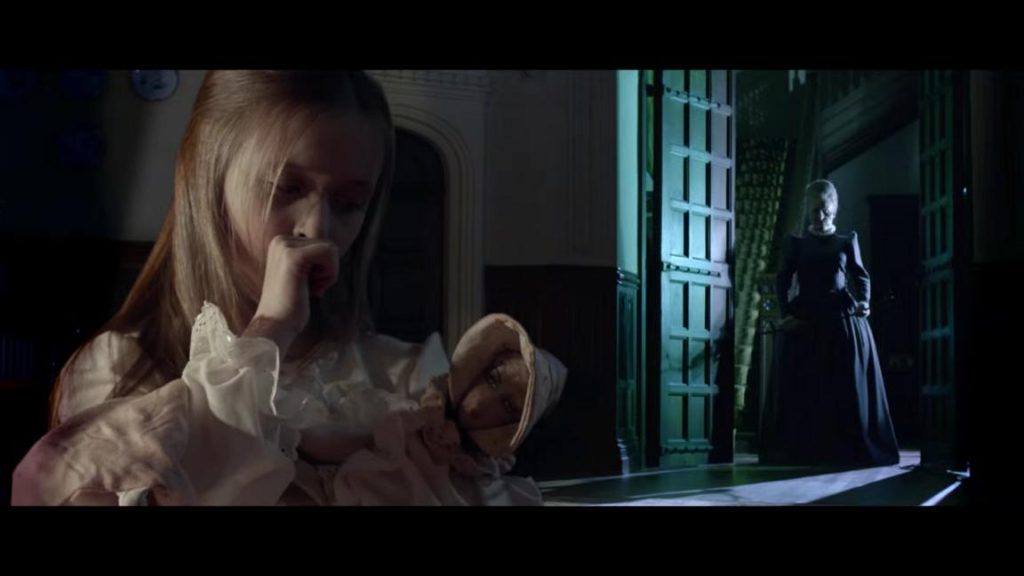
Our poor heroine is Tilly, played by nine-year-old Holly Jacobson, who dares to do the unthinkable: she sucks her thumb. Her stepmother, played with grotesque relish by Samuel Metcalf, decides that canes and cruelty are not enough, so she summons a legend to do her dirty work. Enter the creature known as Suckablood, portrayed by Robin Berry, a clawed and ghastly spirit who punishes thumb-suckers with toothy precision. It is a concept so simple and primal that it lingers long after the credits fade — the kind of monster that feels pulled from a whispered bedtime tale or a Victorian fever dream.
The production itself is astonishingly detailed for a short of its scale. Producers Ben Franklin and Anthony Melton pushed the limits of what a small horror team could achieve. The shoot, carried out in a grand Norfolk manor, required clever trickery to make daylight look like eternal night. The result is a film that glows with dark elegance, its shadows so thick they seem to breathe. Jonny Franklin’s cinematography cloaks every frame in painterly gloom, while Enrica Sciandrone’s award-winning score weaves haunting strings and whispers into the gothic tapestry. The sound design, particularly the creak of the manor and the whisper of the storm, adds a sensory richness that heightens every shiver.
Behind the scenes, Suckablood was the most ambitious Bloody Cuts production to that point, and also the most expensive. The cost of filming in such a lavish location would have broken many indie filmmakers, but a generous donation from actor and national treasure Stephen Fry kept the project afloat. It is the kind of unexpected trivia that makes the short’s existence even more charming — a British legend helping fund a new generation of horror talent.
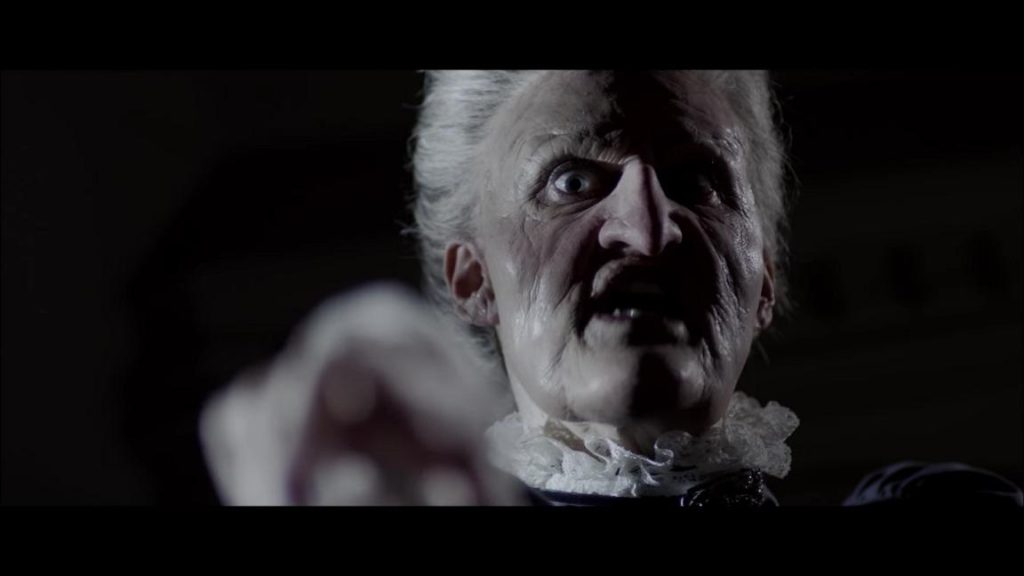
The artistry extends to every frame. There are touches of whimsy amid the terror, like the animated introduction designed by Tillett, or the oil-slick footprints that appear magically across the floor thanks to visual effects by Alex Purcell. Each detail adds to the illusion of a world where shadows have weight and curses are carved into the air.
Suckablood became the jewel in Bloody Cuts’ crown, winning the FilmSkillet International Film Award and amassing hundreds of thousands of views online. It is a perfect distillation of what the collective does best: rich atmosphere, practical imagination, and horror stories that feel both timeless and handcrafted.
Its success also set the stage for what followed — a growing appreciation for short horror as an art form in its own right. Before anthology streaming series became fashionable, Bloody Cuts was already delivering micro-masterpieces to the web, one unsettling bedtime story at a time.
For all its gothic grandeur, Suckablood is ultimately about fear dressed as discipline — a cruel adult’s attempt to control innocence through myth. The fact that the story still unsettles speaks to its effectiveness. It does what the best horror always does: turns morality tales into something far more primal.
So next time someone tells you that childhood comforts are harmless, remember the lesson of Suckablood. Somewhere, in the candle-lit dark, a creature with blood on its teeth is whispering, “Go on, suck your thumb.