Every Halloween Movie Ranked from Worst to Best (Yes, Even Resurrection)
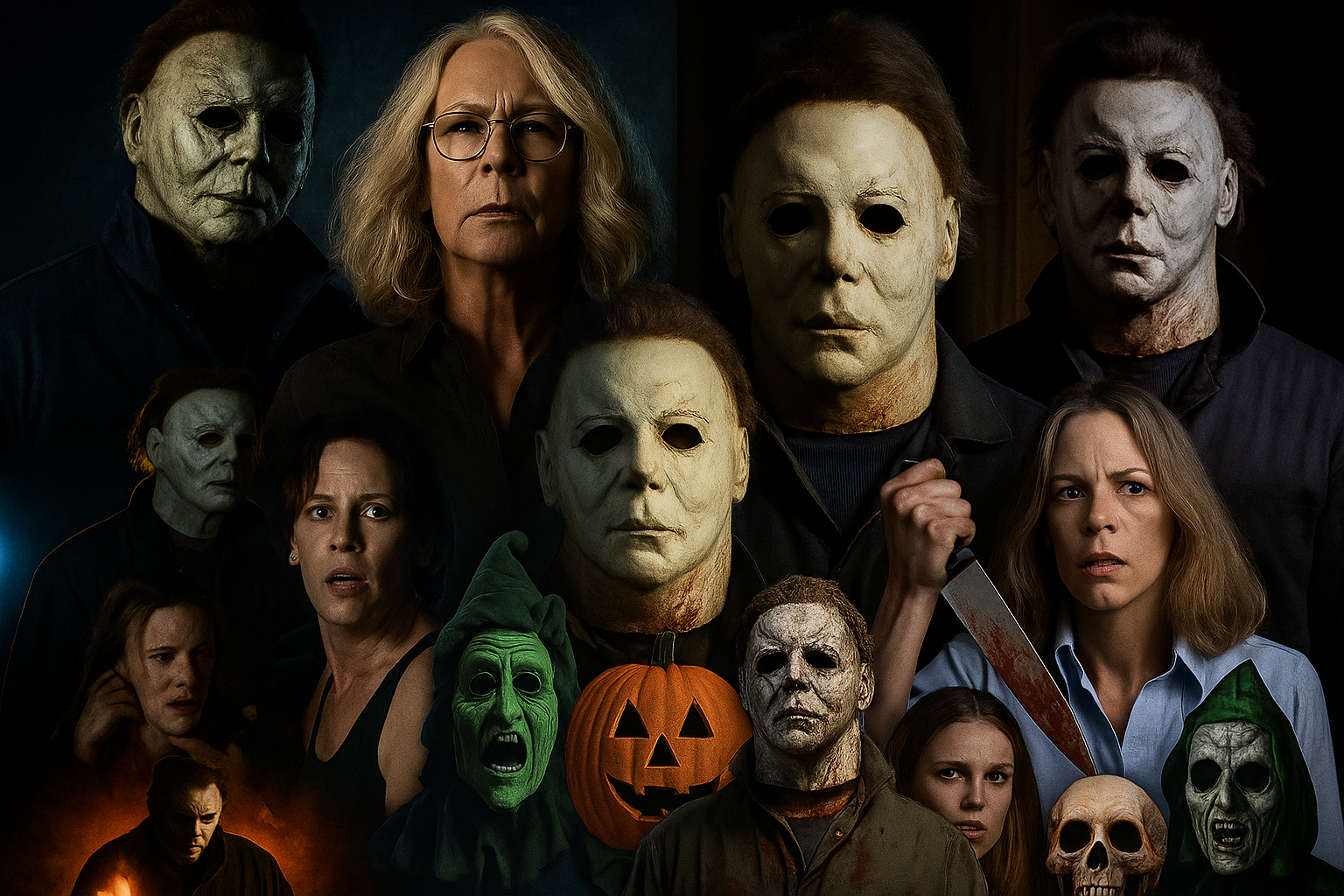
It might not have been the first slasher film ever made, but Halloween (1978) was the one that truly lit the fuse on the genre, setting off a wave of masked killers and final girls that dominated the ’80s—and then got a second wind in the mid-90s, thanks to Scream. John Carpenter’s original is widely considered the gold standard: a masterclass in slow-building tension, chilling atmosphere, and minimalist horror. But let’s be honest—the rest of the series? A bit of a mixed bag. Okay, mostly a bag of butchered timelines, cult magic, reality TV showdowns, and… that scene where Michael Myers has a kung fu fight with Busta Rhymes.
Yet despite all the chaos, the Halloween franchise remains one of horror’s most beloved—and debated—series. And as diehard fans ourselves, we’ve taken it upon us to rank every Halloween film from worst to best (or at least from “oh no” to “pure evil”). Disagree? Feel free to run down to the McKenzies’ and file a complaint. We’ll be here, sharpening our kitchen knives and cueing up the score.
13. Halloween: Resurrection (2002)
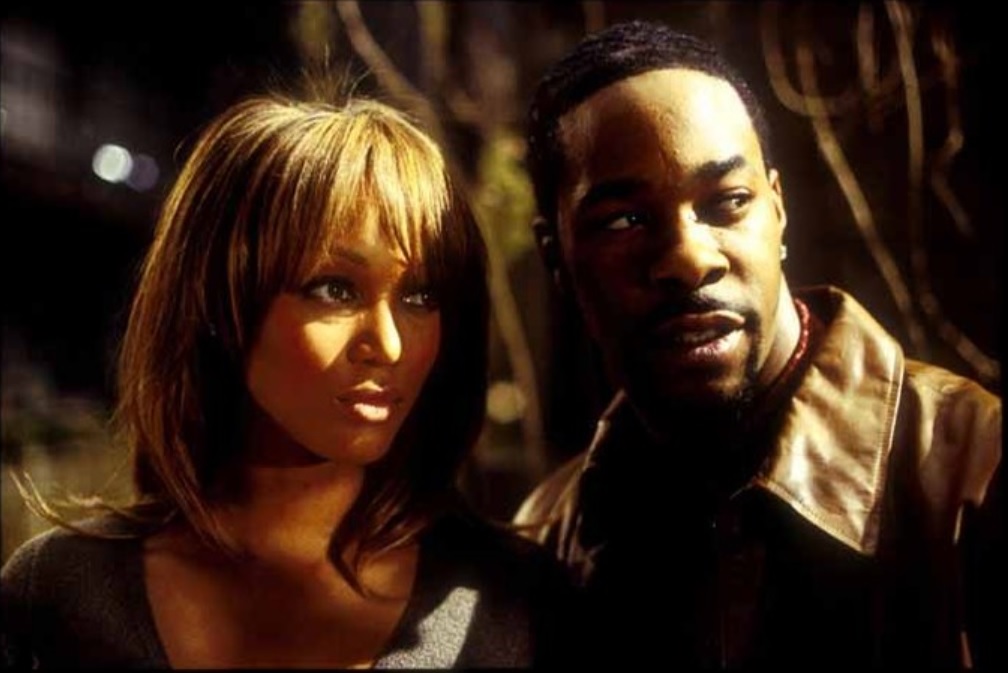
Trick or trash? Definitely trash.
Just when it looked like the Halloween franchise had found its footing again with H20, along came Resurrection to dropkick it straight back into the grave. Literally. In one of the most baffling creative decisions in horror history, the film opens by killing off Laurie Strode—the heart and soul of the series—within the first 10 minutes. And from there? Things somehow get worse.
The plot centres around a reality show set inside the infamous Myers house, where a group of disposable twenty-somethings are dared to spend the night while a fake Michael Myers (yes, an actor in a knock-off mask) “stalks” them for the cameras. That is, until the real Michael shows up and starts making his way through the cast. And just when you think the film couldn’t get more absurd, enter Busta Rhymes, who not only delivers roundhouse kicks to The Shape but does so while shouting “Trick or treat, motherf***er.” Oh, and Tyra Banks is here too, making espresso and providing commentary like she’s hosting America’s Next Top Slasher.
Halloween: Resurrection is a tonal mess, a plot disaster, and an insult to fans who stuck with the series through its ups and downs. This is bottom-of-the-barrel Myers—and it’s not even close.
12. Halloween Ends (2022)
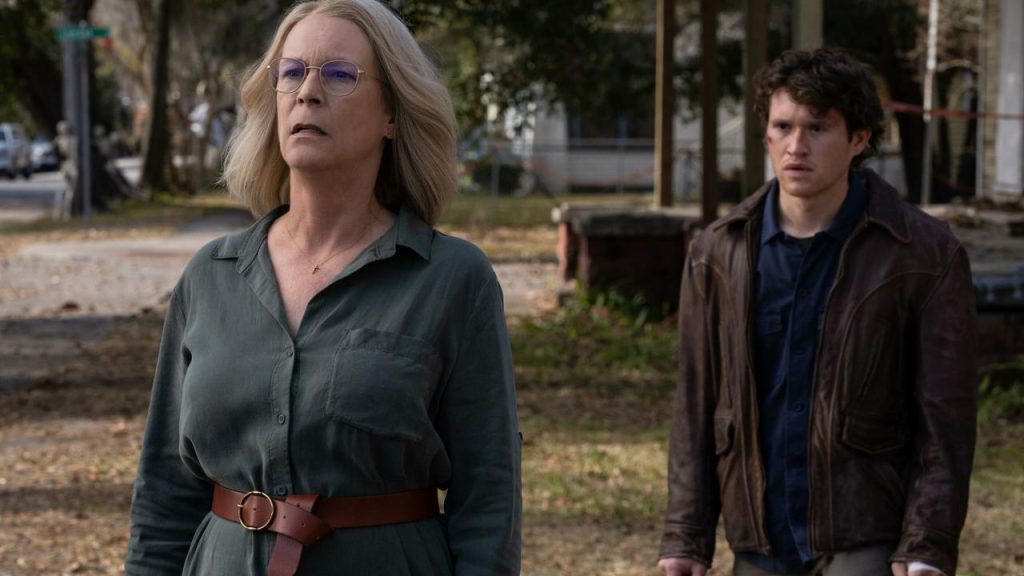
Michael Myers and the Terrible, Horrible, No Good, Very Mild Finale.
Marketed as the final showdown between Laurie Strode and Michael Myers — the climactic battle we’d all been waiting decades for — Halloween Ends instead swerved into baffling territory. What we got was Michael Myers living like a goblin in a sewer and getting manhandled by a socially awkward twenty-something named Corey Cunningham, who then proceeds to pinch the mask and go on his own rampage. Yes, really.
The film’s prologue, set in 2019, introduces us to Corey, a babysitter who accidentally kills the child in his care. Fast forward to 2022 and he’s the town’s scapegoat, cast out by Haddonfield’s residents who are now convinced that evil is contagious and blame Laurie and her granddaughter Allyson for everything that’s gone wrong. It’s an intriguing concept — that the town, still haunted by trauma, starts to implode inwardly — but sadly, the film never fully commits to it.
Instead, we’re forced to follow Corey, a thoroughly unlikeable and unconvincing lead, as the narrative sidelines both Michael and Laurie. And even though Jamie Lee Curtis gets far more screen time here than she did in Halloween Kills, she still feels oddly peripheral — more narrator than participant.
This was meant to be the big send-off. What we got was a muddled character study, an identity crisis of a film, and a finale that tiptoes around the very face-off it promised. A forgettable end to what began as a promising reboot trilogy. Disappointing doesn’t even begin to cover it.
11. Halloween: The Curse of Michael Myers (1995)
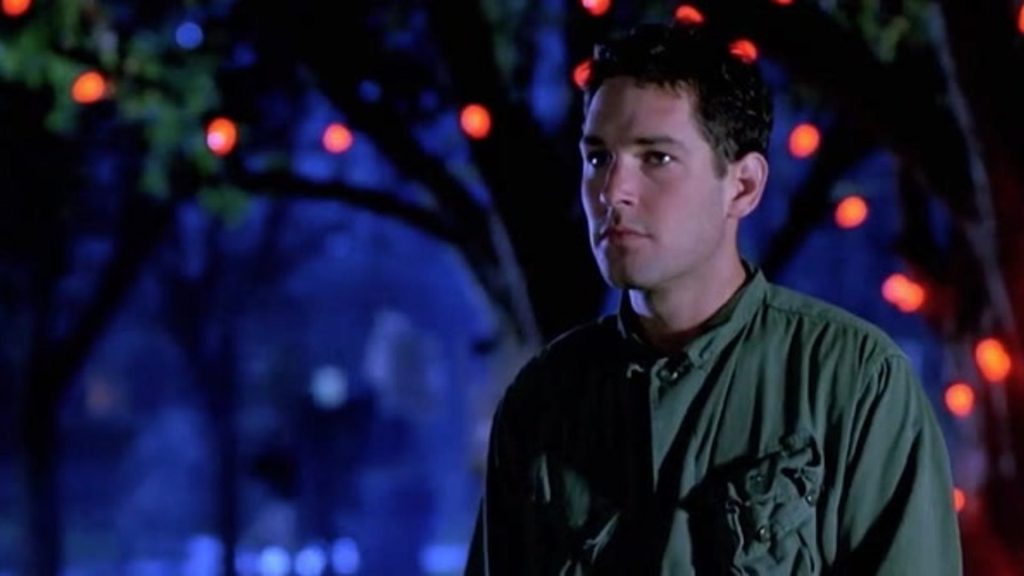
When in doubt, blame the druids.
By the time the mid-90s rolled around, the Halloween franchise had thoroughly lost the plot — quite literally. The Curse of Michael Myers picks up where Halloween 5 left off, which, if you’ll recall, ended with a mysterious figure known only as The Man in Black strolling into Haddonfield and wreaking havoc. Problem was, the filmmakers had no clue who this character actually was or why he was there. So, in true “we’ll make it up as we go” fashion, they doubled down and gave us… cursed druids.
Gone is the chilling ambiguity that made the original Halloween so effective — the terrifying notion that evil can be senseless and motiveless. Instead, we’re told that Michael isn’t evil by nature, but rather the victim of a Samhain-based cult curse that compels him to slaughter his family. Because obviously, ancient runes and blood rituals are what the franchise was missing.
The film is a tonal mess, attempting to be gothic, supernatural, and slasher all at once, and succeeding at none. Even poor Donald Pleasence, in his final outing as Dr. Loomis, looks utterly lost amidst the druid nonsense. And yes, it was also an early role for Paul Rudd, though not even Ant-Man can save this one.
The Curse of Michael Myers tries to give answers to questions no one was really asking — and in doing so, strips the mystery away from one of horror’s most iconic killers. A nonsensical, overcooked entry that managed to make Michael less scary by trying to explain him. A curse indeed.
10. Halloween Kills (2021)
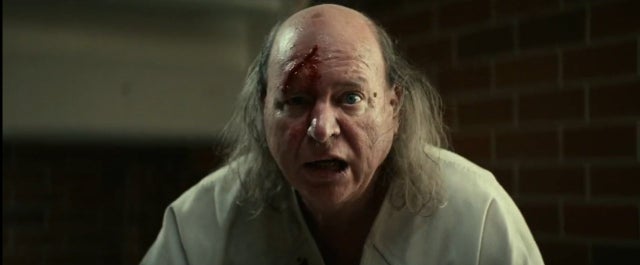
Evil dies tonight! Or maybe next time. Or… eventually.
After the strong return to form with Halloween (2018), expectations were sky-high for the second instalment in the new trilogy. Unfortunately, Halloween Kills landed with a dull thud — a messy, overly chaotic middle chapter that felt like it had no idea where it was going or why it was shouting the whole way there.
Yes, some legacy characters made their return, which could have been a treat. Instead, most are given little to do besides join the film’s central theme: angry mobs shouting slogans in pubs. “Evil dies tonight!” is repeated so many times it starts to sound like the world’s worst political campaign. The mob, in its infinite wisdom, even manages to mistake a terrified, harmless man who looks more like Danny DeVito than Michael Myers, chasing him through a hospital until he tragically jumps from a window. Subtle social commentary this is not.
Meanwhile, Laurie Strode (Jamie Lee Curtis) — the emotional anchor of the series — spends nearly the entire film confined to a hospital bed, rambling, contradicting herself, and ultimately serving little purpose. And then there’s Big John and Little John, a couple now living in the old Myers house, who appear just long enough to be quirky… and then dead.
The film does have its moments — the kills are impressively brutal, and the score still slaps — but the tone is all over the place. Halloween Kills tries to say something about fear, hysteria, and communal trauma. But by the time the credits roll, you’re mostly left wondering why so many people got together to do so very little.
A disappointing detour that promised catharsis but delivered chaos. Shame, really.
9. Halloween 5: The Revenge of Michael Myers
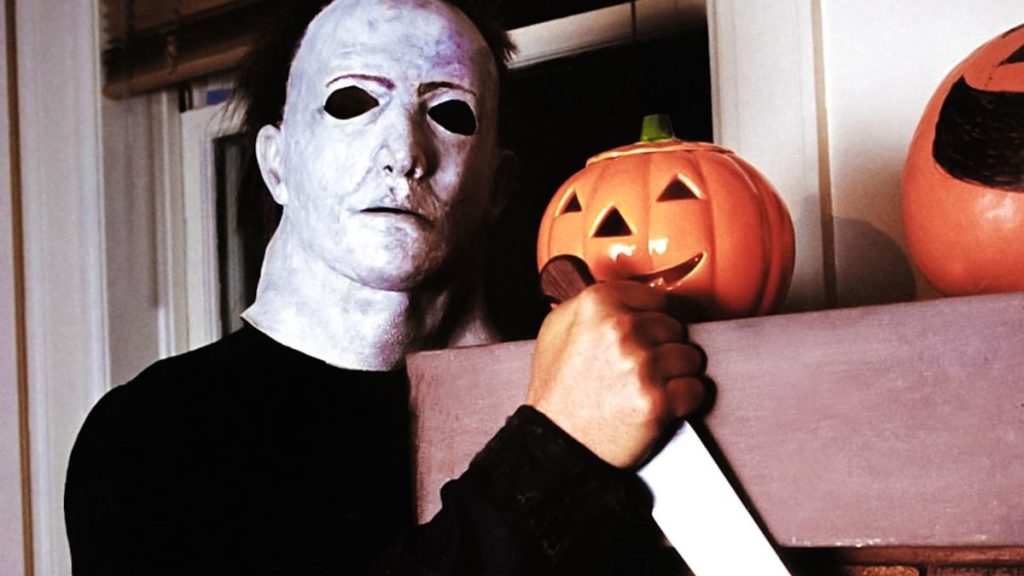
The one with the psychic child, the mute Jamie, and the clownish coppers.
After the surprise success of Halloween 4, which introduced young Jamie Lloyd as Michael’s niece and ended on a brilliantly dark cliffhanger — Jamie seemingly inheriting her uncle’s murderous urges — expectations were high for part five. Sadly, The Revenge of Michael Myers squanders much of that promise almost immediately.
Instead of exploring Jamie as the new killer (which would’ve been a genuinely bold move), the film backs away entirely, rendering her mute and traumatised, locked away in a children’s clinic. Her adopted sister Rachel, who carried the previous film, is unceremoniously bumped off early on, and her screentime is handed to her less-interesting friend Tina, who takes over as the de facto lead. It’s a frustrating bait-and-switch, and one that robs the film of any real emotional continuity.
Director Dominique Othenin-Girard makes some baffling choices throughout — none more egregious than the decision to include cartoon sound effects whenever the local police arrive, turning moments of tension into farce. It’s an odd tonal mismatch that undermines the stakes at every turn.
That said, Halloween 5 isn’t without its moments. The scene with Jamie hiding inside a laundry chute as Michael stalks her remains genuinely suspenseful and well-crafted, and Donald Pleasence’s ever-unhinged Dr. Loomis is still giving it 110% (possibly too much, at times).
In the end, it’s a middling sequel. There are flashes of brilliance, but they’re buried under strange creative detours and missed opportunities. It could have been a bold follow-up. Instead, it plays it safe… and a little silly.
8. Halloween II (2009)
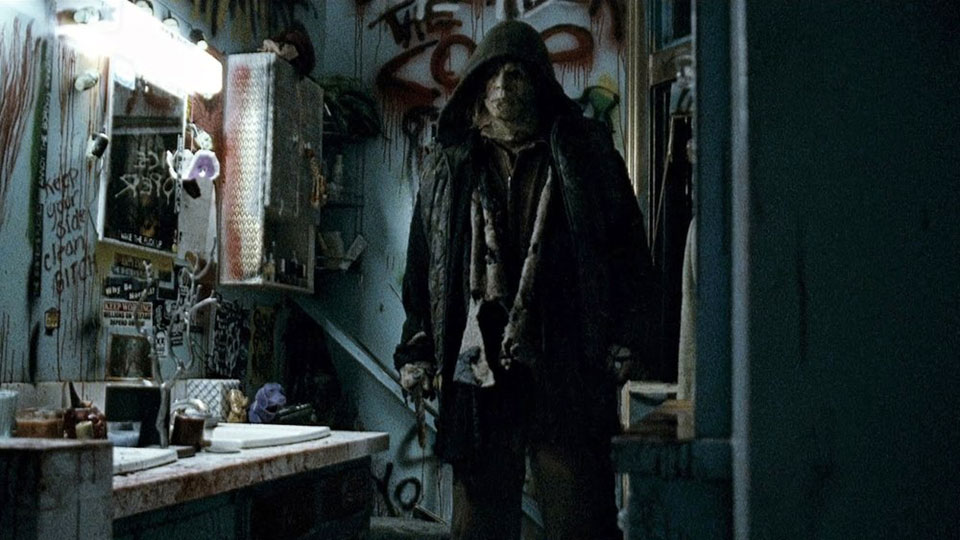
Brutal, bonkers, and occasionally baffling — but not the disaster many claim.
Rob Zombie’s second stab at the Halloween saga was met with widespread derision on release, and to this day it’s often cited as one of the most divisive entries in the franchise. But here’s the thing: it’s not nearly as bad as people make out.
Yes, it begins in a hospital and seems to be following the blueprint of the original Halloween II from 1981 — until Zombie pulls the rug out with a classic (and rather tired) “it was all a dream” twist. From there, the film becomes less a slasher and more a fever-dream descent into trauma and madness, complete with ghostly visions of Michael’s mother and a white horse that would feel more at home in a Tool music video than a Halloween sequel.
Still, for all its narrative weirdness, Halloween II is a technically impressive film. The direction is stylish, the violence is brutal and unrelenting, and the atmosphere is relentlessly grim. It’s far more of a psychological horror than a traditional slasher, and while that won’t be everyone’s cup of tea, it does give the film a distinct identity.
Is it rewatchable? Not particularly. It’s intense, unpleasant, and drenched in misery — but at least it commits to that vision. Compared to the entries that came before it (Resurrection, we’re still looking at you), it feels like a swing rather than a stumble. A strange, angry, slightly confused swing, but a swing nonetheless.
One viewing might be enough — but there’s no denying Halloween II (2009) is a fascinating, if flawed, oddity in the Myers mythos.
7. Halloween (2007)
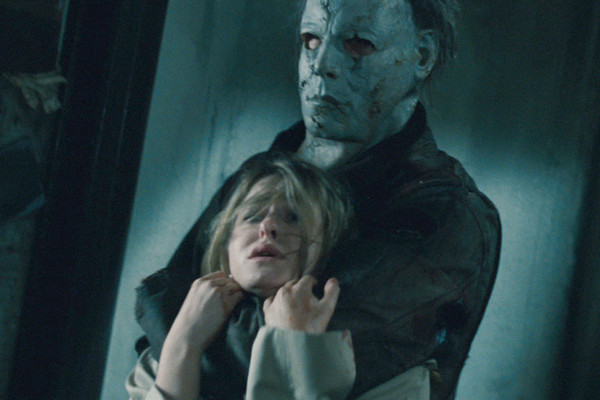
A brutal reboot with bite, muscle, and just a touch too much backstory.
After the flaming bin fire that was Halloween: Resurrection (yes, we’re still talking about it), the franchise had officially run out of steam. The solution? A full-blown reboot — this time handed to Rob Zombie, fresh off the gory chaos of House of 1000 Corpses. And to be fair, at the time, it felt like a breath of fresh, blood-soaked air.
Zombie took the bare bones of Carpenter’s classic and reimagined it through his own grungy, nihilistic lens. Where the original spent five eerie minutes showing young Michael Myers murder his sister in chilling silence, this version stretches it out to half a film, giving us an extended deep-dive into Michael’s traumatic upbringing. Gone is the mysterious child who simply snapped one day; now we have a bullied, abused boy from a dysfunctional household complete with an alcoholic stepfather, a stripper mother, and relentless school bullies. It’s not subtle — but then, nothing in a Rob Zombie film ever is.
When Michael finally becomes an adult (now portrayed by the towering Tyler Mane), he’s not the faceless embodiment of evil — he’s a seven-foot slab of rage, and frankly, he’s terrifying. The kills are graphic, the tone is relentlessly grim, and the entire thing pulses with a nastiness that had been missing from the franchise for years. On a visceral level, it works. This is easily one of the most brutal and intense entries in the series.
However, where it falls down is in its reconstruction of the mythos. By giving Michael a tragic backstory, Zombie inadvertently dilutes the fear factor. Part of what made the original so effective was the idea that Michael was simply born evil — no trauma, no reasoning, just something inherently wrong. Here, he’s more a product of his environment, which, while realistic, makes him feel more explained than unsettling.
And, of course, no Rob Zombie film would be complete without a role for his wife Sheri Moon Zombie — this time as Michael’s mother. Yes, Rob, we know you love her, but not every project requires her inclusion. Still, she’s perfectly fine in the role, even if it leans more emotional than necessary in a film about a masked man stabbing teenagers.
All in all, Halloween (2007) is a solid reboot — mean-spirited, uncompromising, and very much its own beast. It may stray from the simplicity that made the original so iconic, but for sheer force and style, it’s hard to ignore. Not quite a classic, but certainly a course correction.
6. Halloween 4: The Return of Michael Myers (1988)
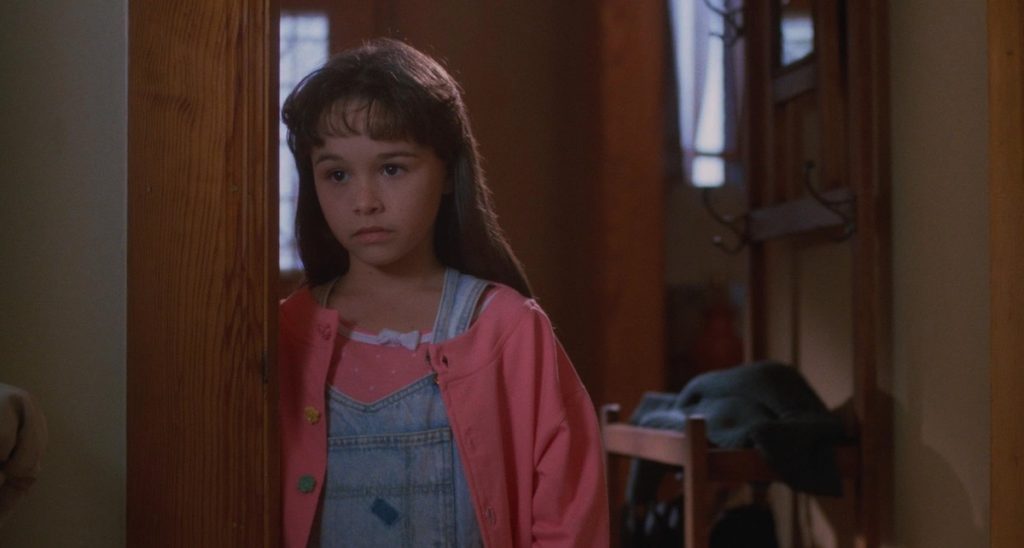
Michael’s back… just in time for everyone to be a bit tired of slashers.
After the curveball that was Halloween III: Season of the Witch (we’ll get to that wonderfully odd gem soon), fans made their demands painfully clear: bring back Michael Myers or prepare for a riot. And so, in 1988 — when the slasher genre was already wheezing under the weight of too many sequels and Freddy Krueger was busy turning into a cartoon character — Halloween 4 reintroduced The Shape to a cinema landscape that had already seen it all. Still, it made a decent stab at it.
The story goes that Laurie Strode is dead (rude), but she’s left behind a daughter, Jamie Lloyd, who’s now being raised by a foster family in Haddonfield. Naturally, this is all the incentive Michael Myers needs to wake up from his decade-long coma and escape from yet another medical facility, murdering his way across Illinois in the hopes of completing the family bloodline cull.
Cue a town full of clueless cops, worried locals, and the return of Dr. Loomis, who is now more unhinged than ever and spending most of the film shouting about evil with a face like he’s constantly smelling burnt toast. But honestly, Donald Pleasence somehow makes it work. Again.
Despite its flaws, Halloween 4 is a relatively grounded slasher with a few memorable set-pieces. The climax inside the sheriff’s house — with the electricity cut, shadows everywhere, and Michael stalking his prey upstairs — remains one of the tensest sequences in the series. And yes, the sheriff’s daughter may be more known for her wardrobe (or lack thereof) than her plot relevance, but credit where it’s due: at least she dies with a scream.
Of course, the real legacy here is the introduction of Danielle Harris as Jamie Lloyd — a genuinely strong child performance in a genre not known for its subtlety. Harris carries the film with wide-eyed terror and surprisingly convincing emotion, especially in the final moments. Speaking of which, that ending twist — where little Jamie dons a clown costume and repeats her uncle’s first on-screen kill — is one of the best rug-pulls the series has ever attempted. It promised bold things for the franchise… before Halloween 5 came along and said, “Nah, let’s not.”
As a whole, Halloween 4 plays it relatively safe, but there’s a certain late-‘80s charm to its practical gore, foggy streets, and synth-heavy score. It’s not the best Halloween film by any stretch, and arguably, Rob Zombie’s reboot delivers more technical finesse. But Return of Michael Myers earns its spot through nostalgia, decent pacing, and the sense that the franchise was — however briefly — back on track.
5. Halloween (2018)
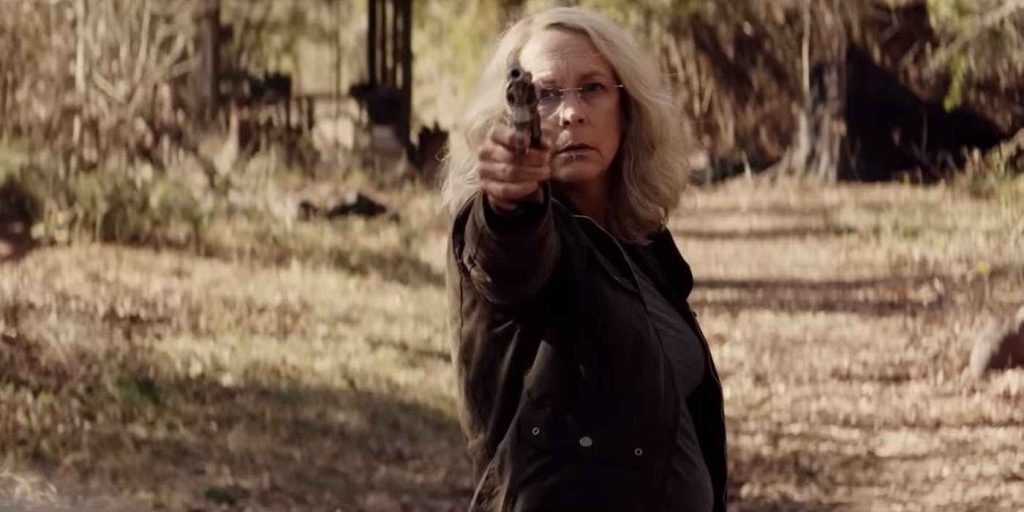
Forty years later… and he’s still not dead. But at least the franchise came back swinging.
After Halloween II (2009) left fans more traumatised than entertained and the proposed Halloween 3D quietly vanished into the fog, the franchise found itself in limbo. Then, out of nowhere, came the announcement: Danny McBride and David Gordon Green — two blokes best known for stoner comedies — were taking the reins for a brand new Halloween film. Cue horror fans everywhere going, “Sorry, who?”
Expectations were low… until the big bombshell dropped: Jamie Lee Curtis was returning as Laurie Strode, forty years after her first brush with The Shape. Cue the second wave of confusion: “Didn’t she die? Twice?” Well, yes — once off-screen between Halloween II and Halloween 4, and again very much on-screen in Resurrection. But not to worry, the new filmmakers simply said, “Forget all that.” This film would be a direct sequel to the original 1978 classic, and nothing else counted.
So here we are: it’s 2018, and Laurie Strode is a gun-toting recluse, living alone in a booby-trapped bunker disguised as a farmhouse, waiting for Michael Myers to escape (again). She’s estranged from her daughter and somewhat unhinged — a woman shaped entirely by one traumatic night four decades earlier. Though if we’re being honest, it’s hard not to raise an eyebrow at the logic. She was only attacked by Michael for a few hours on one Halloween night — and now she’s spent forty years building panic rooms, creating mannequins to shoot at, and becoming a survivalist. She’s also somehow managed to have a child and a granddaughter in the meantime, despite living like someone auditioning for Doomsday Preppers.
Plot-wise, things roll out in familiar fashion. A pair of nosy podcasting journalists attempt to interview both Laurie and Michael (currently housed in the most scenic psychiatric facility known to man). Of course, because it’s a Halloween film, Michael is due for a transfer — and because it’s a Halloween film, that transfer naturally happens on Halloween night. Predictably, it goes wrong.
Michael escapes, gets his mask back, and begins his usual routine of carving his way through Haddonfield’s finest (and dumbest). One scene involving a bathroom stall and a dropped set of teeth remains particularly wince-inducing — a reminder that, despite the new polish, this is still a brutal slasher at heart.
Meanwhile, Laurie is locked and loaded, ready to settle the score. She’s not quite Sarah Connor, but she’s certainly not the timid babysitter anymore. The final act is a cat-and-mouse showdown inside Laurie’s death-trap home — a tense, satisfying reversal where she is now the predator, and Michael the hunted.
There are a few odd tonal shifts along the way. One in particular: a wisecracking child, seemingly plucked from a completely different film, who quips and jokes mid-attack. He’s funny, but tonally he feels about as in place as a balloon animal at a funeral.
Still, Halloween (2018) manages something special. It’s both a tribute to the original and a clever reinvention. It restores Michael’s menace, gives Laurie real agency, and brings the franchise back from the dead with unexpected confidence. The cinematography is slick, the score (updated by John Carpenter himself) is excellent, and the pacing rarely drags.
Is it perfect? No. The logic surrounding Laurie’s post-traumatic hermit lifestyle is questionable at best, and there’s the small matter of its two increasingly disastrous sequels (Halloween Kills and Ends), which undid much of this film’s goodwill.
But taken on its own, Halloween (2018) is a solid slasher revival — sharp, suspenseful, and respectful of its roots. It might not reinvent the wheel, but it spins it with style.
4. Halloween H20: Twenty Years Later (1998)
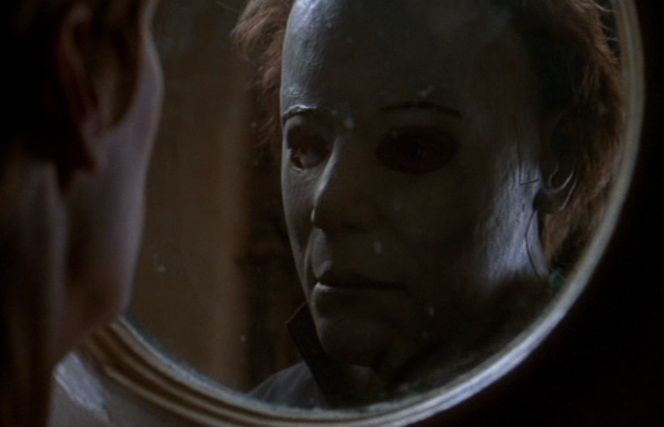
The one where Laurie finally picks up an axe and grows a backbone — and we all cheered.
After the tangled druid nonsense of The Curse of Michael Myers, the franchise found itself limping along with no clear direction. Enter Halloween H20, a sleek, late-‘90s course correction that did the only sensible thing: ignore the past few films entirely. In what would become a recurring tradition for the series, the slate was wiped clean — this time, with the events of Halloween and Halloween II as the only canon.
Riding high on the back of Scream and I Know What You Did Last Summer, H20 arrived with a fresh, modern slasher polish. It was glossy, it was meta, and somehow, against all odds, it brought back Jamie Lee Curtis as Laurie Strode. Yes, she was still Michael Myers’ sister (because this timeline said so), but now going by a new name and working as the headmistress of a fancy boarding school in California. You’d think after twenty years she might have moved on with her life, but no — Laurie is now a functioning alcoholic haunted by trauma and having visions of her masked brother. Therapy clearly wasn’t on the cards.
She’s not alone, though. Her son — played by a baby-faced Josh Hartnett in his big screen debut — attends the very school she runs, and he’s had enough of mum’s doomsday paranoia. He wanted to go on a school trip, she said no, so he does what any hormonally-charged teen in a slasher flick would do: stay behind with his girlfriend (Michelle Williams, pre-Oscar-nods, post-Dawson’s Creek), a mate, and a girl who is definitely far too attractive to be dating the kid from Jumanji. Cue unsupervised drinking, hormonal tension, and — of course — Michael Myers showing up for the reunion.
After breaking into a deceased Dr. Loomis’ old home (bless him), Michael kills a young Joseph Gordon-Levitt with an ice skate to the face — setting the tone nicely — and heads off to finish the job he started two decades ago. What follows is a classic cat-and-mouse stalker sequence set on the eerily quiet school campus. Doors are locked, power is cut, and people are picked off one by one.
And yes, LL Cool J is here, because it was the late ‘90s and putting rappers in horror films was apparently mandatory. Thankfully, he’s weirdly likeable — writing erotic fiction between security rounds and offering a bit of light relief without ever crossing into Busta Rhymes territory. He’s actually a highlight. No kung fu kicks. No “trick or treat, mother—”. Just decent comic timing and solid side-character energy.
The film clocks in at just under 90 minutes, making it the shortest entry in the series — but also one of the most efficient. There’s little filler, the kills are satisfying, and Laurie finally stops running and takes the fight to Michael. The final act, where she grabs an axe and goes full Final Girl 2.0, is genuinely satisfying and still one of the most empowering moments in the franchise. It felt, at the time, like a proper ending.
Of course, Resurrection came along and undid all of that… but let’s not spoil things.
Stylish, tightly paced, and driven by a genuinely committed Jamie Lee Curtis performance, Halloween H20 manages to balance nostalgia, teen-slasher energy, and real stakes. It might feel very 1998 in places, but that’s part of its charm. It’s slick, fun, and exactly what the franchise needed at the time.
3. Halloween III: Season of the Witch (1982)
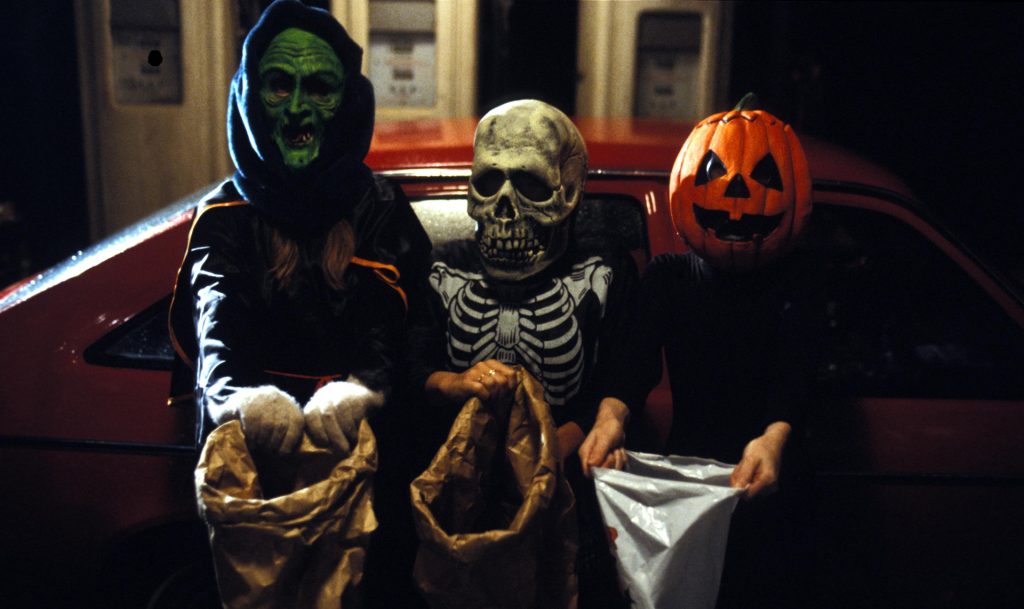
No Michael. No Laurie. No mercy. And somehow… it’s brilliant.
Yes, we can already hear the collective gasp. “Season of the Witch in the top three? Have they gone mad?” But hear us out — and no, we’re not joking. Halloween III might have been hated at the time, but decades later it’s grown into a glorious cult oddity. And in our opinion, it’s better than most of the actual Michael Myers sequels.
Here’s the thing: after Halloween II, the producers had an idea. Rather than churn out endless Myers-based sequels, they’d turn Halloween into an anthology series, each film telling a different horror story set around the spooky season. A brilliant concept… that unfortunately backfired immediately when fans turned up to Season of the Witch expecting The Shape and instead got a mad Irish toymaker, robot assassins, and a deadly mask-based conspiracy involving Stonehenge. Yes, really.
The plot follows Dr Daniel Challis (played with moustachioed gusto by Tom Atkins), a boozy, womanising doctor who becomes entangled in a mystery after one of his patients is murdered in hospital by a man who later sets himself on fire. The only clue? A Silver Shamrock Halloween mask clutched in the victim’s hand. Teaming up with the victim’s daughter, Challis begins to investigate the Silver Shamrock Novelties company, run by the deeply suspicious Conal Cochran — who may or may not be planning to murder every child in America with a combination of science, witchcraft, and Celtic magic.
It turns out Silver Shamrock has embedded chips made from Stonehenge into its masks — a witch, a skull, and a pumpkin — and plans to activate them on Halloween night using a seizure-inducing TV broadcast that melts children’s faces into snakes and insects. And you thought your childhood was traumatising.
Admittedly, it’s completely bonkers. The plot makes less sense the more you try to explain it, and yes, Michael Myers does not appear (except briefly on a television screen as part of an in-universe film advert). But what Halloween III lacks in babysitter-stalking, it makes up for in atmosphere, originality, and sheer audacity.
The synth score by John Carpenter and Alan Howarth is genuinely brilliant — a pulsing, moody soundtrack that fits the film’s creepy tone perfectly. The infamous Silver Shamrock jingle, a twisted take on “London Bridge Is Falling Down,” will haunt your dreams in the best way. The kills are inventive, the tension is thick, and there’s a strange, almost sci-fi eeriness to the whole affair.
In many ways, Season of the Witch was simply ahead of its time. If this had been released under a different title — say, Mask of Death or The Samhain Experiment — it may well have gone down as a cult horror classic in its own right. But slap the Halloween name on it and people expected Myers, a knife, and some heavy breathing.
Thankfully, time has been kind. The film has since been reevaluated by horror fans who’ve come to appreciate it on its own mad merits. It’s weird, it’s wild, and it’s absolutely bursting with creativity and dread — something sorely missing from many of the more by-the-numbers sequels.
So, no — we’re not ashamed. Halloween III isn’t just a bold experiment; it’s one of the best Halloween films full stop. Want to enjoy Halloween night without another round of stalking and slashing? Put this on and embrace the mayhem. Just don’t forget your mask.
2. Halloween II (1981)
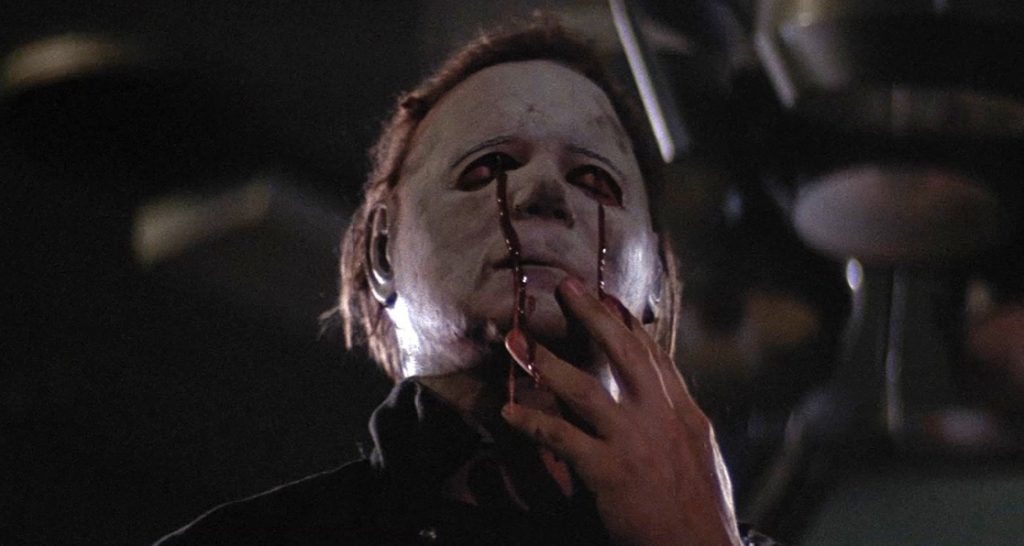
He was shot six times, but don’t worry — he’s absolutely fine.
After Halloween (1978) became a runaway success, producer Moustapha Akkad understandably wanted more. The problem? John Carpenter didn’t. At least, not initially. Unsure how to follow up his minimalist masterpiece, Carpenter eventually sat down — allegedly with a six-pack and a bit of frustration — and knocked out a script that would become Halloween II. And to its credit, it’s a worthy continuation… if not quite a worthy equal.
Picking up immediately where the first film left off, Halloween II is set on the very same blood-soaked Halloween night. After being shot six times by Dr. Loomis (delivered in Donald Pleasence’s legendary, shouty intonation), Michael Myers gets up, brushes it off like a stubbed toe, and calmly resumes his night’s work. Laurie Strode, now in hospital recovering from her injuries, finds herself pursued once again by Haddonfield’s most persistent trick-or-treater.
This time, the setting shifts to a largely empty hospital, which seems to be staffed by roughly five people — most of whom are there purely to be killed in increasingly inventive ways. Myers stalks through corridors like a silent shark, dispatching nurses and doctors with scalpels, syringes, and, in one particularly memorable case, a scalding hot tub. (The scene where a nurse gets her face boiled off while a randy medic has no idea what’s happening behind him remains one of the series’ most iconic deaths.)
One of the major additions to the lore is Carpenter’s somewhat reluctant decision to make Laurie Michael’s secret sister — a twist he later admitted was written under pressure and never fully satisfied him. But fans embraced it, and the idea stuck around for several sequels (until it was unceremoniously dumped again in 2018). The sibling reveal changes the tone of the chase — it’s no longer random. It’s personal.
Tonally, however, this is a very different beast from its predecessor. Where Halloween (1978) was a slow-burning masterclass in suspense, Halloween II leans into the gore and body count, clearly influenced by the rising tide of more visceral slashers like Friday the 13th. Michael goes from mysterious shape to unstoppable machine — less ghostly, more Terminator. And while it loses some of the eerie subtlety, it makes up for it with sheer, crowd-pleasing carnage.
Donald Pleasence returns as Dr. Loomis, still wild-eyed, still chain-smoking, and still delivering every line like the fate of the universe depends on it. He spends most of the film shouting at police officers, waving guns about, and insisting that Myers is “pure evil” — and frankly, the film is better for it. Loomis’ manic energy is the perfect foil to Michael’s silent menace.
The final act escalates with explosions, gunfire, and fire — a literal blaze of glory in which Loomis seemingly sacrifices himself to destroy Michael once and for all. Of course, that didn’t quite stick, but at the time, it felt like a fitting end.
So why place it second? Not because it’s flawless — it isn’t. It’s more brutal, less elegant, and arguably over-explains what made the original so effective. But for sheer nostalgia, its iconic deaths, Carpenter’s still-haunting score, and giving audiences one last ride with Laurie and Michael (for a while, at least), Halloween II earns its spot near the top.
If we were feeling particularly brave, we might have ranked it below H20 or even Season of the Witch. But sometimes you’ve got to respect the classics — and this one, dodgy plot turns and all, is a slasher sequel done right.
1. Halloween (1978)
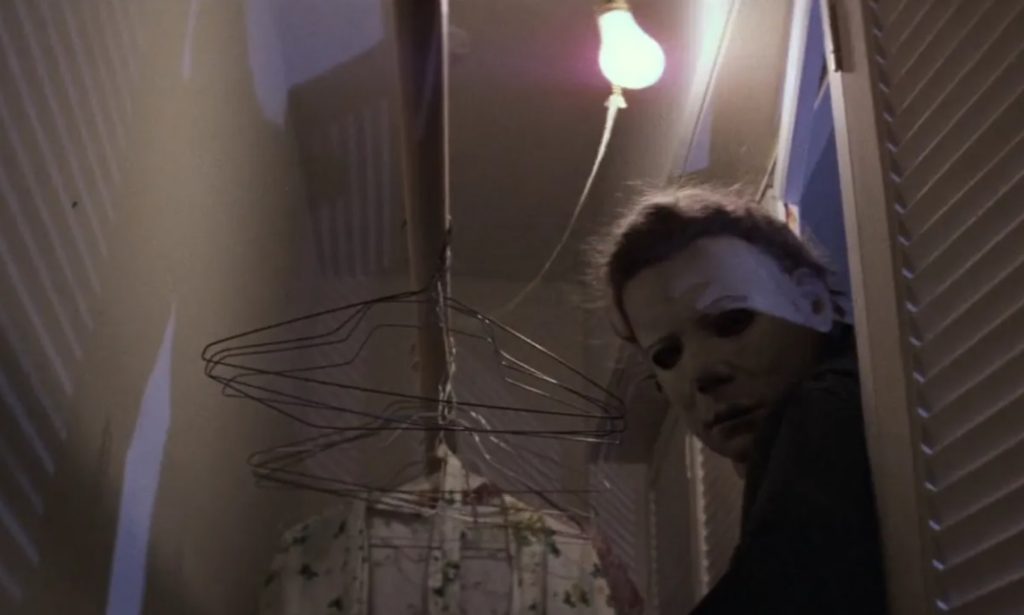
The one that started it all. The Shape. The scream. The slasher.
Could it have been anything else? Honestly — no chance. The original Halloween isn’t just the best in the series, it’s arguably the greatest slasher film ever made. Everything that followed — every masked killer, every stalked babysitter, every closet door creaking open to reveal a knife-wielding maniac — owes something to this film. John Carpenter’s low-budget marvel changed the face of horror, and over four decades later, it still holds up as a masterclass in suspense, simplicity, and style.
The film began life as a modest idea: The Babysitter Murders. But when Carpenter was told he could direct the film as long as it was based around Halloween night, he ran with it — quite literally creating a modern myth. With a tiny budget (rumoured to be around $300,000), Carpenter had to make every shot, every sound, every leaf count. They filmed in sunny California, painted leaves brown to make it look like autumn, and reused the same leaves from scene to scene. True story: Robert Englund, future Freddy Krueger himself, helped shovel those very leaves.
The iconic mask? No fancy studio design. They bought a cheap William Shatner mask, widened the eye holes, painted it ghostly white, and accidentally created one of cinema’s most terrifying images. Sometimes, greatness is born out of necessity.
The plot is deceptively simple. A six-year-old boy, Michael Myers, murders his sister on Halloween night in 1963. Fifteen years later, he escapes from a psychiatric hospital and returns to his hometown of Haddonfield, Illinois, to kill again. His target: Laurie Strode, a bookish, quietly resilient teenage girl played by Jamie Lee Curtis in her film debut. (Yes, she’s Janet Leigh’s daughter, and yes, we fully support this particular bit of nepotism.)
Laurie spends her Halloween night babysitting, unaware she’s being stalked by a silent, masked killer. Meanwhile, Michael’s psychiatrist, Dr. Sam Loomis (the magnificent Donald Pleasence), frantically tries to warn anyone who’ll listen that evil has come home. The sheriff doesn’t take him seriously, of course, because no one ever does in horror films.
The brilliance of Halloween lies in its restraint. Carpenter builds suspense with long takes, clever framing, and that unforgettable synth score — composed by the man himself — which pulses like a heartbeat and never lets up. There’s almost no blood, barely any gore, and yet it’s scarier than any number of splatterfests. The Shape, as Michael is credited, moves with eerie calm, his blank mask and silent approach making him feel less like a man and more like a force of nature.
Debra Hill, Carpenter’s co-writer and producer, deserves major credit too. She brought authenticity to the teenage characters, writing much of the dialogue for Laurie and her friends, making them feel like real people rather than just body count. That relatability is part of what makes their deaths — particularly the infamous sheet-ghost scene — so effective.
It also set the rules for slashers to come: have sex, drink, or smoke, and you’re probably not making it to the end credits. Laurie, the one who stays responsible and alert, becomes the blueprint for the “final girl” — a term that didn’t exist at the time, but would soon become horror gospel.
And let’s not forget the ending — a seemingly defeated Michael vanishing from the lawn, leaving behind only his breathing and Carpenter’s score. It’s chilling. It’s perfect. It’s Halloween.
The film was a box office sensation, grossing over $70 million worldwide and becoming the most profitable independent film of its time. But more than that, it became a cultural touchstone, spawning countless imitators, sequels, reboots, and remakes — some good, many not — but none able to recapture the purity of the original.
Simply put, Halloween (1978) is a timeless horror classic. Rewatchable, iconic, and terrifying in its simplicity. It’s not just number one on this list — it’s number one in our hearts, and likely always will be.