Where Have All The French Extremity Films Gone?
There was a glorious, blood-soaked moment in the early 2000s when French cinema collectively decided that horror should make you question your sanity. The movement, later dubbed New French Extremity, hit the world like a beautifully deranged fever dream. These were not your standard jump-scare slashers or polite ghost stories. No, these films were made to test your endurance, your morality, and occasionally your lunch.
At its height, the French Extremity wave was unstoppable. It felt like every few months, another director crawled out of the Parisian catacombs clutching a camera and a vendetta against the squeamish. The results were films that were violent, erotic, philosophical, and sometimes all three within the same scene.
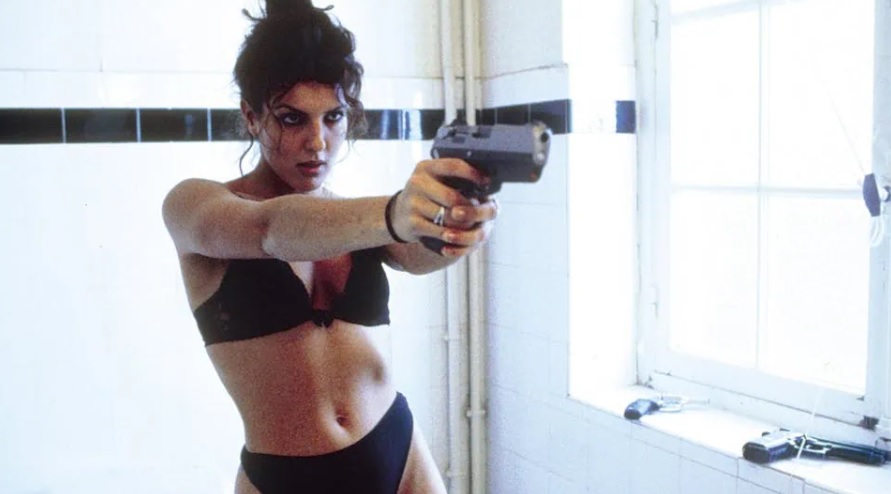
It arguably began bubbling in the late nineties, but by the time we reached the millennium, the floodgates opened. Baise-Moi arrived in 2000 and immediately caused chaos. Co-directed by Virginie Despentes and Coralie Trinh Thi, it told the story of two women taking revenge after suffering brutal assaults. It was part exploitation, part manifesto, part cinematic middle finger. The film was banned, protested, and yet impossible to ignore.
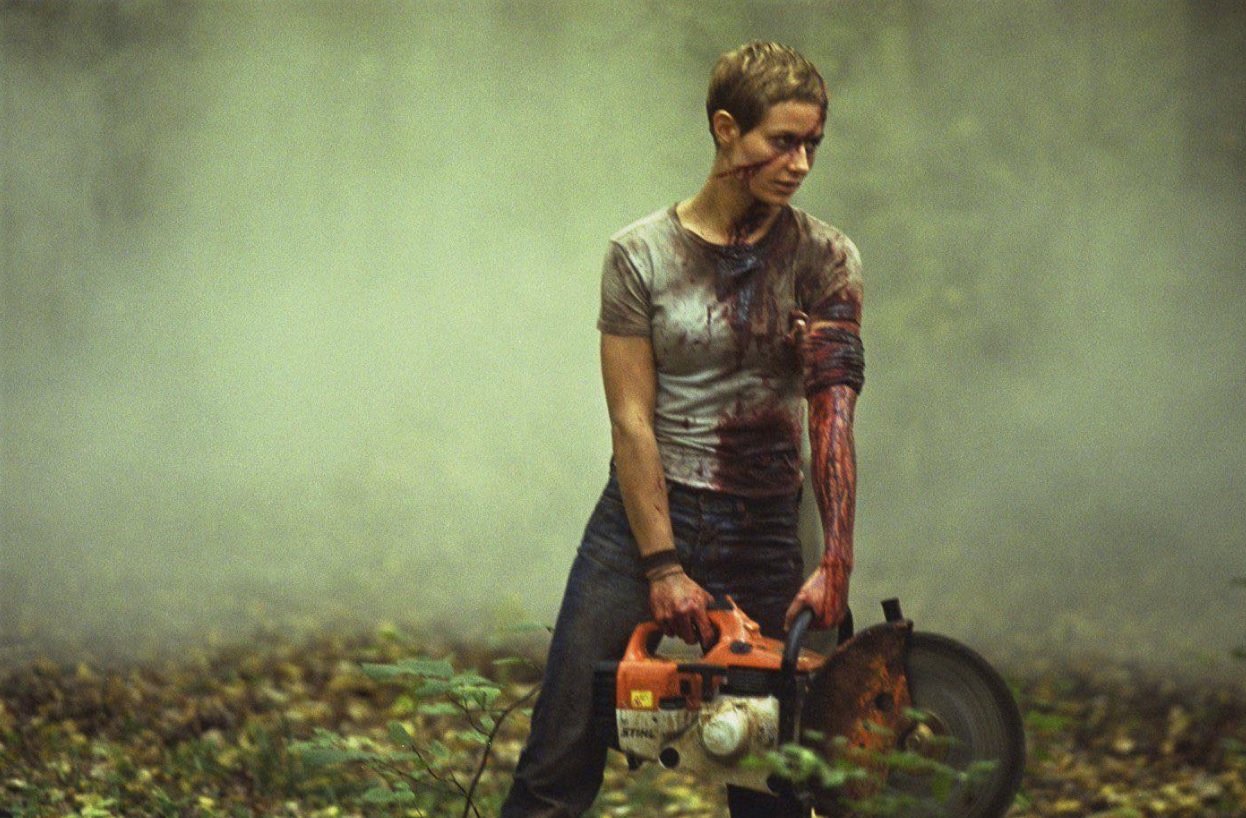
Then came High Tension in 2003, a furious slasher from Alexandre Aja that felt like a waking nightmare. It mixed relentless gore with a nasty psychological twist that left audiences stunned and critics divided. Aja later crossed the Atlantic to direct The Hills Have Eyes remake and Crawl, but his early work remains the blueprint for high-intensity horror.
Meanwhile, director Claire Denis delivered Trouble Every Day, an erotic, cannibalistic study of desire and destruction that critics did not know what to do with. Gaspar Noé followed with Irreversible, which is still one of the most harrowing experiences you can have in a cinema without being physically assaulted. His chaotic structure, unflinching brutality, and camera that refused to sit still made the film infamous, and somehow also deeply artistic.
In 2007, Julien Maury and Alexandre Bustillo gifted us Inside, a home invasion film so disturbing that even the most jaded horror fans had to take a breather. It combined surgical precision, emotional trauma, and gallons of fake blood to create something unforgettable. A year later, Pascal Laugier delivered Martyrs, a film so punishing and profound it might be the crown jewel of the movement. It was less about torture and more about transcendence, asking big questions about suffering, faith, and the human obsession with meaning. Many have tried to replicate its impact since, but Martyrs remains untouchable.
For a while, the French Extremity wave seemed unstoppable. Between 2000 and 2010, you could count on France to deliver something beautiful, horrifying, and existential every year. Then, slowly, it faded. The world turned to found-footage ghosts, zombies with moral messages, and A24 slow burns about grief. The French, who had once been the cinematic troublemakers of Europe, went quiet.
But not completely silent. In the last decade, traces of that anarchic energy have returned in smaller bursts. Julia Ducournau’s Raw in 2016 reignited international attention. The story of a vegetarian student who develops a taste for human flesh, it combined coming-of-age drama with body horror in a way that made audiences faint at film festivals. Ducournau followed it with Titane in 2021, which somehow topped it — a metallic, gender-bending, car-loving fever dream that won the Palme d’Or at Cannes. Her work may not fit the strict definition of New French Extremity, but it carries the same DNA: fearless, grotesque, and emotionally raw.
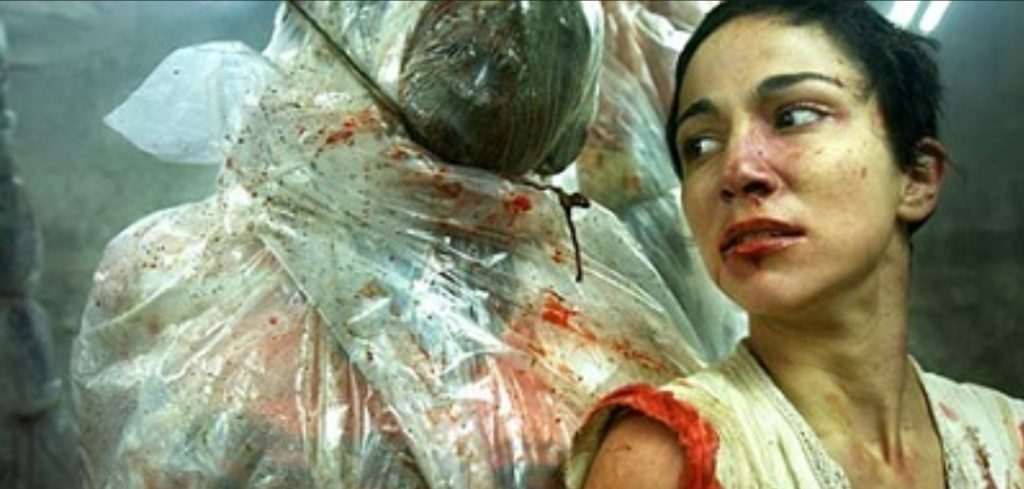
Films like Coralie Fargeat’s Revenge in 2017 also kept the spirit alive. Fargeat turned the rape-revenge formula on its head, delivering a slick, neon nightmare where every drop of blood felt deliberate and empowering. More recently, The Deep House (2021) from Bustillo and Maury proved that even underwater, French horror filmmakers can find new ways to make you squirm.
So where did all the French Extremity films go? In truth, the movement evolved rather than disappeared. The directors grew up, moved into different genres, or found subtler ways to disturb us. The raw intensity that once defined the era now lives on in international cinema, inspiring filmmakers from Indonesia to Argentina to push their limits.
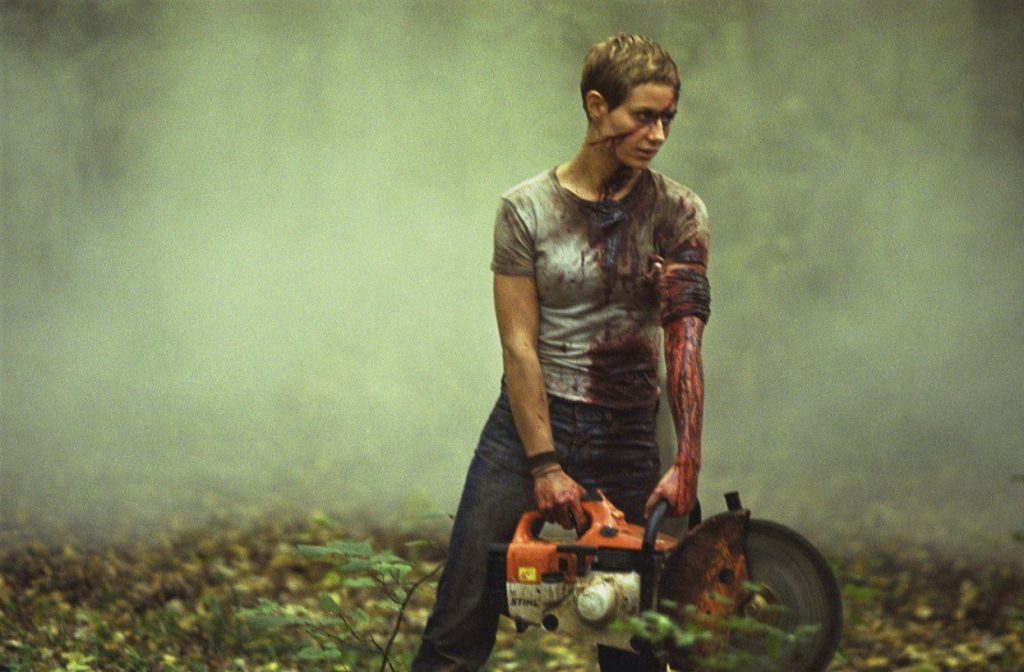
But there is still a craving for that particular brand of elegance and depravity that only the French can pull off. The blend of artistry and anarchy, where beauty and brutality dance together until you are not sure whether to applaud or call for help. In an age of safe studio horror and recycled formulas, we could use another reminder that horror can still feel dangerous, that it can make us think as much as it makes us wince.
So here’s to the movement that gave us blood, brains, and existential dread served with wine and good lighting. The New French Extremity never truly died. It just went quiet, sharpening its knives, waiting for the next filmmaker brave enough to make audiences faint again.