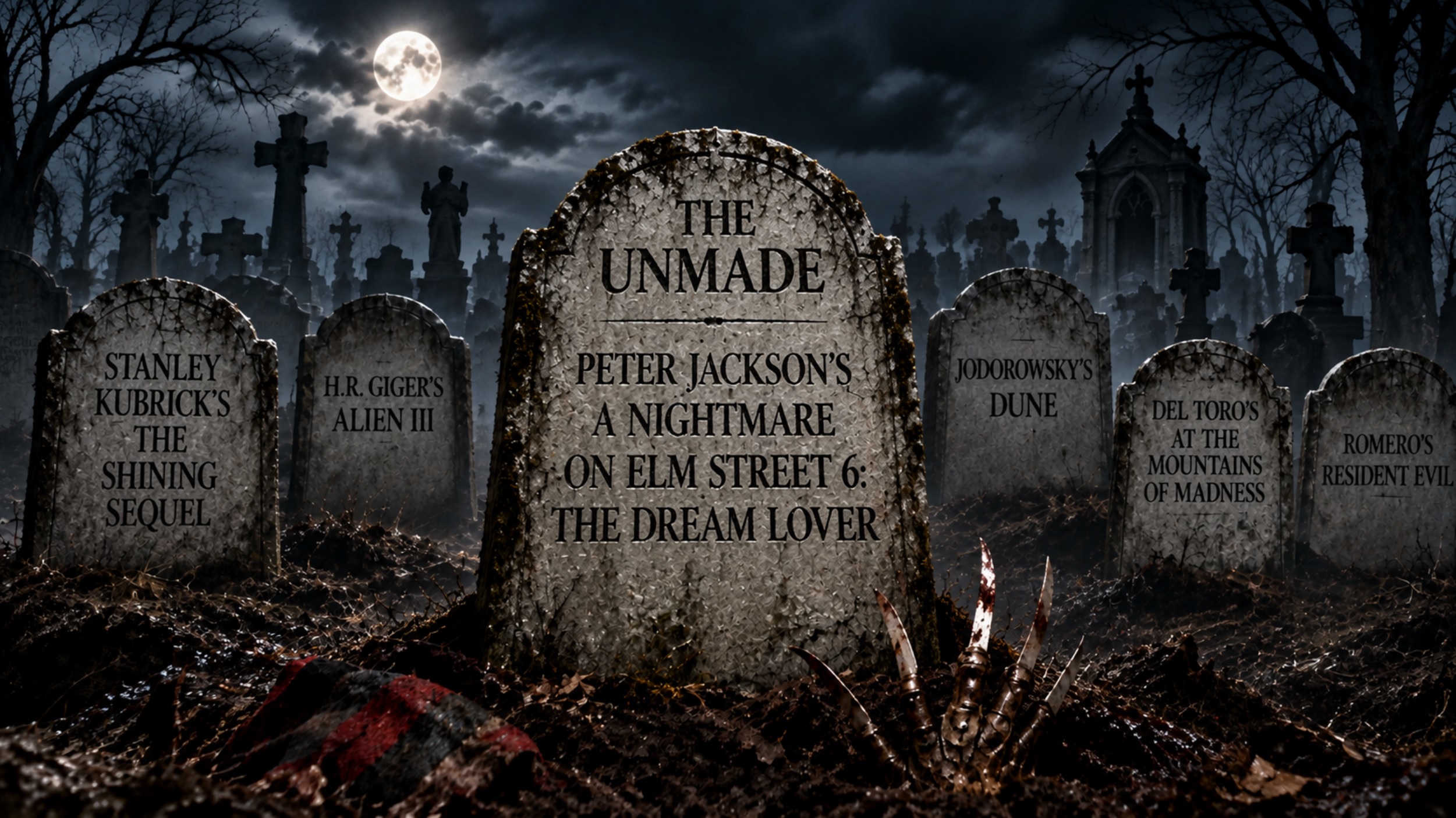
The Unmade: Peter Jackson’s A Nightmare on Elm Street 6: The Dream Lover
Long before Peter Jackson became the filmmaker responsible for The Lord of the Rings trilogy, he had an opportunity to enter an altogether different fantasy world. Instead of Hobbits, Orcs and Middle-earth, Jackson could have found himself directing Freddy Krueger and exploring the nightmares of Springwood.
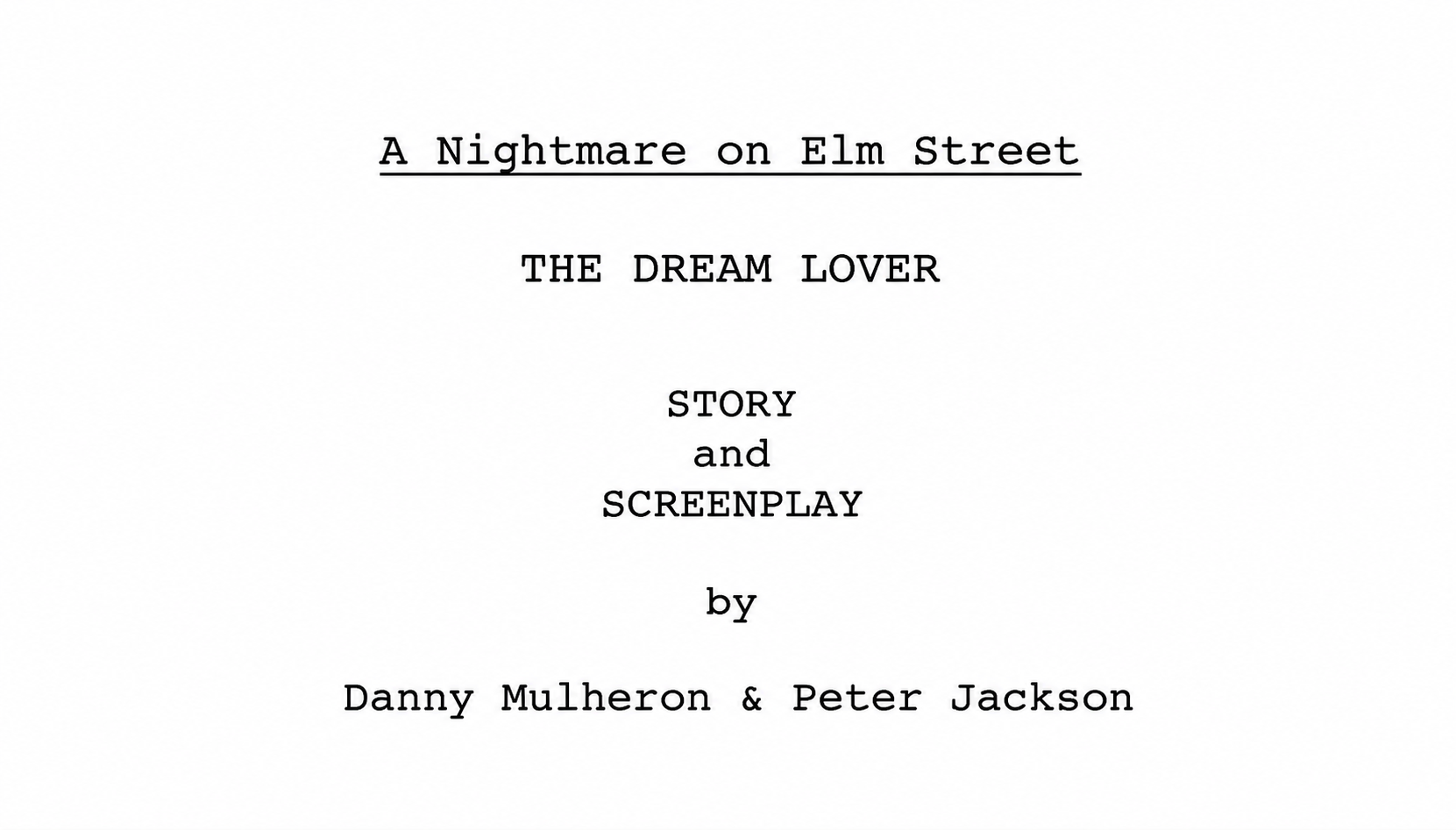
Around the turn of the 1990s, Jackson and fellow New Zealand filmmaker Danny Mulheron developed A Nightmare on Elm Street 6: The Dream Lover for New Line Cinema. Their version was ultimately abandoned in favour of the project that became Freddy’s Dead: The Final Nightmare, but the surviving descriptions of The Dream Lover reveal one of the most intriguing paths the franchise never took. Jackson and Mulheron proposed a story in which Freddy’s declining ability to frighten people was not merely a problem facing the filmmakers behind the series. It had become Freddy’s problem within the story itself.
The result would have been an extraordinary reversal of A Nightmare on Elm Street. Teenagers were no longer terrified of falling asleep because Freddy Krueger might be waiting for them. Instead, some of them were deliberately taking sleeping pills so they could enter the dream world, find a weakened Freddy and torment him for entertainment.
For a franchise built around the terror of having to sleep, it was a wonderfully twisted idea.
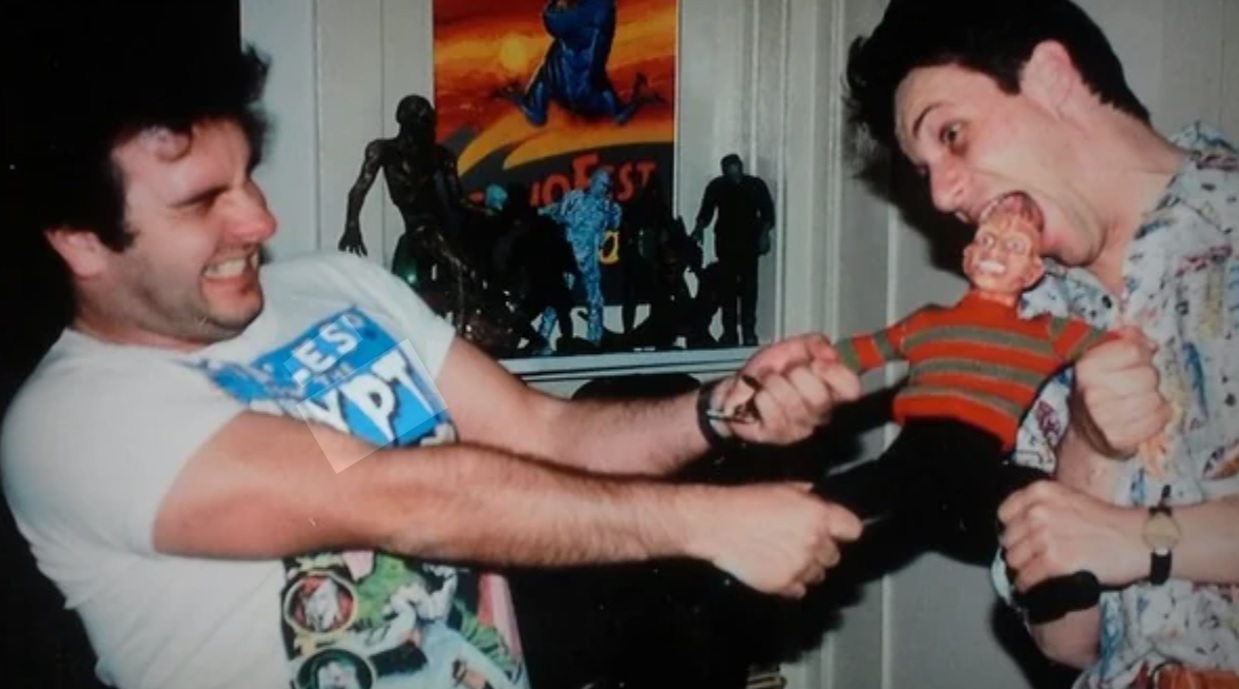
Freddy Krueger Becomes a Phenomenon
Wes Craven’s A Nightmare on Elm Street had introduced Freddy Krueger in 1984, with Robert Englund playing the burned killer who attacked the children of Elm Street through their dreams. The premise immediately created a problem for its characters that was frighteningly simple: eventually, everybody has to sleep.
The success of the film transformed Freddy into New Line Cinema’s defining horror character and sequels arrived rapidly. A Nightmare on Elm Street 2: Freddy’s Revenge followed in 1985, A Nightmare on Elm Street 3: Dream Warriors in 1987, A Nightmare on Elm Street 4: The Dream Master in 1988 and A Nightmare on Elm Street 5: The Dream Child in 1989.
During that period Freddy himself changed considerably. The shadowy figure of Craven’s original film gradually became more talkative and flamboyant, with elaborate dream sequences and increasingly prominent jokes accompanying his kills. Freddy was no longer simply the monster hidden in the darkness. By the late 1980s he was a hugely recognisable pop-culture character.
The commercial momentum did not continue indefinitely. The Dream Child suffered a substantial decline at the American box office compared with The Dream Master, and New Line began considering different approaches for a sixth instalment. Several ideas and scripts were developed during this period as the studio worked out what to do next with Freddy.
One of those possibilities came from two filmmakers in New Zealand.
Peter Jackson Meets New Line Cinema
Peter Jackson was nowhere near the position in Hollywood that he would occupy a decade later. His early career had instead established him as an extraordinarily resourceful filmmaker capable of creating ambitious material without the resources normally associated with it.
Bad Taste, released in 1987, had introduced audiences to Jackson’s gleefully excessive approach to gore, comedy and homemade special effects. He followed it with the considerably stranger Meet the Feebles in 1989, an adult puppet film filled with sex, violence, drugs and decidedly unpleasant behaviour.
Danny Mulheron had worked with Jackson on Meet the Feebles, contributing to the screenplay and performing as Heidi the Hippo. Their association subsequently took them to Los Angeles, where New Line Cinema contracted Mulheron to collaborate with Jackson on a proposed Nightmare on Elm Street sequel.
The project became known as A Nightmare on Elm Street 6: The Dream Lover.
At this point, Jackson was not being handed control of the franchise or preparing a film that had been officially approved for production. New Line was considering competing approaches to its sixth Nightmare instalment, and The Dream Lover was one of the possible directions developed during that process.
Nevertheless, its central idea was remarkably bold.
What Was The Dream Lover?
Freddy Krueger had a serious problem in Jackson and Mulheron’s story. Nobody was particularly frightened of him anymore.
The teenagers of Springwood had become familiar with Freddy and understood that fear was central to his power. Without that fear, the once formidable dream killer had deteriorated into a weakened, almost helpless version of himself.
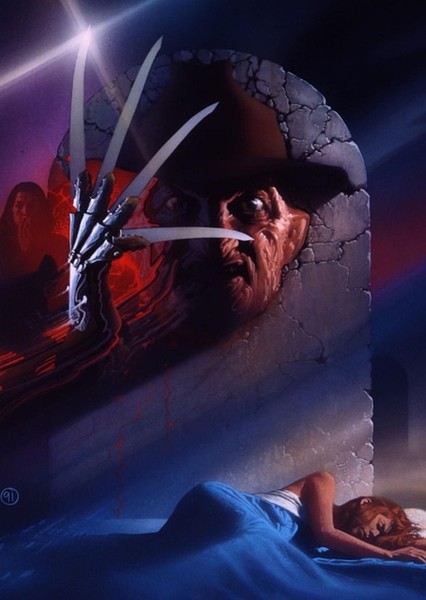
The teenagers took advantage of the situation. Rather than trying desperately to remain awake, groups of them would deliberately use sleeping pills to enter the dream world. Once asleep, they could find Freddy and physically attack him, effectively turning encounters with Springwood’s notorious killer into a form of entertainment.
It completely inverted the basic concept of the series. Nancy Thompson had fought desperately against sleep in the original A Nightmare on Elm Street because entering Freddy’s world placed her in terrible danger. The teenagers imagined by Jackson and Mulheron willingly entered that same world because Freddy was no longer capable of frightening them.
There is also an obvious connection between the premise and what had happened to Freddy outside the films. By the end of the 1980s, audiences knew Freddy extraordinarily well. He had become a merchandising phenomenon and a recognisable personality far beyond the confines of horror cinema. The Dream Lover would have taken the notion of Freddy becoming too familiar and transformed it into a fundamental part of its story.
The crucial difference is that Freddy’s humiliation would not last.
Fear Would Make Freddy Dangerous Again
The surviving descriptions of The Dream Lover establish that Freddy would eventually manage to kill one of the teenagers. That death would change the balance between Freddy and the young people who had been treating him as harmless.
Fear would begin to return, and with it Freddy would regain his strength.
It is here that The Dream Lover would have begun turning its opening concept against its characters. The teenagers had willingly entered Freddy’s world because they believed they controlled the situation, but their confidence depended entirely upon Freddy remaining powerless. Once he demonstrated that he could kill again, entering the dream world would cease to be a game.
Accounts of the project also describe a major storyline involving a police officer who becomes trapped within Freddy’s realm and remains comatose in the real world. The officer is identified in descriptions of the story as the father of one of the teenage characters, giving his son a reason to willingly return to the dream world even after Freddy has once again become dangerous.
The boy would therefore have to do what the characters had previously done for entertainment, except this time the stakes were entirely different. He would have to enter Freddy’s territory in an attempt to rescue his father.
That gives The Dream Lover a surprisingly neat progression. Freddy begins as the object of ridicule, manages to re-establish himself as a killer and gradually becomes frightening enough that entering his world once again carries potentially fatal consequences.
Whether all of those elements would have survived further development is impossible to know. The Dream Lover never became the sixth Nightmare on Elm Street film, and it should not be treated as though Jackson had a finished production ready to shoot. What survives gives us a picture of the direction Jackson and Mulheron wanted to take, rather than the finished film we would necessarily have received.
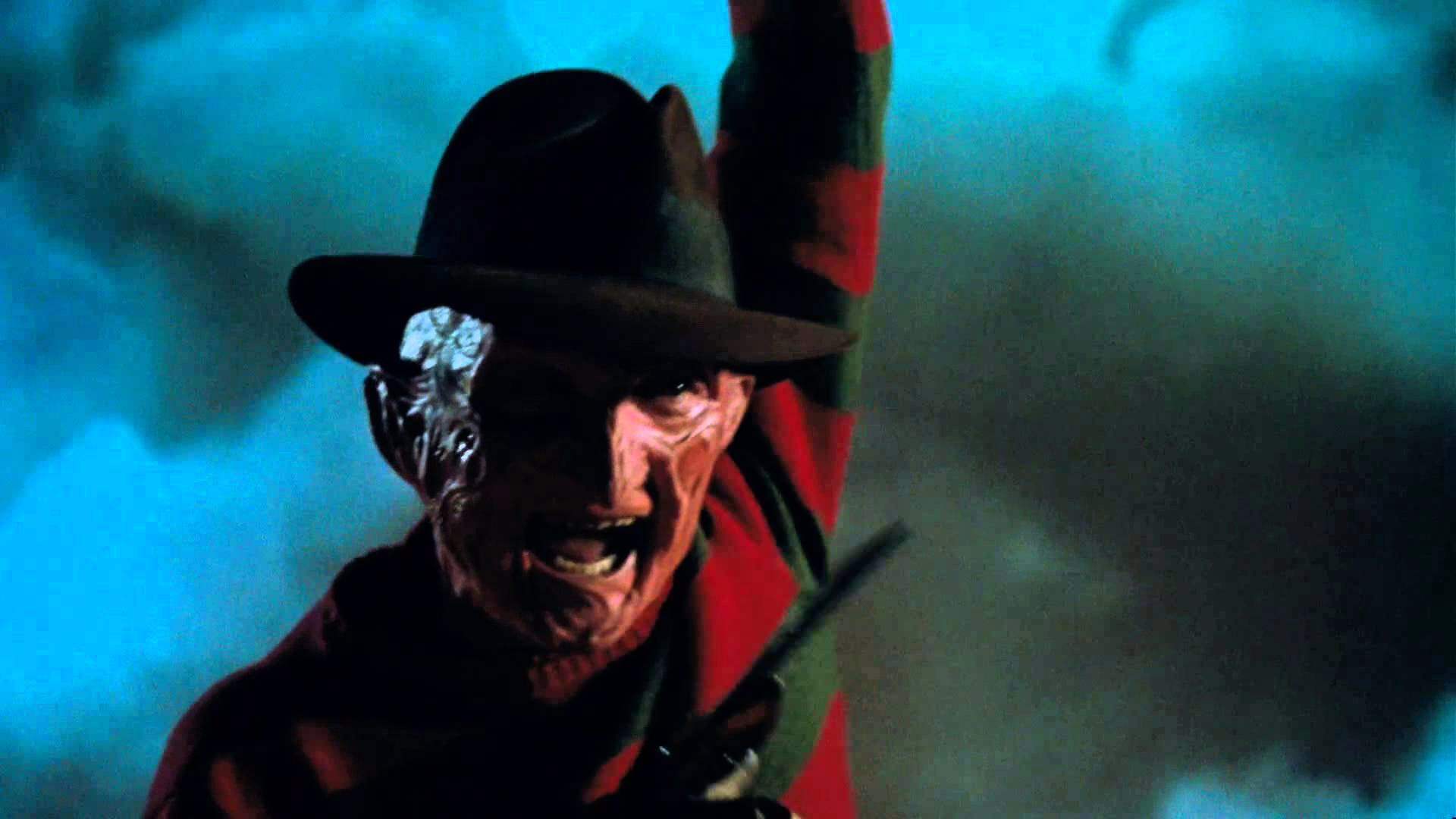
Why Wasn’t The Dream Lover Made?
There does not appear to be one dramatic incident that killed Peter Jackson’s Nightmare on Elm Street movie. The more accurate explanation is that New Line was developing different possibilities for the sixth instalment and ultimately chose another direction.
Jackson and Mulheron’s proposal was not the only discarded version of Nightmare 6. Michael Almereyda also wrote an earlier screenplay connected with ideas developed by Rachel Talalay. That version involved Jacob Johnson, the son of Alice Johnson from The Dream Master and The Dream Child, and would have drawn upon characters from the earlier films.
The film eventually moved towards the screenplay written by Michael De Luca, with Talalay directing. The resulting Freddy’s Dead: The Final Nightmare reached cinemas in September 1991.
Freddy’s Dead took a completely different approach from The Dream Lover. Instead of presenting Freddy as a forgotten monster who needed to regain his power, the finished film explored more of his history and introduced the revelation that he had a daughter, Maggie Burroughs. It was heavily promoted as Freddy’s final appearance and even concluded with an end-credit montage looking back across the series.
It wasn’t actually the end of Freddy Krueger, of course.
The Strange Link to Wes Craven’s New Nightmare
Three years after Freddy’s Dead, Wes Craven returned with New Nightmare, and there is an interesting thematic parallel between Craven’s film and Jackson and Mulheron’s abandoned idea.
They are not the same story, and there is no basis for claiming that New Nightmare developed from The Dream Lover. Craven’s film instead moved Freddy into a radically different metafictional setting, with Heather Langenkamp, Robert Englund, Craven himself and other figures from the Nightmare films appearing as versions of themselves while an ancient evil assumes the form of Freddy.
What the two concepts share is an awareness of Freddy Krueger as something more than simply the villain of another slasher sequel. Both ideas engage, in very different ways, with what Freddy had become through years of sequels and cultural exposure.
Jackson and Mulheron’s idea would have made Freddy’s declining ability to frighten people part of the fictional world. Craven went considerably further by acknowledging that Freddy was a fictional character who had become embedded in popular culture.
That makes The Dream Lover particularly interesting in hindsight. It suggests that Jackson and Mulheron had identified the difficulty of simply repeating the established Nightmare formula and were looking for a way to make Freddy’s familiarity itself part of the story.
What Happened to Peter Jackson?
Missing out on Nightmare 6 obviously didn’t do too much damage to Jackson’s career.
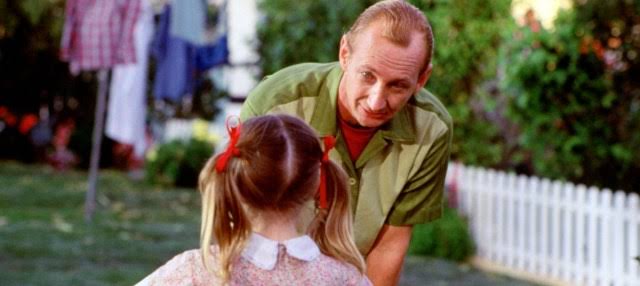
He returned to New Zealand and continued making films, directing Braindead in 1992 before achieving significant international recognition with Heavenly Creatures in 1994. The Frighteners followed in 1996, combining horror, comedy and increasingly sophisticated visual effects.
His connection with New Line Cinema would eventually become rather more significant than an abandoned Freddy Krueger project.
New Line backed Jackson’s adaptation of J.R.R. Tolkien’s The Lord of the Rings as three films, beginning with The Fellowship of the Ring in 2001, followed by The Two Towers in 2002 and The Return of the King in 2003. The trilogy became an enormous commercial and critical success, with The Return of the King winning all eleven Academy Awards for which it was nominated, including Best Picture and Best Director.
It creates one of the great alternative histories in modern horror. Roughly a decade before New Line entrusted Jackson with Middle-earth, the studio had been considering his ideas for Freddy Krueger.
Danny Mulheron also continued working across film and television in New Zealand. His own biography specifically records his move to Los Angeles after being contracted by New Line to collaborate with Jackson on the Nightmare on Elm Street sequel, providing useful first-hand confirmation that their involvement went beyond an idea casually pitched from afar.

The Nightmare We Never Had
It is tempting to look at Peter Jackson’s later career and assume that The Dream Lover would automatically have been a great Nightmare on Elm Street film. That would be impossible to know. The Jackson developing the project around 1990 was an emerging filmmaker rather than the director who would later make The Lord of the Rings, and the project never progressed far enough for audiences to discover how his ideas would have translated into a finished studio production.
What makes The Dream Lover fascinating is the idea itself. Instead of pretending Freddy was still the mysterious figure audiences had encountered in 1984, Jackson and Mulheron appear to have recognised how familiar he had become and built their proposed film around that problem.
Teenagers deliberately putting themselves to sleep so they could hunt Freddy Krueger rather than being hunted by him is a striking reversal. Allowing Freddy to kill again, rebuild the fear surrounding his name and gradually reclaim his power would then have transformed the joke back into a genuine threat.
New Line chose a different nightmare, and audiences received Freddy’s Dead: The Final Nightmare in 1991. Jackson moved on, Freddy eventually returned, and the paths of Jackson and New Line would cross again on a vastly larger scale.
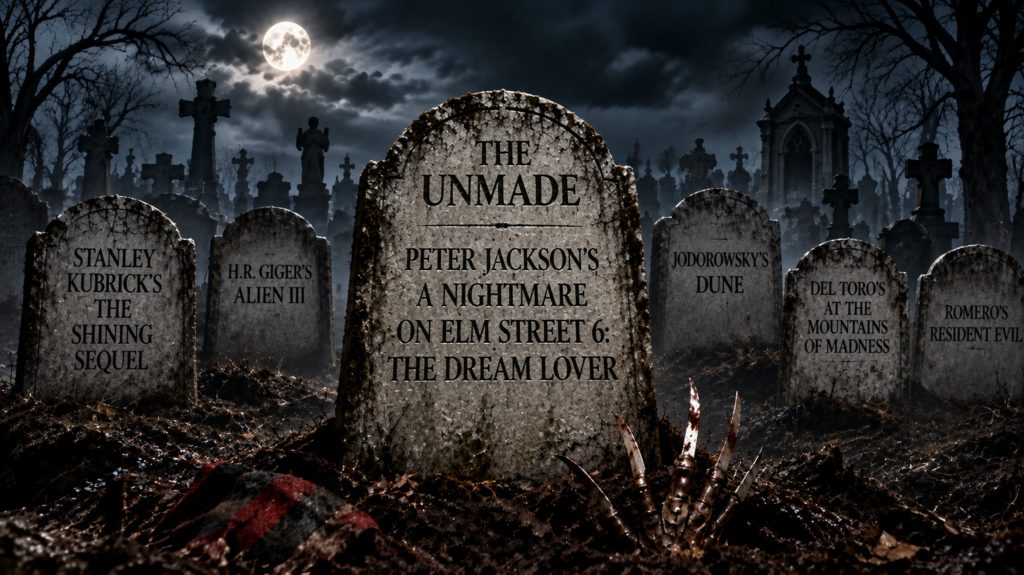
A Nightmare on Elm Street 6: The Dream Lover remained behind.
For a movie about dreams, perhaps that’s appropriate.