Dooba Dooba Teaser Turns Babysitting Into a Found Footage Nightmare
If you thought babysitting was just about keeping kids fed, entertained, and alive until their parents get home, the newly released teaser for Dooba Dooba is here to correct that assumption in the most uncomfortable way possible.
Dark Sky Films has unveiled the first unsettling glimpse at the found footage horror film, and it suggests that this particular evening job comes with a side order of psychological trauma, creeping dread, and the slow realisation that leaving might not be an option.
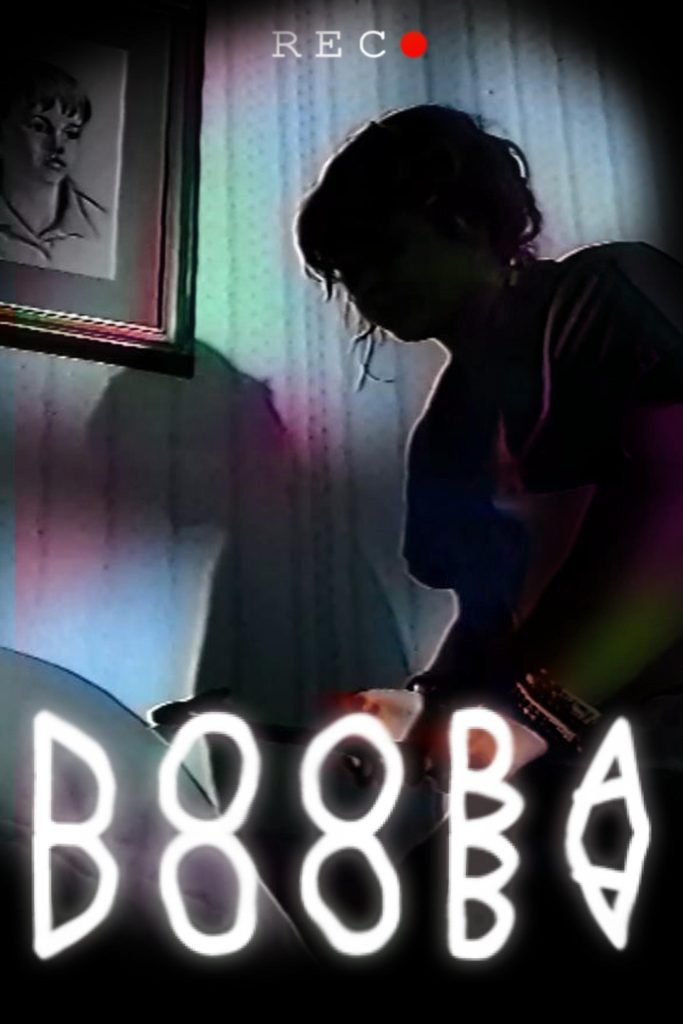
Dooba Dooba arrives on January 23, 2026, and while the teaser keeps its cards close to its chest, it establishes an atmosphere of escalating unease that will feel immediately familiar — and deeply effective — to fans of the found footage genre.
A Babysitting Job That Was Never What It Seemed
The film follows Amna, who arrives at what she believes will be a straightforward babysitting gig. Almost immediately, things feel off. The girl she’s been hired to watch, Monroe, is not a child at all but a sixteen-year-old burdened with severe emotional trauma.
Monroe witnessed her brother’s murder at a young age, and that unresolved grief manifests as intense anxiety and increasingly volatile behaviour. What begins as an uncomfortable night of emotional labour slowly mutates into something far more disturbing, pushing Amna’s patience — and sense of safety — to its limits.
The Horror of Having No Way Out
The cruel trick of Dooba Dooba isn’t just that the situation spirals out of control, but that it slowly reveals Amna’s lack of agency. As Monroe’s behaviour grows more unsettling, Amna considers leaving, only to realise — far too late — that she may not be able to.
The teaser leans heavily on implication rather than explanation. Awkward silences, off-screen noises, and subtle shifts in Monroe’s behaviour do the heavy lifting. It’s a setup that thrives on the audience’s imagination, reminding us that found footage horror is often at its most powerful when it refuses to show its hand.
Horror Through an Unblinking Eye
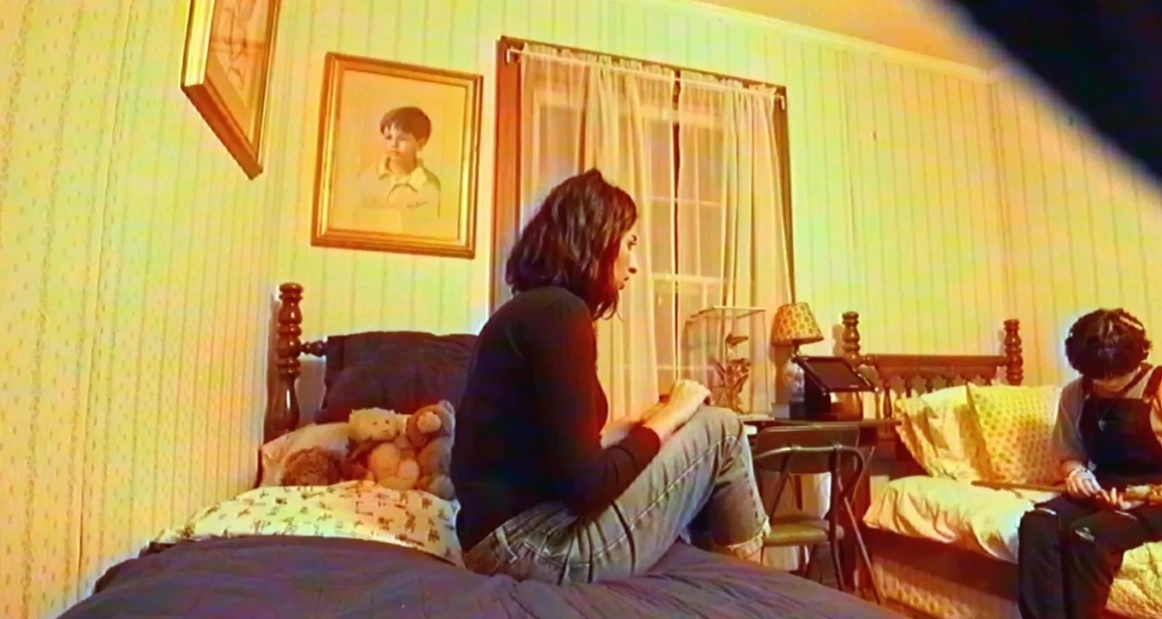
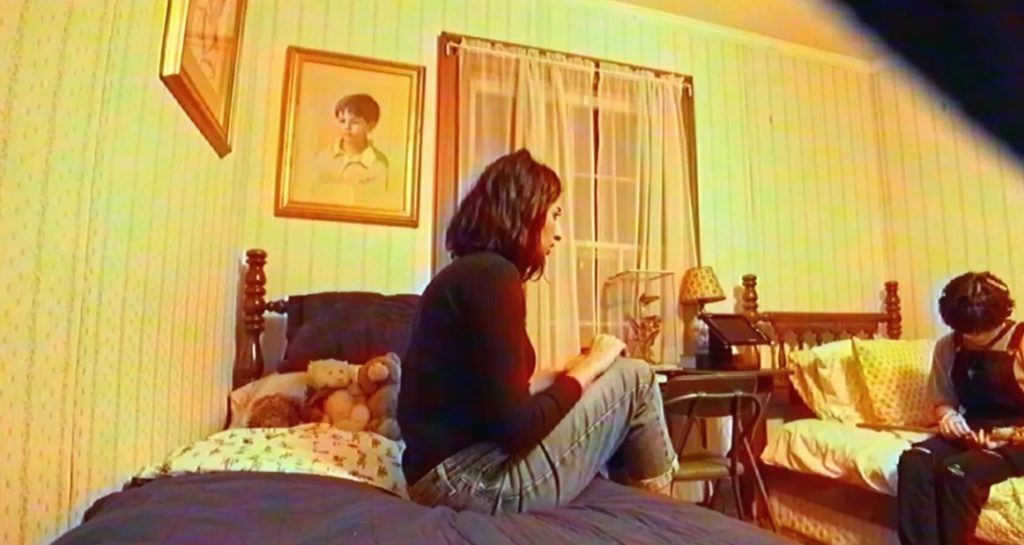
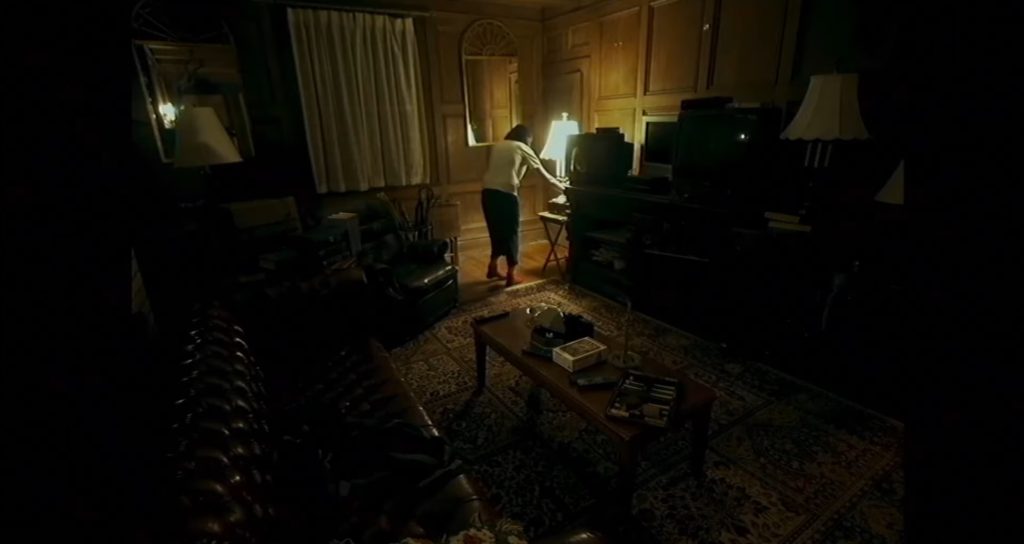
Writer-director Ehrland Hollingsworth isn’t just repeating the language of found footage — he’s refining it. Dooba Dooba is shot entirely through an in-home security camera, a choice that places it firmly in the lineage of horror films that weaponise surveillance and static perspectives.
The approach recalls everything from Paranormal Activity, which transformed fixed camera angles into instruments of dread, to more recent analog horror projects that thrive on discomfort, distance, and the feeling of watching something you shouldn’t be seeing.
Here, the camera doesn’t follow the action.
It traps you with it.
Analog Horror and the Fear of Observation
The analog horror influence is unmistakable. Popularised through online series built around corrupted visuals, distorted audio, and unseen threats, analog horror replaces jump scares with a slow, corrosive unease.
By committing fully to the security-camera viewpoint, Dooba Dooba taps into that same psychological discomfort. The audience becomes a passive observer, unable to intervene, forced to watch events unfold from a single, unblinking eye.
The justification for the camera’s presence is chillingly mundane: it’s there because modern homes are filled with them.
Cast, Creators, and Claustrophobia
The cast is led by Amna Vegha, who also serves as one of the film’s producers alongside Michelle Sligh, Ehrland Hollingsworth, and Josh Harris. That dual role adds an extra layer of intimacy to the project, blurring the line between performance and authorship.
Supporting roles are filled by Betsy Sligh, Winston Haynes, Erin O’Meara, and Billy Hulsey. The teaser suggests performances that feel deliberately raw and unpolished — awkward in the way real interactions often are. That realism is exactly what found footage horror depends on to land its impact.
Dark Sky Films and Modern Found Footage
Dark Sky Films has quietly carved out a reputation as a home for genre projects that sit just outside the mainstream, and Dooba Dooba looks poised to fit comfortably within that tradition.
Rather than leaning on elaborate mythology or over-explained rules, the film appears focused on a single unbearable night, a fractured relationship, and the sense that something deeply wrong is unfolding just beyond the camera’s frame.
A Found Footage Horror for the Surveillance Age
At a time when found footage horror is evolving through internet culture and analog aesthetics, Dooba Dooba feels less like a throwback and more like a continuation.
It takes familiar tools and pushes them into a more claustrophobic, psychologically punishing space. If the teaser is any indication, this is not a film chasing easy scares. It wants to sit with you, make you uncomfortable, and remind you that sometimes the most terrifying realisation is knowing you’re stuck, watched, and very much alone.