Blair Witch Creators Return to Found Footage with The Influencer Project
More than a quarter of a century after The Blair Witch Project helped transform found footage from an experimental filmmaking technique into one of horror’s most enduring subgenres, two of the people responsible for that phenomenon are returning to familiar territory. Eduardo Sánchez and Gregg Hale are producing the new found footage horror film The Influencer Project, which will arrive in cinemas on October 2, 2026, just in time for the Halloween season.
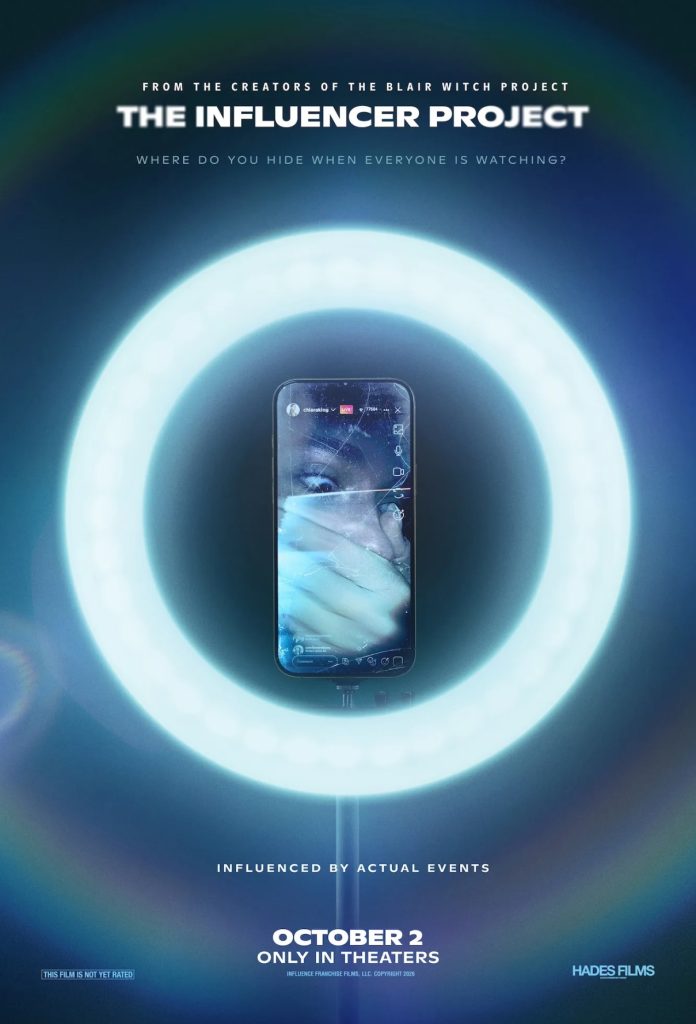
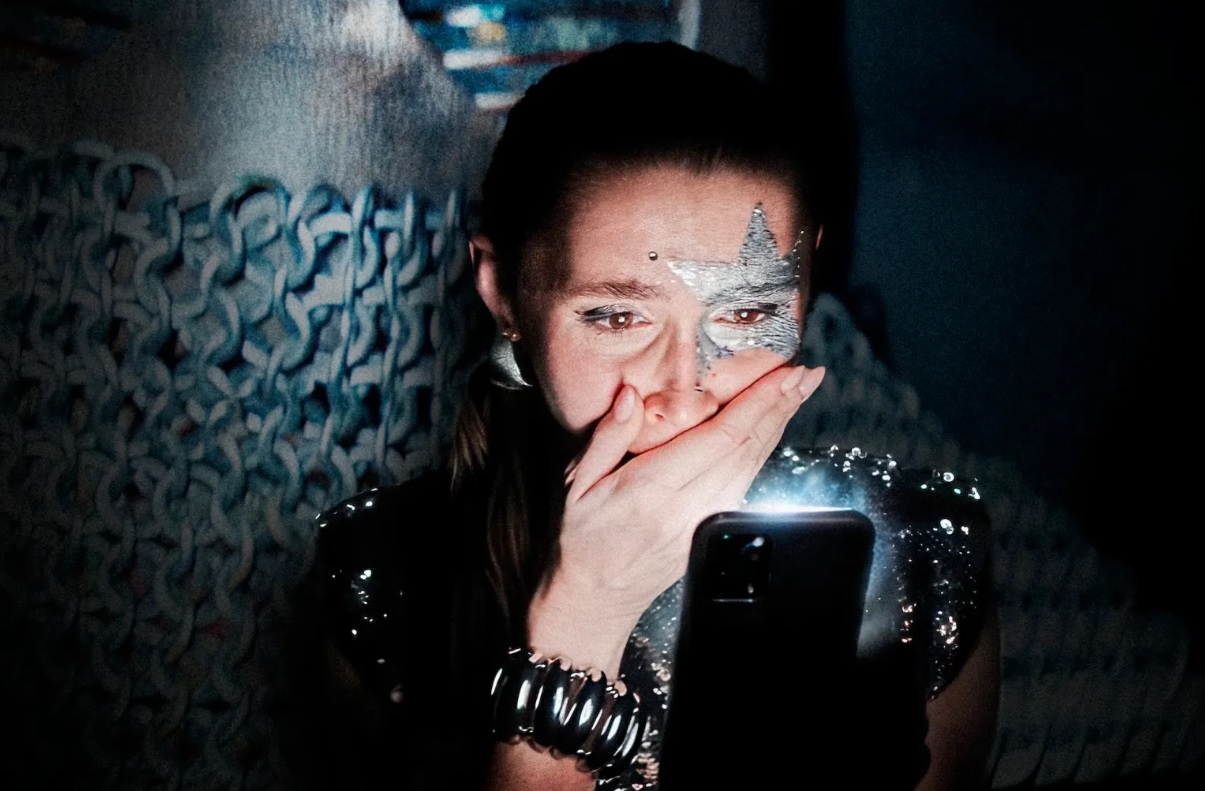
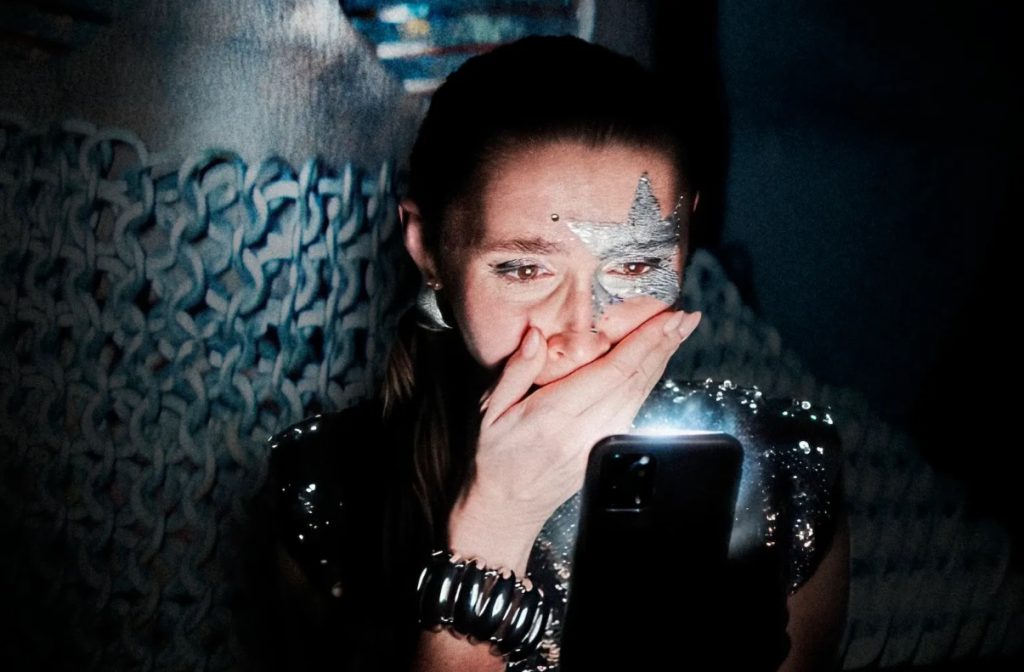
Sánchez co-directed and co-wrote The Blair Witch Project with Daniel Myrick, while Hale served as a producer on the 1999 phenomenon. This time they are working with Mike Nybroe, who makes his feature directorial debut with The Influencer Project. Beauty and fashion influencer Chiara King stars in the film, which moves found footage away from the forests of Maryland and into a world where millions of people voluntarily carry cameras, broadcast their lives and allow complete strangers to follow their every move. The film is currently listed as being in post-production, with Copenhagen confirmed as a filming location.
According to the official synopsis, King plays an influencer who travels to Copenhagen accompanied by a documentary crew promising to reveal what life behind the glamorous façade of online fame is really like. The cameras are already watching her and so are her followers, but she gradually discovers that somebody else has been paying attention. An obsessive stalker begins closing in, transforming what was intended as a documentary about celebrity and social media into something much more sinister. The footage increasingly becomes evidence rather than entertainment as the distinction between follower and predator starts disappearing.
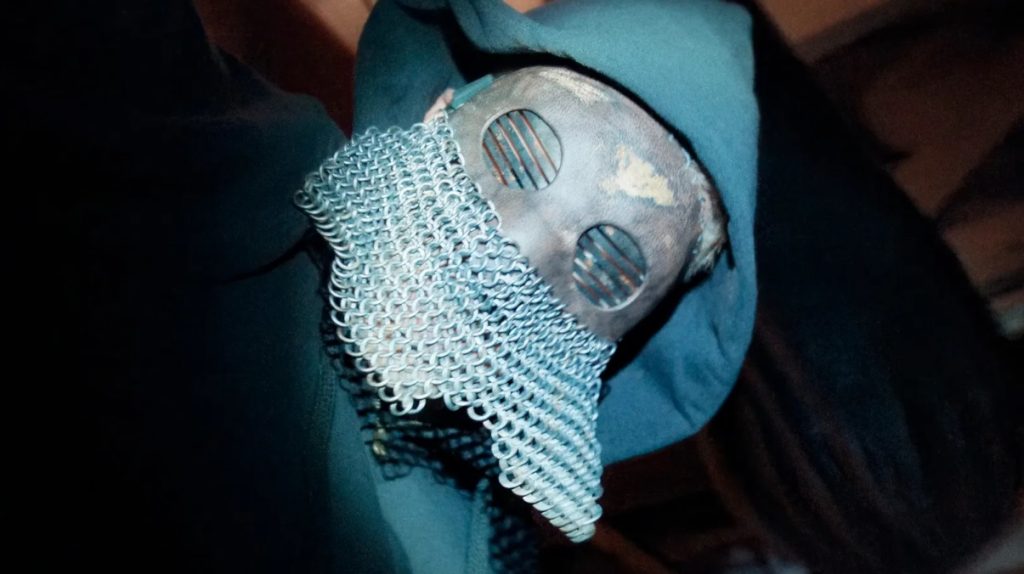
It’s an idea particularly well suited to found footage because the question that filmmakers once had to answer — why would anybody keep filming while something terrible is happening? — has become considerably easier to address. Phones, livestreams, social media stories, documentary crews and influencers who make their private lives into public content have made cameras an almost permanent presence. The Influencer Project appears ready to exploit that change, turning the desire to document everything into the very mechanism through which its horror is experienced.
Sánchez and Hale have described the idea in similarly contemporary terms, contrasting the supernatural threat they explored nearly 30 years ago with the dangers created by social media and allowing strangers access to our lives. That makes The Influencer Project more interesting than simply seeing members of the Blair Witch team return to the filmmaking style that made them famous. Found footage has changed enormously since 1999 because the way ordinary people use cameras has changed with it.
The Blair Witch Project Didn’t Invent Found Footage
It’s tempting to call The Blair Witch Project the film that invented found footage, but that wouldn’t be accurate. Horror filmmakers had experimented with presenting fictional material as recovered or authentic recordings long before Heather, Mike and Josh disappeared into the Black Hills.
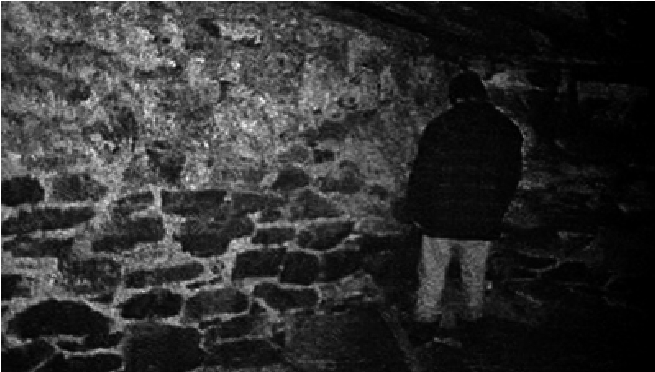
Ruggero Deodato’s notorious Cannibal Holocaust used recovered footage as a crucial part of its narrative in 1980, almost two decades before Blair Witch. The film’s documentary-style material was presented as footage recovered from a missing filmmaking crew, establishing many of the techniques that would subsequently become associated with found footage horror. The film remains deeply controversial, particularly because of the real animal killings carried out during its production, but its importance to the development of the format cannot simply be erased.
Other experiments followed. The 1989 film commonly known as UFO Abduction or The McPherson Tape presented an alien encounter as home-video footage, while Stefan Avalos and Lance Weiler’s The Last Broadcast arrived in 1998, a year before The Blair Witch Project, using documentary and recovered-video techniques in its story about murders connected to an expedition into the New Jersey Pine Barrens.
So no, The Blair Witch Project wasn’t the first.
It may, however, be the most important.
The Film That Made Found Footage a Phenomenon
When The Blair Witch Project arrived in 1999, Daniel Myrick and Eduardo Sánchez didn’t merely use found footage as an aesthetic choice. They built almost the entire experience around convincing audiences that what they were watching might conceivably be real.
The film follows student filmmakers Heather Donahue, Joshua Leonard and Michael C. Williams as they venture into the Maryland woods to investigate the legend of the Blair Witch before becoming lost. Rather than cutting away to conventional cinematic coverage, the audience remains trapped with the characters through their cameras. We see what they record and, crucially, very little else.
The film famously refuses to give audiences a conventional monster reveal. The Blair Witch isn’t wheeled out for a climactic close-up. Instead, noises in the darkness, strange objects in the woods, deteriorating relationships and the increasingly desperate behaviour of the three filmmakers allow the audience’s imagination to do much of the work. The BFI has highlighted that refusal to show the witch as one of the keys to the film’s enduring effectiveness.
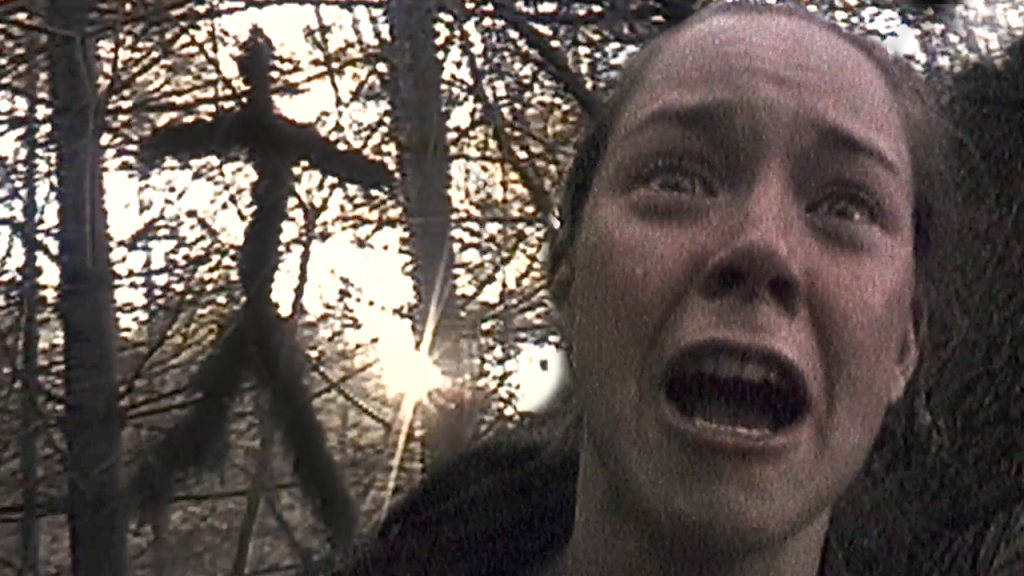
But the film itself was only part of the phenomenon. Its marketing campaign became nearly as influential as the movie. The filmmakers and distributors exploited the relatively young internet to build mythology around the supposed disappearance of the characters, with fabricated police material, interviews and other pieces of evidence helping sell the illusion that audiences were about to watch recordings recovered after a genuine disappearance.
That combination proved enormously influential. After Blair Witch, found footage wasn’t simply an obscure technique known to adventurous horror fans. It was commercially viable.
The format subsequently became the foundation for films including Paranormal Activity, REC, Cloverfield, Lake Mungo, Trollhunter, V/H/S, Creep, Gonjiam: Haunted Asylum and countless others, with filmmakers continually finding new reasons for cameras to remain switched on while everything goes horribly wrong.
From the Woods to Social Media
That’s what makes Sánchez and Hale’s involvement with The Influencer Project so fitting. The Blair Witch Project arrived when amateur video technology was becoming increasingly accessible and the internet was beginning to change how films could create mythology outside the cinema. The Influencer Project arrives in a completely different media landscape, one in which people routinely broadcast themselves to strangers without needing anybody to invent a reason for the camera to be present.
The film is a co-production between Haxan Films and Denmark’s Point Neuf, with Sánchez and Hale producing alongside Mike Nybroe, Alex Hertzberg and Ahmet Zappa. Nybroe directs, while Chiara King takes centre stage in a story that appears designed to examine the darker implications of turning a human life into publicly accessible content.
Whether The Influencer Project can find something genuinely new inside a genre that The Blair Witch Project helped popularise remains to be seen. Found footage has travelled through haunted houses, monster attacks, demonic possessions, alien encounters, online video calls and virtually every other corner of horror during the intervening decades.
But there’s something undeniably appropriate about Sánchez and Hale returning to the format through a story about modern technology blurring the boundary between performance and reality. That’s precisely the boundary The Blair Witch Project exploited so brilliantly in 1999.
The cameras have changed. The audience has changed. The internet has certainly changed. The fear that somebody might be watching, however, hasn’t gone anywhere.
The Influencer Project arrives in cinemas on October 2, 2026.