Dr Josef Heiter Crawls Into the Second Class Tier of the Hall of Killers
There are horror villains who stalk, slash, or silently loom in the shadows.
And then there is Dr Josef Heiter, a man who looked at the Hippocratic Oath, laughed politely, wiped his mouth, and decided that the human body was best appreciated when stitched together like an IKEA flat pack assembled by someone who skipped the instructions on purpose.
Today, the Hall of Killers welcomes Josef Heiter into the Second Class tier, a placement that feels both deserved and faintly insulting to humanity as a whole.
This is not a killer who racks up bodies with brute force or supernatural powers. This is a killer who weaponised medical knowledge, clinical detachment, and the absolute confidence of a man who believes he is the smartest person in any room — even when the room is full of screaming, sedated captives.

The Birth of a Bad Idea
Introduced in The Human Centipede (First Sequence), Heiter is a disgraced German surgeon living in rural isolation, specialising in separating conjoined twins. Naturally, the logical next step in his career is sewing three unwilling tourists together mouth to rear.
As career pivots go, it is bold.
Ill-advised, but bold.
What makes Heiter such an enduring horror figure isn’t just the extremity of his experiment, but the way he treats it as high art. This is not rage or revenge. This is a PowerPoint presentation from hell. He explains his process with the enthusiasm of a lecturer who thinks the class is lucky to be there.
The suffering is not incidental.
It is part of the design.
His victims are not people.
They are components.
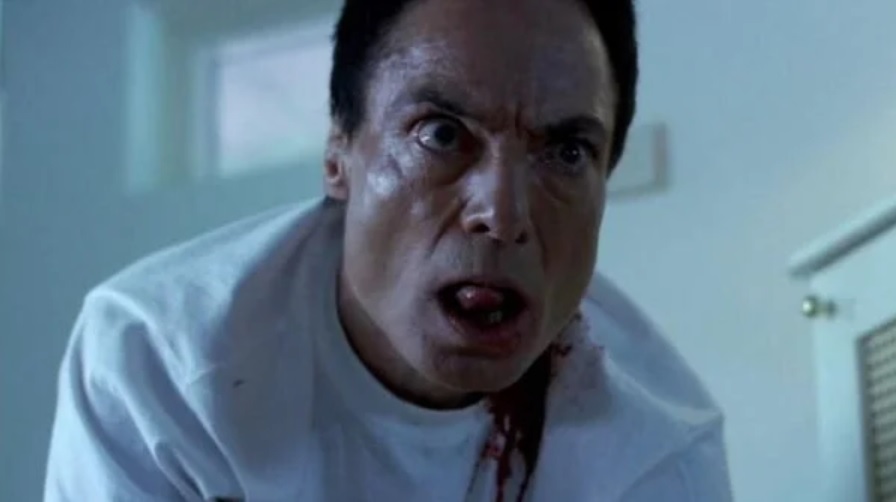
Performance Makes the Monster
Dietrich Hollinderbäumer’s performance is the difference between Heiter becoming a footnote in shock cinema and earning his place in the Hall of Killers.
Heiter is calm, patronising, and horrifyingly believable. He does not shout. He does not rant. He smiles, claps, and hands out gold star stickers for obedience. It’s the banality of his cruelty that lingers.
Anyone can imagine a slasher.
Nobody wants to imagine being trapped with a surgeon who thinks your agony is educational.
Legacy Across the Franchise
By the time The Human Centipede (Second Sequence) arrives, the series shifts focus toward obsession and replication, but Heiter’s shadow looms large. The third film, Final Sequence, brings him back in spirit if not dignity, turning the concept into grotesque satire.
Even when the franchise becomes louder, messier, and more self-aware, Heiter remains its purest expression. He is the original sin. The bad idea that spawned worse ideas.
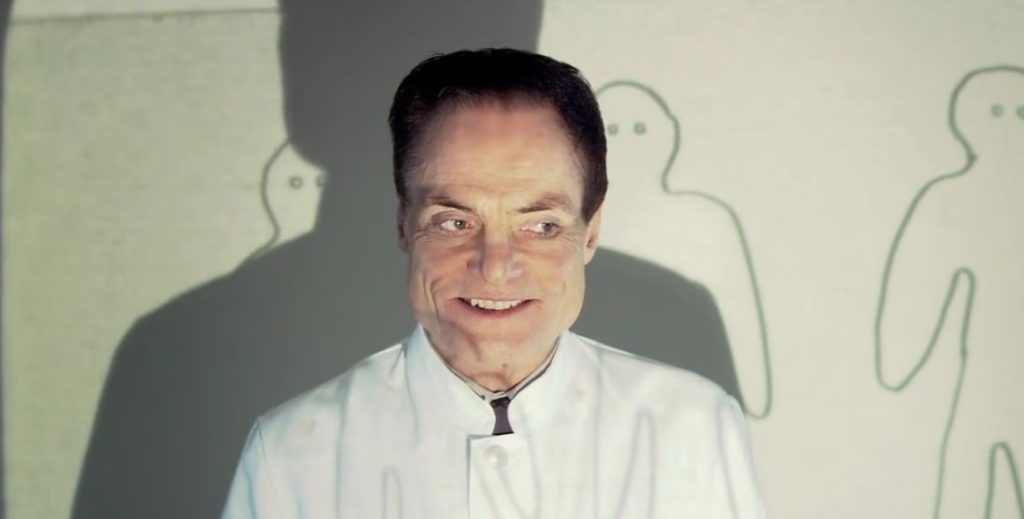
Why Second Class — Not Higher?
So why Second Class, and not Premier or First?
Because for all his notoriety, Josef Heiter is contained.
His terror is intimate, controlled, and limited in scale. He is not reshaping a town, a mythos, or an entire franchise ecosystem. He is a specialist. A boutique nightmare. One man, one house, one absolutely unforgivable medical experiment.
Ironically, that restraint keeps him out of the upper tiers.
But don’t mistake placement for mercy.
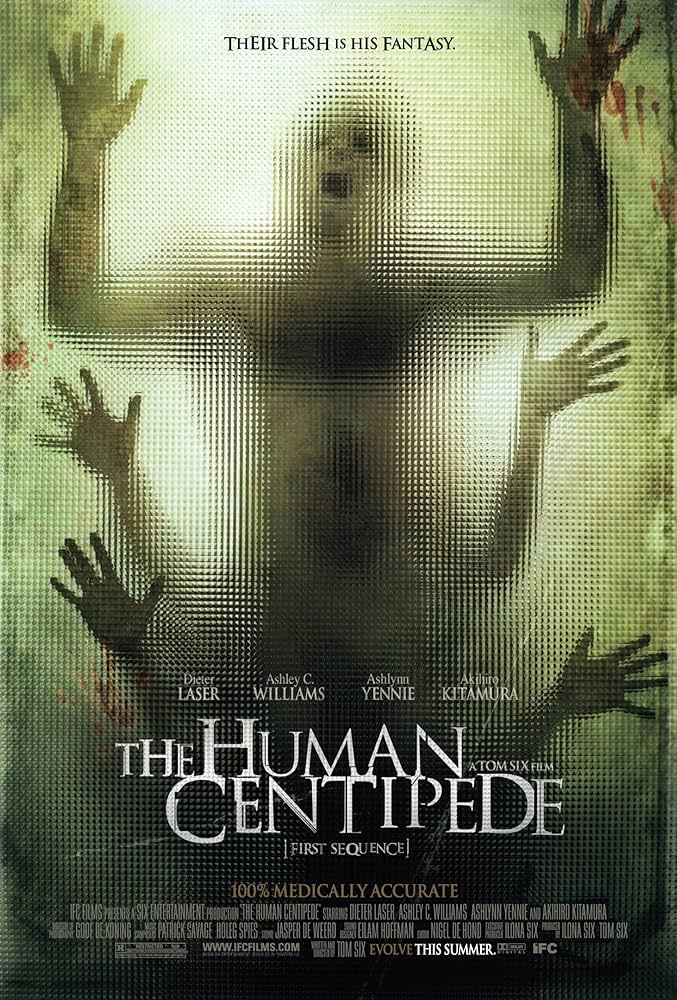
A Scar on Horror Culture
Second Class in the Hall of Killers is reserved for villains who leave scars on horror culture itself — and Heiter qualifies in spades.
The phrase “human centipede” entered the public vocabulary overnight, which is not something civilisation should have allowed, but here we are. His legacy is revulsion, endurance, and the shared trauma of audiences asking themselves why they watched this in the first place.
Heiter also represents one of the most unsettling horror archetypes of all:
the educated monster.
No mask.
No curse.
Just knowledge stripped of ethics.
Nothing he does requires magic. Only a lack of empathy and a very sharp scalpel.
Final Verdict
So welcome, Dr Josef Heiter, to the Second Class tier of the Hall of Killers.
Please do not give a speech.
Please do not demonstrate anything.
And for the love of all that is holy, please stay away from the operating table.