Peeping Tom Killer Mark Lewis Inducted into the Hall of Killers
Mark Lewis has officially entered the Premier Class Tier of the Hall of Killers, proving that you don’t need a hockey mask, a chainsaw, supernatural powers or a habit of returning from the dead every few years to become one of horror’s most important murderers. Sometimes all you need is a camera, a deeply traumatic childhood and an absolutely catastrophic understanding of personal boundaries.
For many younger horror fans, Mark Lewis might not immediately spring to mind when discussing the great icons of horror cinema. He doesn’t have countless sequels to his name, he isn’t plastered across T-shirts and action figures, and nobody is dressing up as him for Halloween while attempting to explain his entire psychological profile to confused neighbours. Yet his influence on horror cinema is enormous. In many ways, Mark Lewis helped lay the foundations for the slasher genre years before Michael Myers ever picked up a kitchen knife or Jason Voorhees decided that camping was a punishable offence.
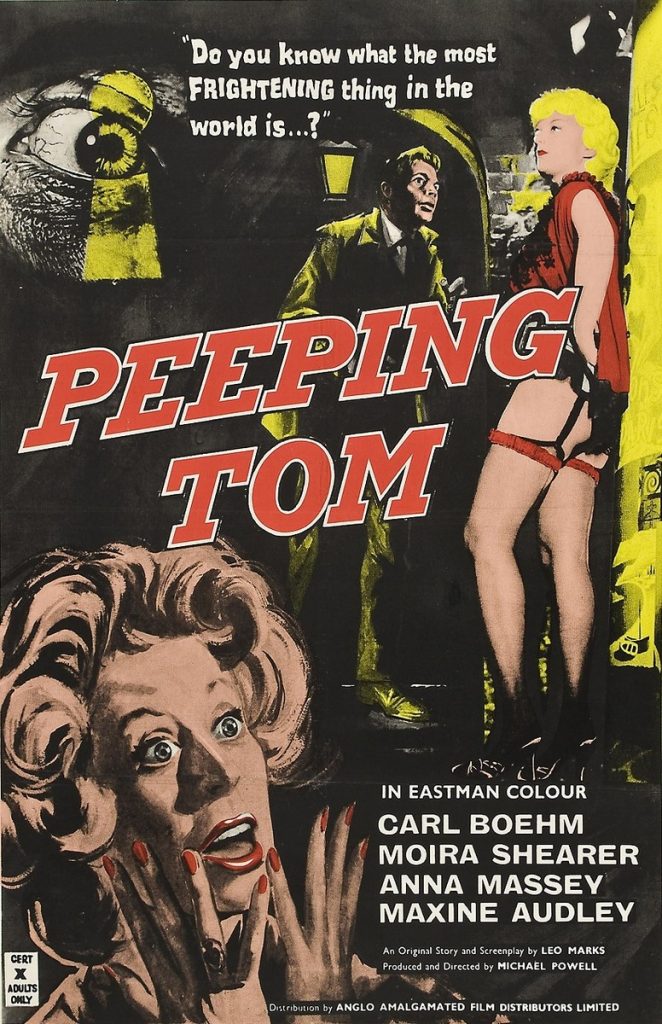
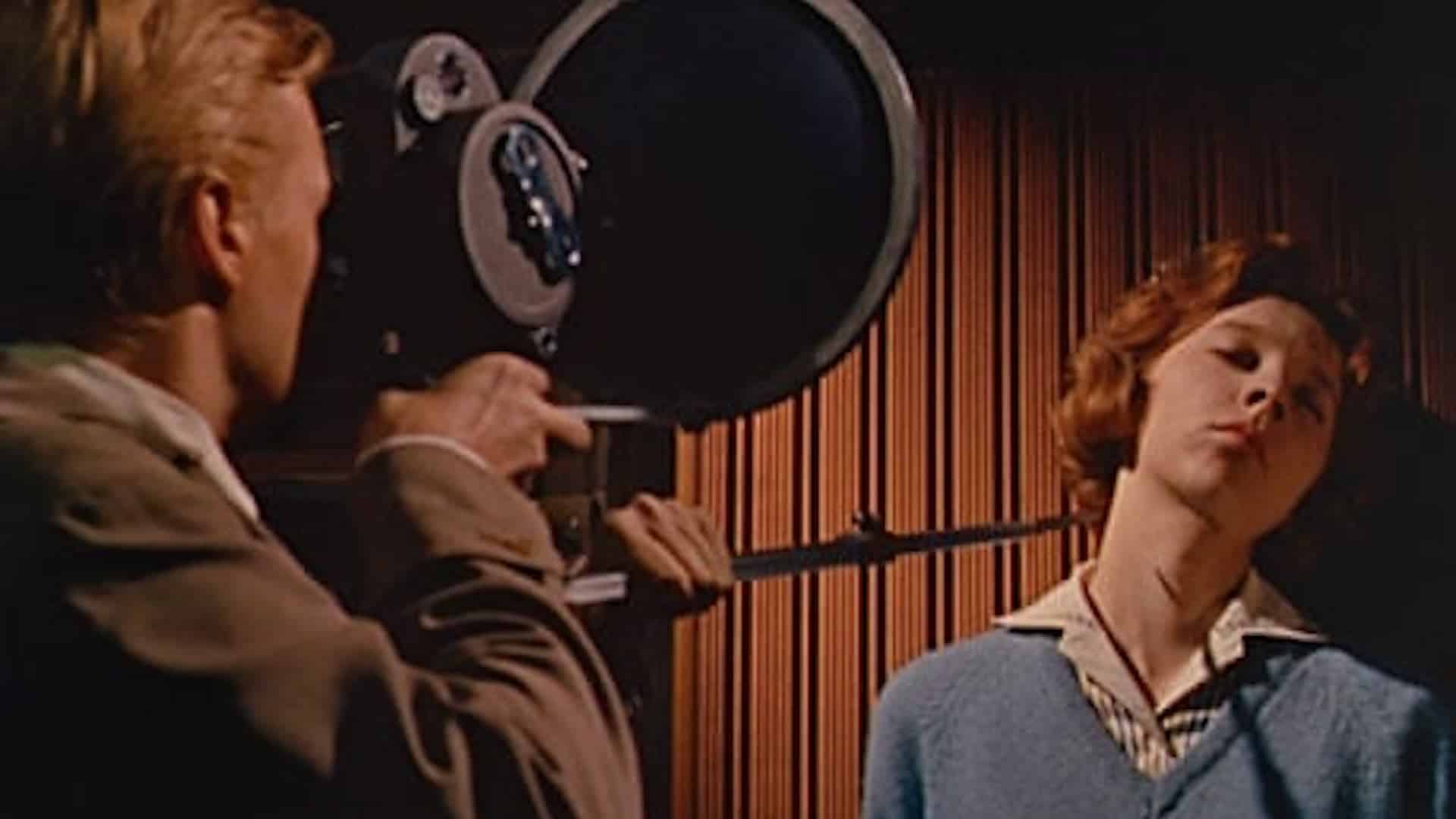
First appearing in Michael Powell’s groundbreaking 1960 film Peeping Tom, Mark is a photographer and cameraman with a deeply unsettling obsession. Rather than simply killing his victims, he films them during their final moments, capturing the terror on their faces as they realise what is about to happen. It is a chilling concept even today, but in 1960 it was absolutely shocking. Audiences had rarely been forced to see events from a killer’s perspective before, and critics reacted so negatively to the film that it severely damaged Powell’s career. History, however, has been much kinder. Decades later, Peeping Tom is now widely regarded as one of the most important horror films ever made.
What makes Mark Lewis so fascinating is that he isn’t presented as a cackling monster. He isn’t lurking in shadows waiting to jump out and shout “boo” before murdering someone. He’s shy, awkward, polite and often surprisingly sympathetic. There are moments where viewers genuinely feel sorry for him, which only makes his actions even more disturbing. One minute you’re thinking, “Perhaps this poor man deserves a chance at happiness.” Five minutes later you’re reminded that his hobby involves filming terrified women moments before killing them. It’s one of horror cinema’s most uncomfortable emotional whiplashes.
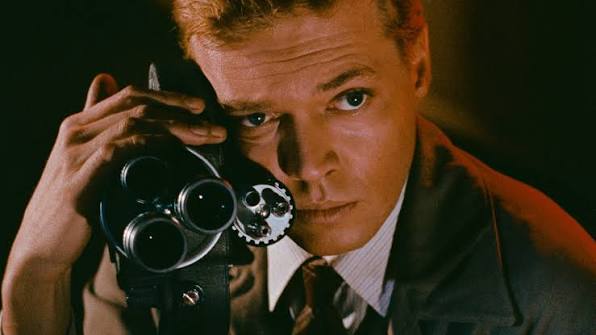
The brilliance of Peeping Tom lies in how it turns the audience into unwilling accomplices. Powell frequently places viewers behind Mark’s camera lens, forcing us to see what he sees. Modern horror fans might take that technique for granted because countless films have copied it since, but at the time it was revolutionary. The movie essentially asks a deeply uncomfortable question: why do people enjoy watching fear? Sixty-five years later, that question feels more relevant than ever. Mark Lewis would probably be horrified by TikTok, though admittedly he’d also be fascinated by it. After all, he spent years obsessively documenting human reactions with expensive camera equipment only to discover that millions of people now voluntarily record themselves screaming at spiders for internet views.
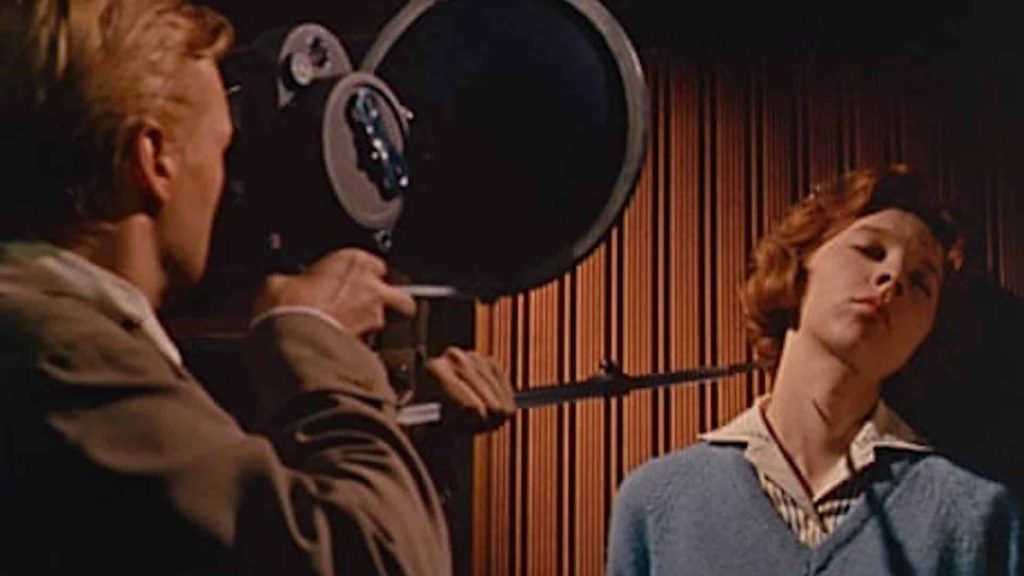
Part of what elevates Mark above many horror villains is his tragic backstory. Throughout the film we learn that his father, a psychologist, subjected him to disturbing fear experiments throughout his childhood, recording his reactions for scientific study. The result is a deeply damaged individual whose understanding of fear, intimacy and human connection has been completely warped. None of this excuses his actions, of course, but it creates a level of psychological complexity rarely seen in horror villains of the era.
Mark’s legacy can still be felt throughout the genre today. The killer POV shots that became a staple of slasher films, the voyeuristic stalking, the idea of making the killer the central character rather than simply the antagonist, all of it owes something to Peeping Tom. Without Mark Lewis, horror cinema would look very different. He may not have the body count of Jason Voorhees or the cultural recognition of Freddy Krueger, but his fingerprints are all over the genre.
That is exactly why he belongs in the Premier Class Tier. Mark Lewis isn’t simply a memorable killer. He’s a genuinely important one. His influence extends far beyond a single film, helping shape decades of horror storytelling that followed. More than sixty years after his debut, he remains unsettling, tragic, fascinating and surprisingly modern. That’s a rare achievement for any horror villain, let alone one who spends most of his time carrying a camera rather than a machete.