Manhunter Returns to Cinemas and 4K for Its 40th Anniversary
Forty years after it first stalked into cinemas, Michael Mann’s Manhunter is returning in spectacular fashion with a brand-new 4K restoration, theatrical screenings in both the United States and the United Kingdom, and a home entertainment release later this year.
For horror fans and thriller enthusiasts alike, this isn’t simply another classic film receiving a fresh coat of paint. Manhunter remains one of the greatest serial killer films ever made and a movie whose influence can still be felt across the genre nearly four decades later. Alongside The Silence of the Lambs and David Fincher’s Se7en, it belongs firmly in the conversation whenever the finest serial killer thrillers of all time are discussed.
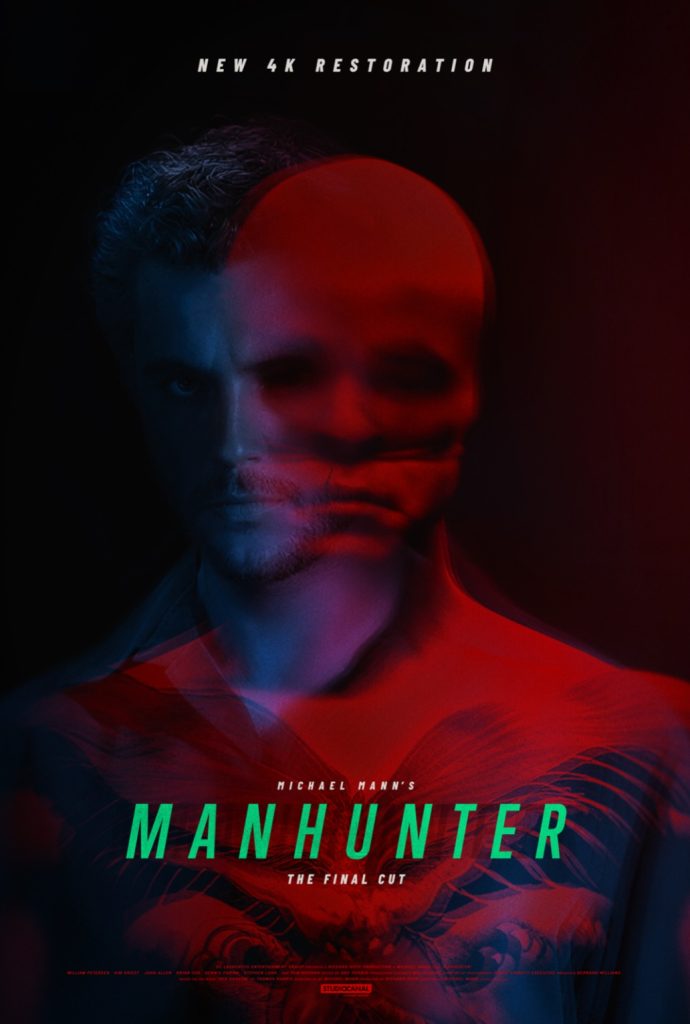
StudioCanal will launch Manhunter: The Final Cut in select US cinemas on July 24 following a special screening at the Academy Museum of Motion Pictures’ David Geffen Theater on June 12. UK audiences will then get their chance to experience the film on the big screen when it returns to cinemas on September 25. For those unable to attend the theatrical screenings, a home entertainment release is also planned for later in the year, although the specific boutique label handling physical media distribution has not yet been officially announced.
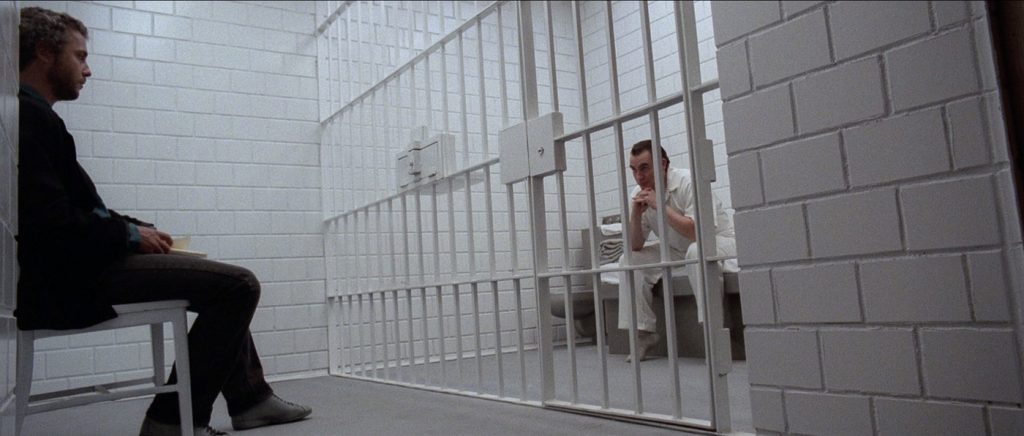
Based on Thomas Harris’ novel Red Dragon, Manhunter tells the story of retired FBI profiler Will Graham, played brilliantly by William L. Petersen. Forced back into service to track down a serial killer known as the Tooth Fairy, Graham reluctantly seeks assistance from incarcerated cannibalistic murderer Dr Hannibal Lecktor, portrayed by Brian Cox in the character’s first ever screen appearance. As Graham delves deeper into the investigation, he finds himself locked in a psychological battle with Francis Dollarhyde, the deeply disturbed killer at the centre of the case.
While Anthony Hopkins would later become synonymous with Hannibal Lecter, many fans still hold enormous affection for Brian Cox’s interpretation. Cox’s performance is colder, more grounded and arguably closer to the character Harris originally created. Yet as memorable as Lecktor is, the true star of Manhunter is Tom Noonan’s Francis Dollarhyde. His portrayal remains one of the most unsettling performances ever committed to film. Rather than presenting Dollarhyde as a cartoonish monster, Noonan creates a tragic, damaged and deeply frightening individual whose unpredictability makes every scene feel dangerous.
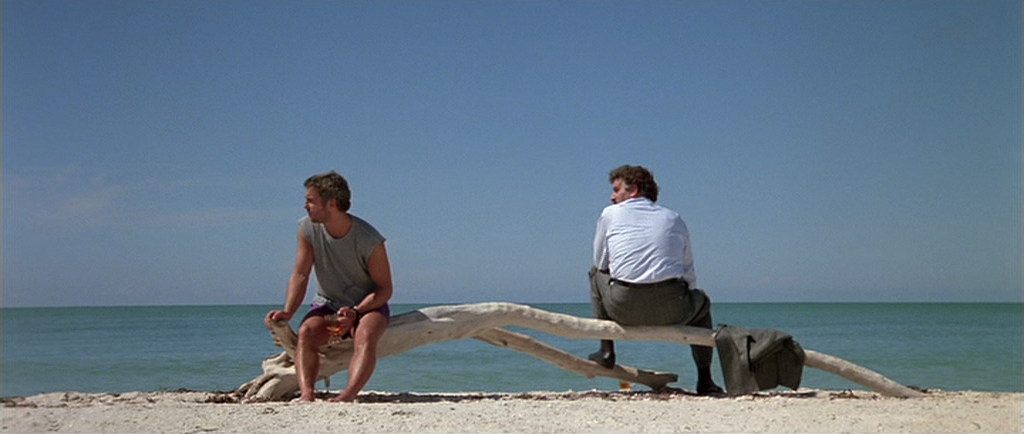
What truly elevates Manhunter above many of its contemporaries, however, is Michael Mann’s direction. Released in 1986, the film arrived years before serial killer profiling became a staple of popular culture. Today audiences are familiar with criminal profilers through countless films, television shows and documentaries. Back then, the subject matter felt fresh, disturbing and genuinely unsettling. Mann approached the material with a visual style unlike anything else in horror or thriller cinema at the time, creating a film that feels dreamlike, hypnotic and deeply threatening.
The atmosphere remains extraordinary even by modern standards. Neon lights wash across crime scenes. Empty spaces feel haunted. Every frame is drenched in tension. Mann’s ability to create dread without relying on cheap scares is one of the reasons Manhunter continues to hold up so remarkably well. Watching it today, it doesn’t feel like an old thriller being admired out of nostalgia. It feels contemporary, urgent and surprisingly modern.
The soundtrack deserves special mention as well. Over the years it has become legendary among film fans, combining synth-heavy score work with carefully selected songs that perfectly complement Mann’s distinctive visual style. Much like his later masterpiece Heat, the music in Manhunter is not simply background accompaniment. It becomes part of the film’s identity. Many scenes would not have the same emotional power without it.
What often gets overlooked is just how genuinely scary Manhunter remains. Modern audiences frequently describe older thrillers as tense or suspenseful rather than frightening, but Manhunter still manages to unsettle. Dollarhyde feels real. His crimes feel horrifying. The sense that violence could erupt at any moment hangs over the entire film. Rather than relying on gore or jump scares, the movie creates fear through atmosphere, psychology and anticipation.
This new restoration has been personally overseen by Michael Mann himself. The project includes a 4K scan of the original 35mm negative, restoration work carried out by L’Immagine Ritrovata in Bologna and new HDR and SDR grading completed alongside Mann. Audio has also been restored from the original 35mm magnetic masters to create a new 5.1 mix.
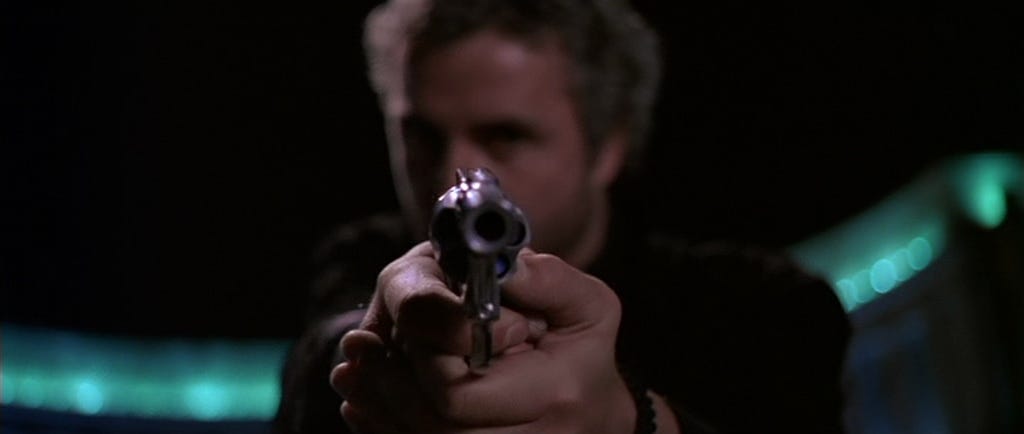
Speaking about the restoration, Mann explained that his goal was not simply to improve the image quality but to preserve the original impact the film had on audiences in 1986. He has previously spoken about wanting contemporary viewers to experience the same emotional intensity and sense of threat that audiences felt during the film’s original release.
For longtime fans, this is a rare opportunity to revisit a masterpiece in the best presentation it has ever received. For younger viewers who may only know Hannibal Lecter through Anthony Hopkins or television adaptations, it offers the chance to discover one of the most influential thrillers ever made.
Forty years later, Manhunter remains a remarkable achievement. Its performances are exceptional, its soundtrack iconic, its atmosphere unforgettable and its influence undeniable. More importantly, it remains exactly what every great serial killer thriller should be.
Terrifying.
Few films can celebrate a 40th anniversary while still feeling this relevant, this stylish and this effective. Manhunter is one of them.