Kurt Barlow From Salem’s Lot Sinks His Teeth Into The Hall Of Killers
Some killers do not need chainsaws or clown masks. Some just need fangs, an old house, and the confidence to pull off a blue skin tone. Today, we welcome Kurt Barlow, the nightmarish Nosferatu of Salem’s Lot, into the First Class tier of the Hall of Killers — the resting place of those who make fear look classy, even while drooling blood all over the carpet.
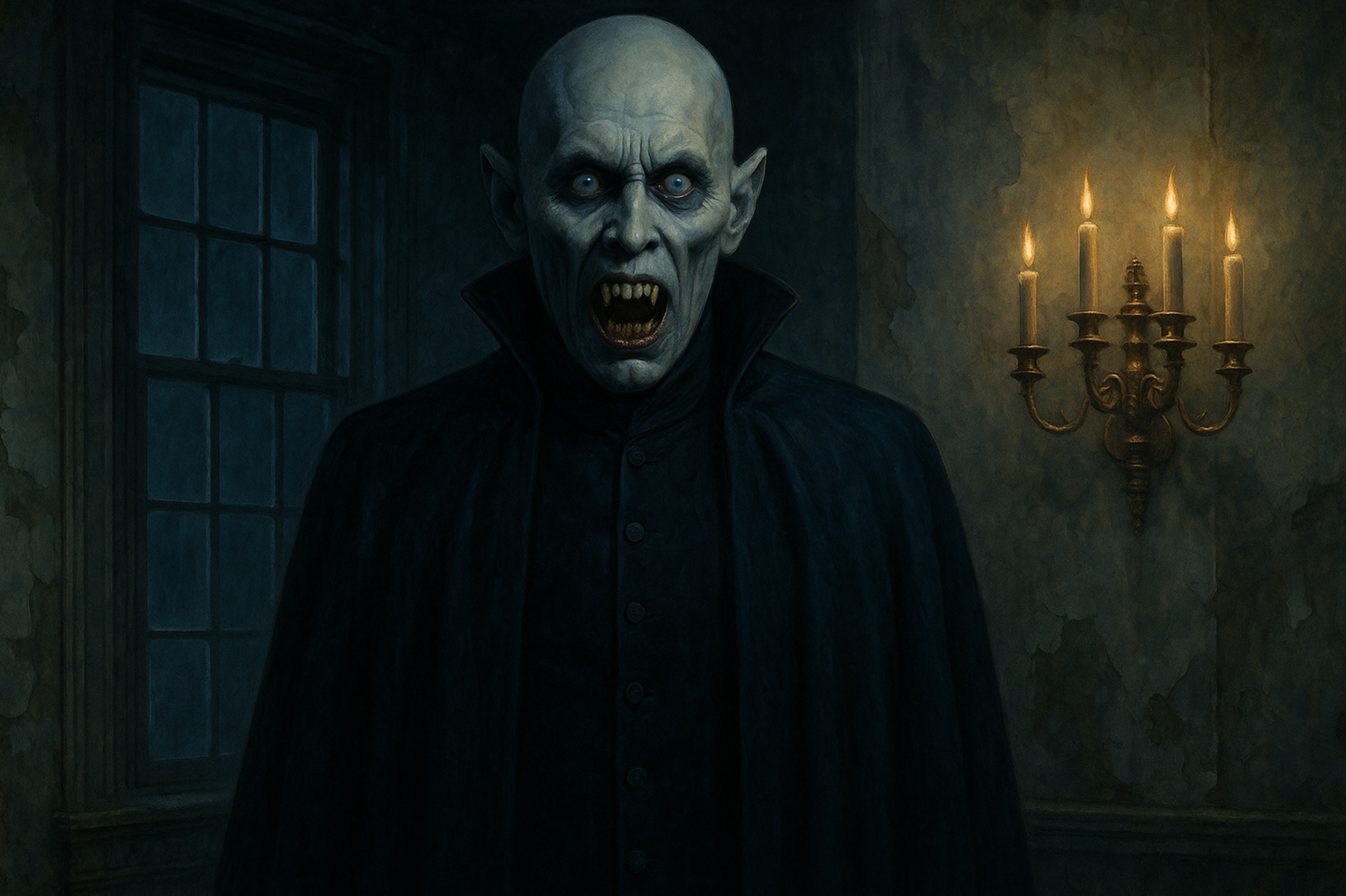
If Count Dracula is the refined aristocrat of horror, Barlow is his feral cousin who was not invited to dinner. Created by Stephen King in his 1975 novel and brought to undead life by Tobe Hooper in the 1979 television miniseries, Kurt Barlow is the reason a generation of viewers developed trust issues with dark windows. Played by Reggie Nalder, whose face already looked halfway to the grave before the makeup chair got involved, Barlow redefined the vampire for modern horror. Gone was the seductive, cape-swirling gentleman of yore. This vampire was a monster — silent, predatory, and with all the bedside manner of a rabid bat.
Set in the sleepy town of Jerusalem’s Lot (which the locals, in their Yankee efficiency, shorten to Salem’s Lot), the story follows novelist Ben Mears returning home only to find the population becoming a little more… bitey. Behind the growing plague of pale insomniacs is Barlow, an ancient bloodsucker who has decided to turn this quiet Maine town into his personal buffet.
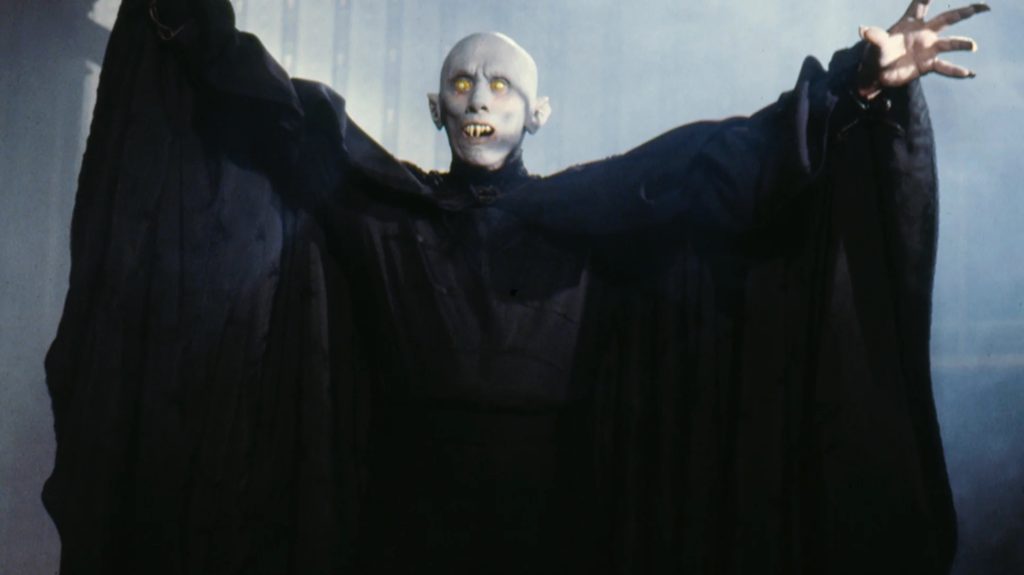
What made Barlow so terrifying was his sheer presence. He did not need long monologues about eternal life or dramatic lightning storms. He simply appeared, hissed, and ruined your night forever. The makeup effects by Jack Young transformed Nalder into a truly grotesque creature — bald, blue, and with teeth sharp enough to open a tin can. The image of him floating at a window, eyes glowing, fangs bared, is still one of the most iconic visuals in horror history. Kids in 1979 reportedly refused to go near their curtains for weeks. Some still do not.
What makes this particularly fun is that in King’s original novel, Barlow actually talked — charmingly at first, like a classic European vampire, before things got messy. But Tobe Hooper decided to go in a different direction for the screen adaptation, turning him into a wordless predator. It was a brilliant move. Nothing kills a mood faster than a verbose vampire explaining his life story. Silence made him scarier, and it allowed his human servant, Richard Straker (played with slimy brilliance by James Mason), to handle the fancy talk. Straker lured victims to the house, while Barlow just handled the eating. A perfect partnership.
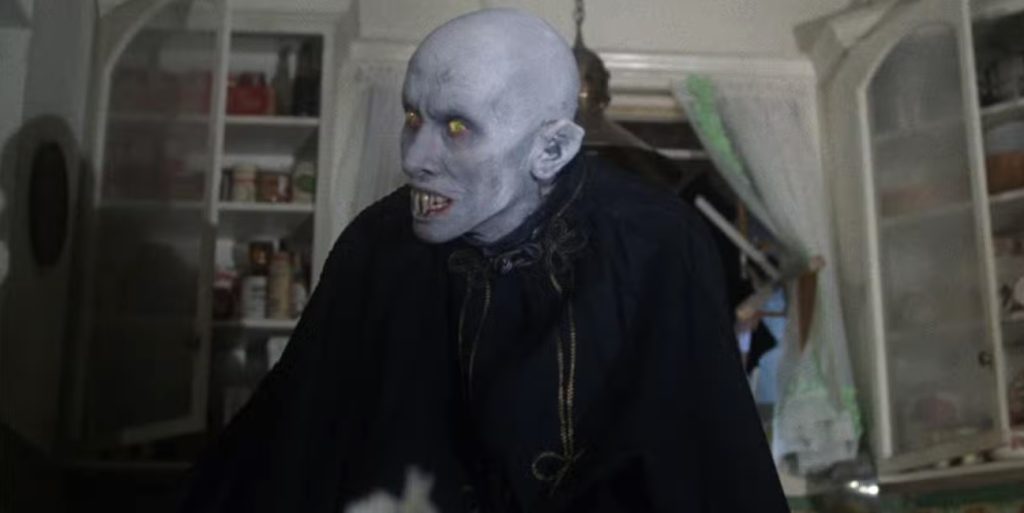
Salem’s Lot terrified television audiences when it premiered on CBS, pushing the boundaries of what could be shown in a TV horror movie. The moment when young Ralphie Glick floats up to his friend’s window, scratching on the glass and asking to be let in, is one of those all time horror moments. But it is Barlow’s sudden entrance later in the film that made people throw their popcorn across the living room. One second, he is a rumor. The next, he is standing in a cell, hissing into the camera with the confidence of a creature who knows bedtime is canceled.
Barlow’s influence on vampire cinema is enormous. Without him, there is no The Master from Buffy the Vampire Slayer, no Nosferatu homages in What We Do In The Shadows, and probably no reason to keep garlic in your kitchen other than for seasoning. He brought the monster back to vampirism — no romantic brooding, no disco collars, just raw, demonic hunger.
Of course, Barlow has had more than one incarnation. The 2004 remake, starring Rutger Hauer as the vampire, gave us a more eloquent version closer to the book. It was solid, but nothing compares to Nalder’s nightmare fuel. That chalky face, those dead eyes, the silence before the pounce — that is what horror fans live for.
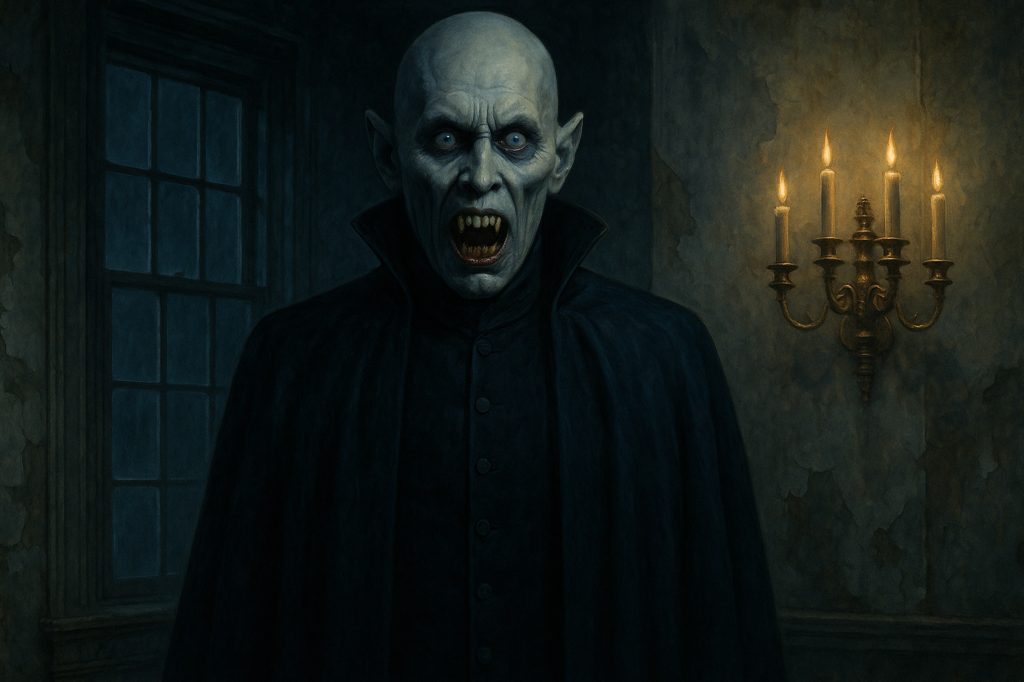
So here we are, raising a wooden stake in salute to Kurt Barlow, First Class inductee of the Hall of Killers. He may not be as famous as Dracula or as chatty as Lestat, but he did something few vampires ever managed — he terrified people on a made for television budget. That alone deserves eternal respect.
From his coffin to the curtains, from small town Maine to the nightmares of every 70s kid, Barlow has earned his spot among horror royalty. Welcome to the Hall, Kurt. Just try not to redecorate the place with blood.