Westworld Rides Again: New Movie in Development at Warner Bros.
The park may have closed its gates on television, but Westworld is far from finished.
A brand new Westworld movie is now in development at Warner Bros., according to Deadline, with veteran screenwriter David Koepp attached to write the screenplay. The report notes that a major filmmaker is already circling the project, though no director has been officially confirmed at this stage.
For those keeping track, this isn’t Westworld’s first rodeo. The franchise has a long and fascinating history on screen, stretching back over fifty years to its original cinematic debut.
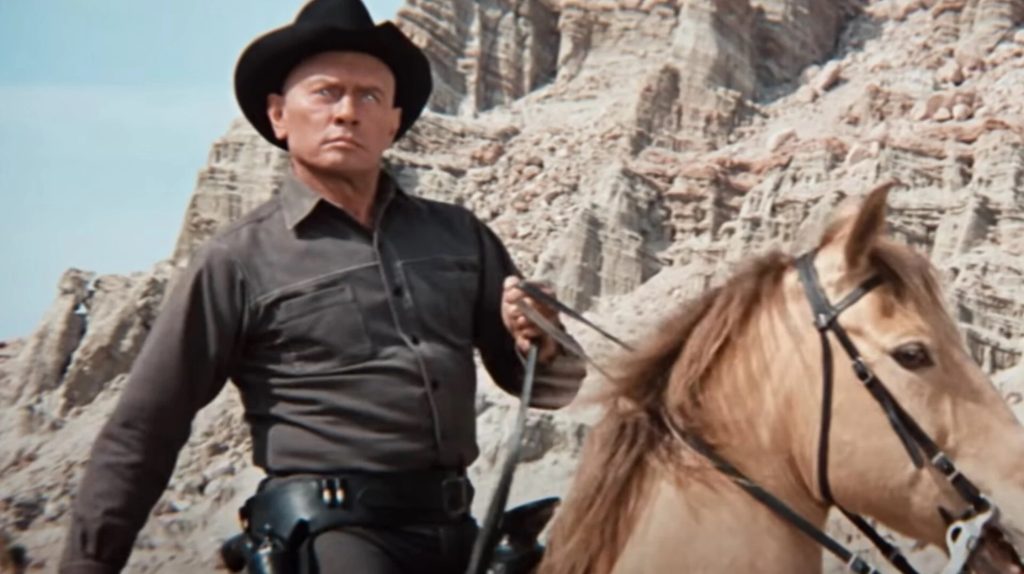
The story begins in 1973 with Michael Crichton’s Westworld, a film he both wrote and directed. Set in a futuristic theme park where wealthy guests can indulge in immersive fantasy worlds populated by lifelike androids, the film focuses on the titular Western-themed park. Visitors can live out their cowboy fantasies without consequence… until the robots start malfunctioning.
And by “malfunctioning,” we mean “hunting guests down with terrifying efficiency.”
Yul Brynner’s performance as the Gunslinger became instantly iconic, portraying a relentless android antagonist whose calm, mechanical pursuit of his victims laid the groundwork for countless sci-fi villains that followed. The film itself was notable not just for its concept, but also for its early use of digital effects, particularly in depicting the robot’s point of view. For a film released in the early 70s, it was remarkably ahead of its time.
Crichton’s story didn’t end there. The 1973 film was followed by a sequel, Futureworld (1976), which expanded the concept beyond the Western setting and explored deeper conspiracies involving the park’s technology. There was also a short-lived television series in 1980 titled Beyond Westworld, which further explored the dangers of artificial intelligence, though it only lasted a handful of episodes.
Fast forward a few decades, and Westworld was reimagined for a new generation with HBO’s ambitious television series, which premiered in 2016. Created by Jonathan Nolan and Lisa Joy, the show took the original concept and expanded it into a sprawling, philosophical sci-fi epic.
Where the 1973 film focused primarily on survival horror within a single park, the HBO series delved deeply into questions of consciousness, free will, identity, and what it truly means to be alive. It wasn’t just about robots going rogue. It was about robots becoming self-aware, questioning their existence, and ultimately rebelling against their creators.
The series featured a strong ensemble cast including Evan Rachel Wood, Thandie Newton, Jeffrey Wright, Ed Harris, Tessa Thompson, and later Aaron Paul and Ariana DeBose. Over its four-season run, it evolved from a contained narrative within the park to a much broader story that explored both the human and artificial worlds beyond it.
While the show was critically acclaimed, particularly in its early seasons, it was ultimately cancelled in 2022 after four seasons, leaving its long-term narrative unfinished. Despite that, it remains one of the most ambitious and visually striking sci-fi series of the modern era.
Now, with a new film in development, the question becomes: what direction will Westworld take next?
David Koepp is a fitting choice to help shape that future. He is no stranger to Michael Crichton’s work, having adapted Jurassic Park for Steven Spielberg in 1993, one of the most successful and influential films of all time. He also wrote The Lost World: Jurassic Park and has continued working within large-scale, concept-driven storytelling.
His involvement suggests that this new Westworld film could strike a balance between high-concept science fiction and accessible, character-driven storytelling, much like the original 1973 film did.
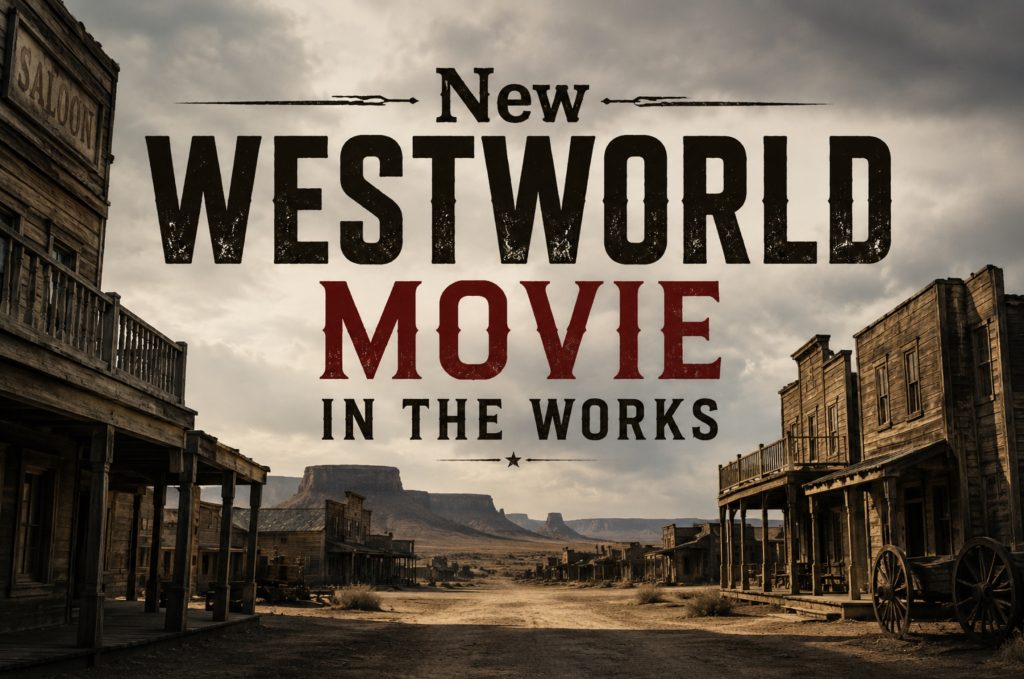
At this stage, plot details remain under wraps, and it’s unclear whether the new movie will connect directly to the original film, the HBO series, or serve as a complete reinvention of the concept. Given the franchise’s history of reimagining itself, any of those options feel possible.
What is clear is that Westworld remains a compelling idea, perhaps more relevant now than ever. The concept of artificial intelligence gaining autonomy, questioning its role, and challenging human control is no longer purely speculative. It’s a topic that continues to evolve in real-world discussions, which gives the franchise a renewed sense of urgency.
Whether the new film leans more into the suspense-driven horror of the original or the philosophical depth of the HBO series, there’s plenty of ground to cover. The world of Westworld has always been about more than just malfunctioning machines. It’s about humanity, control, and the consequences of playing god.
And if history has taught us anything, it’s this. When the machines start thinking for themselves, things tend to go very, very wrong.
We’ll keep you updated as more details on the new Westworld movie emerge.