Whistle Review: A Cursed Death Whistle And Bloody Teen Carnage
There is a special kind of horror movie temptation that has existed since the dawn of teenagers. You see an ancient object. It looks weird. It looks forbidden. It looks like it should be kept behind glass with a sign that says DO NOT TOUCH in sixteen languages. And what do you do?
You touch it. You blow it. You share it with your mates. You basically form a committee dedicated to making the worst possible decision at the fastest possible speed.
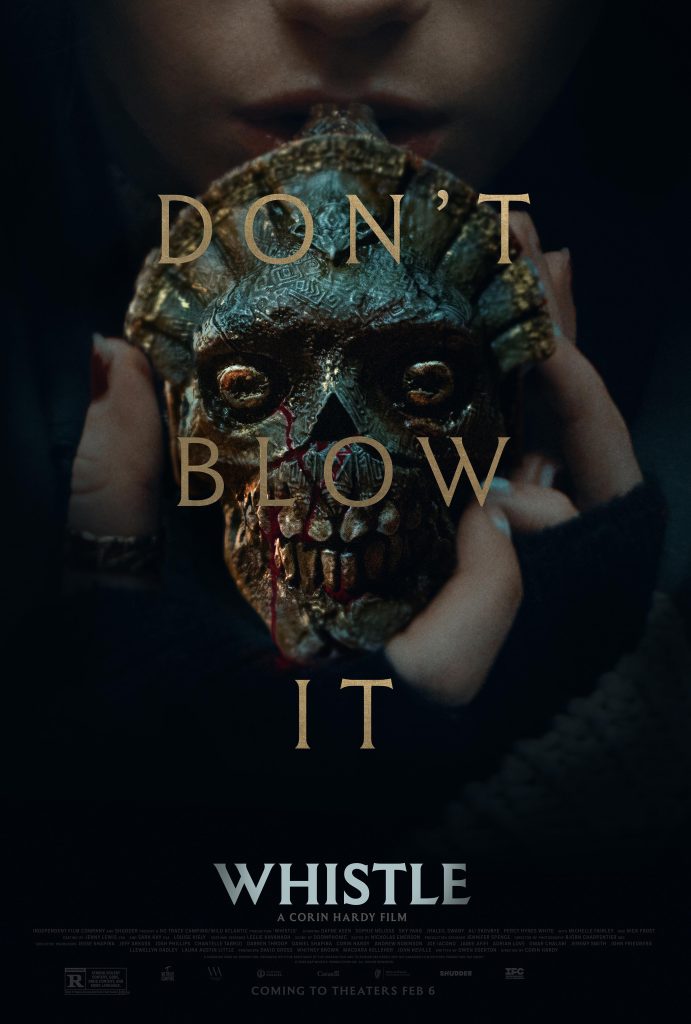
That is the engine of Whistle, Corin Hardy’s supernatural teen chiller about an ancient, skull shaped Aztec death whistle that does not simply make a horrible sound. It makes a promise. The inscription on it lays out the idea in blunt terms. If you use it, you “summon your death.” The truly nasty twist is the mechanism. If you blow it, or even if you hear it, you do not just get stalked by some random spooky thing that lives in a cupboard. You get marked by the exact cause of death you were always going to face, except it arrives now, decades early, kicking the door in like it owns the place.
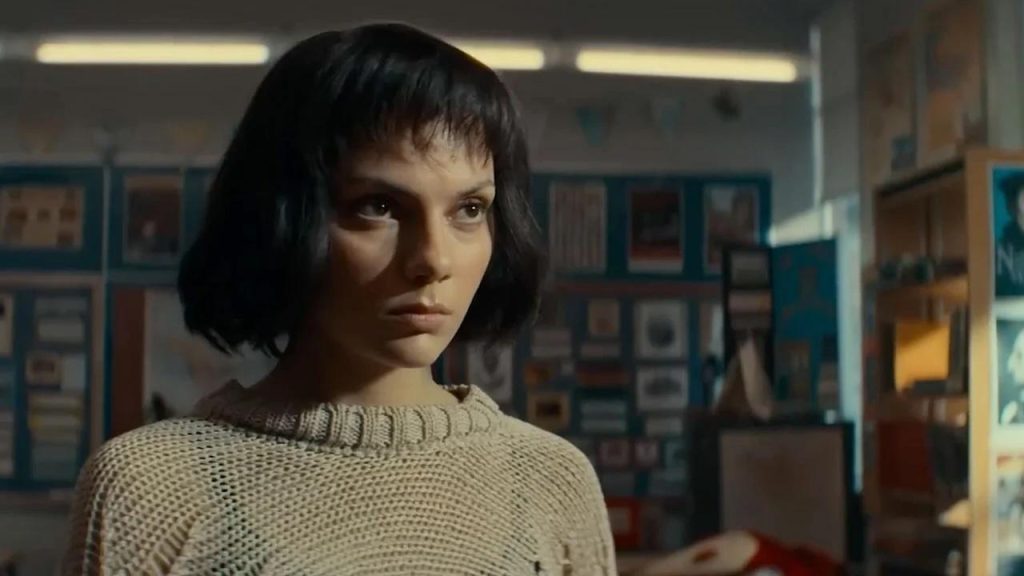
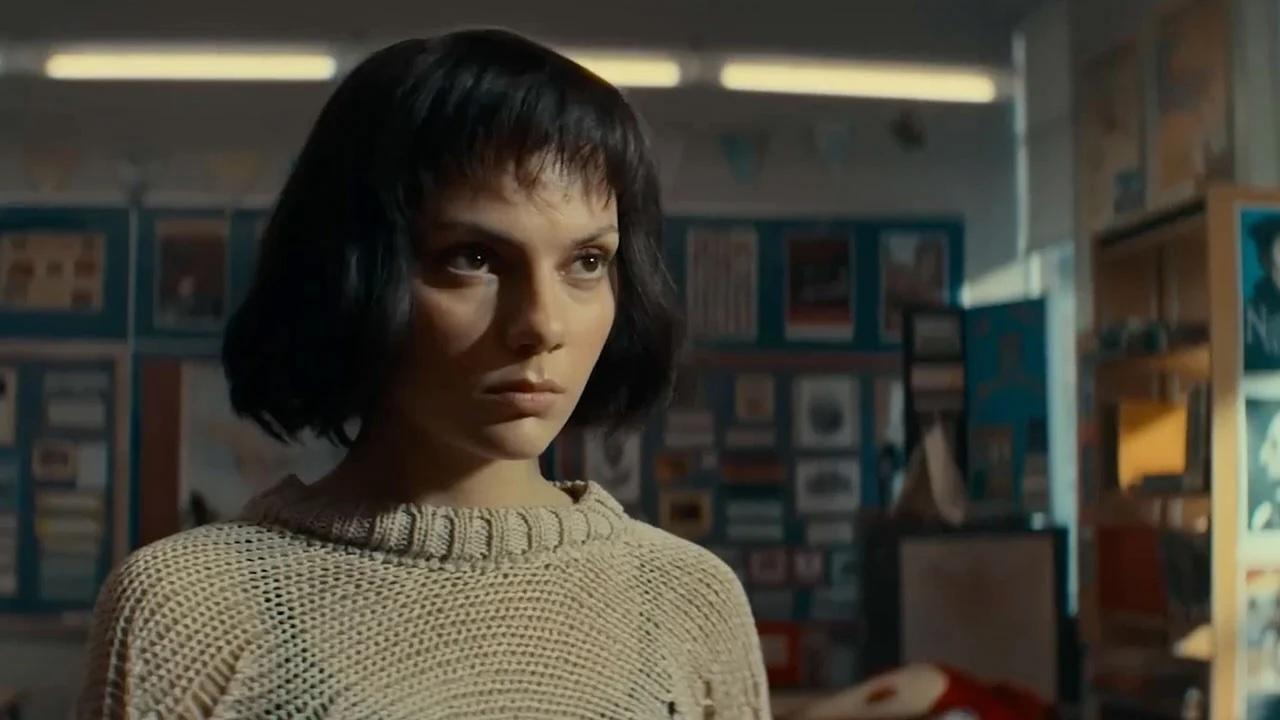
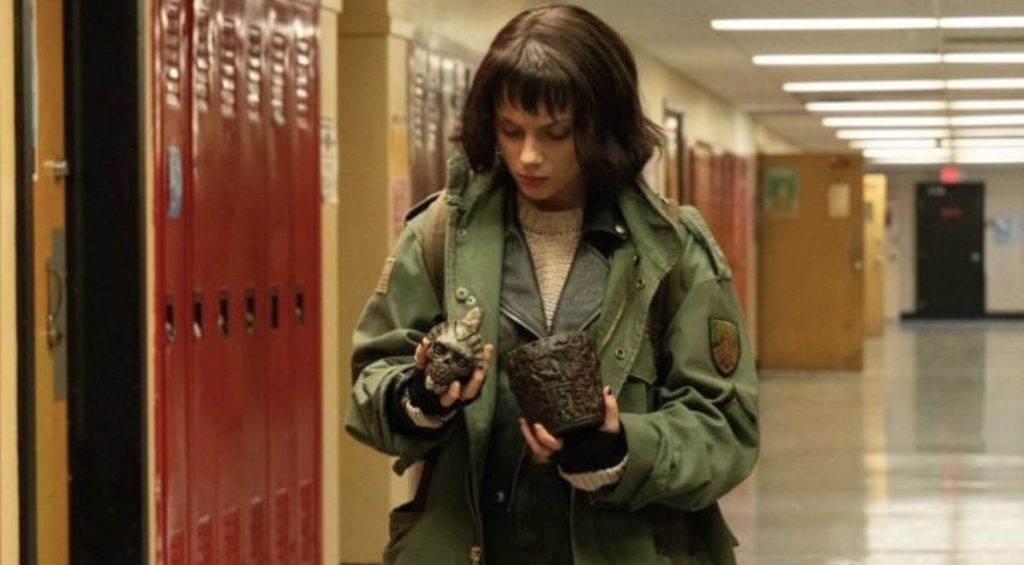
The film is set around Pellington High School, where the new girl, Chrysanthemum “Chrys” Willet (Dafne Keen), transfers in after a family tragedy. She gets assigned a locker that once belonged to a star athlete who died in horrific circumstances, and inside that locker sits the whistle, waiting patiently like it has been paying rent. There is a bitterly mundane sting to this detail that the film wisely leans on. The whistle has been there because the school never properly cleared the locker out. It is not just a plot convenience. It is a neat little snapshot of the town itself, a place that seems used to looking past rot because rot has been part of the wallpaper for a long time.
Once the whistle enters the social bloodstream of the school, it does what cursed objects do best. It turns ordinary places into hunting grounds. Pellington becomes a drab, damp, post industrial kind of environment, with Hardy pushing atmosphere hard. Fog, shadow, empty streets, harsh lighting choices. The town looks like it has not been properly cheerful since someone invented grey.
Chrys is surrounded by a familiar constellation of classmates, even when the film tries to give them small swerves away from the expected lanes. There is Rel (Sky Yang), her geeky but loyal cousin, and Ellie (Sophie Nélisse), who becomes both confidant and potential love interest. Around them are the social gravitational forces of high school, including jock Dean (Jhaleil Swaby) and his girlfriend Grace (Ali Skovbye). Rumours swirl around Chrys, including talk of a past drug habit and darker whispers connected to her father. The film uses that cloud to give her a wounded, guarded presence from the start, and Keen sells that well. Chrys already looks like someone who feels marked before anything supernatural even happens.
The trouble is that Whistle often introduces these people, gives them one or two traits, and then hits the fast forward button the moment the killing starts. Once the whistle has been heard, the film’s priority becomes momentum and mayhem, not deepening relationships. That is why some of the teen drama and romance beats feel like they are trying to bloom in a greenhouse that keeps getting set on fire.
When the film is working, it is working in two main areas.
First, the rules of the curse are simple and consistent, which matters in a story like this. The whistle is not a random chaos machine. The danger takes shape as the physical form of someone’s eventual demise. That concept is strong enough to carry a lot of set pieces, and the movie has fun with the cruelty of it. A death meant for later life can show up at a teenager’s bedside. The film’s creatures and entities are often presented as avatars tied to future selves, which adds a psychological sting when it lands. You are not just being chased by a monster. You are being chased by your own ending.
Second, Hardy absolutely comes alive staging the kill scenes. This is where Whistle earns its keep as a horror watch. Bodies distort, limbs snap, and the film leans into the damage with a grin you can practically hear. Some of the deaths go for expressively grisly results, occasionally pushing into effects that look more digital than ideal, but the overall intent is clear. The film wants those moments to be the big, nasty punctuation marks. There is also a Halloween carnival sequence that multiple reactions single out as the point where Whistle becomes more chaotic and unpredictable, helped by the shift in colour and energy. It is the sort of sequence where you can feel the director enjoying the ride, and that counts for a lot.
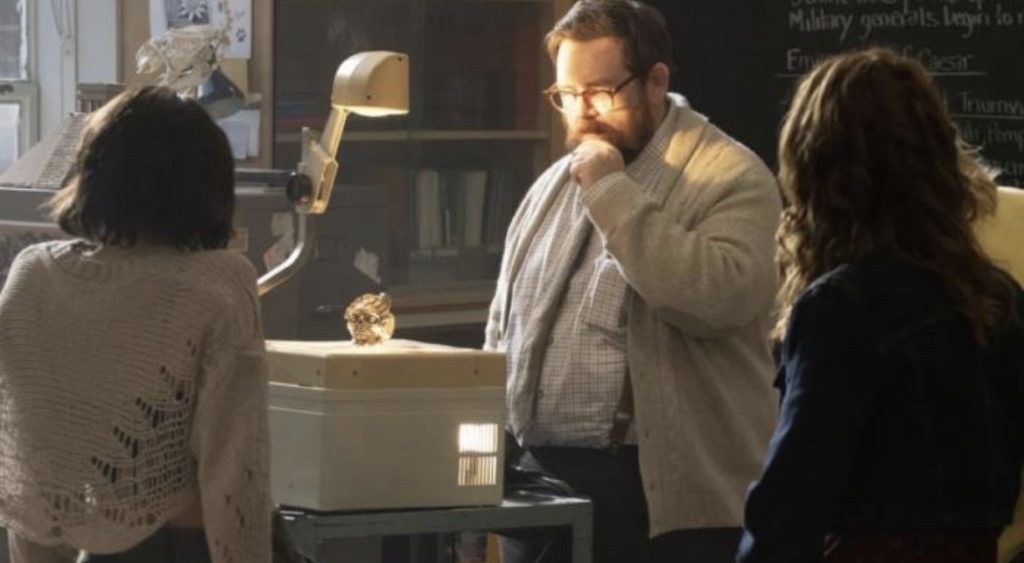
Outside the carnage, the film can feel thin. The mythology around the whistle is sketched in broad strokes and then mostly waved past. We do get exposition through an older character, Mrs Raymore, who helps explain what the object does and points toward its origins. The teens also lean on modern tools, including an online relic database, to trace the whistle’s history. The history teacher, Mr Craven (Nick Frost), is pulled into the curse through curiosity and self interest, blowing the whistle after taking it to test it, with the idea of resale entering the conversation. Frost is a welcome presence, even if the film does not always give him as much to do as you might hope beyond helping the plot move from A to B.
Hardy also peppers in some nods for genre fans, including background details like a box of Muschietti Cigars, a Verhoeven Steel plant sign, and the teacher named Mr Craven. These little touches will either amuse you or make you roll your eyes, depending on whether you enjoy that sort of scavenger hunt. They do not change the larger issue, which is that Whistle is often more exciting in its set pieces than it is in its character writing.
So where does that leave it?
Whistle is not a reinvention of anything. It is a familiar framework with a strong hook, a solid lead performance from Dafne Keen, a handful of effective jump scares, and a body count that does not mess about when it decides to get nasty. It is also a film that sometimes treats its teenagers like pieces on a board rather than people you want to spend time with, which makes the quieter stretches feel like waiting for the next whistle blast.
If you go in wanting atmosphere, gore, and a clean supernatural rule that lets the filmmakers get creative with death, you will get what you came for. If you want rich character arcs, deeper relationships, and a mythology that feels fully explored rather than lightly referenced, Whistle will probably leave you wishing it had spent as much time on the humans as it does on the horrible ways to turn them into a problem for the cleaning staff.