28 Years Later: The Bone Temple makes a bloody mess and we mean that as a compliment
Ralph Fiennes sings Duran Duran. An infected man the size of a light aircraft cradles him like a weighted blanket. Jack O’Connell runs a Jimmy Savile-inspired death cult. And somewhere in the middle of all this, 28 Years Later: The Bone Temple still manages to be one of the most unique, disturbing, and entertaining horror films of 2026.
Picking up directly from last year’s 28 Years Later, this fourth entry (or part two of the new trilogy) doubles down on the madness teased in the final frames of its predecessor. Gone are the bleak, grounded tones of the first two films. In comes the chaos, and to be fair, it mostly works.
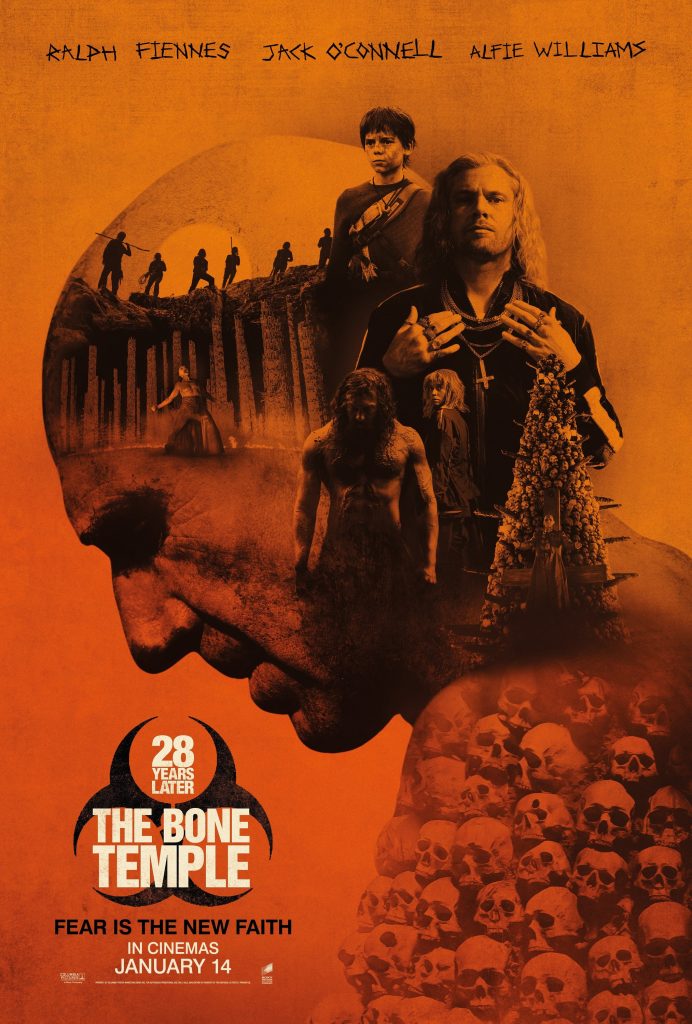
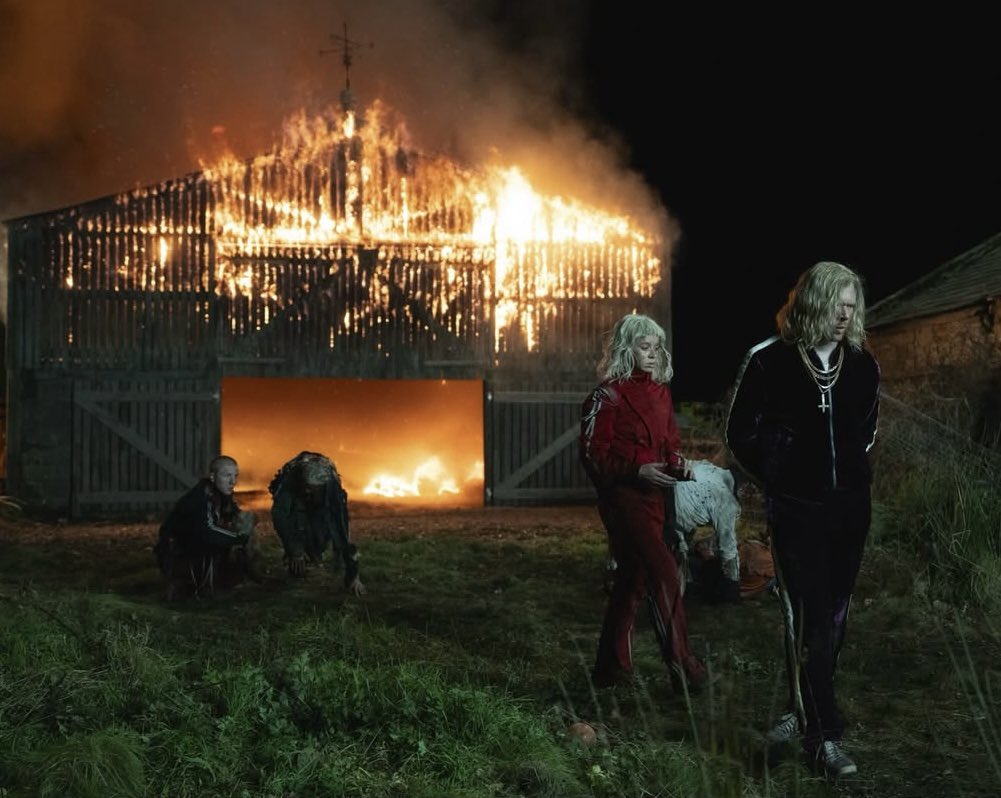
We start with Spike (Alfie Williams), last seen being captured by the Jimmys, a gang of bleached-blond, tracksuit-wearing lunatics who refer to themselves as “fingers” and believe their ringleader, Jimmy Crystal (Jack O’Connell), is the son of Satan himself. If that sounds insane, wait until you see their initiation ritual, which involves a knife fight in a drained water park pool. Yes, it’s every bit as unhinged as it sounds.
O’Connell is superb here. He plays Jimmy Crystal with a twitchy charisma, bouncing between charming sociopath and religious megalomaniac. His gang of Jimmys are sadistic, fanatical, and obsessed with the Teletubbies — and no, that’s not a typo. They literally dance to it. It’s the kind of madness that feels like it shouldn’t belong in this franchise. And yet, it somehow does.
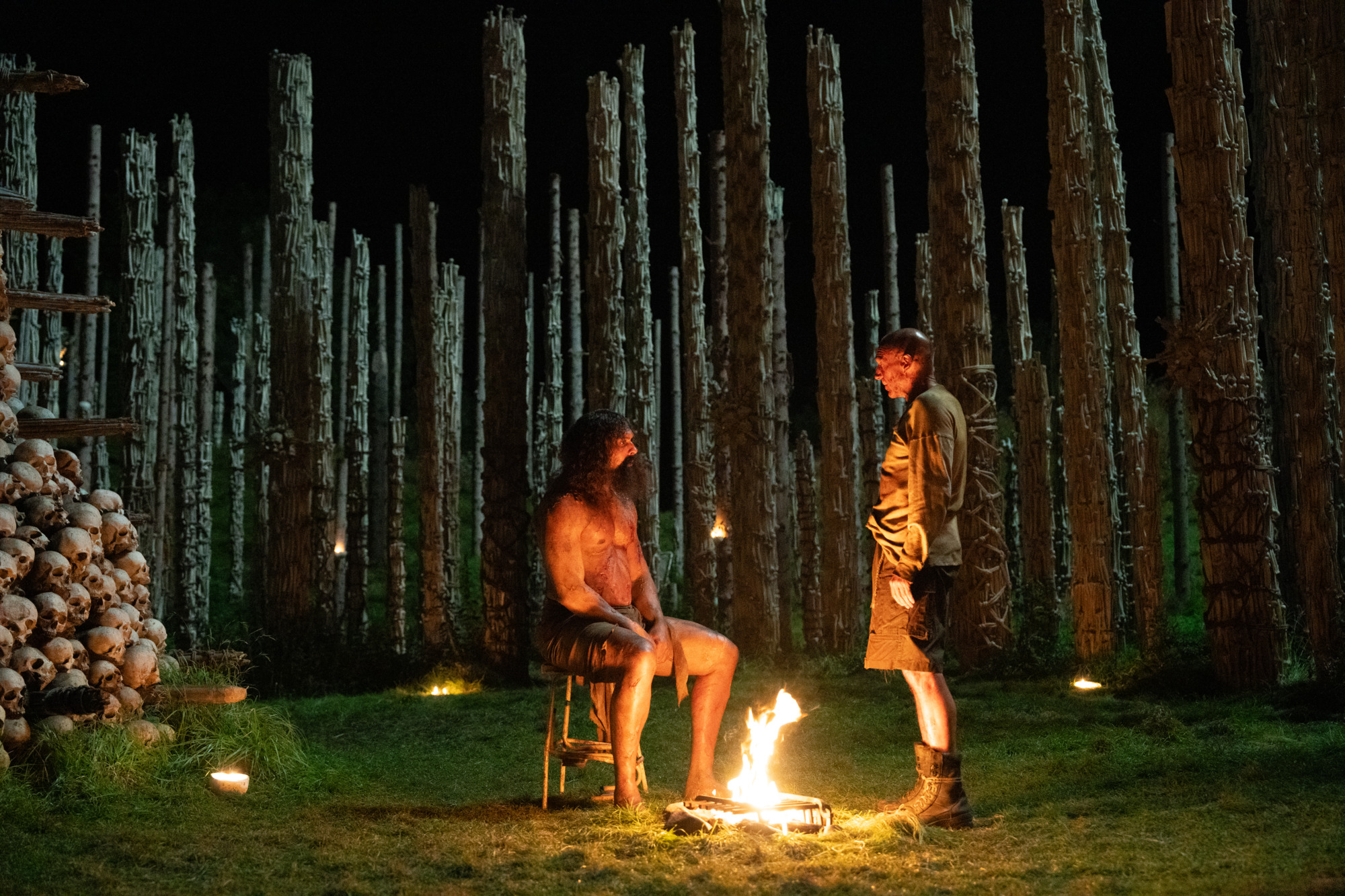
Meanwhile, over in the titular Bone Temple, a skeletal monument to the pandemic dead, we’re treated to an entirely different tone. Here, Ralph Fiennes’ Dr Ian Kelson is conducting experiments on the infected, specifically a hulking alpha known as Samson (played by real-life MMA fighter Chi Lewis-Parry). Their relationship is the weirdest, strangest joy of the film. They get high together, they hold hands, they nap in fields. At one point, Fiennes is shirtless, slow dancing with a naked infected. And honestly? It’s beautiful. Horrifying, but beautiful.
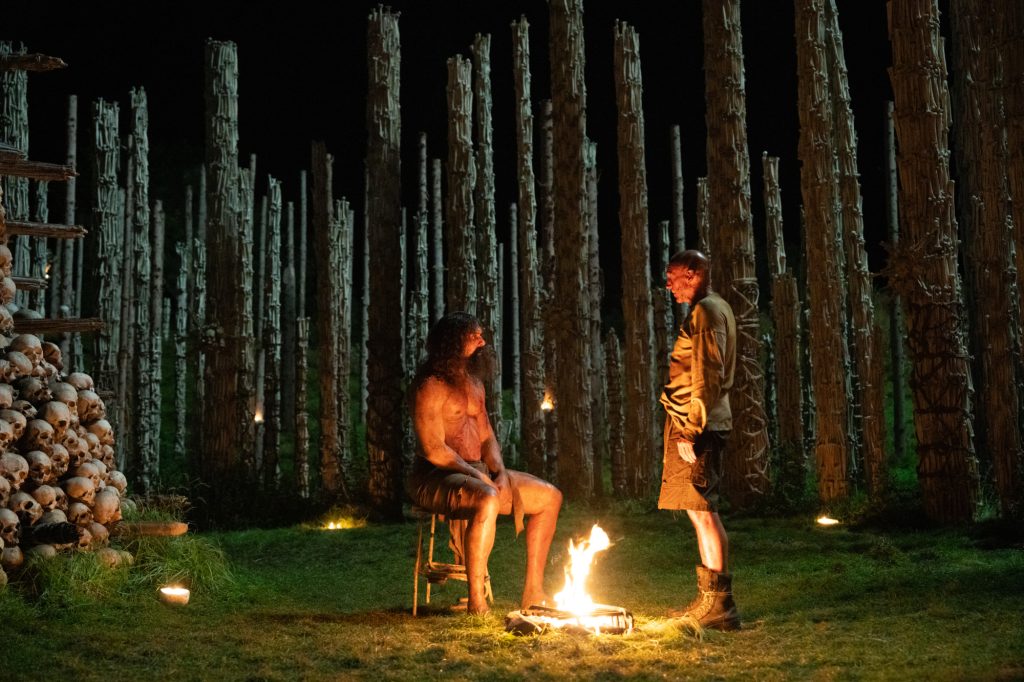
Fiennes delivers a performance that only he could pull off, equal parts mad scientist, grieving idealist, and vinyl enthusiast. At any given moment, he might be injecting a sedative into a monster, then slipping on Rio by Duran Duran to chill out. He even makes a compelling case for Iron Maiden as mood music. Say what you want, but the man commits.
If 28 Years Later was a tonal bridge between the pandemic realism of Days and the bleak decay of Weeks, then The Bone Temple fully embraces the madness. This is a film where cults and chaos reign, and the infected are almost secondary. Samson aside, the rage-filled zombies take a backseat to the horrors inflicted by the living.
There’s a real nihilism baked into Alex Garland’s script. It asks what’s left of humanity when society has been gone for nearly three decades. For the Jimmys, it’s sadism disguised as faith. For Kelson, it’s a stubborn belief in science and order. For Spike, it’s survival, at the cost of his own soul. There’s no catharsis, no grand heroism. Just broken people in a broken world, trying to make it through another day.
That said, the film does occasionally veer a little too far into the absurd. The Jimmys, while entertaining, are so cartoonishly evil that it threatens to snap the tension. The Teletubbies bit, in particular, is going to be the Marmite moment for a lot of viewers. You’ll either find it hilarious or completely immersion-breaking.
Likewise, the final act features a surprise cameo and a tonal shift that may not sit well with fans expecting the same despairing punch as previous endings. It doesn’t ruin the film, but it does soften the blow. If anything, it feels like a studio note, a reminder that this is part of a bigger franchise with more stories to tell.
Director Nia DaCosta (yes, that Nia DaCosta) proves she can handle large-scale horror with flair. After her misfire with Candyman, this is a real step forward. Whether or not Danny Boyle was pulling strings behind the scenes, DaCosta delivers a stylish, brutal, and surprisingly emotional horror film. If she sticks to this trajectory, her future in genre cinema is looking strong.
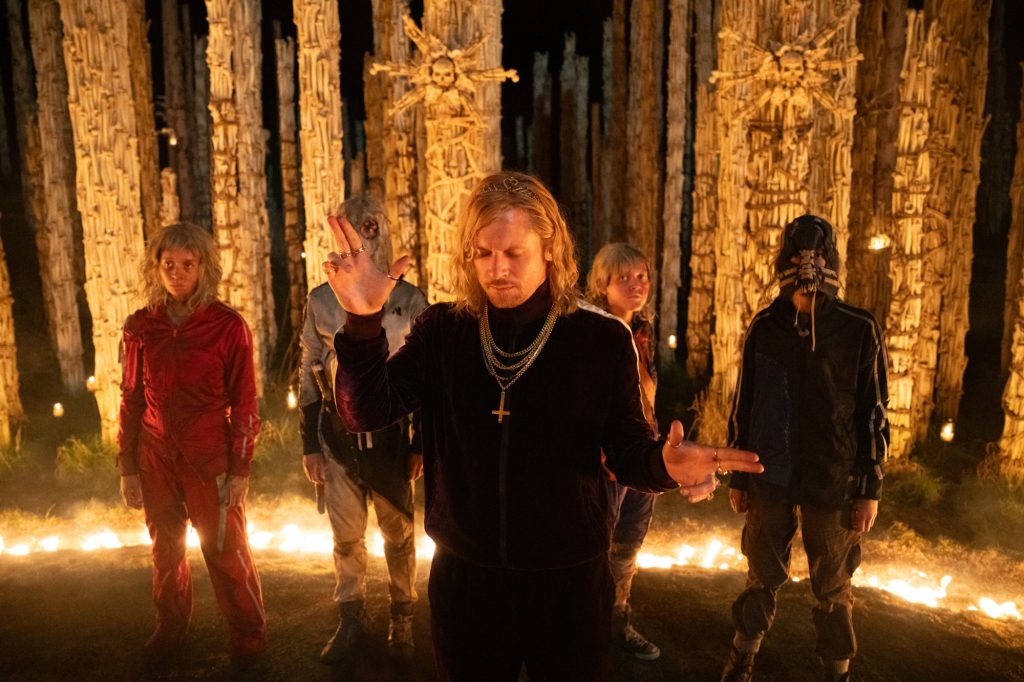
Visually, The Bone Temple is striking. Cinematographer Sean Bobbitt replaces Anthony Dod Mantle and brings a more operatic feel to the franchise, particularly in the drug-induced dream sequences and cult rituals. There’s a real sense of hell on Earth here, especially in the climactic confrontation at the Temple itself.
In the end, 28 Years Later: The Bone Temple may not be as tightly focused as Days or as relentlessly bleak as Weeks, but it pushes the franchise into bolder, more unhinged territory. Fiennes is a revelation. O’Connell is a riot. The infected are still terrifying. And yes, the soundtrack absolutely slaps.
We don’t know what 28 Years After has in store, but if this is the middle chapter of the trilogy, then bring it on.