
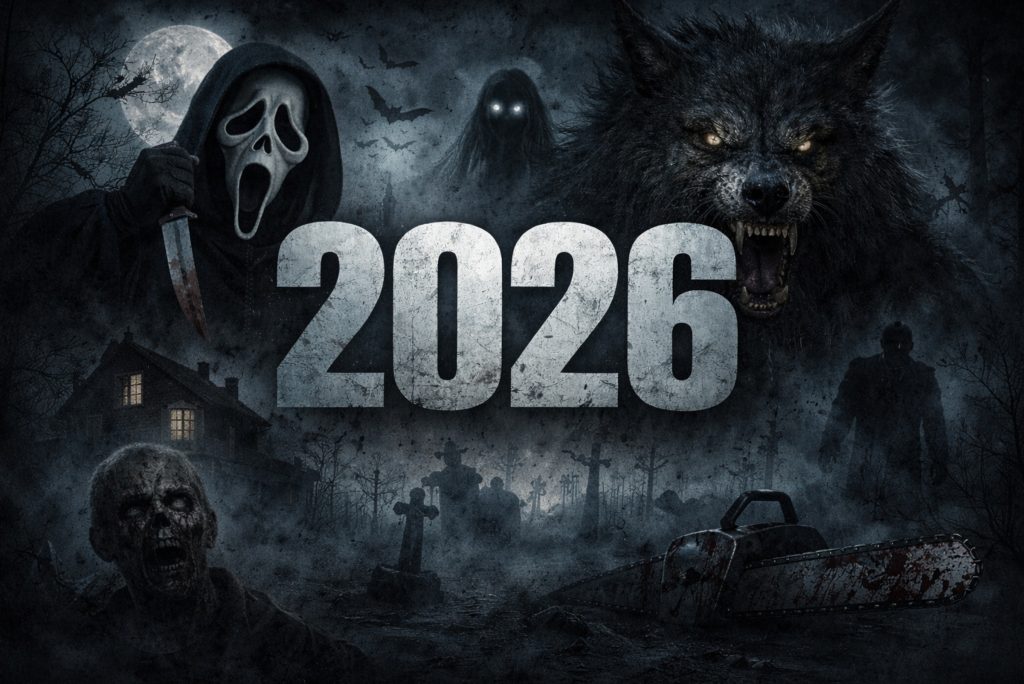
Horror in 2026 Is Coming in Hot, Bloody, and Unhinged — Here’s What to Watch For
If 2025 was the year horror proved it could still dominate the box office, 2026 looks like the year it stops asking permission altogether.
Studios, indie distributors, and prestige filmmakers are lining up an avalanche of horror releases that span every corner of the genre. Zombies, slashers, legacy sequels, found footage nightmares, literary reimaginings, body horror, folk terror, and gleefully deranged originals are all competing for attention. The result is a release calendar that feels almost unfairly stacked.
This isn’t a trend year.
It’s a takeover.
January: No Warm-Up, No Mercy
2026 begins brutally early, with January wasting no time reminding audiences that post-holiday cheer is temporary.
We Bury the Dead arrives with Daisy Ridley leading a bleak, character-driven zombie drama set against the scorched remains of Tasmania. Directed by Zak Hilditch, the film favours grief, endurance, and quiet despair over spectacle, positioning itself closer to existential horror than outbreak chaos.
Sharing that early January space is The Plague, a deeply unsettling coming-of-age horror set at a boys’ water polo camp, where cruelty hides behind tradition — and something genuinely terrifying may be lurking beneath what’s dismissed as a joke.
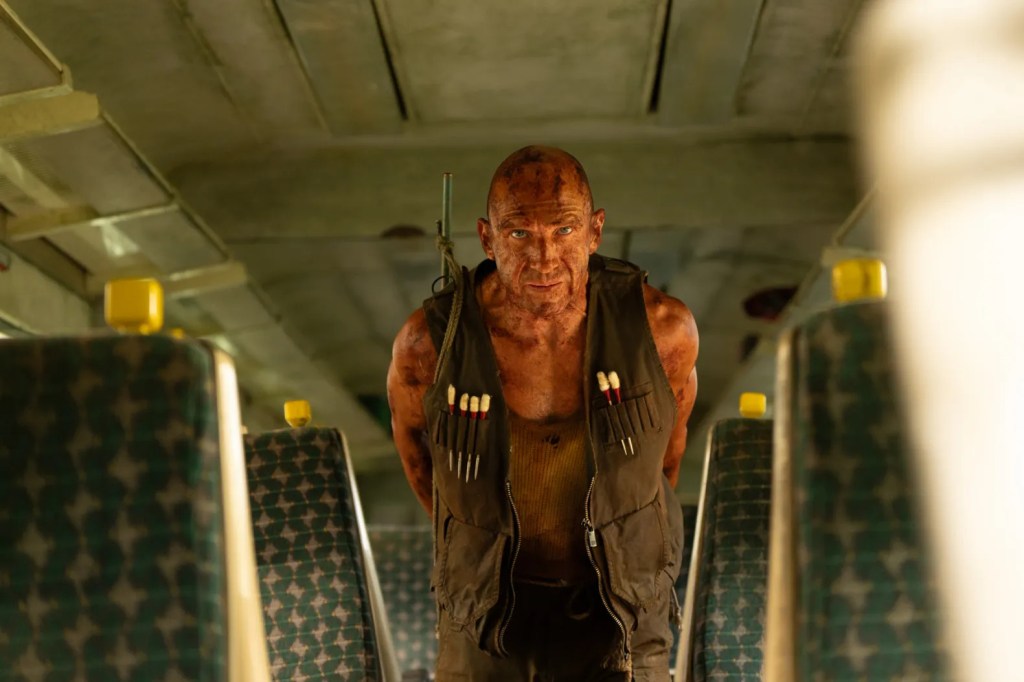
Mid-January sees the return of one of modern horror’s most influential worlds with 28 Years Later: The Bone Temple. Directed by Nia DaCosta and written by Alex Garland, the film reframes the franchise yet again — shifting the horror away from rage-infected monsters and toward the far more disturbing idea of survivor societies collapsing under their own rules. With Ralph Fiennes and Jack O’Connell joining the cast, the apocalypse becomes social, not viral.
January continues strong with Return to Silent Hill, bringing Christophe Gans back to the franchise he first adapted in 2006. Drawing heavily from Silent Hill 2, the film leans into guilt, grief, and psychological punishment rather than jump scares, marking a serious attempt to realign the series with its source material.
February: Trauma, Time Loops, and Legacy Bloodshed
February 2026 doesn’t slow things down — it sharpens them.
Psycho Killer delivers a grounded serial killer story led by Georgina Campbell, while Redux Redux dives headfirst into high-concept sci-fi horror. The latter follows a mother hunting her child’s killer across parallel universes, turning grief into an endless and morally corrosive loop.
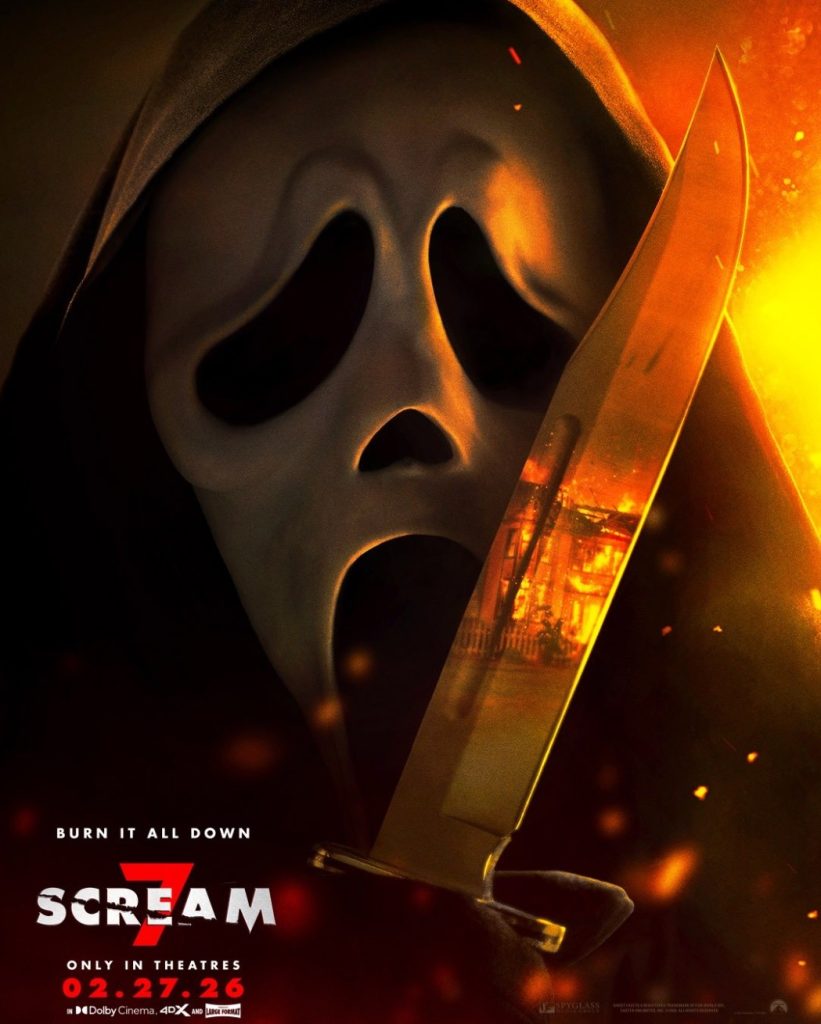
Late February brings one of the year’s biggest mainstream horror events: Scream 7. Neve Campbell returns as Sidney Prescott, pulled back into violence when her own daughter becomes the target. It’s a rare slasher sequel openly grappling with legacy trauma and generational fear — while still promising sharp knives and sharper commentary.
March: Auteur Horror Takes Over
March may be the most creatively dense month of the entire year.
Maggie Gyllenhaal’s The Bride reimagines Frankenstein through a feminist and political lens, pairing Jessie Buckley with Christian Bale. A24 releases The Undertone, a paranoia-soaked, found-footage-adjacent story about a podcast host unraveling through cursed audio recordings.
Julia Ducournau follows Titane with ALPHA, a body horror drama built around disease, fear, and adolescence, while Ready or Not 2: Here I Come finally brings Samara Weaving back into blood-soaked chaos, ritualistic wealth, and violent inheritance.
This is horror as statement, not comfort food.
Spring: Folk Horror and Erotic Obsession
Spring keeps things psychologically charged.
Hokum, a folk-horror-infused psychological nightmare set in Ireland and led by Adam Scott, promises dread rooted in landscape, belief, and repression. Obsession signals the return of erotic horror, built around a cursed wish premise that feels ripped straight from the 1990s — but filtered through modern anxieties about desire, control, and consequence.
Summer: Demons, Gore, and No Safety Nets
Summer 2026 belongs to the demons.
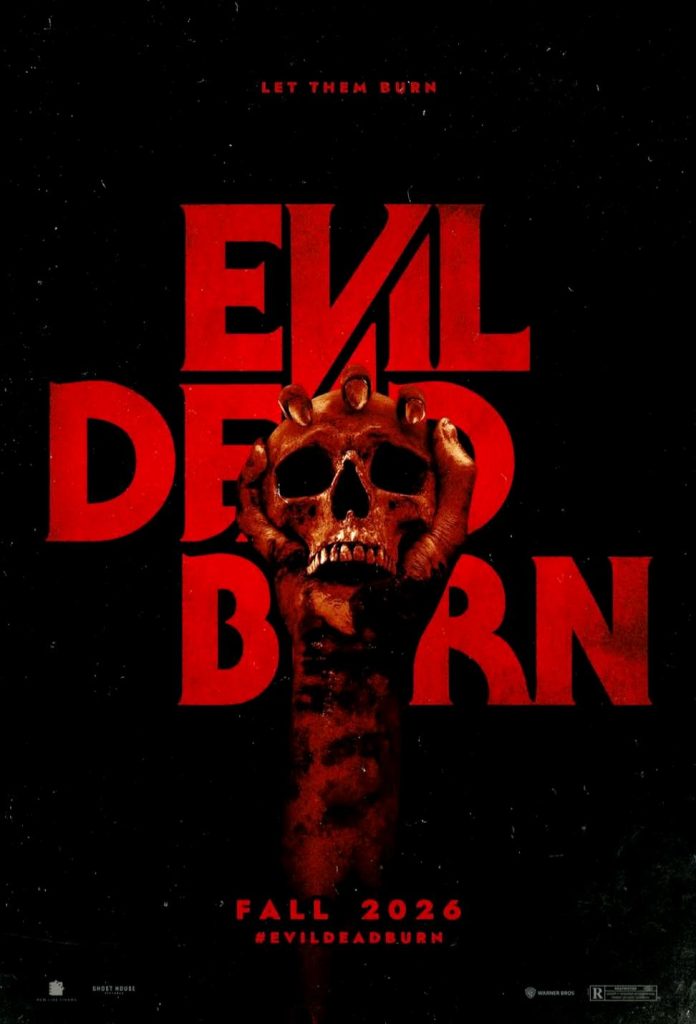
Evil Dead: Burn arrives in July as a standalone entry directed by Sébastien Vaniček, promising relentless pacing, practical gore, and zero nostalgia crutches. This isn’t about callbacks — it’s about punishment.
August follows with Insidious: The Bleeding World, expanding the franchise mythology and pushing deeper into The Further, with the series leaning harder into cosmic horror territory.
Autumn: Games, Clowns, and Existential Collapse
September marks a major turning point for video game adaptations with Resident Evil, rebooted by Zach Cregger as a grounded outbreak survival story focused on ordinary people rather than franchise mascots.
October is pure chaos.
Terrifier 4 escalates Art the Clown’s mythology toward a possible endgame, while M. Night Shyamalan’s Remain blends romance, grief, and supernatural uncertainty — continuing his recent streak of intimate, concept-driven genre films.
December: Horror as Myth
The year of 2026 closes with one of the most anticipated horror films in development.
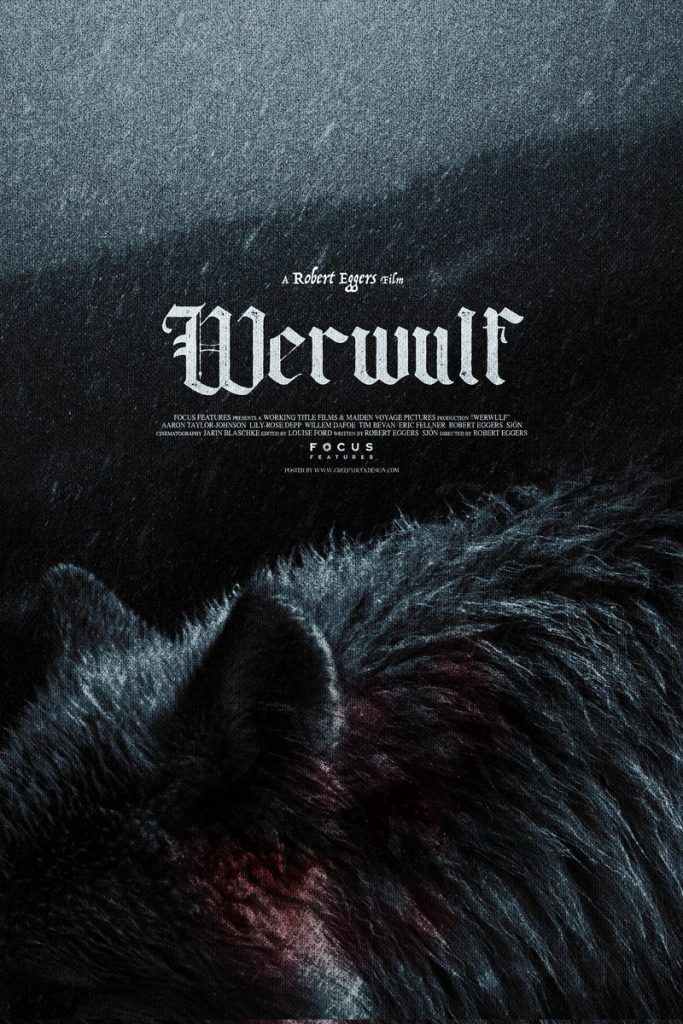
Werwulf, written and directed by Robert Eggers, arrives on Christmas Day as a bleak medieval werewolf tale steeped in superstition, language, and historical dread. This isn’t just a monster movie — it’s horror as myth, fear as folklore, and violence as belief.
A Year Without a Single Lane
Taken together, 2026 doesn’t feel like a trend year. It feels like horror firing on every cylinder at once.
Prestige filmmakers are embracing the genre without apology. Franchises are evolving instead of stagnating. Original concepts are receiving genuine theatrical backing. Whether you crave blood, brains, folklore, grief, or sheer chaos, 2026 is shaping up to be a year horror fans will still be arguing about long after the lights come up.
And honestly?
That’s exactly how it should be.