Killer Whale Brings Vengeance to the Deep with New Trailer
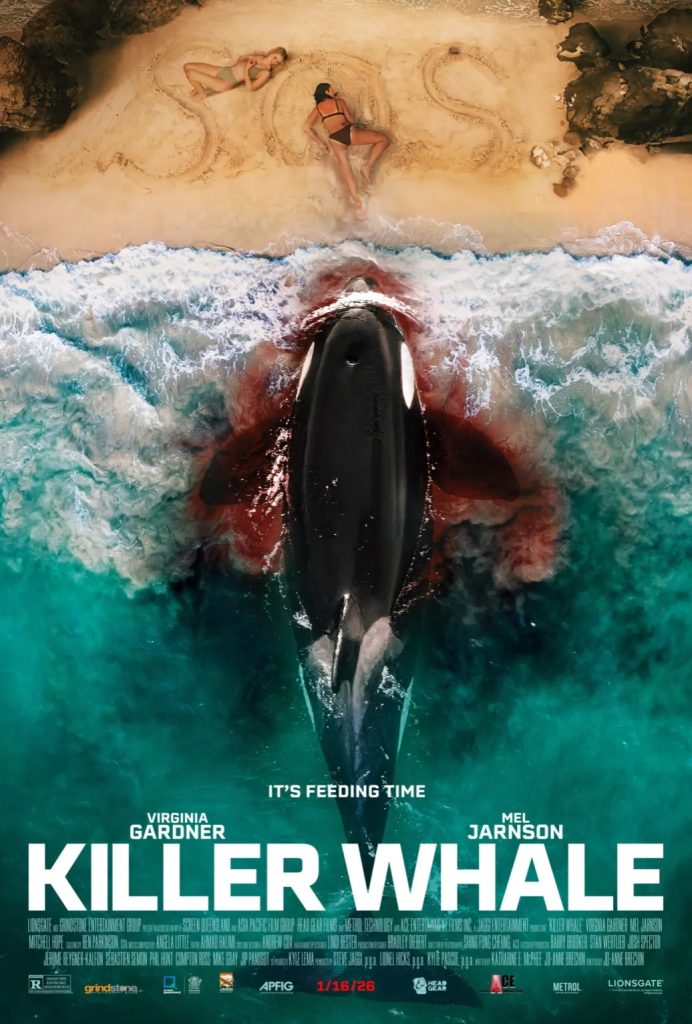
The ocean has always been cinema’s most reliable nightmare generator. You can’t reason with it, you can’t outrun it, and it absolutely does not care about your character arc. Now Lionsgate is adding another entry to the long tradition of aquatic terror with the newly released trailer for Killer Whale, a survival horror film set to crash into theaters, Digital, and VOD on January 16, 2026. And yes, before anyone asks, this is very much a movie about a killer whale with a grudge.
The trailer wastes no time establishing its tone. Sun soaked beauty, luxury travel, friendship healing after tragedy, and then the immediate sense that something with teeth and emotional baggage is lurking just below the surface. Virginia Gardner stars as Trish, who attempts to pull her grieving friend Maddie away from personal devastation by whisking her off to an idyllic private lagoon. It is the sort of holiday destination that exists purely to tempt fate. Palm trees sway, crystal clear water glistens, and the audience collectively whispers, “You should not be here.”
The film’s central hook is vengeance. This is not a random animal attack story where nature simply snaps. The whale in Killer Whale is motivated, scarred by captivity and mistreatment, and now very much interested in making humans understand how that feels. It is a familiar idea, but one that has proven remarkably durable over the decades. When animals in horror movies attack with purpose rather than instinct, it somehow feels worse. This is not bad luck. This is payback.
Director Jo Anne Brechin, who co wrote the screenplay with Katharine E. McPhee, leans fully into that idea. While Brechin’s previous work has largely lived outside outright horror, Killer Whale represents a confident step into darker waters. The trailer suggests a strong emphasis on atmosphere and dread rather than constant action, with long stretches of silence broken by sudden violence. Open water horror lives and dies by tension, and Brechin appears to understand that the real fear comes from waiting for the surface to break.
Virginia Gardner continues her unofficial streak as modern survival horror royalty. Between Halloween in 2018, Fall, and 47 Meters Down Uncaged, she has built a career on characters who find themselves in deeply bad situations with limited oxygen and worse odds. Killer Whale fits neatly into that lineage, once again placing her in an environment where escape is theoretical at best. The trailer positions her as both emotionally vulnerable and increasingly ferocious, a necessary evolution when the ocean decides you are on the menu.
The idea of a killer whale as cinematic antagonist is not new, and the film knows it. Long before sharks dominated the genre, 1977’s Orca brought operatic tragedy to the seas. That film starred Richard Harris, yes that Richard Harris, alongside Charlotte Rampling, and framed its whale not as a monster but as a grieving, intelligent creature seeking justice for the death of its mate. Orca was less about jump scares and more about guilt, obsession, and the consequences of cruelty. Over time it has gained a cult following, particularly among viewers who appreciate that it treated its animal antagonist with a surprising degree of dignity.
Killer Whale appears to follow that tradition more than the mindless creature feature route. The trailer repeatedly emphasizes captivity, exploitation, and emotional scars. This is not simply an animal that wandered into the wrong place. This is one that remembers. In that sense, the film feels like a spiritual descendant of Orca, even as it updates the formula with modern pacing, slick visuals, and R rated intensity. The MPAA has already confirmed the rating for violent content, bloody images, language, and brief drug use, which suggests this is not a sanitized aquatic adventure.
There is also something fascinating about the continued fascination with ocean predators in horror cinema. Sharks may dominate the conversation, but whales carry a different kind of menace. Orcas are real, intelligent, social animals that exist right now. They are not mindless killing machines, which makes their fictional rampages unsettling in a different way. Watching a whale hunt in a movie taps into the uncomfortable awareness that we are not the apex predator everywhere on Earth. Sometimes we are simply visitors.
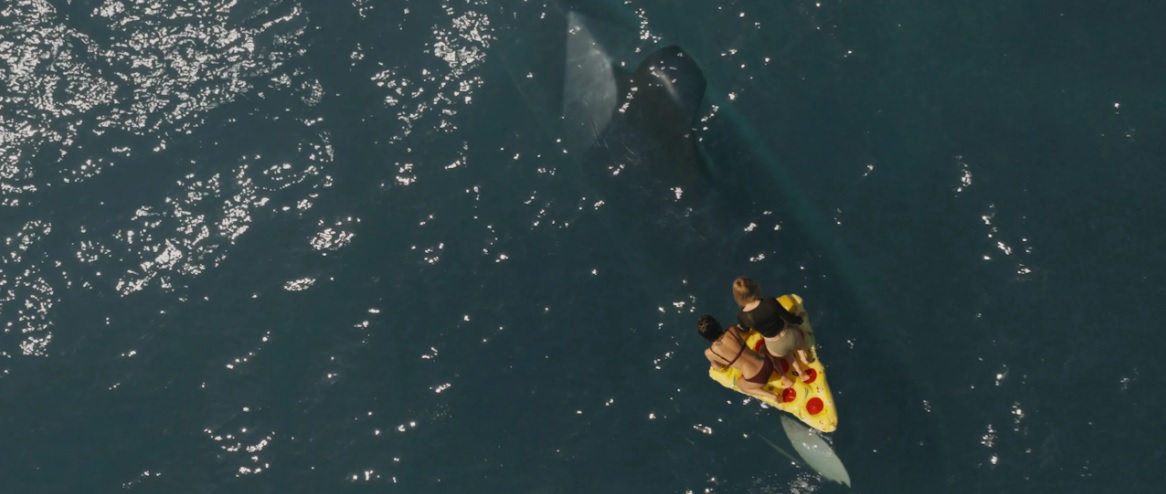
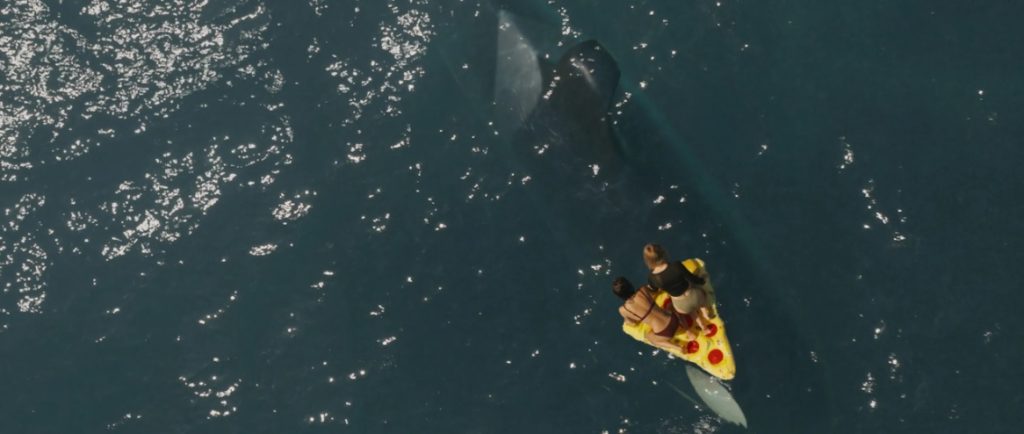
The trailer for Killer Whale leans hard into that discomfort. Vast stretches of water, tiny human figures, and the sense that rescue is a distant concept rather than an option. It plays with isolation in the same way films like Open Water and The Shallows did, while adding the emotional motivation of a creature that has been wronged. Whether the film ultimately sides more with survival thriller or ecological revenge story remains to be seen, but the ingredients are all there.
Aquatic horror never really goes out of style. It just waits for the tide to turn. With Killer Whale, Lionsgate is betting that audiences are once again ready to fear what swims beneath them, and to maybe feel a little guilty about it too. If the trailer is anything to go by, this is not just about surviving the ocean. It is about answering for what we have done to it.