Anaconda Slithers into the First Class Tier of the Hall of Killers
The Hall of Killers has welcomed masked maniacs, supernatural slashers, and deeply unwell humans with sharp objects, but now it is time for something far more terrifying: a massive jungle snake that does not monologue, does not hesitate, and absolutely does not care about your character arc. Yes, the Giant Anaconda has officially been inducted into the First Class Tier of the Hall of Killers, and honestly, this was less an induction and more an inevitability.
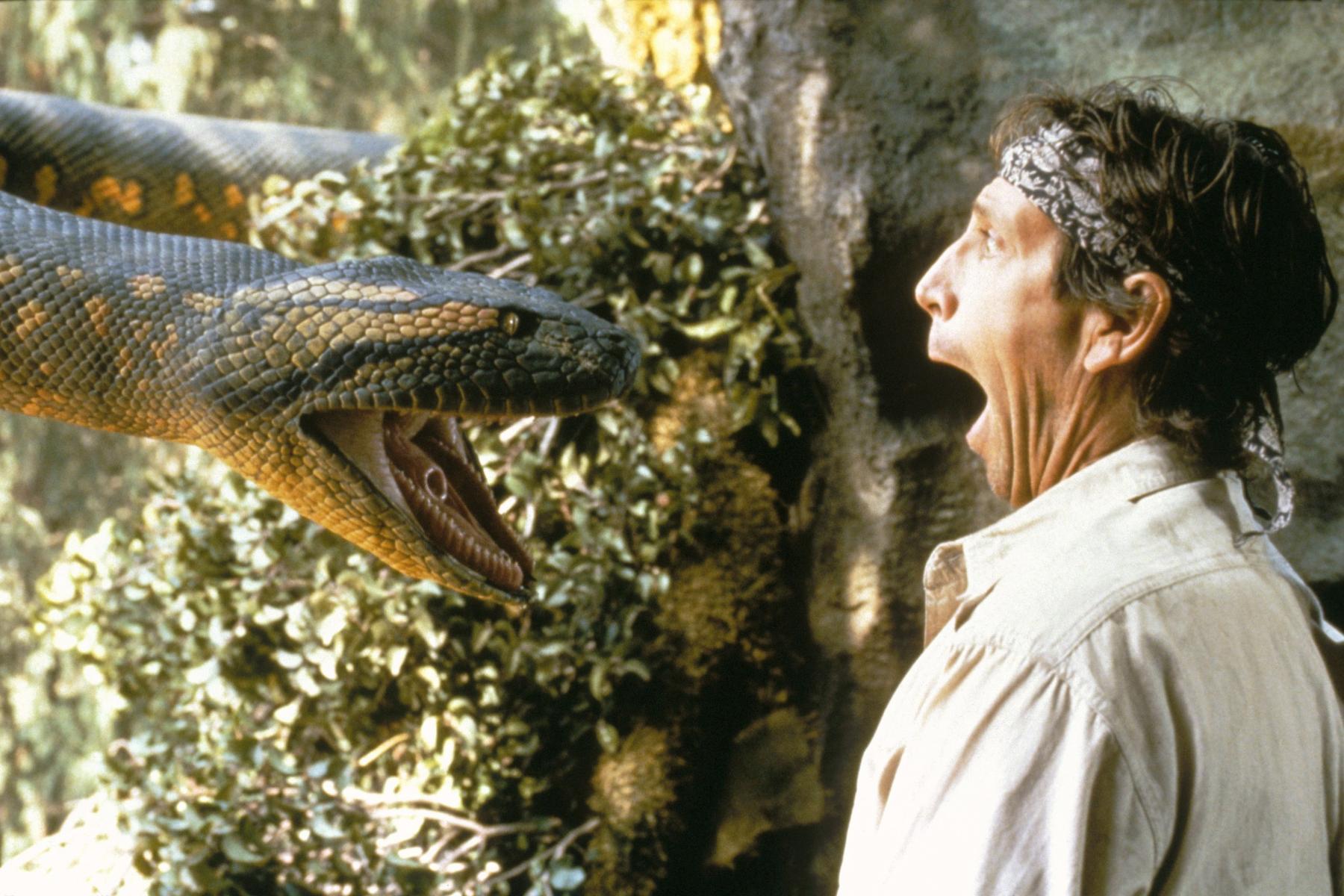
First appearing in Anaconda (1997), directed by Luis Llosa, the franchise’s titular predator quickly established itself as one of the most memorable creature killers of late nineties horror-adventure cinema. While the film follows a documentary crew venturing deep into the Amazon rainforest and falling under the manipulation of poacher Paul Serone, the real star is the enormous apex predator lurking in the water, foliage, and basically every location where humans foolishly decide to stand still for more than three seconds.
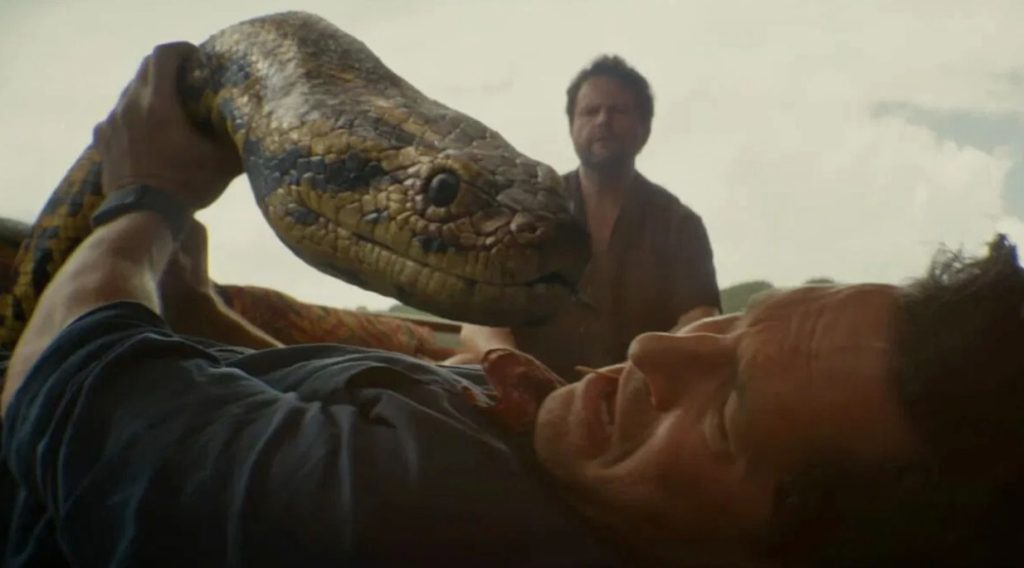
Unlike many creature features where the monster is a random accident or a misunderstood animal, the anaconda is presented as an active and intelligent threat. It stalks boats, ambushes from murky rivers, constricts victims with terrifying efficiency, and swallows prey whole with the confidence of something that knows it is at the very top of the food chain. This is not a creature that accidentally bumps into people. This is a creature that sees people and thinks, “Excellent. Lunch has arrived by boat.”
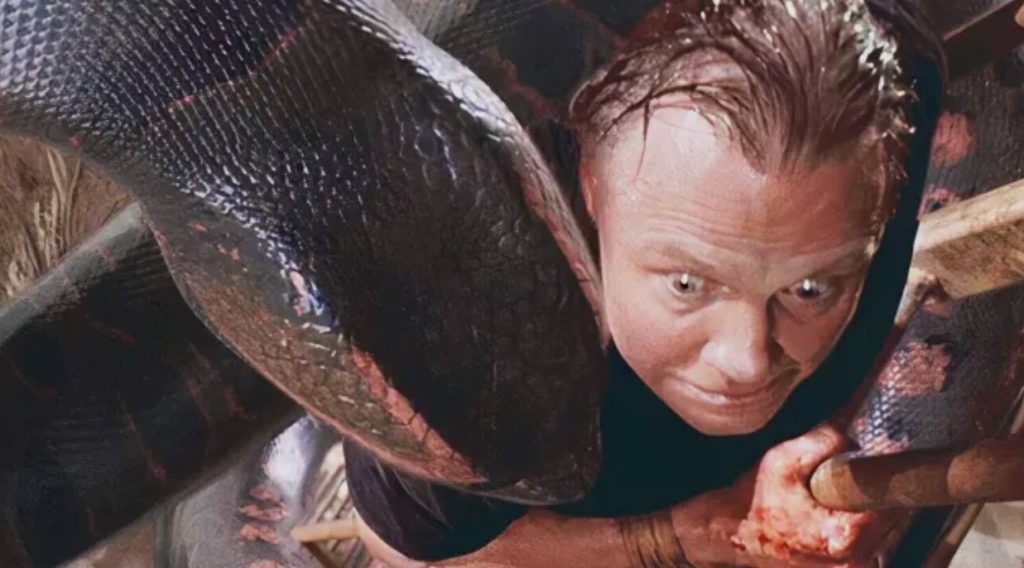
One of the most iconic aspects of the original film is the snake’s resilience. It survives gunfire, explosions, and repeated attempts to stop it, at one point even regurgitating a partially digested victim before continuing its assault. That single moment alone firmly cemented the anaconda as a creature feature legend, because nothing says “First Class Tier killer” quite like being shot, burned, and still having the audacity to carry on hunting like nothing happened.
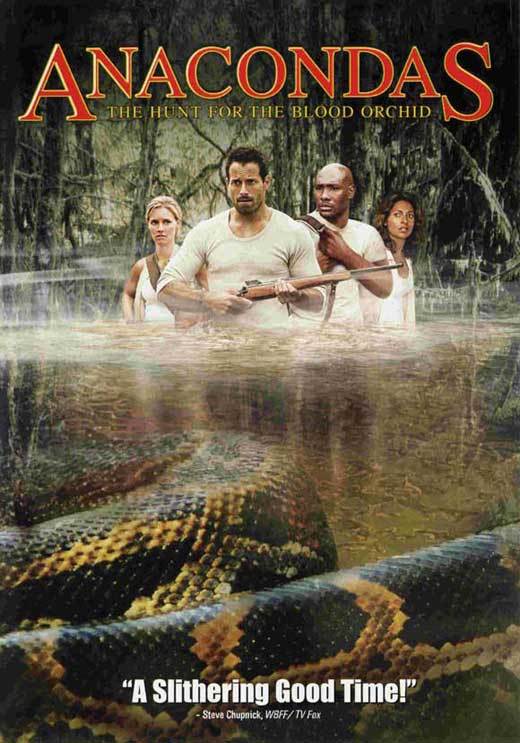
The franchise expanded significantly with Anacondas: The Hunt for the Blood Orchid (2004), shifting from a singular legendary snake to an entire breeding population of oversized predators in Borneo. The introduction of the Blood Orchid, which extended lifespan and size, turned the threat from one mythic beast into a full ecological nightmare. Instead of one lurking terror, audiences were now dealing with multiple giant snakes operating as territorial killers, attacking in swamps, rivers, and ruins with coordinated ambush tactics that suggested an unusually high level of predatory intelligence.
Things escalated further in Anaconda 3: Offspring (2008) and Anacondas: Trail of Blood (2009), where human experimentation transformed the creature into something even more dangerous. The genetically modified anaconda became larger, faster, and far more aggressive, blending science fiction elements with classic creature horror. Its ability to evade military forces and survive heavy weaponry reinforced a recurring franchise theme: if you want to stop this thing, you are going to need more than a stern warning and a stick.
By the time Lake Placid vs. Anaconda (2015) arrived, the giant snake had reached full spectacle status, battling other apex predators and heavily armed opposition while maintaining its core identity as a silent, constricting, opportunistic killer. Even in crossover chaos, the anaconda remained consistent. It hunts, it ambushes, and it dominates its environment through sheer size and strength. No speeches. No theatrics. Just efficient, terrifying biology with a taste for humans who really should have stayed indoors.
The 2025 meta reboot, directed by Tom Gormican and starring Paul Rudd and Jack Black, introduced the creature to a new generation while leaning into a more comedic and self-aware narrative. The story follows a group attempting to make their own low-budget remake of Anaconda in the Amazon, only to encounter a real giant snake that promptly dismantles both their production and their sanity. Despite the tonal shift, the anaconda itself is still portrayed as a genuine physical threat, attacking cast and crew through ambush, constriction, and full-on consumption, proving that even in a more comedic setting, it remains a lethal jungle predator rather than a joke monster.
What truly secures the anaconda’s place in the First Class Tier is its nature and behaviour. This is not a revenge-driven slasher or a cursed entity with lore-heavy motivations. The anaconda functions as a primal apex predator. It hunts because it is built to hunt. Waterways, dense vegetation, and confined jungle environments become natural hunting grounds where it can strike with minimal warning. Across the franchise, it consistently tracks movement, adapts to threats, and targets vulnerable humans with alarming precision, suggesting a level of intelligence beyond that of a standard animal antagonist.
Its preferred method of killing is constriction followed by consumption, though drowning, blunt force trauma, and sheer environmental dominance all play a role in its body count. And unlike many one-and-done creature features, the anaconda evolved into a full franchise killer, appearing across multiple films, television entries, and a modern reboot while maintaining global recognition and cult status.
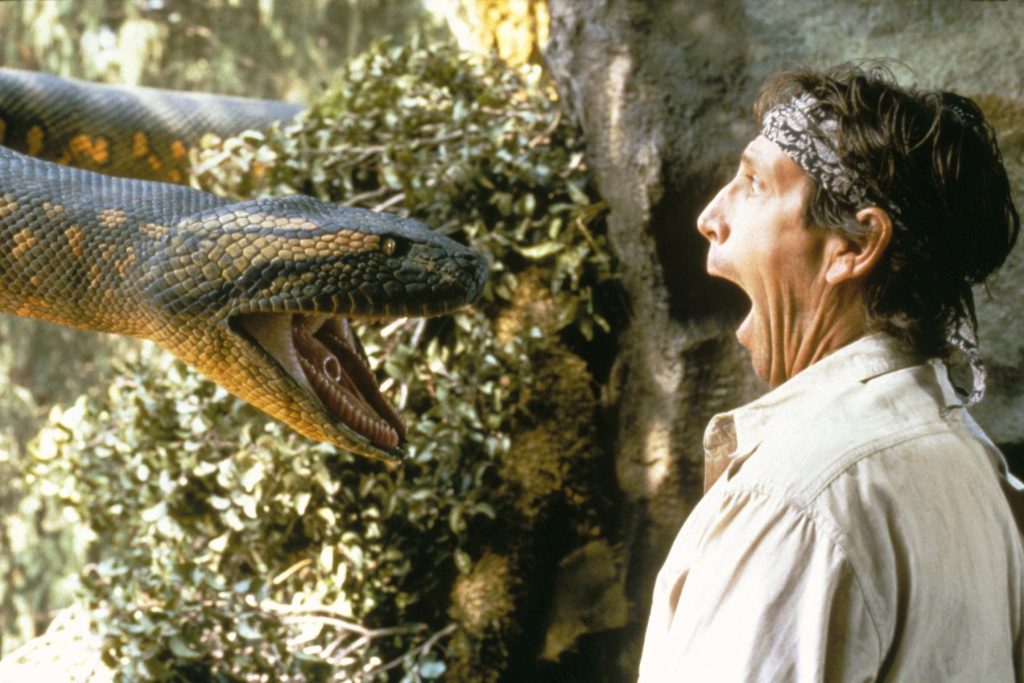
In short, the Anaconda is not just a monster. It is a cinematic apex predator with a legacy spanning decades, a kill count across multiple instalments, and an enduring reputation as one of the most recognisable creature killers in horror-adventure cinema. It does not need a mask, a catchphrase, or a tragic backstory. It just needs a river, some foliage, and a group of very doomed explorers.
First Class Tier was never in doubt. The only real question was how long it would take before the Hall of Killers officially realised that if a giant, near-unstoppable snake has been terrorising humans since 1997 and is still swallowing people whole in modern entries, you do not argue with it. You simply give it the top-tier plaque and step very slowly away from the water.