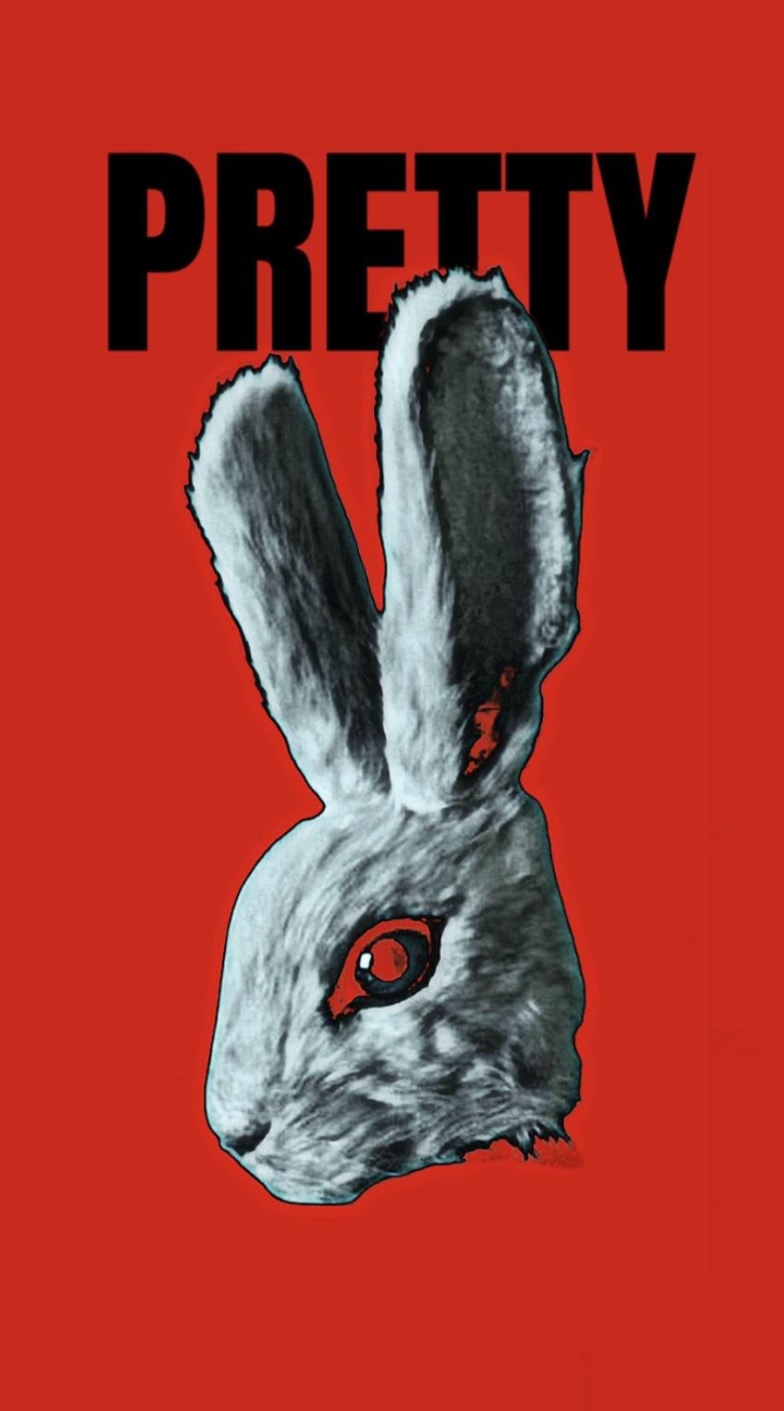
Pretty Review: Ghosts, Rabbits and One Seriously Ambitious Young Filmmaker
At 19 years old, most of us were still trying to work out what we were going to do with our lives. Metecan Duren apparently looked at that perfectly reasonable period of youthful uncertainty and decided it would be much more relaxing to write, direct, produce, shoot, edit and compose the music for a 123-minute horror feature instead. Show-off.
That feature is Pretty, an ambitious horror-fantasy that throws ghosts, masked figures, mysterious messages, murder and family secrets into a rather large supernatural cauldron and gives the whole thing a vigorous stir. Not everything that comes out of that cauldron is completely cooked, and occasionally you may wonder whether somebody has accidentally dropped three different recipes into it, but there is enough imagination here to suggest Duren could become a very interesting horror filmmaker as his experience grows.
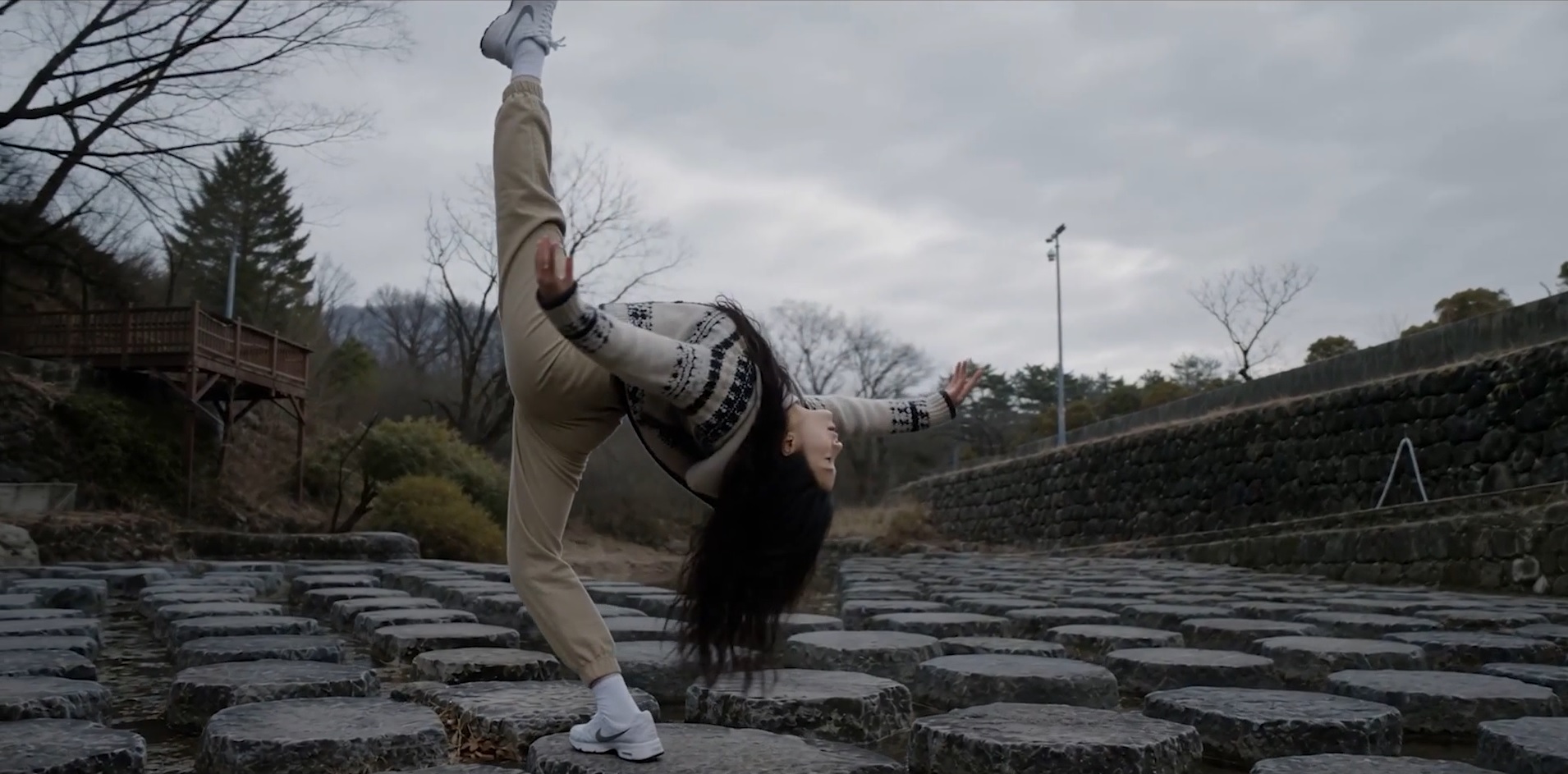
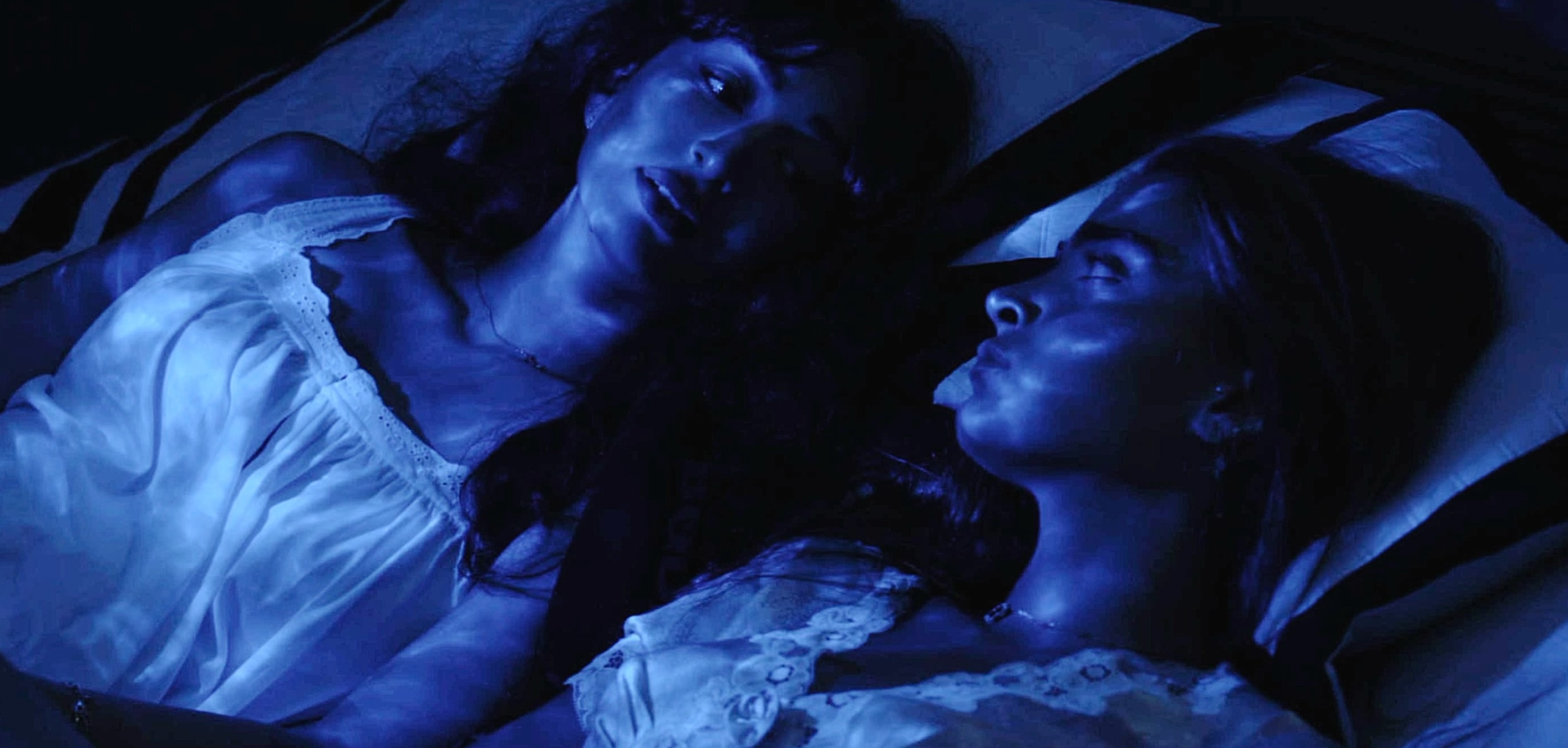
Melisa Kihtir plays Pretty, a young woman whose life becomes considerably stranger after she encounters a mysterious female voice while walking with her friend Tom, played by Omer Gursoy. The voice belongs to Betty, played by Alina Zakharova, a murdered young woman whose presence draws Pretty towards a mystery involving her death and whatever forces might still be lingering around it. That would probably be enough trouble for one person, but Pretty unfortunately appears to have purchased the deluxe horror package.
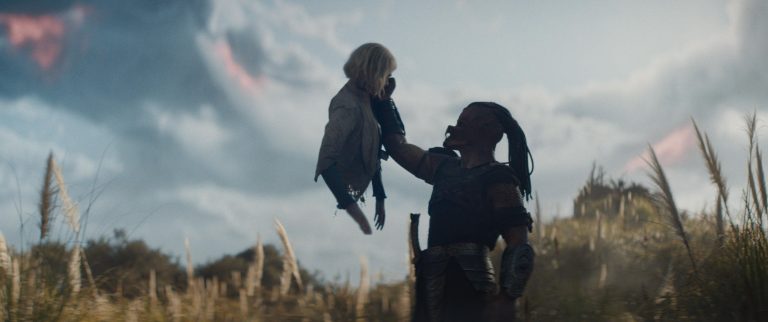
At home, her relationship with her sister Emma, played by Saran Duren, is hardly a model of sibling harmony. Pretty also begins receiving messages from the mysterious Obeythe.1, played by Ferhad Gurbanov, while increasingly disturbing events invade her supposedly safe domestic space. Add some deeply unwelcome figures, supernatural manifestations and a particularly sinister rabbit into proceedings, and Pretty’s life rapidly begins resembling the sort of week where cancelling all plans and hiding under the duvet starts looking remarkably sensible.
Duren isn’t content to make Pretty a straightforward ghost story. The film combines supernatural horror with psychological elements, mystery and flashes of slasher territory, constructing a mythology around Pretty’s growing obsession with discovering what happened to Betty. Love, jealousy, loneliness and the desire for attention become tangled up with the paranormal events surrounding her.
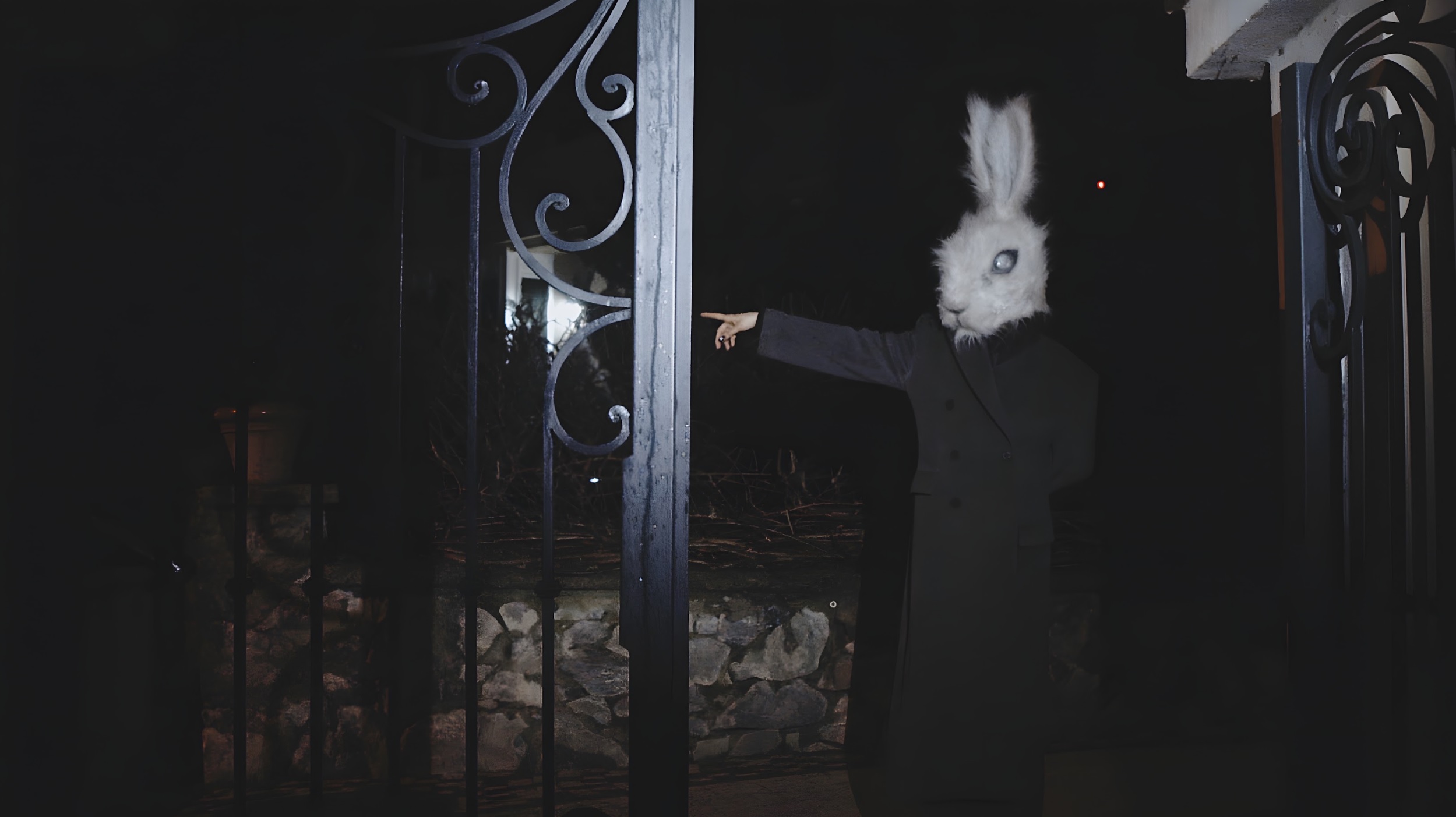
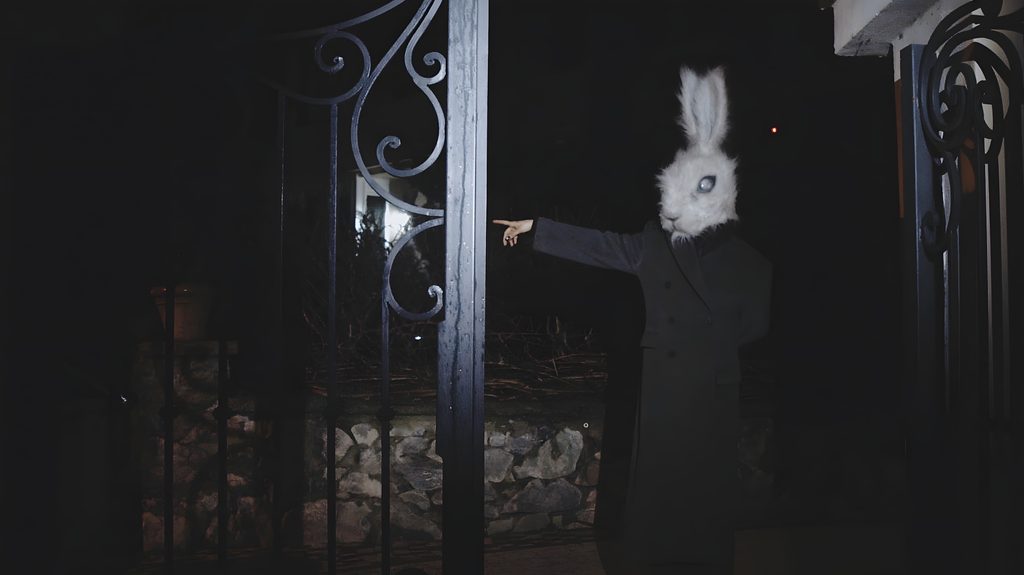
There are some genuinely good horror ideas buried within all of this. The rabbit imagery is immediately effective because rabbits have spent centuries convincing humanity that they’re adorable little balls of fluff, making them particularly rude candidates for nightmare fuel. Duren also understands the value of placing something disturbing within an otherwise ordinary environment and allowing the audience enough time to notice it.
Visually, there are moments where Pretty punches well above the weight you might expect from such a young filmmaker working with limited resources. Duren has an eye for darkness, silhouettes and unsettling compositions, and the house provides him with corridors, doorways and pools of shadow that can be turned into threatening spaces without requiring armies of digital monsters to come crashing through the ceiling. That instinct is important because expensive equipment can be purchased and technical knowledge can be learned, but developing an eye for an unsettling image is something altogether more valuable for somebody hoping to continue making horror.
The original music also gives the film a distinctive identity. With Duren composing the score as well as handling so many other aspects of production, Pretty has the feeling of an unusually personal piece of filmmaking. For better and occasionally for worse, there is very little doubt whose film we’re watching.
The difficulty is that ambition can be both Pretty’s greatest strength and the creature gnawing on its ankle. At 123 minutes, this is an enormous canvas for the material, and the film doesn’t always justify occupying all of it. The mystery takes its time unfolding, lengthy exchanges and individual sequences can slow the momentum, and the sheer number of ideas being introduced occasionally makes the narrative more complicated than it needs to be. There are points where Pretty would benefit from somebody standing behind Duren in the edit suite with a cup of tea, a sympathetic smile and the courage to say, “We probably don’t need this bit.”
That isn’t an insult to the filmmaker. Learning what to remove is one of the least glamorous and most important parts of filmmaking. When you have written, photographed, directed, edited and scored something yourself, every scene has been fought for personally. Cutting twenty seconds can feel like chopping off a finger, but sometimes, unfortunately, the finger has to go.
The film’s performances are similarly uneven. Kihtir has the considerable responsibility of carrying much of the story as Pretty, while Saran Duren’s Emma becomes an important presence within the increasingly strange events surrounding her sister. The cast are clearly committed to the material, but some dramatic exchanges lack the naturalism and urgency required to make the more extreme situations completely convincing.
That becomes particularly noticeable in horror because believable reactions are often more important than the monster itself. Put a terrifying creature in a hallway and you’ve got a potentially excellent scare. Have the person looking at it react as though they’ve discovered the postman has delivered next door’s parcel again and some of that fear evaporates.
Stronger performance direction should come naturally with experience. Duren is attempting to manage an extraordinary number of creative responsibilities here, and directing actors is a craft entirely of its own. Learning when to push a performance, when to pull it back and how to create the necessary emotional reality around something completely imaginary takes time.
There are technical rough edges elsewhere. Continuity isn’t always as controlled as it should be, and some transitions between lighting conditions can call attention to themselves. Pretty occasionally has the feeling of a production in which the filmmaker’s imagination has moved faster than the resources available to execute everything consistently. Yet that is also what makes it difficult to be particularly cynical about the film.
Pretty isn’t the work of somebody lazily throwing together familiar horror imagery and hoping a creepy mask will do all the heavy lifting. Duren is clearly trying to construct something substantial. There is a supernatural mythology here, an interest in obsession and isolation, a central mystery and a collection of visual motifs designed to connect the different strands. Sometimes there are simply too many strands.
The film would almost certainly benefit from greater narrative discipline. A leaner screenplay could allow the strongest ideas more room to breathe, while a more aggressive edit could improve momentum without sacrificing the slow-burn atmosphere Duren is attempting to create. Two hours is a long time to maintain tension, particularly when characters spend substantial periods investigating, communicating and gradually assembling information.
Horror has always been an excellent training ground for young filmmakers precisely because limitations can become advantages. Darkness costs nothing. A hallway costs nothing. Silence costs nothing. The audience’s imagination remains the cheapest special effect ever invented, and unlike most visual-effects artists, it doesn’t demand overtime. Duren already seems to understand some of that.
When Pretty concentrates on atmosphere and imagery rather than explaining itself, there are glimpses of the filmmaker he could become. A strange figure positioned in the right part of the frame can be more unnerving than pages of exposition, while the recurring rabbit imagery demonstrates an understanding that horror benefits enormously from a memorable visual identity.
What Duren needs now isn’t necessarily a bigger budget. It is more filmmaking. He needs to keep making shorts and features, perhaps work with smaller casts, collaborate with experienced actors and occasionally allow somebody else to shoulder part of the technical workload. Making mistakes, discovering why they were mistakes and then finding entirely new mistakes to make on the next production is how filmmakers develop.
Pretty itself feels like part of that process, albeit a remarkably ambitious part. Creating a feature-length horror film while assuming so many major production roles would be a substantial undertaking for an experienced filmmaker. Doing so at 19 is an achievement regardless of the imperfections in the finished result.
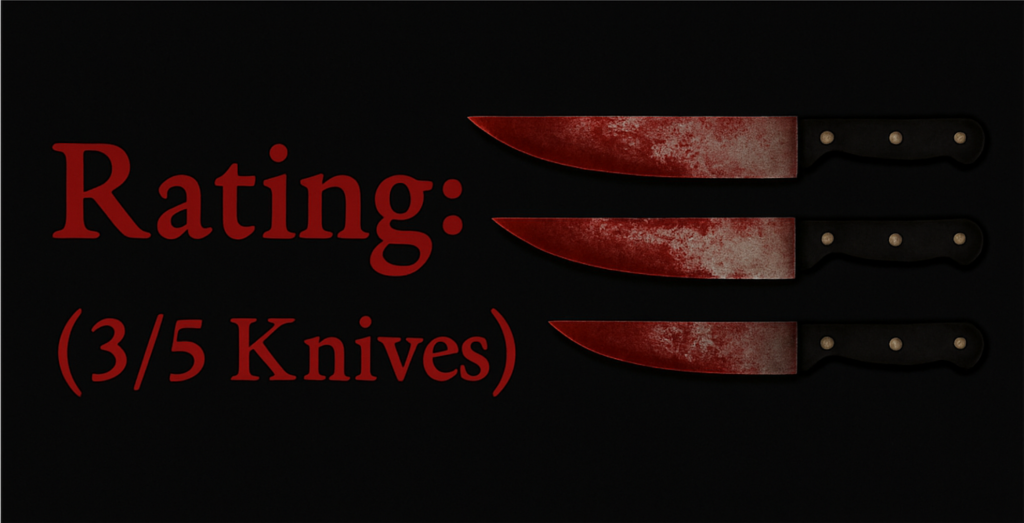
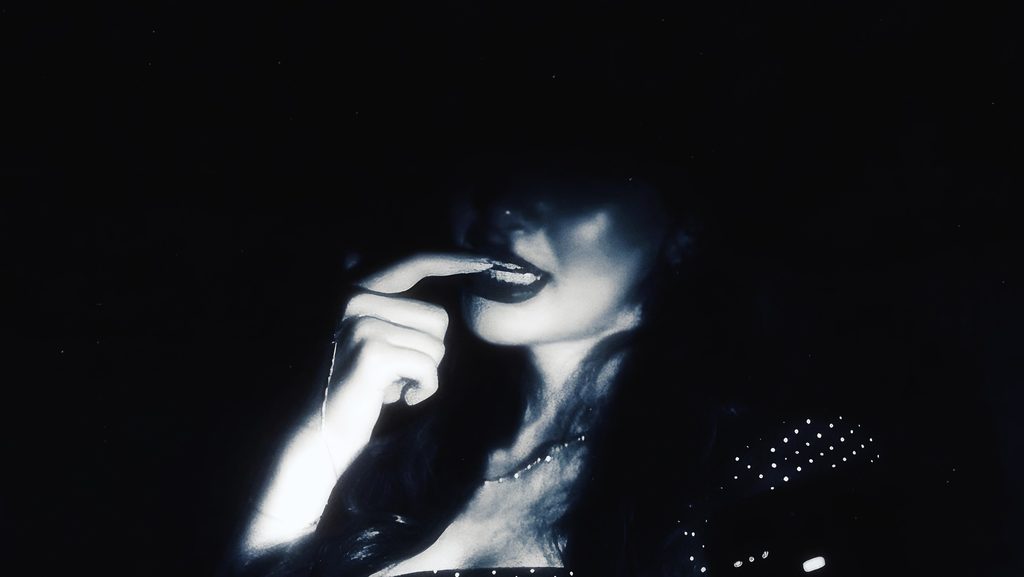
That doesn’t mean those imperfections should be ignored. Pretty is too long, occasionally muddled and inconsistent in its performances, while some of its technical and narrative choices reveal a filmmaker still developing the discipline required to match his ambition. Three knives feels appropriate because this is a film with genuine strengths sitting alongside equally genuine weaknesses.
There is, however, a difference between watching a film and thinking, “This person shouldn’t be making movies,” and watching one while wondering what that filmmaker might produce after another five years of experience. Pretty belongs firmly in the second category.
Metecan Duren has already demonstrated imagination, commitment and an eye for horror imagery. The next step is learning when to simplify, when to cut, how to extract stronger performances and how to turn a collection of good ideas into a tighter dramatic whole. Those things can be learned, while the harder part is possessing the enthusiasm required to actually get a feature made in the first place. Duren has already managed that before reaching his twenties.
Pretty may not yet represent the finished filmmaker, but it provides a fascinating glimpse of one in development. Keep the creepy imagery, keep the willingness to experiment and definitely keep the rabbit somewhere secure where it cannot see us sleeping. Add experience, collaboration and greater restraint, and there is every reason to be interested in whatever Metecan Duren decides to unleash next.
For now, three knives for Pretty, a flawed but admirably ambitious horror feature from a filmmaker who has plenty of time to sharpen the remaining two. There is enough horror goodness here to suggest that Duren’s future work will be well worth keeping an eye on.