IT: Welcome to Derry Season 2 Promises a Pennywise We’ve Never Seen Before
Pennywise is heading back to Derry, but when Bill Skarsgård returns beneath the make-up for the second season of IT: Welcome to Derry, audiences apparently shouldn’t expect quite the same Dancing Clown they’ve encountered before.
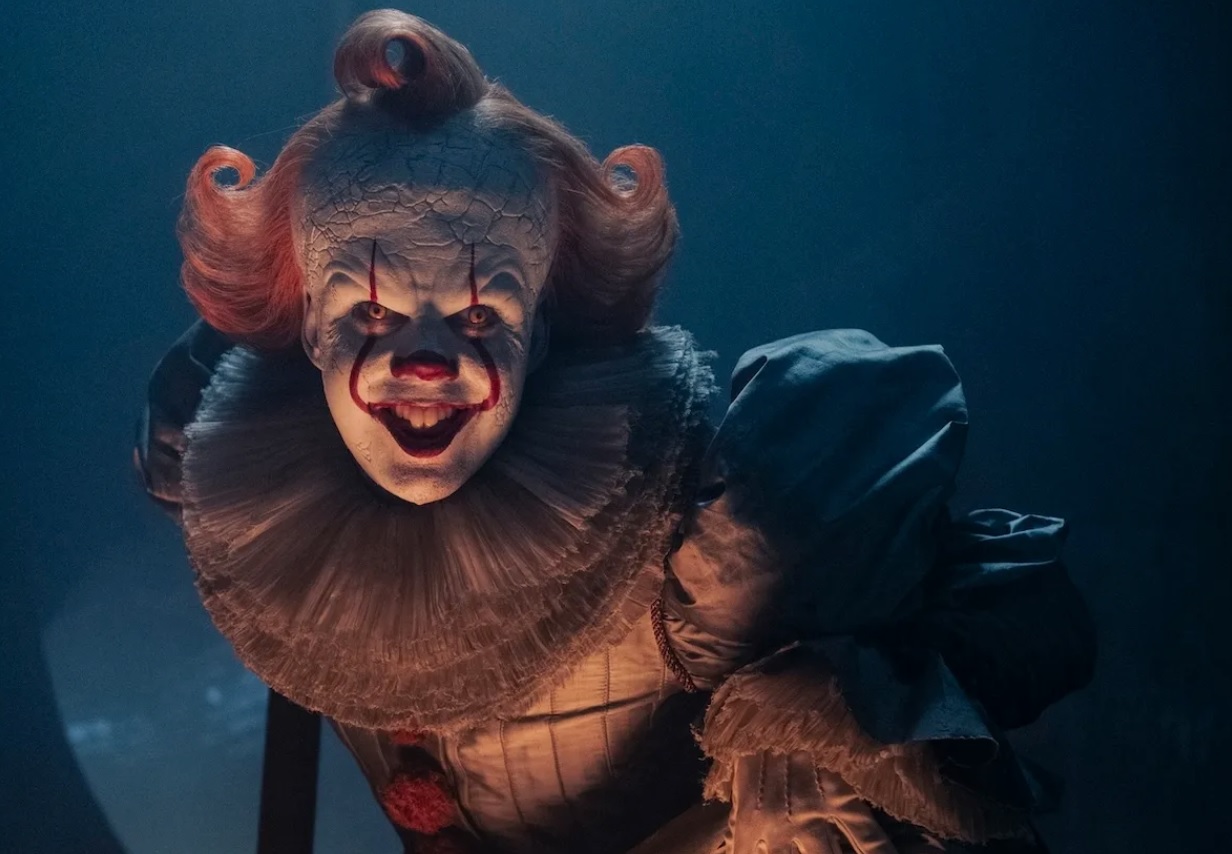
Returning showrunner Brad Caleb Kane, who is also behind Crystal Lake, has revealed to Deadline that Season 2 will feature what he describes as a “different kind of Pennywise”, with Skarsgård presenting the character in a way audiences haven’t previously seen. Kane isn’t giving away precisely what that means, but considering where and when the new story takes place, there’s plenty of room for Welcome to Derry to explore another side of Stephen King’s shape-shifting nightmare.
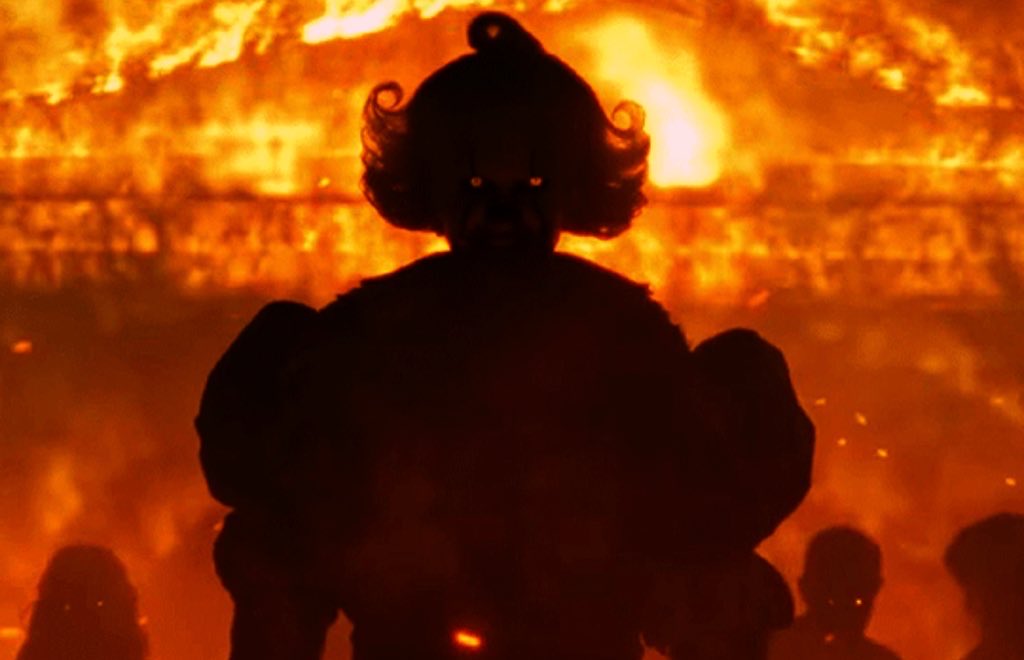
The second season will travel backwards from 1962 to 1935, dropping Derry into the depths of the Great Depression. At the centre of the story will be the Bradley Gang Massacre, one of the terrible episodes from Derry’s history chronicled in King’s IT. The gang are bank robbers who stop in Derry, only to become part of another eruption of violence connected to the malevolent force haunting the town.
Kane has described the new season as resembling an old Warner Bros. gangster movie, complete with bank robbers, Hoovervilles, children riding the rails and religious fundamentalism. That’s an intriguing change from the world of Season 1 and the suburban childhood horror audiences associate with Andy Muschietti’s IT movies. Depression-era Derry should be a harsher, poorer and considerably more desperate place, providing Pennywise with an entirely different playground.
The project is also moving beyond the stage of merely discussing ideas. Kane says the writers are approximately halfway through the scripts, a production schedule is in place and the season has been greenlit. Andy Muschietti is also actively casting the new instalment. There is currently no official premiere date, so we’re still some distance from seeing Skarsgård’s new incarnation of Pennywise emerge from whichever drain, cellar or Depression-era nightmare he chooses this time.
The backwards jump is fundamental to the larger design of Welcome to Derry. King’s creature operates according to a cycle, awakening approximately every 27 years to feed before disappearing again. Muschietti’s screen continuity has increasingly used those cycles to explore different periods in Derry’s poisoned history.
Season 1 unfolded primarily in 1962, while IT took the Losers’ Club into battle against Pennywise in 1989. IT Chapter Two then reunited them 27 years later in 2016. Rather than continuing forwards, Welcome to Derry is peeling away the town’s history in the opposite direction, moving further into the past with each proposed season.
That makes 1935 considerably more than an excuse to put Pennywise in a different period costume. The Bradley Gang Massacre comes directly from King’s mythology and provides another example of something essential to IT: Pennywise doesn’t simply murder individual victims. Derry itself seems infected by the creature’s presence. Terrible things happen there, violence spreads through communities and the adults have a disturbing ability to ignore or rationalise horrors occurring around them.
Muschietti has previously explained that the Bradley Gang were travelling through Derry when they stopped to obtain ammunition, setting the stage for the massacre. King’s fictional event itself drew inspiration from the real Brady Gang, bank robbers whose story ended violently in Bangor, Maine. For Welcome to Derry, that piece of the novel provides an opportunity to combine the supernatural mythology of IT with the crime imagery and social desperation of Depression-era America.
The move backwards also means the creative team isn’t finished digging through King’s catalogue of Derry disasters.
Muschietti has previously discussed plans for a third season moving back another cycle to the Kitchener Iron Works explosion. In King’s mythology, the catastrophe occurs during an Easter egg hunt and kills scores of children. The event has already been referenced within Muschietti’s screen version of IT, including imagery associated with the 2017 movie.
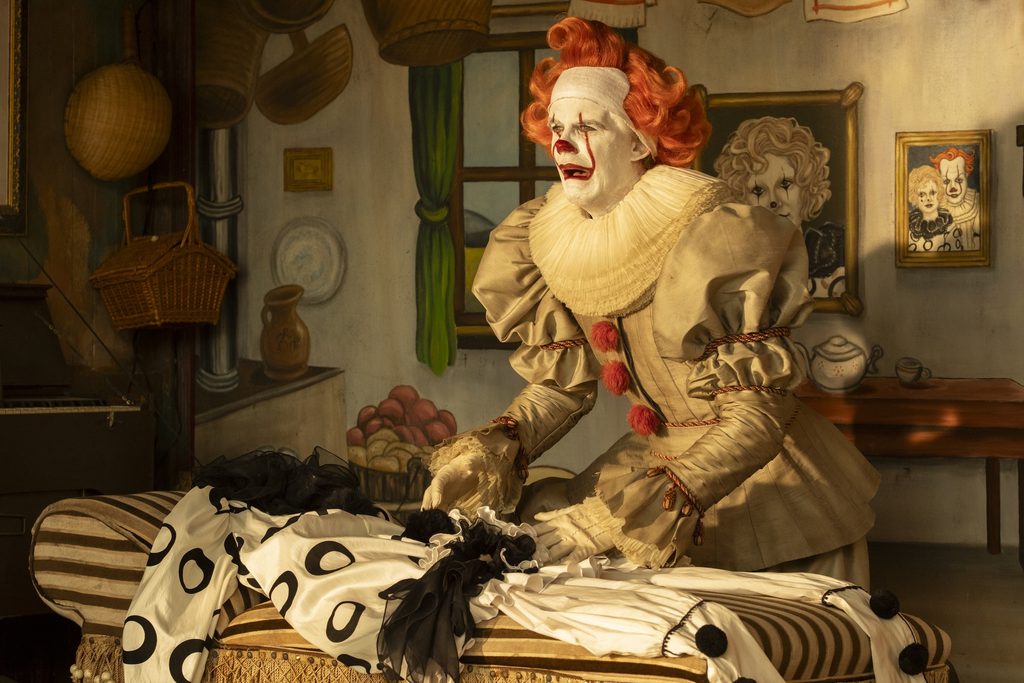
The groundwork for this larger structure was also hiding in plain sight during the opening titles of Welcome to Derry. Images reference several infamous moments from the town’s past, including the Black Spot, the Bradley Gang Massacre and the Kitchener Iron Works disaster. What initially functions as a disturbing tour through Derry’s history therefore doubles as something resembling a roadmap for the series.
Season 2 should also have considerable freedom when it comes to Pennywise himself. Although the clown is the form most closely associated with IT, particularly after Tim Curry’s performance in the 1990 miniseries and Skarsgård’s interpretation in the modern films and television series, the creature isn’t actually a clown. Pennywise is merely one manifestation of something vastly stranger, capable of assuming forms designed to exploit the fears of its victims.
A story set in 1935 therefore provides an opportunity to change not only Pennywise’s behaviour but the imagery surrounding him. What frightened children living through the Depression doesn’t necessarily have to resemble what terrified the Losers decades later.
Exactly what Kane means by a Pennywise “you’ve never seen” remains deliberately unclear, and that’s probably something worth keeping mysterious. What we do know is that Skarsgård is returning, the scripts are being written, casting is underway and the scale is apparently getting bigger.
Season 1 showed us Derry in 1962. Season 2 is taking us back to 1935, when the town was poorer, harder and preparing for another bloodbath.
Pennywise, naturally, was already there.