Another Silent Hill Project Is on the Horizon, but Can the Movies Finally Get It Right?
The fog hasn’t cleared over Silent Hill just yet. Only months after Return to Silent Hill brought Konami’s legendary horror series back to cinemas, another screen project based on the property is reportedly being developed, and this time producer Roy Lee is involved.
The project was revealed as part of a new Wall Street Journal profile of Lee, the prolific producer behind films including The Ring, The Grudge, IT and the recent Resident Evil. The report identifies a new Silent Hill reboot among Lee’s upcoming projects, although virtually everything beyond its existence remains unknown. There is currently no publicly announced director, writer, cast or story, and even the format has yet to be clarified, meaning it isn’t yet certain whether we’re looking at another feature film or something intended for television or streaming.
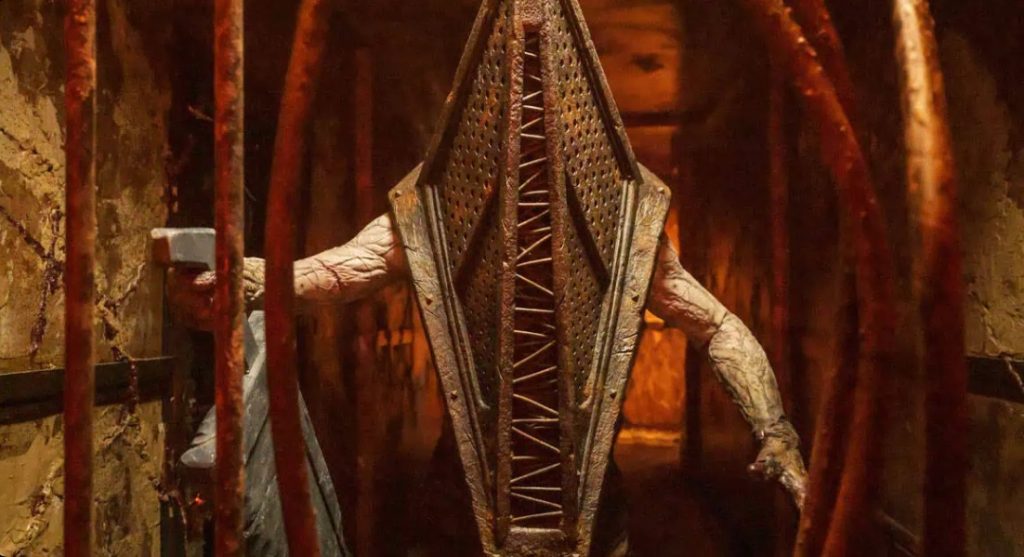
That leaves plenty of questions, but perhaps the biggest is what exactly another Silent Hill adaptation needs to do differently. The games have given filmmakers some of the richest material in horror: abandoned streets smothered in fog, industrial nightmare worlds, unforgettable creatures, Akira Yamaoka’s music and stories that frequently deal with grief, guilt and trauma rather than simply sending monsters after somebody for two hours. Despite all that, the series has now produced three feature films and the results have ranged from a flawed but visually impressive cult favourite to two sequels that were received considerably less warmly.
The First Silent Hill Was Flawed, but It Got Plenty Right
The first Silent Hill arrived in 2006 under director Christophe Gans, with Roger Avary writing the screenplay. Rather than directly reproducing the story of Konami’s original 1999 game, the film follows Rose Da Silva, played by Radha Mitchell, who travels to Silent Hill while searching for answers to her adopted daughter Sharon’s disturbing behaviour. After an accident separates them, Rose finds herself wandering through an apparently abandoned town where ash falls from the sky and reality periodically gives way to a rusting, blood-soaked nightmare.
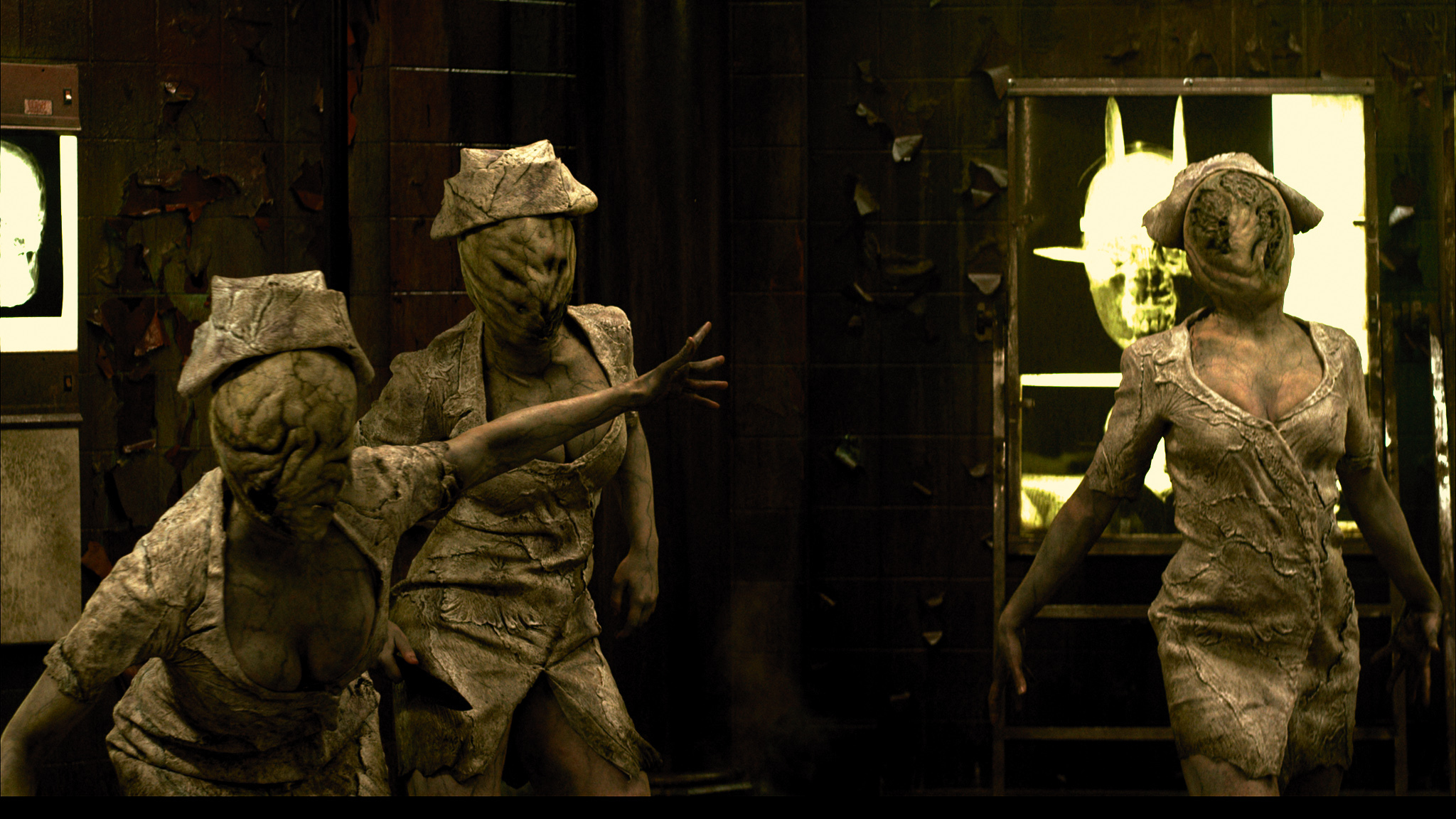
Gans clearly understood that the atmosphere was as important as the monsters. The film recreated the fog, decaying environments and transitions into the Otherworld while incorporating recognisable creatures and music associated with the games. Pyramid Head, played by Roberto Campanella, became one of its most memorable sights, while the nurses, Grey Children and other creatures were treated as physical presences rather than simply excuses for action sequences. Gans had spoken before release about his admiration for the games and the challenge of translating their distinctive mythology and aesthetic into another medium.
The result certainly wasn’t perfect. Its storytelling becomes increasingly tangled, the exposition piles up and the film runs for more than two hours. Critics were largely unimpressed at the time, with Silent Hill currently sitting at 34% on Rotten Tomatoes and a 31 Metascore. Yet its audience reception has proved considerably stronger, with Rotten Tomatoes recording a 63% audience score and Metacritic a 7.4 user score. Over the two decades since release, it has developed a cult following, particularly among viewers who appreciate just how successfully Gans captured the appearance and oppressive atmosphere of the games.
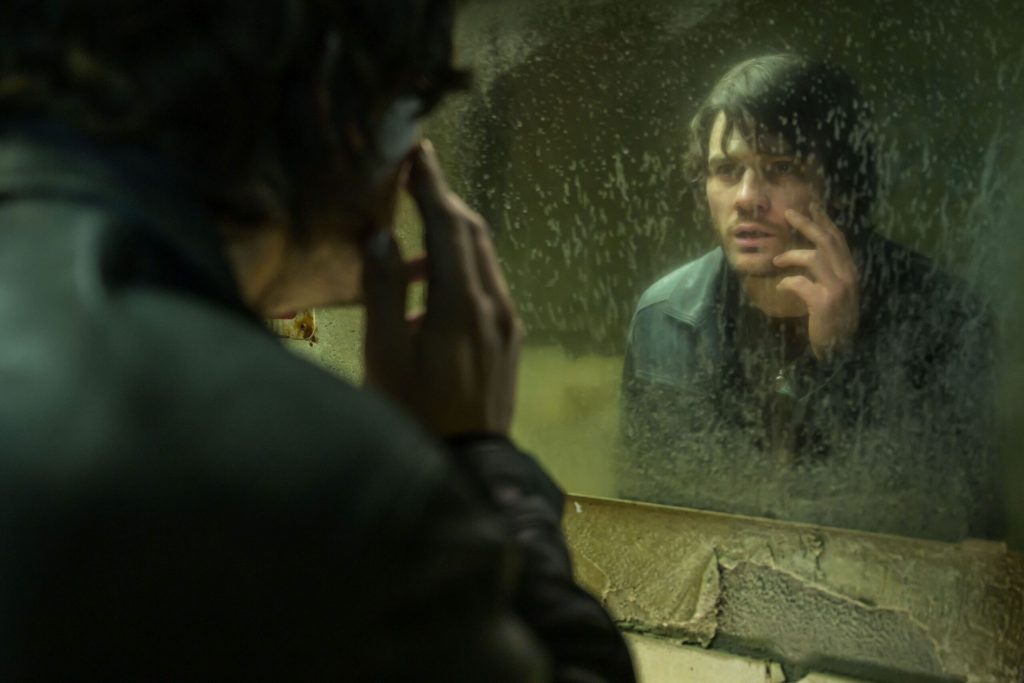
There is plenty to criticise in the first movie, but there is also plenty that works. The production design is frequently superb, the creature work remains effective and there are moments when the film genuinely feels like somebody has managed to drag Silent Hill out of a PlayStation and into live action. Even contemporary reviews that disliked the overall movie frequently acknowledged its visuals, with Empire, for example, praising its set design.
It was decent rather than definitive, but compared with what followed, that first trip into the fog has aged rather well.
Silent Hill: Revelation Went in the Wrong Direction
Six years later came Silent Hill: Revelation, directed by M. J. Bassett and released in 2012. This time Adelaide Clemens played Heather Mason, with Sean Bean returning as her father and Kit Harington, Carrie-Anne Moss, Malcolm McDowell and Deborah Kara Unger among the supporting cast.
The sequel drew heavily from Silent Hill 3 and brought back familiar creatures and locations, but recognising something from a game isn’t necessarily the same as capturing what made it frightening. Revelation leaned further towards conventional action-horror spectacle while squeezing a substantial amount of mythology into a 95-minute film. The result was a sequel that looked like Silent Hill in places but rarely generated the suffocating dread that made the games special.
Its reception was brutal. Silent Hill: Revelation currently holds just 8% from critics on Rotten Tomatoes, with the site’s audience score standing at 35%. The critical consensus describes a film hampered by weak characters, an incomprehensible story and too few genuine scares.
For more than a decade afterwards, Silent Hill disappeared from cinemas. Given how badly Revelation had been received, perhaps allowing the fog to settle for a while wasn’t the worst idea.
Then Christophe Gans came back.
Return to Silent Hill Should Have Been the Comeback
There were legitimate reasons to be interested in Return to Silent Hill. Gans was returning twenty years after directing the first movie, and this time he was tackling Silent Hill 2, the 2001 game whose psychological storytelling helped establish it as one of the most celebrated entries in the series.
The basic material was certainly there. Jeremy Irvine plays James Sunderland, who receives a mysterious letter drawing him back to Silent Hill and into a search for Mary, played by Hannah Emily Anderson. Anyone familiar with the game knows how heavily its horror depends upon James himself, with the monsters, locations and characters woven into a deeply personal story of grief, guilt and repression.
Unfortunately, the film released in January 2026 was greeted with another wave of negative reviews. Return to Silent Hill currently has an 18% critics score on Rotten Tomatoes, alongside a 28% verified audience score. Metacritic records a 34 Metascore, with its user score sitting at 4.4. Those aren’t simply a handful of disgruntled reviewers objecting to changes from a videogame. They demonstrate a broadly negative response from critics and a substantial section of the audience.
For many fans, the particularly frustrating element was the source Gans had chosen to adapt. Silent Hill 2 is revered precisely because its horror is so closely connected to character and psychology. A movie can reproduce Pyramid Head, the nurses, the fog and familiar locations, but those images aren’t interchangeable decorations. Within the game they have context and meaning.
That became a recurring criticism of Return to Silent Hill. IndieWire argued that the film borrowed the game’s famous symbolism without matching the skill behind the original, while Empire suggested that even dedicated fans might find themselves bored rather than frightened. Other reviews criticised its changes to the source, storytelling, effects and inability to reproduce the emotional power of the game. There were positive reactions too, including a notably favourable review from Little White Lies, but the overall critical response remained strongly negative.
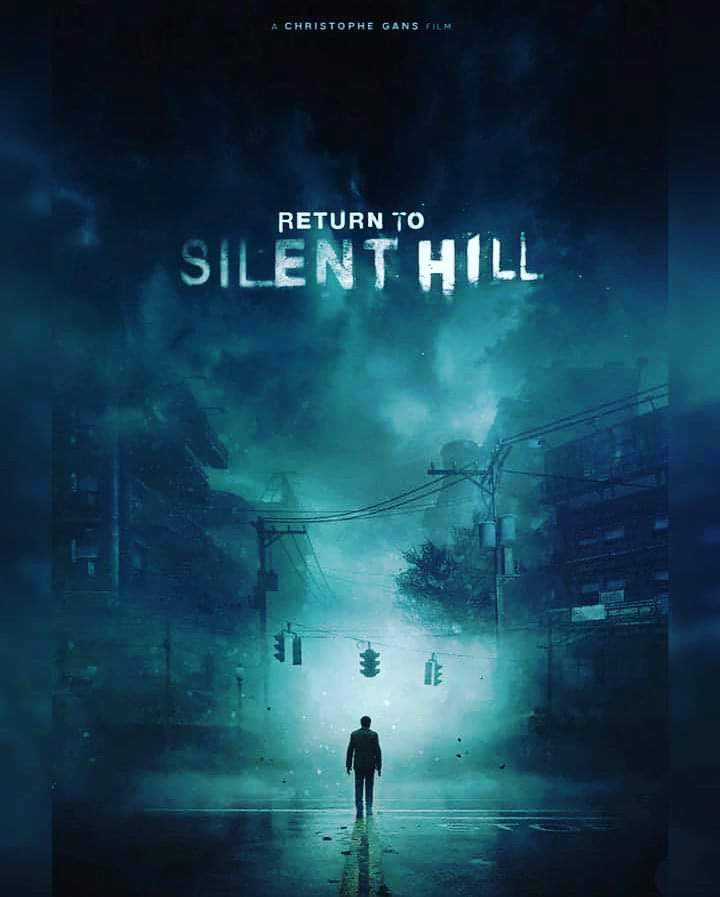
Fan reaction was hardly much kinder. On Metacritic, 49% of the recorded user ratings are negative compared with 30% positive, while Rotten Tomatoes’ verified audience score stands at only 28%. Individual responses naturally vary, and there are certainly viewers who defended Gans’ interpretation, but it is fair to say that the comeback failed to win over a large portion of either the general horror audience or the existing fanbase.
Twenty years after the original film showed considerable promise, Return to Silent Hill should have been an opportunity to take everything Gans got right the first time and combine it with one of the strongest stories the games had to offer. Instead, the movie became another divisive, largely poorly received entry in a film series that still hasn’t managed to fulfil the potential of its source material.
Roy Lee Is Heading Into the Fog
That makes news of another Silent Hill reboot arriving so soon surprisingly intriguing. There isn’t enough information yet to know whether it will adapt an existing game, tell an original story within the universe or start everything again. We don’t even know for certain whether we’re talking about a movie. What we do know is that Roy Lee is involved, and his horror producing career stretches back more than two decades.
Lee was a producer on Gore Verbinski’s The Ring, the hugely successful American remake of Ringu, and also produced The Grudge. His later credits include the two IT films, while his career has expanded far beyond horror through projects including The Lego Movie and A Minecraft Movie. Most recently he has been involved with Zach Cregger’s new Resident Evil, continuing a long career built partly around recognising existing properties that could work for wider audiences.
Whether that experience translates into a good Silent Hill remains to be seen. The property presents an unusual challenge because reproducing its most famous images is arguably the easiest part. We already know Pyramid Head looks fantastic emerging from fog. We’ve seen nurses twitching in dark corridors, sirens signalling the arrival of the Otherworld and walls transforming into corroded industrial nightmares. Three films have had opportunities to play with that imagery.
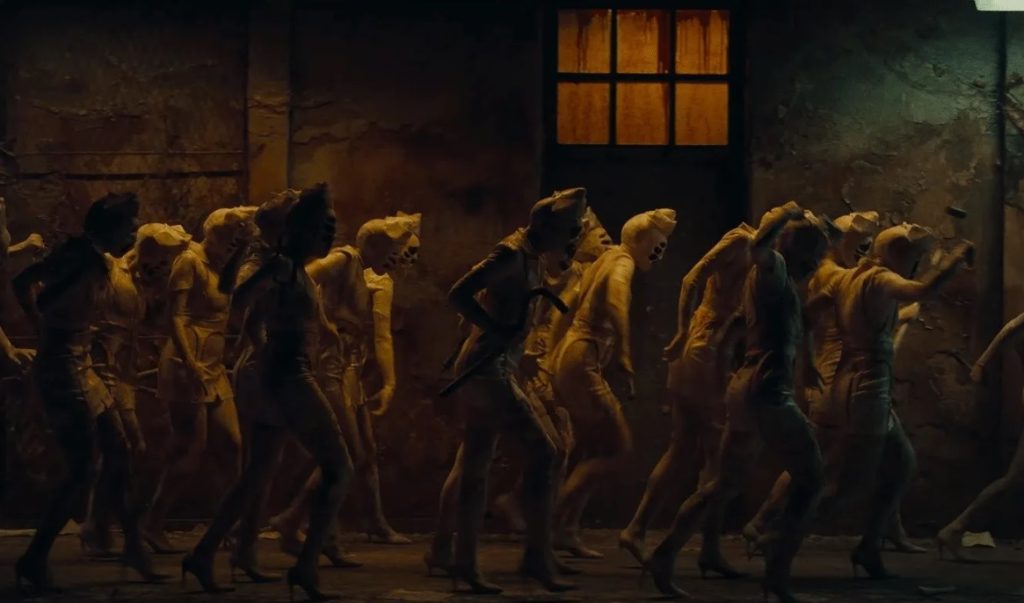
What has proved considerably more difficult is reproducing the feeling of Silent Hill.
At its best, the game series can make walking down an empty corridor frightening. The player frequently spends long stretches without knowing whether the distant sound coming through the radio means something is waiting around the next corner. Its monsters aren’t simply there because somebody designed something horrible. Its locations, characters and creatures can be connected to the psychological state of the person experiencing them. Isolation is allowed to breathe, and uncertainty is often more frightening than explanation.
A screen adaptation doesn’t have to slavishly recreate a game to understand those qualities. In fact, the first Silent Hill demonstrated that substantial changes can still produce something recognisably connected to the source. What matters is understanding why entering that fog is frightening in the first place.
The movies are now one decent but deeply flawed film, one badly received sequel and one 2026 return that was supposed to restore confidence but instead attracted another largely negative reception. That isn’t the strongest cinematic legacy for one of horror gaming’s most important names.
Perhaps the fourth attempt can finally find its way through the fog.
For now, however, Roy Lee’s new Silent Hill remains exactly that: a project on the horizon. Until we know who is writing it, who is directing it, what form it will take and which version of Silent Hill it intends to explore, there is no telling whether this will finally be the adaptation the series has been waiting for, or simply another warning siren in the distance.