Hammer’s Dracula Rises Again in 4K With Lost Footage Unseen for More Than 60 Years
One of the most important vampire films ever made is returning this Halloween, and this time Hammer is restoring material that audiences have been missing for more than six decades. Terence Fisher’s 1958 Dracula, released in the United States as Horror of Dracula, has received a new 4K restoration featuring Christopher Lee as Count Dracula and Peter Cushing as Van Helsing. Hammer has now released a new trailer showcasing the restoration ahead of its October release, but the real attraction is what has been put back into the film. Footage removed from versions seen by British and American audiences has been restored, including material from Dracula’s climactic destruction.
The restoration has been undertaken by Hammer Films and Silver Salt Restoration in partnership with Warner Bros., using original archival materials sourced for the project. Hammer says the finished restoration represents the most complete version of Dracula yet presented, running to the full length created by Fisher in 1958. Particularly important were pristine reels of the film’s Japanese version discovered during an inventory of the Warner Bros. archive. Some censored material had previously resurfaced in Japan and was incorporated into an earlier restoration, but Hammer says those elements were too badly deteriorated to use for this new project. The Warner materials have instead provided significantly better sources for footage that had effectively disappeared for decades.
The Dracula That Changed Hammer Forever
There is good reason for Hammer to give Dracula this treatment. Released only a year after The Curse of Frankenstein, the film reunited director Terence Fisher with Christopher Lee and Peter Cushing and helped establish the style of Gothic horror with which Hammer would become synonymous. Jimmy Sangster adapted Bram Stoker’s novel, with Lee playing Dracula for the first time and Cushing taking the role of his determined adversary, Van Helsing. The film also stars Michael Gough, Melissa Stribling, Carol Marsh and John Van Eyssen.
Hammer’s approach was strikingly different from the most famous screen Dracula that preceded it. Bela Lugosi’s performance in Universal’s 1931 Dracula had already made the Count a cinema icon, but Lee brought a different physicality and ferocity to the character. Hammer also had colour on its side, allowing Fisher to embrace blood, Gothic interiors and a greater sense of sexuality than earlier screen versions. The BFI describes Lee’s Dracula as both alluring and dangerous, while Cushing’s Van Helsing is considerably more physical than many earlier interpretations of the vampire hunter. Their confrontation eventually became one of the defining actor partnerships of British horror cinema.
Lee’s performance is particularly remarkable considering how little dialogue Dracula actually needs. He can initially appear controlled and aristocratic before becoming startlingly animalistic, complete with blood around his mouth and an expression that makes it perfectly clear that negotiations have ended. Cushing provides the ideal counterweight. His Van Helsing is intelligent but also energetic and physically courageous, something demonstrated spectacularly during the climax when he races across a table and tears down curtains to expose Dracula to sunlight. Cushing performed much of that climactic physical action himself.
The success of Dracula launched Hammer’s long-running Dracula cycle and made Lee inseparable from the character despite his later frustrations with the role. Hammer followed it with The Brides of Dracula in 1960, which retained Cushing but not Lee, before Lee returned in Dracula: Prince of Darkness in 1966. Numerous sequels followed, and the image of Lee with bloodshot eyes, fangs and blood running from his mouth became one of the defining images of Hammer Horror.
Dracula, Uncut
What makes the 2026 restoration particularly exciting is that this isn’t simply another opportunity to see familiar material with improved picture quality. John Gore, the current owner of Hammer Films, revealed earlier this year that Warner Bros. had located material in its archive containing footage removed from the film. Gore explained that censorship particularly affected sexual material and Dracula’s death, with portions considered too gruesome for audiences at the time. Those elements have now been restored. Hammer describes the resulting version as finally presenting the film as Fisher originally created it.
That makes Dracula’s famous destruction especially interesting. The ending is already one of Hammer’s great set pieces, with Van Helsing using sunlight to destroy the Count as Dracula’s body rapidly disintegrates. The restored footage allows modern audiences to see more of a sequence that censors and distributors considered too strong in 1958, bringing the film closer to Fisher’s intended version more than 60 years after audiences first encountered Lee’s vampire.
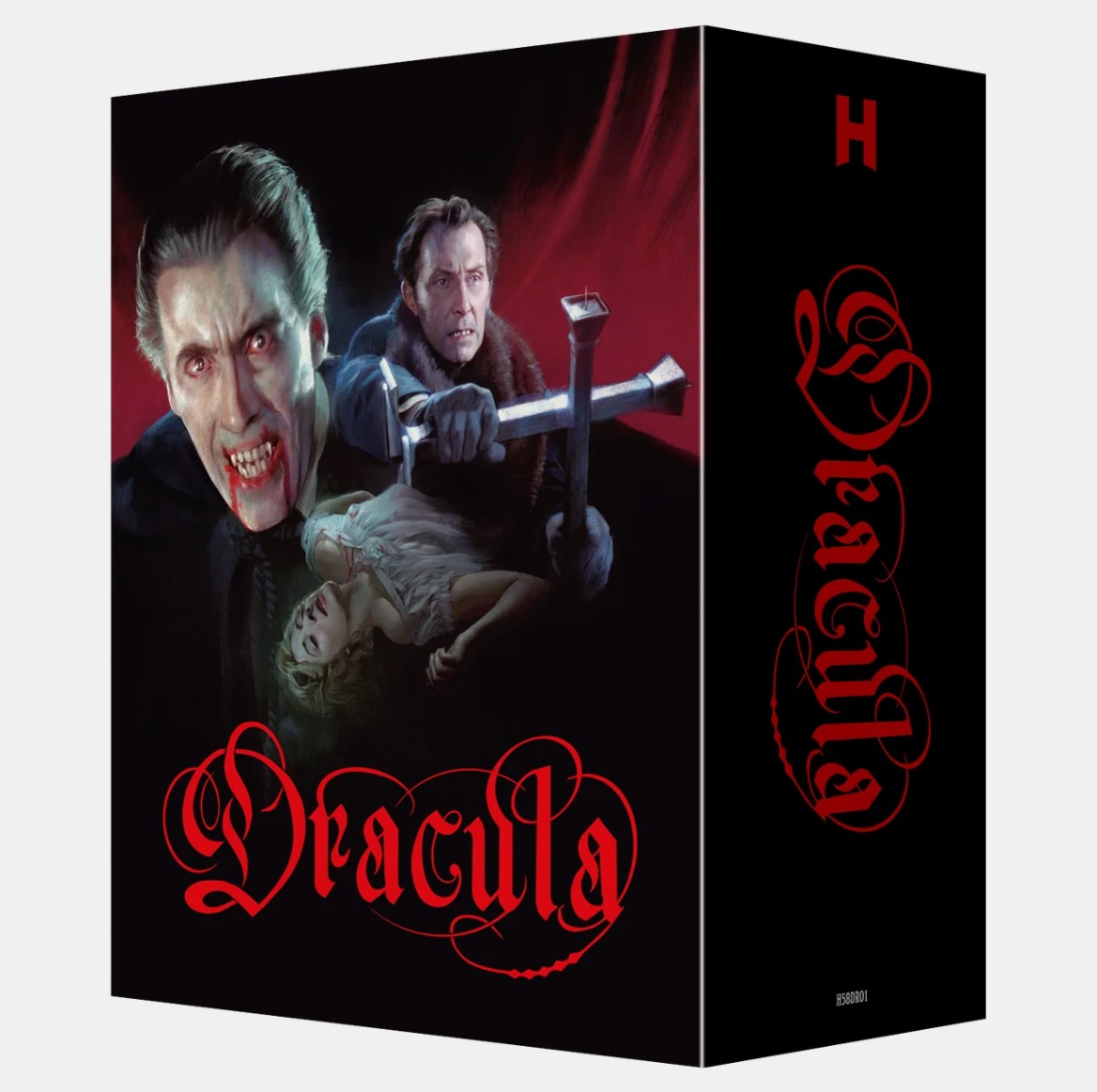
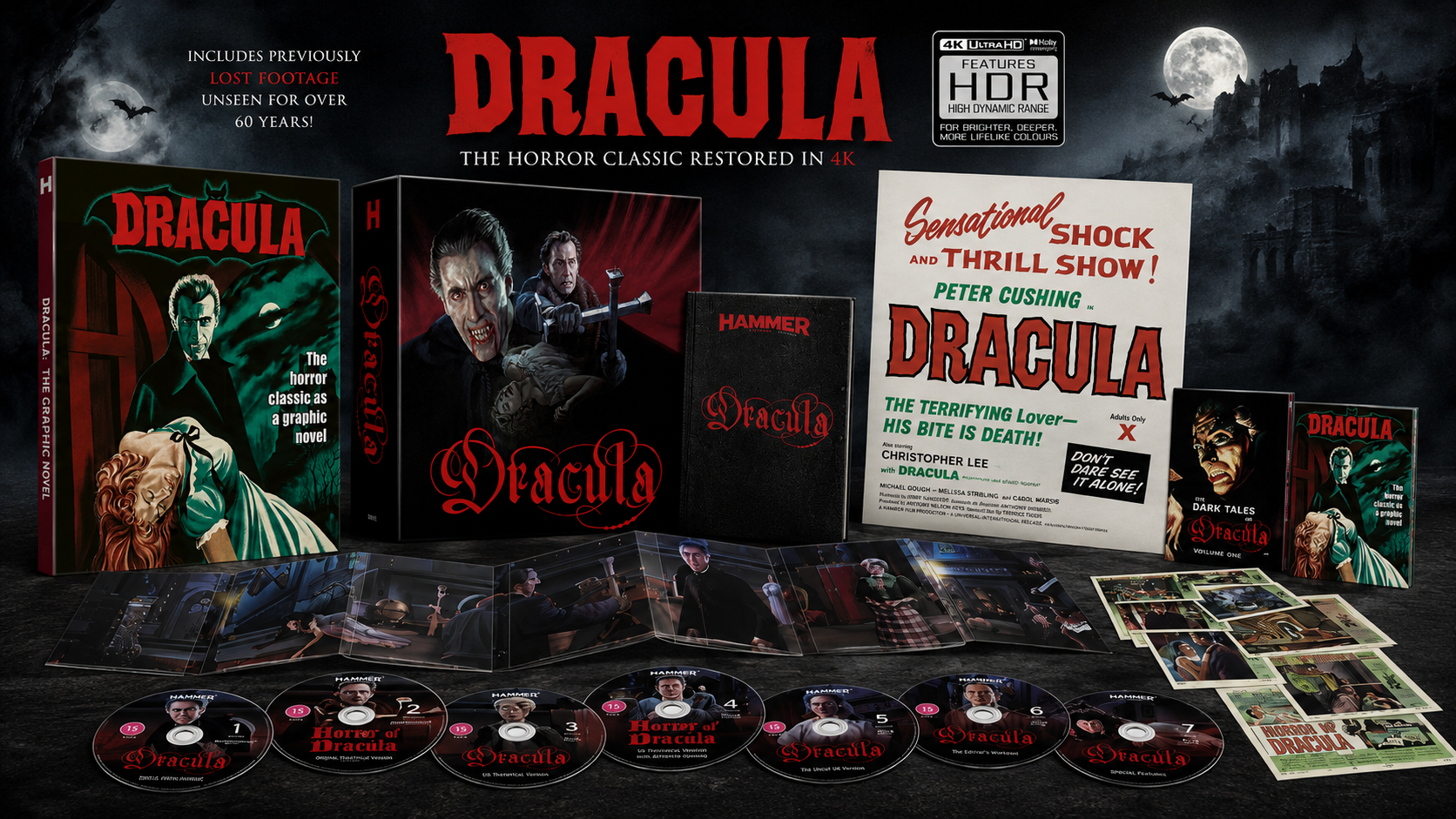
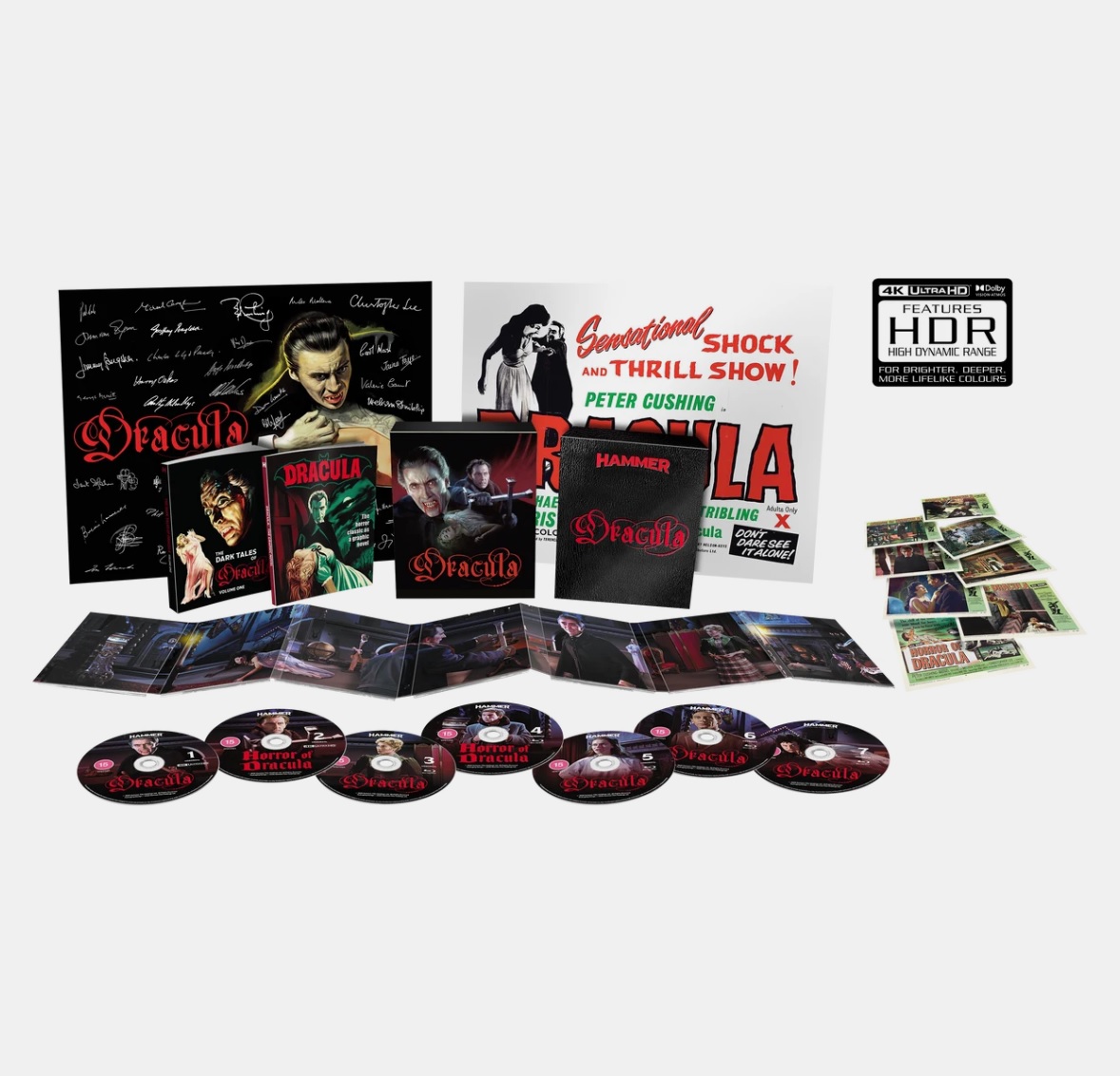
Hammer is giving the restoration a suitably substantial home entertainment release. The Limited Collector’s Edition arrives on 26 October 2026 and contains seven discs, five versions of the film, including uncensored UK and US cuts and an editor’s workprint, plus approximately 15 hours of new and archival material. The package also includes a 200-page book, a 60-page House of Hammer comic reprint, a double-sided poster and eight replica cinema lobby cards. A separate individually numbered Blood Edition is limited to 1,000 copies. Order yours HERE.
Nearly seven decades after Christopher Lee first bared his fangs, Hammer’s Dracula remains one of the films that defined British horror. This October, audiences are not simply getting another restoration of a classic. They are getting the opportunity to see its most complete presentation yet, with material that disappeared for generations finally returned to where it belongs.