
Takashi Miike’s Bad Lieutenant: Tokyo Reveals First Images and Teaser Trailer
Few filmmakers have built a reputation quite like Takashi Miike. Whether delivering psychological nightmares like Audition, ultraviolent cult classics such as Ichi the Killer, or acclaimed samurai epics including 13 Assassins, the prolific Japanese director has spent more than three decades proving he is one of cinema’s boldest and most unpredictable voices.
Now, Miike is taking on another iconic crime franchise.
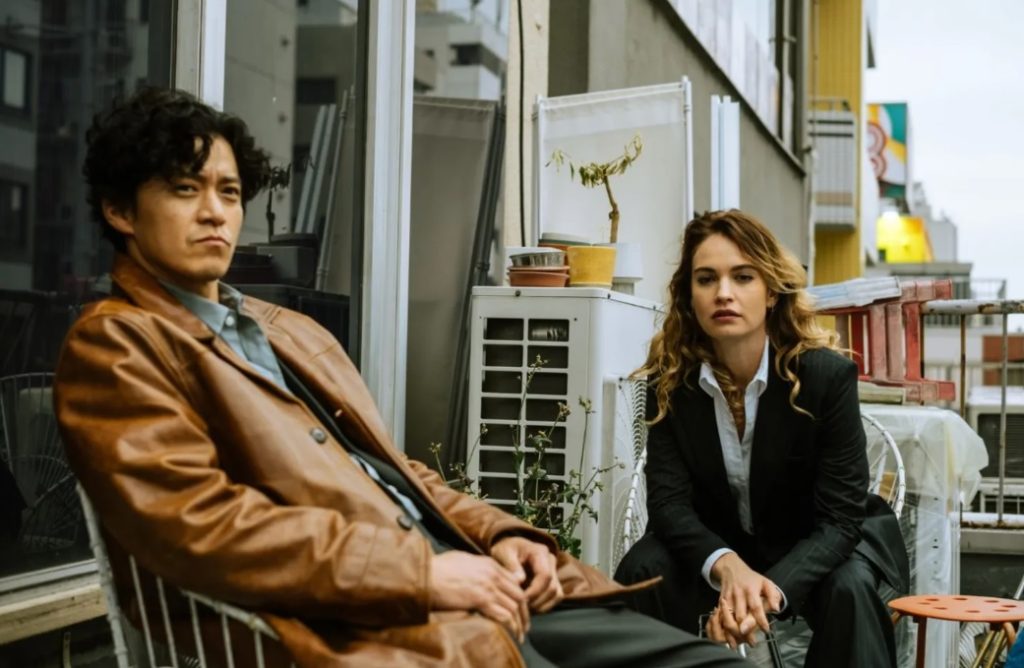
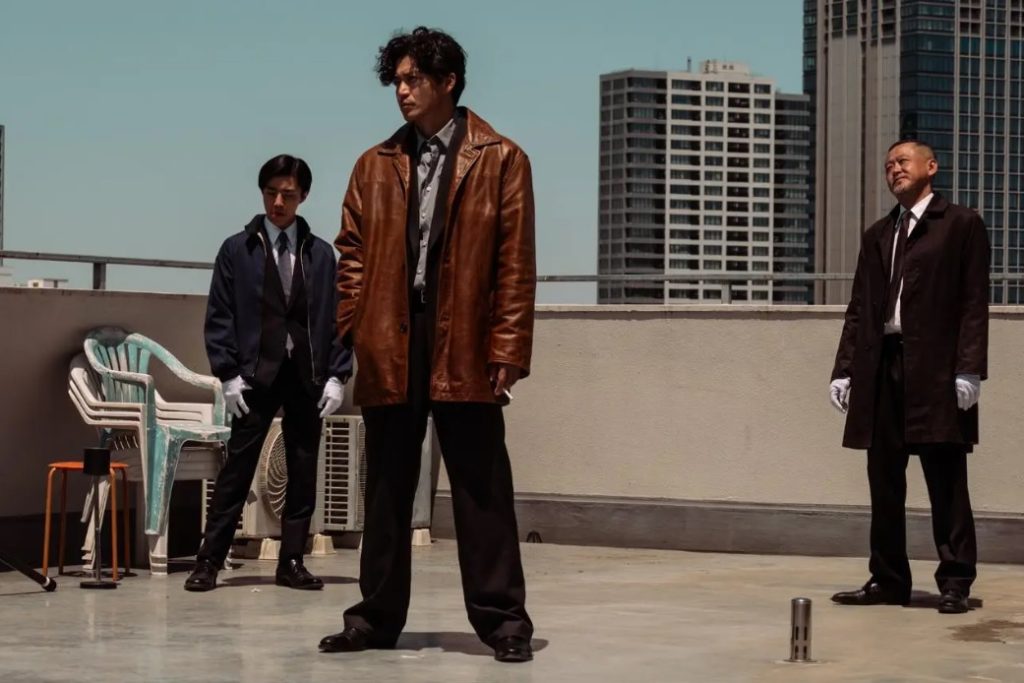
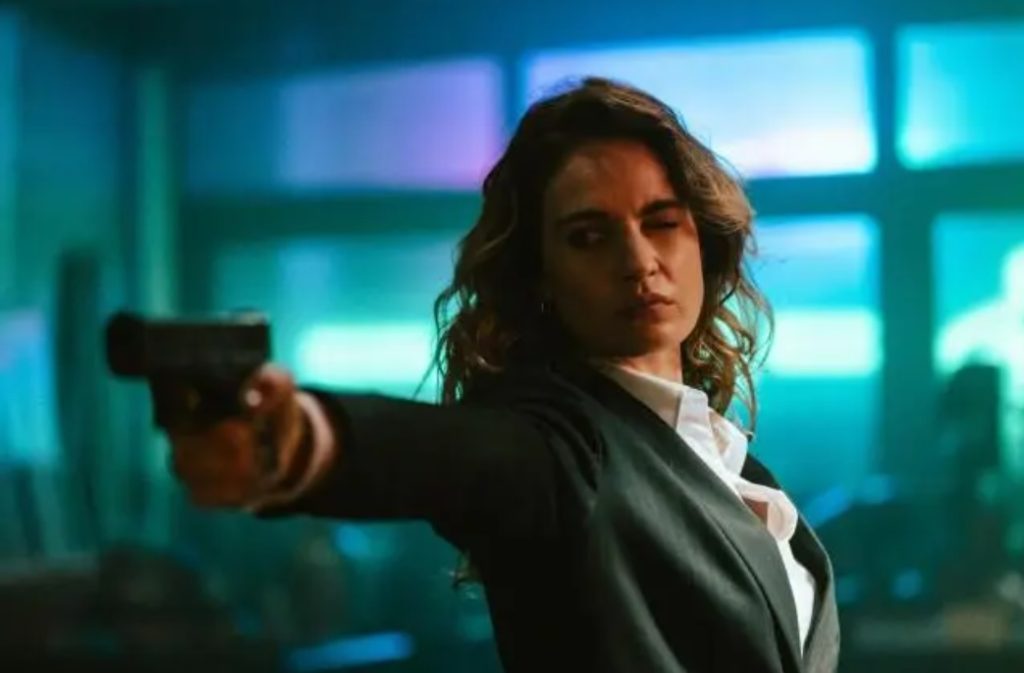
The first official images and teaser trailer for Bad Lieutenant: Tokyo have now been unveiled by Indiewire ahead of the film’s world premiere at this year’s Toronto International Film Festival, giving audiences their first look at Miike’s standalone entry in the long-running Bad Lieutenant series.
The new film stars Shun Oguri (Godzilla vs. Kong) alongside Lily James (Baby Driver, Pam & Tommy), with WWE Superstar Liv Morgan, Shotaro Mamiya, Shūhei Nomura, Nanase Nishino and Yuka Mukai rounding out the cast.
According to the official synopsis, the story follows a disgraced Tokyo detective who spirals into a world of corruption, addiction and escalating violence after becoming entangled in an investigation involving a former yakuza seeking revenge, an enigmatic FBI agent and the missing daughter of a powerful American family.
While the setting has moved from New York and New Orleans to Tokyo, the themes remain unmistakably familiar.
The Bad Lieutenant franchise began with Abel Ferrara’s controversial 1992 crime drama starring Harvey Keitel in one of the most acclaimed performances of his career. Keitel played a deeply corrupt New York police lieutenant consumed by gambling, drugs, alcohol and self-destruction as he investigated the brutal assault of a young nun. Dark, uncompromising and morally challenging, the film became an instant cult classic and remains one of the defining independent crime films of the 1990s. Keitel’s fearless central performance earned widespread critical praise, while Ferrara’s bleak exploration of guilt, redemption and faith ensured the film developed a lasting reputation well beyond its initial release.
Seventeen years later, the franchise returned in an entirely different form with Werner Herzog’s Bad Lieutenant: Port of Call New Orleans. Although not a direct remake or sequel, the 2009 film reimagined the concept through Herzog’s uniquely surreal lens, casting Nicolas Cage as another deeply flawed detective whose addictions and questionable morality threaten to consume him while investigating a series of murders in post-Hurricane Katrina New Orleans.
Cage’s wildly unpredictable performance has since become one of the most celebrated roles of his career, helping turn the film into a modern cult favourite. Rather than attempting to recreate Ferrara’s original, Herzog delivered something entirely its own, embracing black comedy, surrealism and psychological instability while maintaining the franchise’s fascination with morally broken law enforcement officers.
Bad Lieutenant: Tokyo appears to be following that same philosophy.
Rather than continuing the stories of Keitel or Cage’s characters, Miike’s film tells a completely new story built around the same core concept: a detective whose personal demons threaten to destroy both his career and those around him.
That approach feels particularly well suited to Miike’s filmmaking style.
Across a career spanning well over one hundred films, Miike has continually moved between genres while maintaining a distinctive voice. Horror fans know him best for Audition, widely regarded as one of the greatest Japanese horror films ever made, alongside the brutal Ichi the Killer, supernatural fantasy The Great Yokai War, and the acclaimed One Missed Call. Yet his filmography also includes gangster epics, family adventures, historical dramas and outrageous comedies, making him one of world cinema’s most versatile directors.
His ability to blend shocking violence with dark humour and genuine emotional depth makes him an intriguing choice for the Bad Lieutenant universe, where moral ambiguity has always been central to the storytelling.
The screenplay comes from frequent Miike collaborator Daisuke Tengan, whose previous work with the director includes Audition and 13 Assassins. Their long creative partnership has produced some of Miike’s strongest films, giving fans reason to be optimistic that Bad Lieutenant: Tokyo will feel like a natural extension of the director’s unique style rather than simply another franchise entry.
The cast is equally impressive.
Leading man Shun Oguri has become one of Japan’s biggest stars, with international audiences recognising him from Godzilla vs. Kong, while Lily James continues to build one of Hollywood’s most varied careers. From period dramas such as Downton Abbey and Rebecca to action films including Baby Driver and acclaimed performances in Pam & Tommy and The Iron Claw, James has consistently demonstrated remarkable versatility. Her involvement suggests Bad Lieutenant: Tokyo will have a significant international presence alongside its Japanese setting.
Behind the scenes, the film is produced by Sam Pressman, continuing the legacy established by his late father, legendary producer Edward R. Pressman, whose credits included the original Bad Lieutenant. Pressman is joined by Jeremy Thomas for Recorded Picture Company, Naoaki Kitajima for Nippon Television and Misako Saka for OLM.
Following its world premiere at the Toronto International Film Festival this September, Bad Lieutenant: Tokyo is scheduled to receive a US theatrical release later this year through NEON.
With Takashi Miike bringing his unmistakable filmmaking style to one of crime cinema’s most fascinating franchises, Bad Lieutenant: Tokyo already looks set to be one of the year’s most intriguing genre releases. Whether it ultimately sits alongside the cult status of Harvey Keitel’s original or Nicolas Cage’s unforgettable successor remains to be seen, but few directors seem better equipped to put their own stamp on the series than Miike.