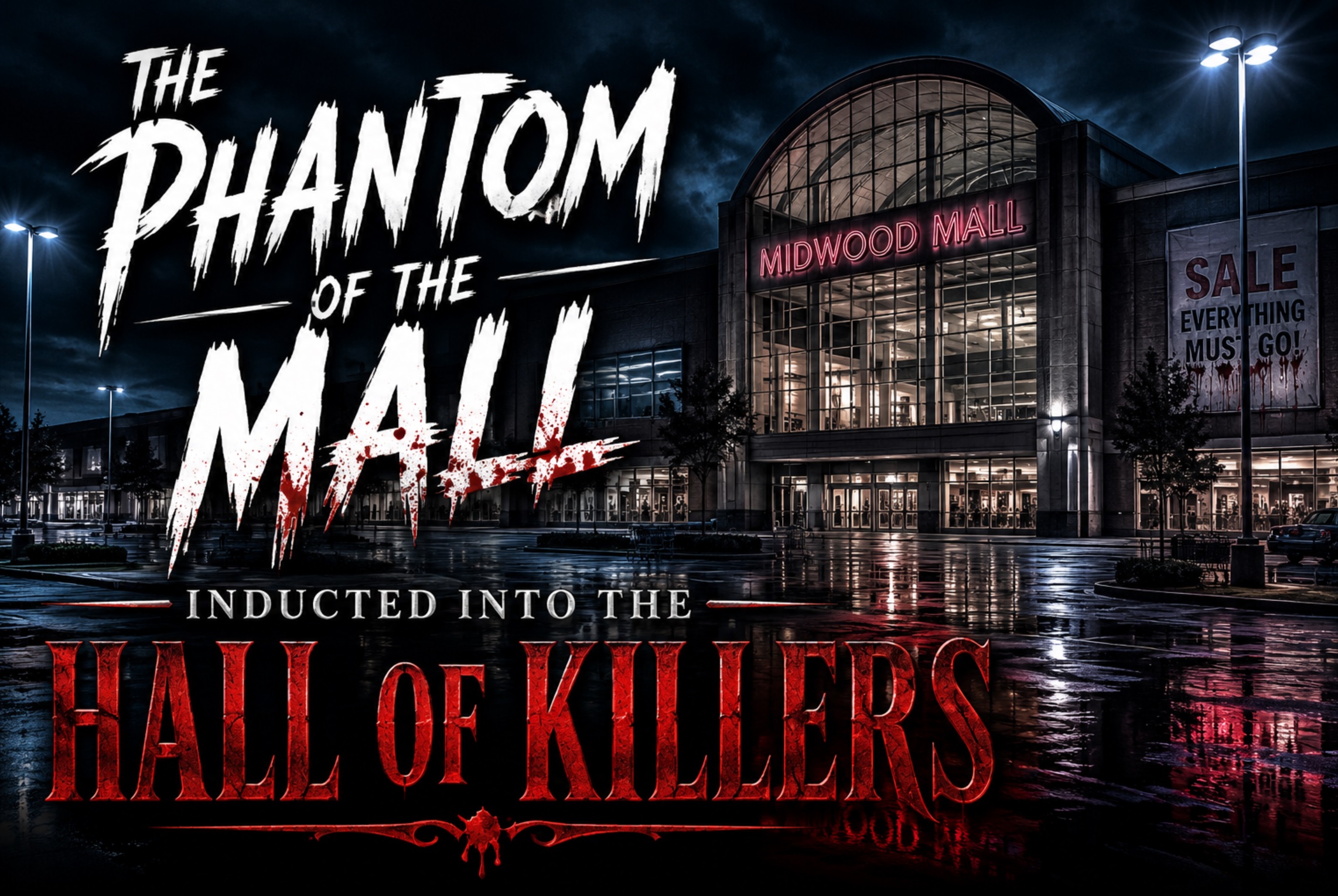
Attention Shoppers… Phantom of the Mall’s Eric Matthews Has Entered the Hall of Killers
The Hall of Killers has welcomed some truly terrifying residents over the years. We’ve honoured supernatural nightmares, masked psychopaths, unstoppable revenants and enough serial killers to ensure nobody here sleeps particularly well. Today, however, we’re making room for a man who looked at a perfectly respectable shopping centre and thought, “You know what this place needs? More ventilation shafts… and significantly fewer living customers.” Welcome to the Third Class Tier, Eric Matthews, otherwise known as The Phantom of the Mall.
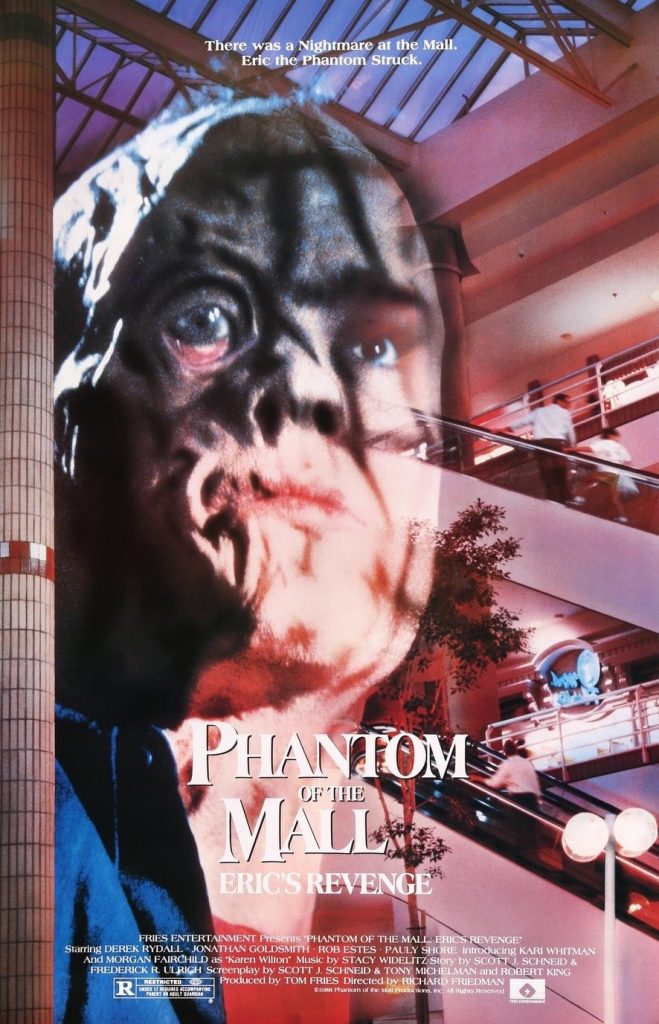
Released in 1989, Phantom of the Mall: Eric’s Revenge arrived towards the end of the original slasher boom, when audiences had already been introduced to Jason Voorhees, Michael Myers, Freddy Krueger and countless masked maniacs eager to reduce the American teenage population. Rather than simply throwing another masked killer into the mix, director Richard Friedman delivered one of the strangest hybrids of the decade, combining the tragic romance of The Phantom of the Opera with the consumer culture of the late 1980s. The result is a cult favourite that somehow makes shopping for trainers feel like a life-threatening activity.
Eric Matthews Was Basically the World’s Worst Shopping Centre Manager
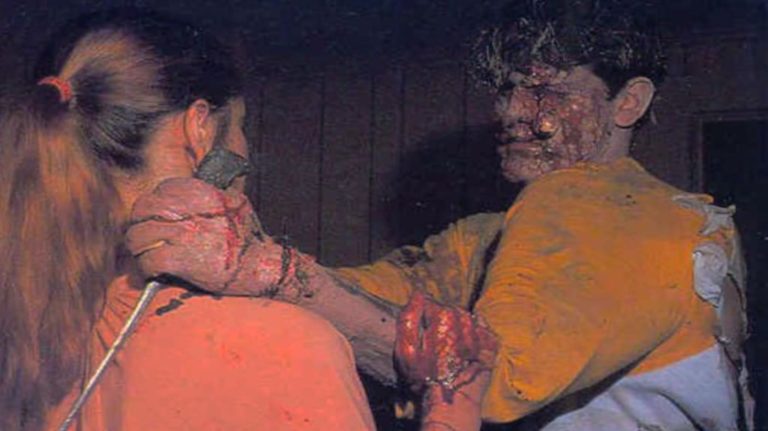
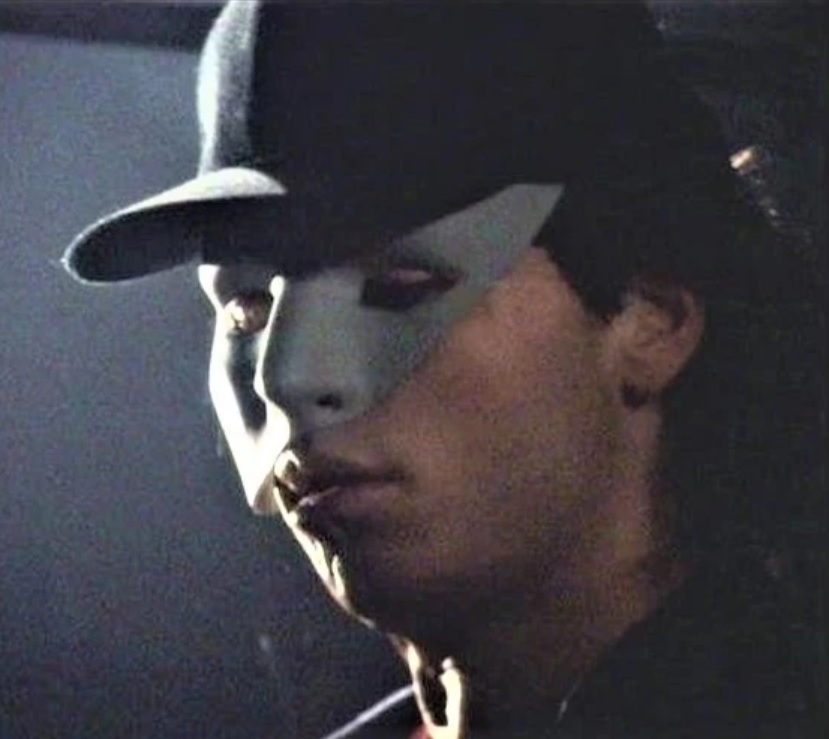
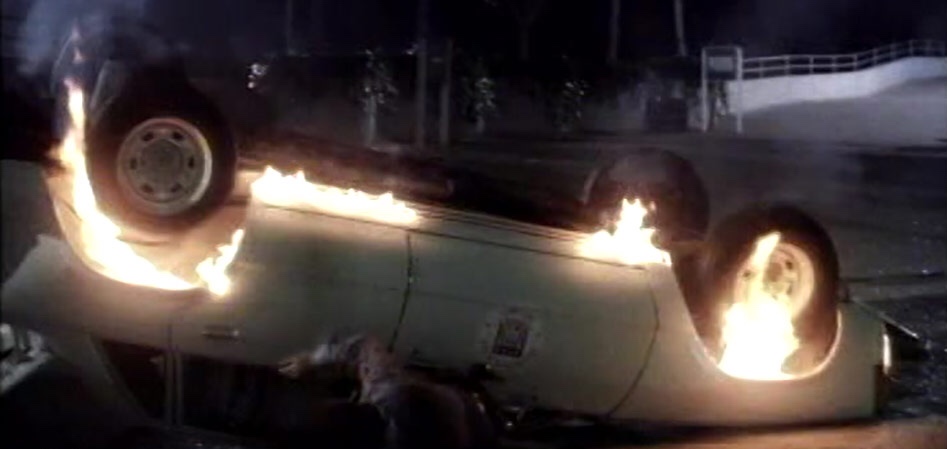
Eric wasn’t born a killer. Before tragedy struck, he was simply a young man deeply in love with Melody Austin. Everything changes when he rescues her from a suspicious house fire, only to be presumed dead himself. In reality, Eric survives but is horrifically burned and disfigured, disappearing into the shadows while everyone believes he perished in the blaze.
To make matters considerably worse, developers decide to bulldoze his former home and build a giant shopping mall over the site. Now, most people would complain to the local council, write a strongly worded letter or perhaps start a petition. Eric instead moves into the mall’s hidden maintenance tunnels, ventilation shafts and service corridors, quietly watching shoppers while plotting revenge against everyone responsible for ruining his life. It’s fair to say his coping mechanisms could have used a little work.
His obsession with Melody also becomes increasingly unhealthy. He leaves gifts and flowers, watches over her from hidden passages and eliminates anyone he believes stands between them. Somewhere along the line, Eric completely misses the memo explaining that stalking rarely wins anyone back. Murdering their colleagues generally doesn’t help either.
Retail Therapy Has Never Been So Literal
One of the reasons Phantom of the Mall has developed such a loyal following is its wonderfully inventive use of location. Most slashers give their killer a knife and point them towards a group of unsuspecting victims. Eric, on the other hand, turns the entire shopping centre into one enormous death trap, making excellent use of equipment most of us walk past every weekend without a second thought.
Industrial ventilation fans become giant blenders for maintenance workers. Escalators suddenly look far less appealing. Forklifts become lethal weapons. Crushing machinery proves that recycling cardboard can be surprisingly hazardous, and somewhere along the way Eric even introduces a poisonous snake into proceedings because apparently there wasn’t enough workplace health and safety legislation being violated already.
It’s creative, gloriously over-the-top and exactly the sort of thing late-1980s horror excelled at. Every new corridor, maintenance room or piece of machinery suddenly feels like another opportunity for Eric to demonstrate why shopping online has become such a sensible alternative.
A Slasher With a Surprisingly Tragic Heart
What separates Eric from many forgotten slashers is that beneath the burns, revenge and increasingly imaginative murders lies a genuinely tragic character. Unlike killers driven purely by bloodlust, Eric is motivated by betrayal, corruption and heartbreak. Many of the people he targets are directly connected to the greed that led to his apparent death and the destruction of his home, making his revenge feel oddly understandable, even if his methods are somewhat… excessive.
Derek Rydall deserves a great deal of credit for making Eric more than just another masked maniac. There are moments where flashes of the young man he once was still remain, making his complete inability to move on from Melody all the more heartbreaking. It’s difficult not to feel sympathy for him, right up until someone gets shoved into industrial machinery and you remember that therapy was probably the healthier option.
That balance between monster and victim gives Eric a surprising amount of emotional depth. He’s still a slasher villain, but one whose descent into madness feels rooted in genuine tragedy rather than simple evil.
The Phantom Deserved Better Than the Box Office
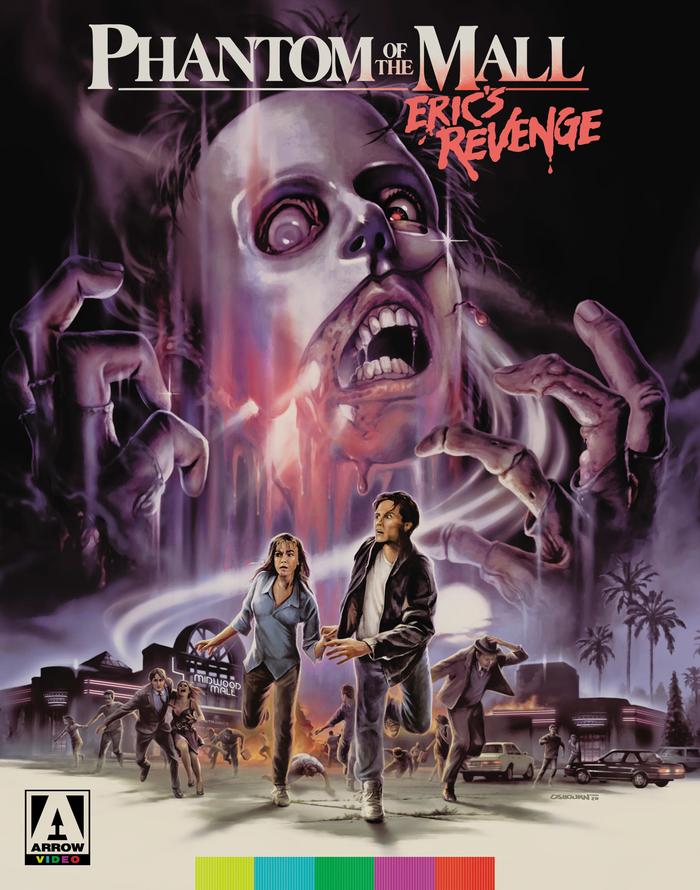
Despite its memorable premise, Phantom of the Mall: Eric’s Revenge struggled upon release. Horror audiences in 1989 had perhaps become a little exhausted by slashers, and Eric never enjoyed the mainstream success of Freddy, Jason or Michael Myers. Over time, however, the film has steadily found its audience, becoming one of those forgotten gems that horror fans love recommending with the words, “Trust me, it’s much better than you’ve probably heard.”
Collectors helped breathe new life into the film when Arrow Video gave it a superb Blu-ray release in 2021. Packed with multiple cuts of the film, newly produced bonus features and a lovingly restored presentation, the release introduced Eric Matthews to an entirely new generation of horror fans. Like many Arrow rediscoveries, it transformed what had once been dismissed as a forgotten oddity into a respected cult classic sitting proudly on collectors’ shelves.
These days, mention Phantom of the Mall in horror circles and you’re likely to be met with smiles rather than confused expressions. It may never have reached the heights of the genre’s biggest franchises, but it has earned something arguably more valuable: genuine cult status.
Why Eric Matthews Earns Third Class
The Hall of Killers isn’t simply about body counts. If it were, we’d have to start inducting mosquitoes and particularly aggressive geese. Personality, originality, memorable kills and lasting legacy all play an important part, and Eric Matthews ticks enough boxes to comfortably earn his place in the Third Class Tier.
His confirmed kill count of eight victims may not rival the genre’s heavyweight champions, but he compensates with imagination. His shopping-centre setting remains unlike almost anything else in slasher cinema, his tragic backstory gives him more emotional complexity than many better-known villains, and his inventive use of environmental kills ensures he remains memorable long after the closing credits roll.
Besides, anyone capable of making us question whether we really need to visit the food court deserves at least some recognition.
Welcome to the Hall of Killers, Eric
Eric Matthews may never have become a household horror icon, but cult cinema would be considerably poorer without him. Phantom of the Mall: Eric’s Revenge remains one of the late ’80s slasher era’s most entertaining hidden gems, blending Gothic tragedy, inventive violence and wonderfully absurd shopping-mall horror into something completely unique.
So congratulations, Eric. You’ve officially joined the Hall of Killers.
Just… perhaps stay away from the escalators, the ventilation system, the forklift aisle, the cardboard compactor and literally every other part of the shopping centre. On second thoughts, online shopping suddenly seems like the safest option.