When Halloween Met Hong Kong Kung Fu With Yes Madam (And No One Told John Carpenter)
There are many strange crossovers in cinema history, but few are quite as surreal as sitting down to watch a high-octane Hong Kong kung fu cop thriller and suddenly realising your ears are telling you that Michael Myers has just entered the building.
Not metaphorically.
Not spiritually.
Literally.
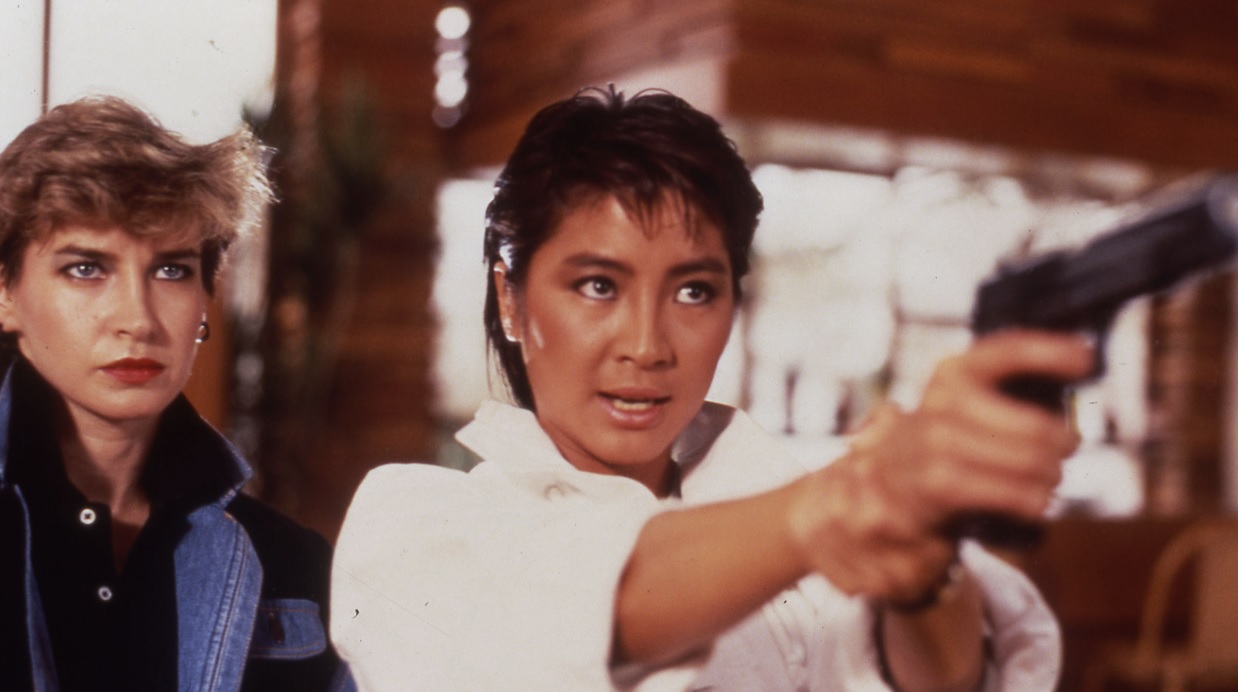
The unmistakable piano notes from John Carpenter’s Halloween are right there in the soundtrack of Yes Madam! blaring away as Michelle Yeoh and Cynthia Rothrock stalk criminals instead of babysitters.
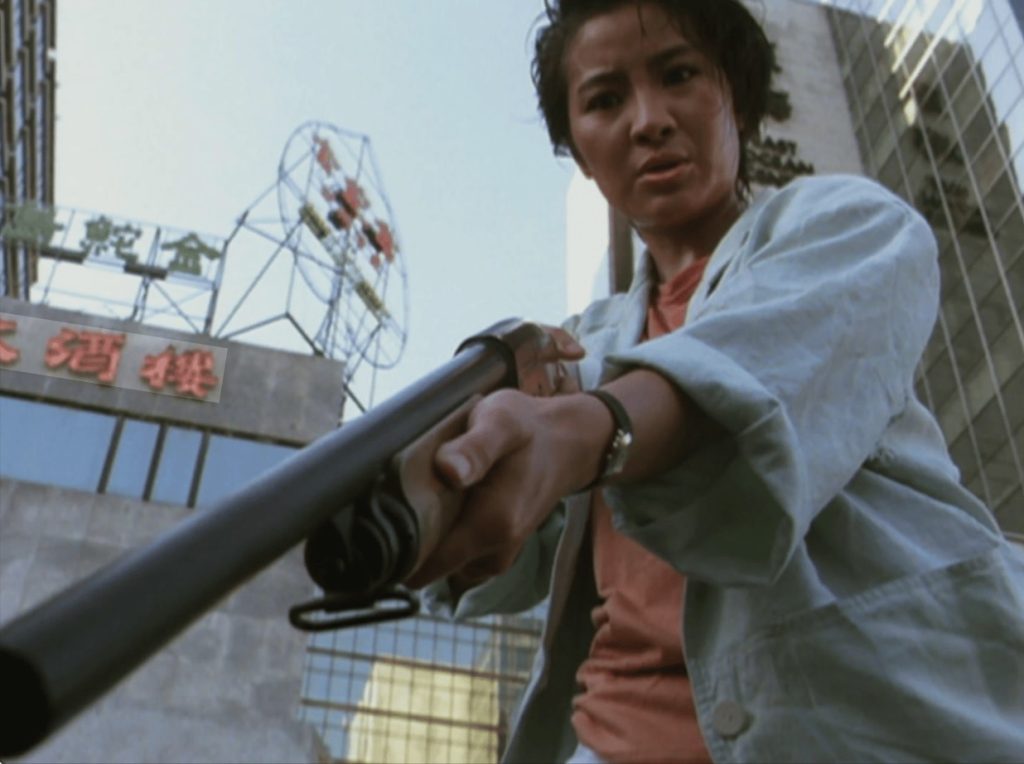
Yes, That Really Is the Halloween Theme
If you’ve ever watched Yes Madam! and thought, “Hang on… that’s The Shape stalks”, congratulations — you’re not imagining it.
The 1985 Hong Kong action classic openly uses cues from Carpenter’s 1978 Halloween score during moments of danger, tension, and sudden realisation. Sometimes it’s even helpfully labelled in subtitles as “scary music”, as if the source of that terror were some vague public-domain sound effect rather than one of the most recognisable horror themes ever composed.
Which raises an obvious question.
Did John Carpenter Know?
Did John Carpenter know his music had taken a side job moonlighting in a Hong Kong kung fu film?
Did he approve it?
Did he get paid?
The short, frustrating, and completely honest answer is: there is no evidence that he did.
There are no interviews where Carpenter mentions it.
No production anecdotes.
No lawsuits.
No credits acknowledging Halloween anywhere in Yes, Madam!’s paperwork.
That silence isn’t suspicious. It’s historical.
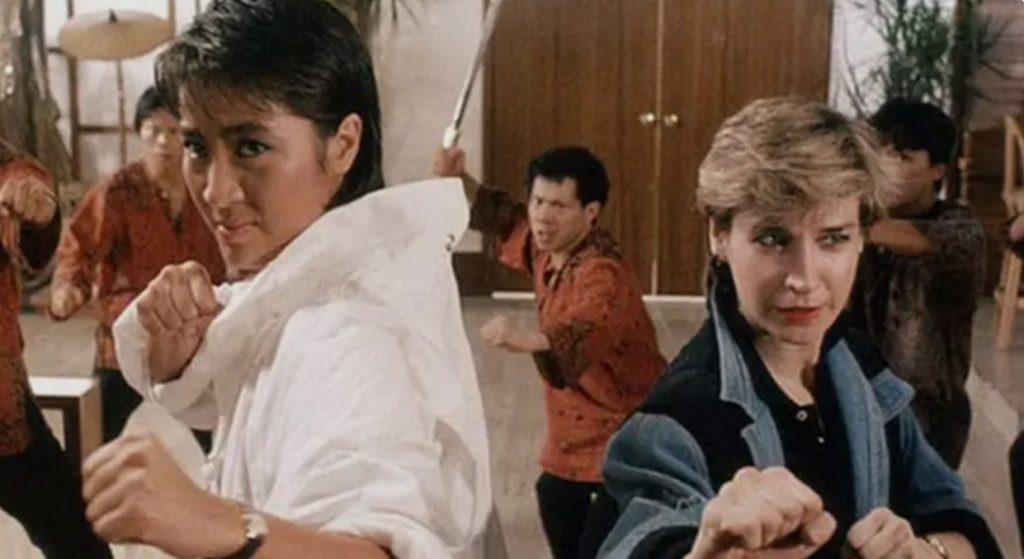
Borrowing Was a Feature, Not a Bug
In the 1970s and 1980s, Hong Kong cinema routinely lifted music from Hollywood films with zero licensing, zero clearance, and zero concern.
Scores from:
- Halloween
- The Exorcist
- Star Wars
- Jaws
- The Omen
…were dropped straight into local productions because they worked.
International copyright enforcement was loose, studios worked fast, and films were made to hit audiences immediately — not to survive decades of legal scrutiny. Music supervisors weren’t worried about American composers noticing. They were worried about whether a scene landed.
And if the Halloween theme made a moment ten times more tense, that was problem solved.
Why the Music Works So Well in Yes, Madam!
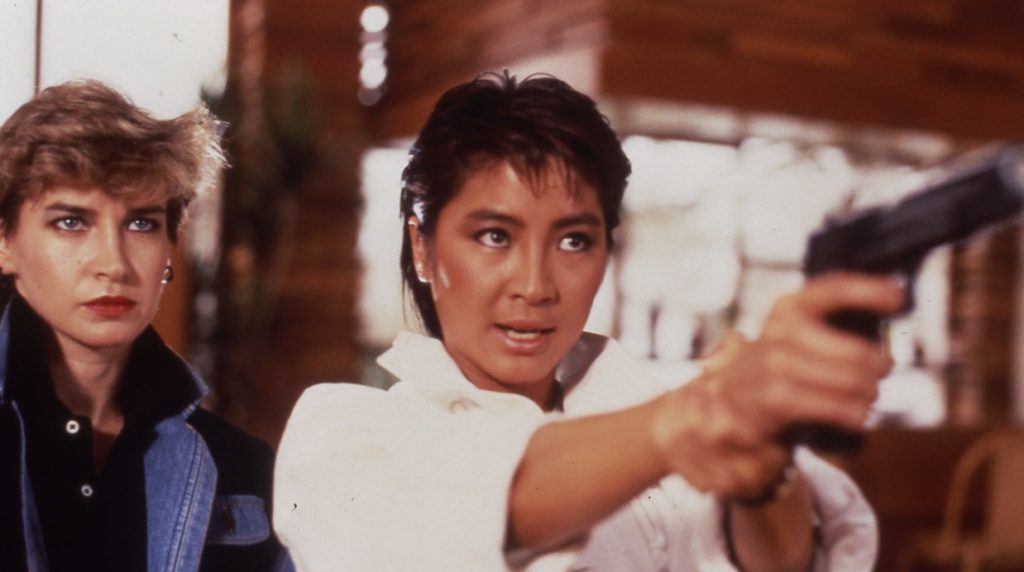
Directed by Corey Yuen, Yes Madam! was never intended as a horror film — but it understands tension.
When the Halloween score creeps in, it’s not played for irony or novelty. It’s doing exactly what Carpenter designed it to do in 1978:
signal danger,
announce escalation,
and tell the audience that something bad is about to happen.
The only difference is that instead of Michael Myers lifting a knife, it’s Michelle Yeoh delivering a flying kick.
And somehow, it works disturbingly well.
Carpenter’s minimalist synths slide effortlessly into the rhythm of Hong Kong action cinema, proving that fear — like a well-aimed roundhouse — is universal.
A Completely Accidental Cinematic Echo
What makes this even more delightful in hindsight is the accidental legacy connection it creates.
Yes, Madam! launched Michelle Yeoh’s film career.
Halloween launched Jamie Lee Curtis.
Decades later, the two would share the screen in Everything Everywhere All At Once, winning Oscars and redefining genre credibility in the process.
Somewhere in the multiverse, this was all planned.
In our reality, it was almost certainly accidental.
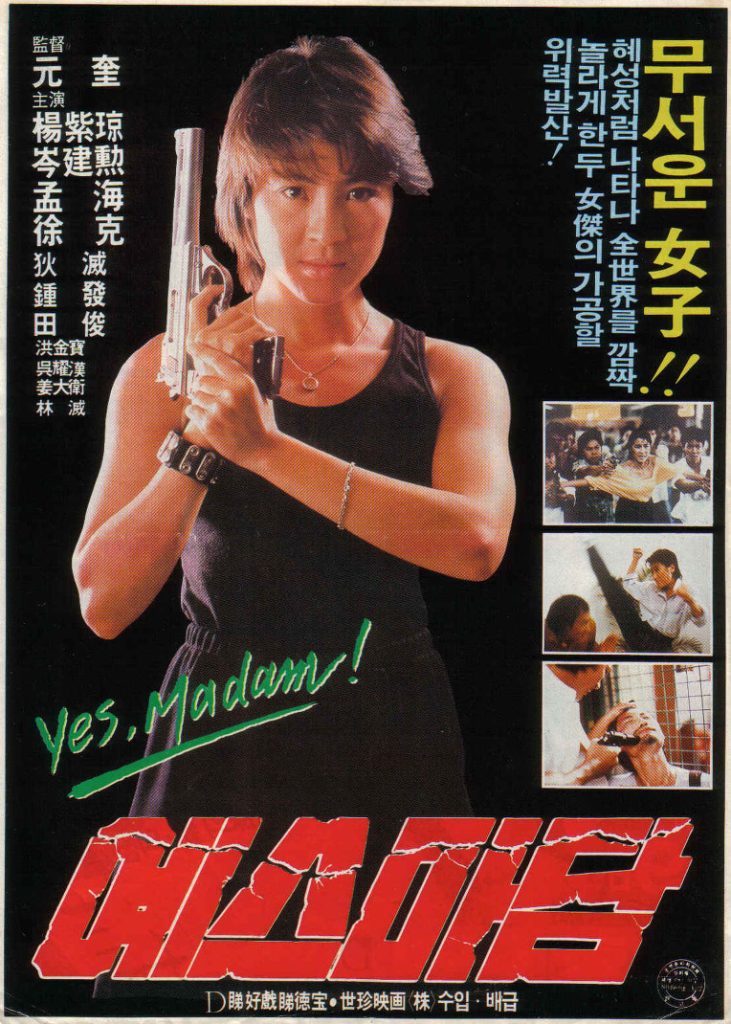
So… Was It Legal?
By modern standards?
Absolutely not.
But the Halloween cues have survived every home video release, restoration, and streaming version of Yes Madam! without alteration. At this point, untangling it would be more trouble than it’s worth.
The music is now baked into the film’s identity.
What began as casual borrowing has become part of its charm.
When Genres Collide, Everyone Wins
Yes, Madam! went on to kickstart the In the Line of Duty series and help define the girls-with-guns subgenre. Carpenter’s Halloween score went on to become one of the most reused, referenced, and remixed pieces of music in cinema history.
That these two worlds collided so directly, so casually, and so unapologetically feels less like theft and more like a secret handshake between genre filmmakers who understood exactly what worked.
When Halloween met Hong Kong kung fu, nobody sued, nobody explained, and nobody stopped the music.
And honestly?
Cinema is richer — and a lot more entertaining — because of it.