Stephen King’s Mister Yummy Becomes The Next Haunting Adaptation
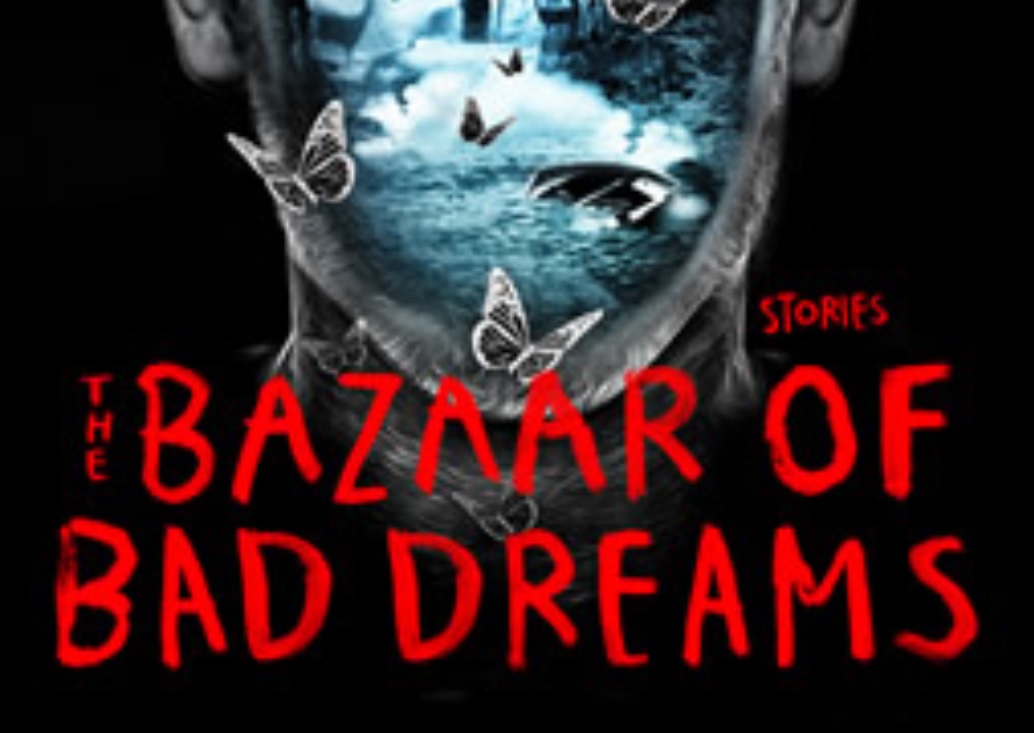
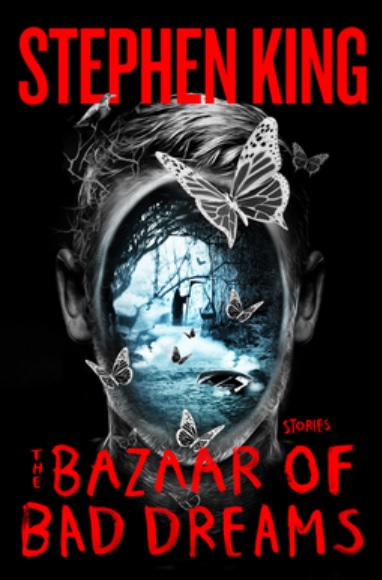
If there is one universal truth in horror, it is that Stephen King never stops. The man has written so many novels, novellas, and short stories that it sometimes feels like there are more King adaptations than actual days in a year. The next one to crawl out of the pages and onto the screen is Mister Yummy, a smaller, more reflective slice of dread from his 2015 collection The Bazaar of Bad Dreams.
The project is being introduced at the American Film Market by Intrinsic Value Films, the same team that gave us Satan’s Little Helper and The Alphabet Killer. According to Deadline, the adaptation will bring King’s melancholic meditation on mortality to life, proving that not every horror story needs blood and monsters to be unsettling. Sometimes the most terrifying thing is just waiting to die.
Mister Yummy centers on Ollie Franklin, an elderly gay man spending his last days at the Lakeview Assisted Living Center. Ollie begins seeing visions of a beautiful young man he calls Mister Yummy, whose sudden appearances seem to foretell his own death. As the sightings grow more frequent, Ollie becomes convinced that this figure is not a hallucination but something much more literal — death itself, arriving in an unnervingly attractive form. King has always had a gift for making the ordinary feel cosmic, and here he turns a quiet nursing home into a place where time and memory collide with mortality.
The screenplay has been written by Troy Blake, who is also producing alongside Thomas Mahoney (The Girl in the Photographs). Intrinsic Value co founder Aimee Schoof said, “After years of producing films we deeply believed in, we are excited to make Intrinsic Value a visible brand in its own right. We are honoring the spirit that has always guided us — collaboration, discovery, and great storytelling.”
This is the first time one of King’s Bazaar of Bad Dreams stories has made it to the big screen. That collection, released in 2015, was something of a greatest hits album for his shorter works. It gathered stories both new and old, each with King’s trademark introductions where he discussed their inspirations. Alongside Mister Yummy, there were tales like Mile 81, about a man eating car parked by the side of a lonely highway, Ur, a strange techno fable about a Kindle that predicts the future, and Morality, which explored what happens when temptation and greed come knocking on an ordinary couple’s door.
It is no surprise that Mister Yummy is the first to make the leap to film. It is intimate, contained, and emotionally raw, dealing with aging, regret, and the ghost of youth. While most King adaptations revolve around killer clowns, vampires, or telekinetic teenagers, this story is about something far scarier — accepting that life is nearly over and realizing you are still haunted by what might have been. If handled correctly, the film could sit comfortably alongside quieter King adaptations like The Shawshank Redemption and The Green Mile, where the monsters are not supernatural but human.
Of course, King’s work is enjoying another golden age of adaptation. The Running Man is returning to cinemas this year, Carrie is being revived once again, The Stand refuses to stay buried, and The Girl Who Loved Tom Gordon is finally getting her big screen moment after years in development limbo. There is even talk of new versions of Cujo and Rat, because clearly the King machine has no off switch.
What makes Mister Yummy stand out from this pack is its quiet horror. This is not about jump scares or shocking violence. It is about the terror of reflection — the kind that comes when you realize that the person you were once in love with, or the version of yourself you used to be, might be waiting for you on the other side. In King’s story, Mister Yummy is not a villain but a reminder. He is the beautiful specter of youth that comes to collect what time has taken.
For Intrinsic Value Films, this project is a statement of intent. After years of producing indie genre gems, they are making a name for themselves by tackling one of King’s most emotional works. “Getting to bring this story to the screen is an incredible opportunity,” Schoof said. “We want to honor King’s exploration of mortality and memory, while still making something visually haunting and unexpected.”
King himself once described The Bazaar of Bad Dreams as a collection about “mortality and morality, the things that happen at the end of the day.” Mister Yummy fits that perfectly — it is about death, yes, but also about beauty, loss, and what it means to look back on a life with both pride and regret.
Whether the film turns out to be heartbreaking, horrifying, or both, it proves that King is still mining new depths of fear long after most writers would have retired to Maine with a typewriter and a whiskey. The man keeps going, and so do his stories. And if you start seeing a handsome stranger standing at the end of your hallway after watching Mister Yummy, well, maybe it is time to check in at Lakeview yourself.