
Donny Kohler Joins the Third Class of the Hall of Killers – The Lonely Pyromaniac Who Lit Up the Seventies
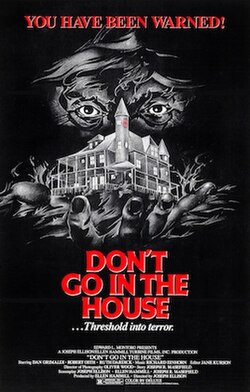
The Hall of Killers has welcomed all manner of maniacs over the years, from demon children to dream invaders, but few have managed to make audiences feel both terrified and deeply uncomfortable quite like Donny Kohler, the star of the notorious 1979 shocker Don’t Go in the House. Now, decades after he first brought his peculiar brand of fire safety awareness to the big screen, Donny has officially been inducted into the third class of the Hall of Killers, where he joins fellow outcasts who never quite made it to infamy but left scorch marks all the same.
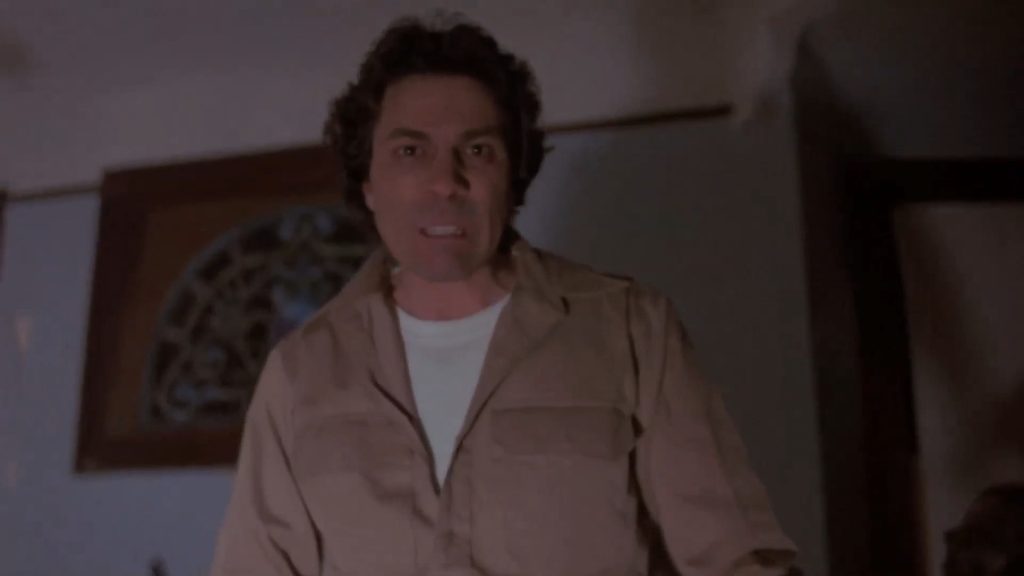
For the uninitiated, Don’t Go in the House is the kind of film that sounds like a public information announcement gone horribly wrong. Directed by Joseph Ellison, it follows Donny Kohler, a socially awkward metalworker who spends his days repairing furnaces and being bullied by his co-workers. When his abusive, fire-obsessed mother dies, Donny finally loses his grip on reality. Instead of grieving in the usual way (a funeral, perhaps some therapy), he decides to line one of the rooms in his house with sheet metal, lure women home under false pretences, and burn them alive with a flamethrower. As coping mechanisms go, it is certainly creative, if not exactly healthy.
Donny was brought to life by Dan Grimaldi, who would later find respectability as twin mobsters Patsy and Philly Parisi in The Sopranos, a fact that still astonishes anyone who has seen him in this early role. Grimaldi’s performance in Don’t Go in the House walks a fine line between tragic and terrifying. He captures Donny’s childlike confusion and rage so convincingly that it almost makes you forget he has just welded a room into a private crematorium. Almost.
Released during the late 1970s boom of “psycho in a house” horror, the film was lumped in with the likes of Maniac and The Driller Killer, two other movies that delighted in showing the slow rot of lonely male minds. But Don’t Go in the House stands apart for its strange blend of sleaze, pathos and moral confusion. It was marketed like a slasher but plays more like a grim psychological case study about a man who cannot let go of his mother. Norman Bates had a taxidermy hobby; Donny has asbestos insulation.
The film’s first burning scene caused outrage upon release, and even by modern standards, it is shockingly intense. The special effects team achieved the sequence using heat-resistant suits and clever editing, though the finished product looks horrifyingly real. The UK censors were so appalled they promptly banned the film during the infamous “video nasties” panic of the 1980s. Parents were warned, priests were consulted, and teenagers everywhere immediately went out to find a copy.
What makes Donny Kohler such a compelling addition to the Hall of Killers is that he does not fit the usual mould. He is not a charismatic monster or a witty one-liner machine. He is awkward, frightened and oddly pitiful, a horror villain born from neglect rather than supernatural evil. The film hints that Donny was burned by his mother as a child and forced to hold his hands over an open flame whenever he misbehaved. When she dies, he hears her voice in his head and begins seeing visions of her charred corpse, scolding him for his sins. If Psycho was about repressed sexuality, Don’t Go in the House is about repressed trauma and what happens when a person’s brain finally melts under the weight of it.
Despite its grim tone, the film has gained a cult following over the years for its unapologetic weirdness. The disco scenes alone deserve a special mention, featuring Donny awkwardly dancing at a nightclub as if trapped in an infernal version of Saturday Night Fever. When he tries to talk to women, he stammers like a malfunctioning toaster, a moment of bleak comedy that somehow makes him even creepier.
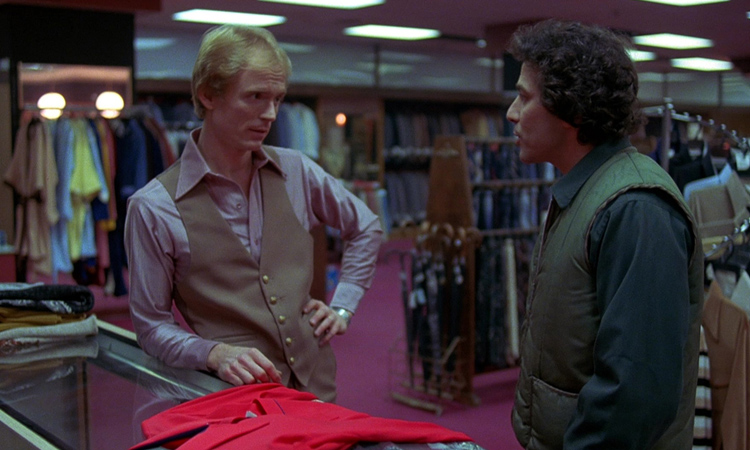
In many ways, Donny Kohler was ahead of his time. He represents the lonely, disconnected man adrift in the modern world long before the phrase “incel horror” became a thing. Yet, unlike some of his cinematic successors, there is no empowerment here, only endless fire and guilt.
His induction into the third class feels fitting. He is not quite legendary, not quite infamous, but impossible to forget. His home may have gone up in flames, but his reputation continues to smoulder quietly in horror history.
So raise a fire extinguisher to Donny Kohler, the mild-mannered pyromaniac who taught us all an important lesson: if someone invites you into a strange metal-lined room, do not go in the house.