Chief Woodenhead Carves His Way Into The Hall Of Killers
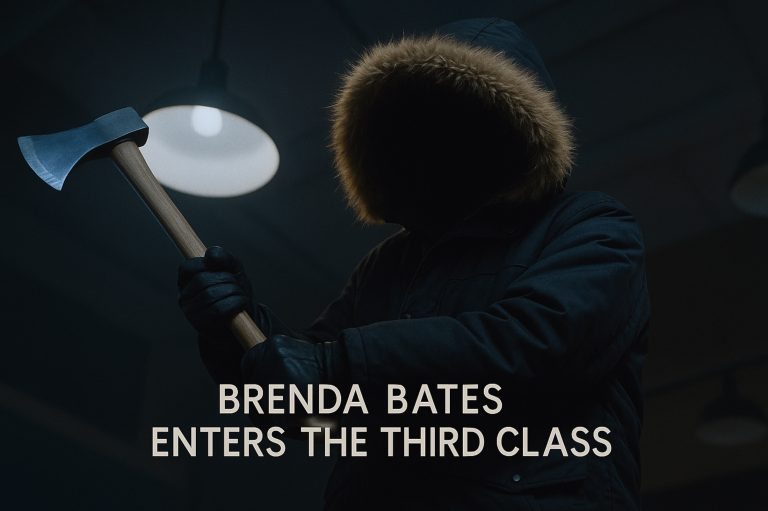
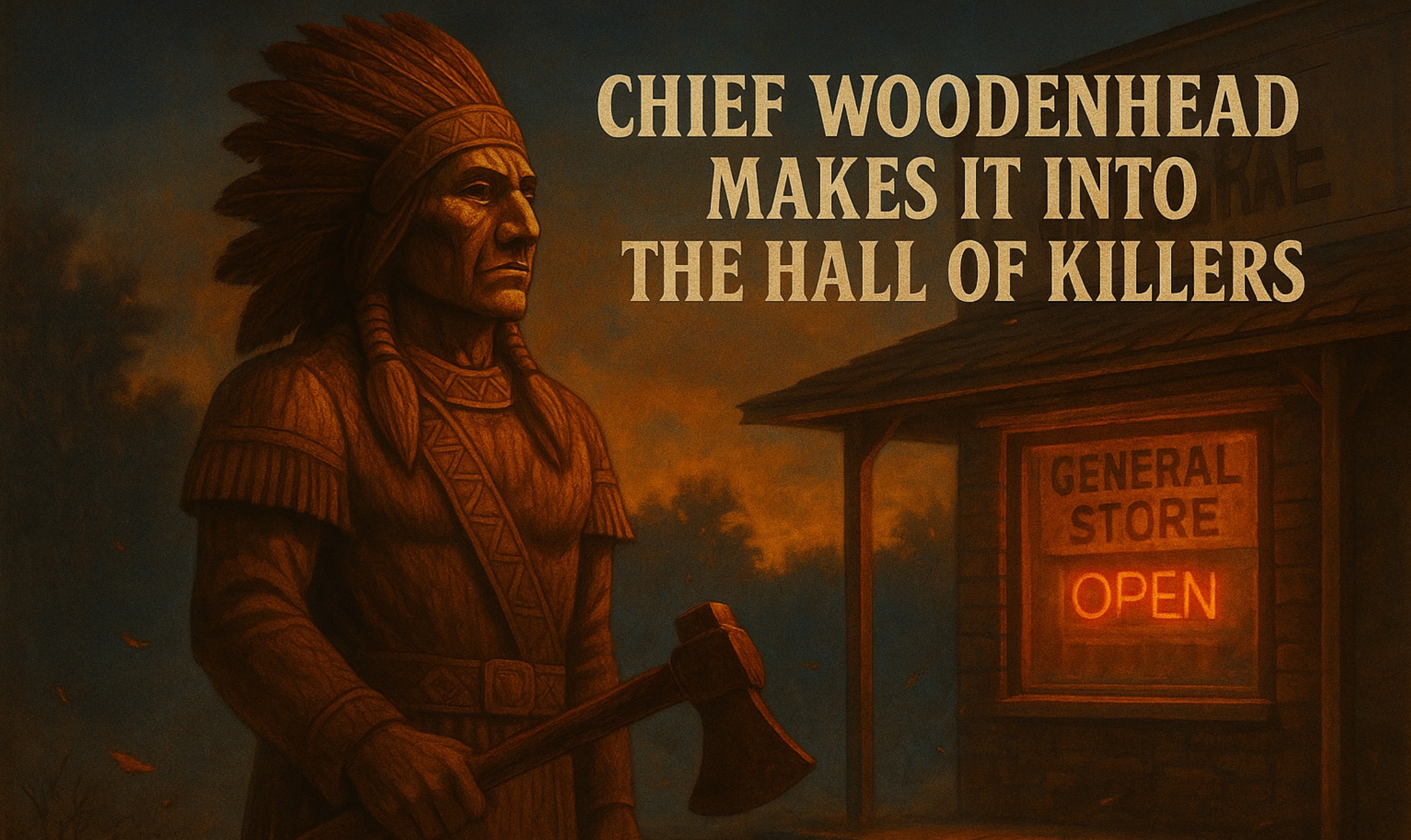
The Hall of Killers has opened its cursed doors once more, welcoming its third class of cinematic psychopaths and supernatural slashers — and standing tall above them all this year is none other than Chief Woodenhead, the vengeful, varnished spirit from Creepshow 2.
Joining him in this round of inductions are a few of horror’s unsung villains — the Critters from space, the ever-hungry Alligator, the camp-slasher-turned-cult-icon Angela Baker, and, of course, the flour-dusted menace himself, The Gingerdead Man. It is a proper celebration of the second-tier killers who, while perhaps not as globally merchandised as your Freddys or Jasons, still left their bloody mark on screens (and on victims) everywhere.
But it is Chief Woodenhead who truly earns the spotlight this year, standing proud — and slightly splintered — as a symbol of revenge, craftsmanship, and the dangers of vandalising a Native American statue with a shotgun.
A Timber Terror With Honour
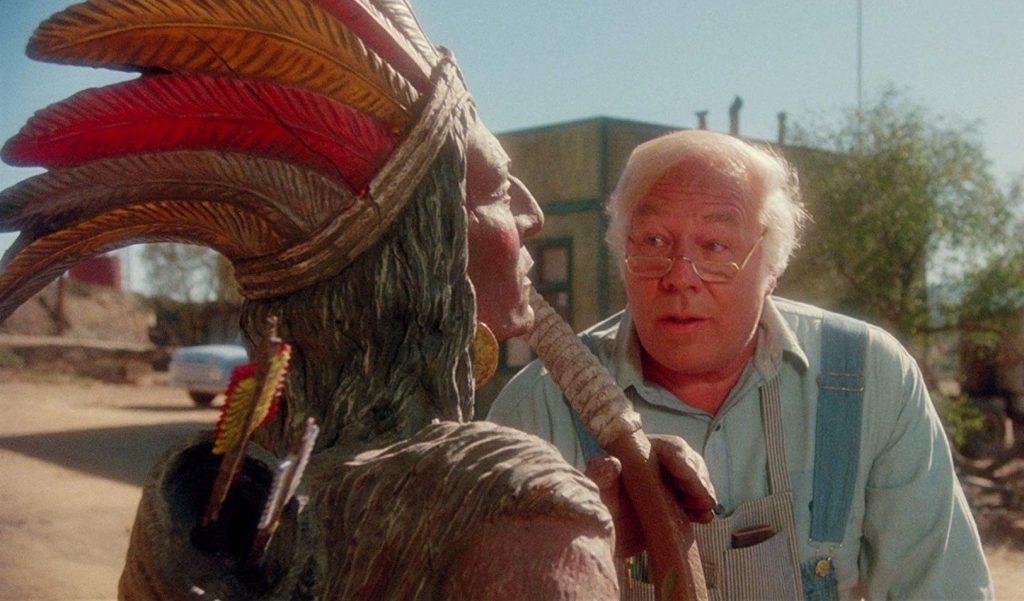
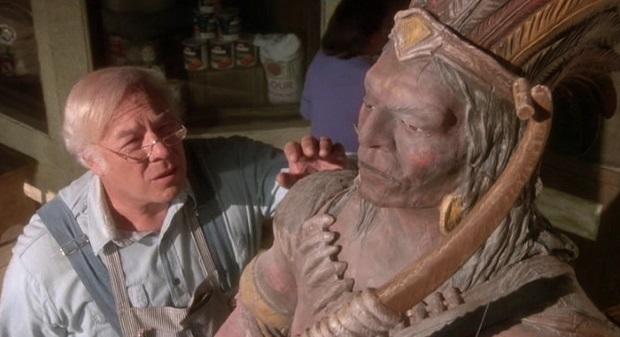
Chief Woodenhead first appeared in Creepshow 2 in 1987, a film that continued George A. Romero and Stephen King’s tradition of anthology horror, blending the macabre with the mischievous. The Chief’s tale, titled “Old Chief Woodenhead”, follows an ageing couple, Ray and Martha Spruce, who run a small shop in a dying desert town. Out front stands the titular wooden warrior — a proud statue of a Native American chief who watches over the store like a sentinel carved from justice itself.
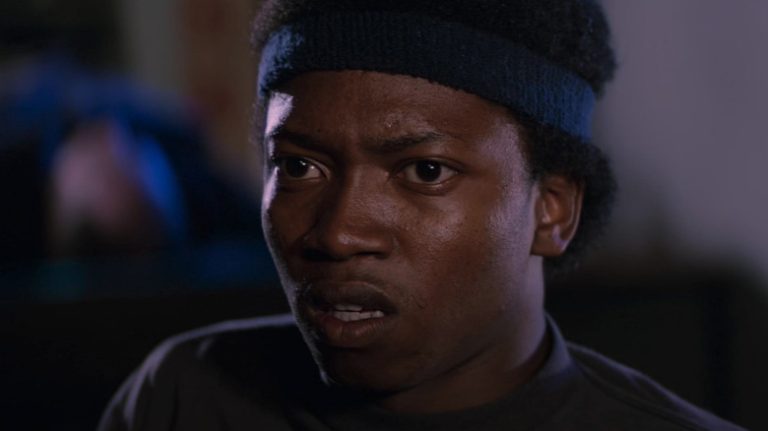
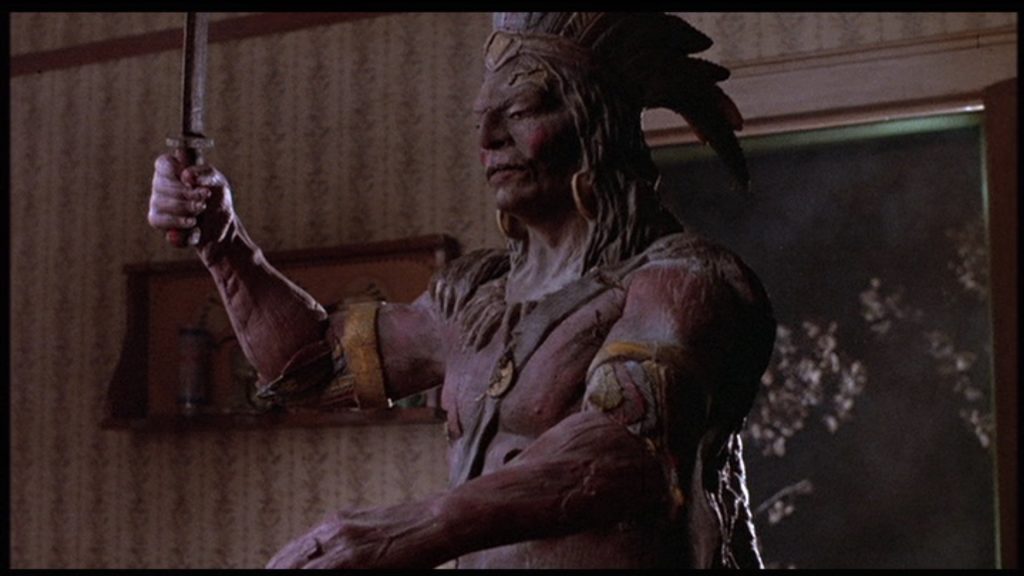
After a group of local delinquents led by the vain and villainous Sam Whitemoon rob and murder the elderly couple, the winds of vengeance begin to stir. That night, the wooden chief comes to life, paint glistening, feathers fluttering, and tomahawk ready. What follows is one of the most delightfully grim sequences in 1980s horror, as Chief Woodenhead stalks and slaughters the guilty in poetic, bloody fashion.
Kills Carved In Oak
Woodenhead’s revenge is simple, swift, and brutal. He dispatches his victims with precision, turning each into a grisly reminder that karma does not forget, especially when carved by a carpenter’s hand.
Sam’s cronies meet their ends in appropriately cinematic ways — one impaled by arrows, another slashed to ribbons — and when the Chief finally faces Sam himself, the outcome is as inevitable as the sunrise. The last thing the proud, preening murderer sees is his own stolen war paint reflected in Woodenhead’s cold, unblinking eyes. The segment closes with the morning sun rising over the shop, the Chief once again still and silent, his duty complete.
It is equal parts terrifying and tragic, a short story that plays out like an American gothic fable.
From Carving To Classic
What makes Chief Woodenhead’s inclusion in the Hall of Killers so fitting is that he represents an era of horror that thrived on invention rather than franchise fatigue. Designed by Greg Nicotero and the effects team at KNB, Woodenhead is a masterclass in practical effects — all sinew, sawdust and subtle movement. He never needs to run or roar to be frightening. He simply advances, slowly and silently, as though guided by cosmic justice and good old-fashioned craftsmanship.
There’s also something oddly noble about him. Unlike many killers in horror, Woodenhead is not evil. He is a guardian exacting revenge for a senseless act, an avenging spirit made of timber and tragedy. He is horror’s answer to the question “What if justice had splinters?”
A Worthy Inductee
This new Hall of Killers class is an eclectic one, but fitting. The tiny space terrors from Critters roll in as the rowdy extraterrestrial cousins of Gremlins, Alligator chomps its way through the sewers of 1980s monster cinema, Angela Baker remains camp horror royalty with her ever-shocking Sleepaway Camp legacy, and The Gingerdead Man… well, he continues to prove that even a baked good can go bad when Gary Busey provides the voice.
But among them, Chief Woodenhead stands out — silent, stoic, and covered in the blood of the unworthy. He is proof that even a wooden statue can command fear and respect, that sometimes the quietest killers are the most righteous of all.
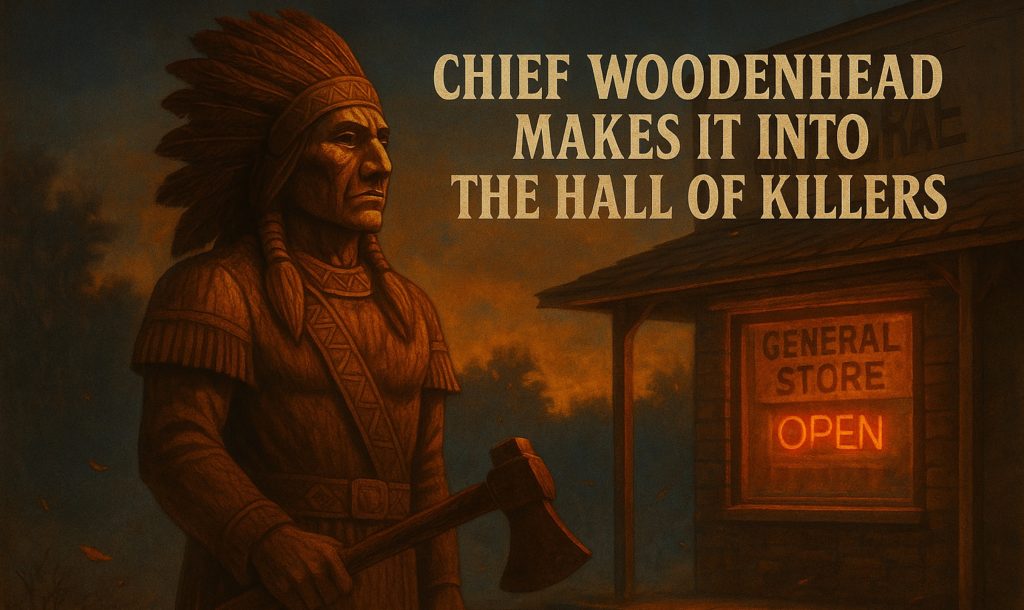
In a decade full of wisecracking slashers and buckets of neon gore, Woodenhead gave us something different — a walking totem of vengeance, justice and old-world honour. His kills might be fewer, but his legacy is carved deep into the genre’s roots.
So, congratulations, Chief Woodenhead. May your tomahawk never dull, your paint never fade, and your legacy continue to stand tall in horror history.