She Listens Alone Review: Therapy, Stalking and the Client from Hell
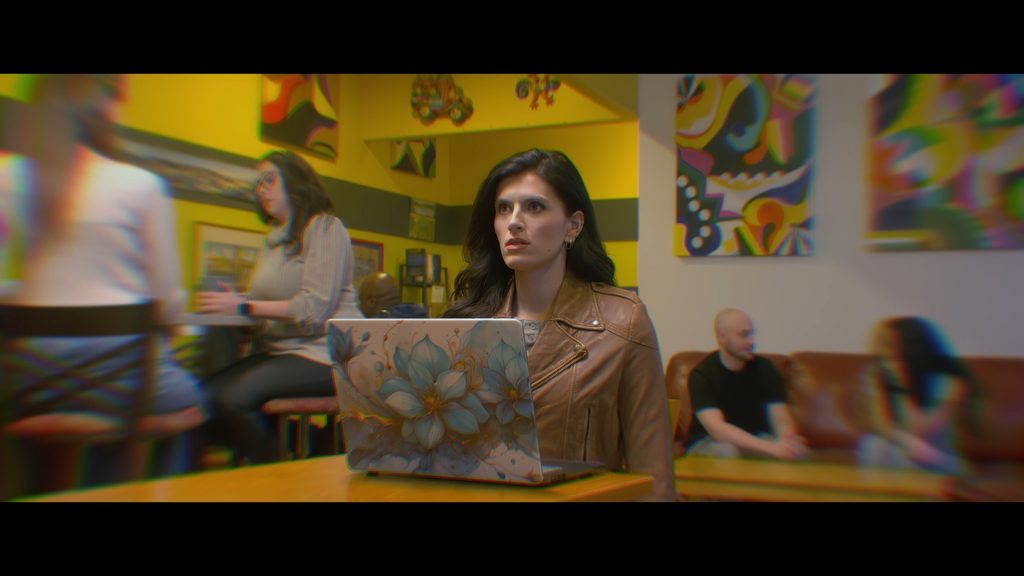
Being a therapist means listening to people’s problems without screaming, “What on Earth possessed you to do that?” Unfortunately for Sabrina Nolan (Alivia Levie), the protagonist of Sean O. McGuiness’ She Listens Alone, one of her clients eventually gives her enough reasons to start screaming for entirely different reasons.
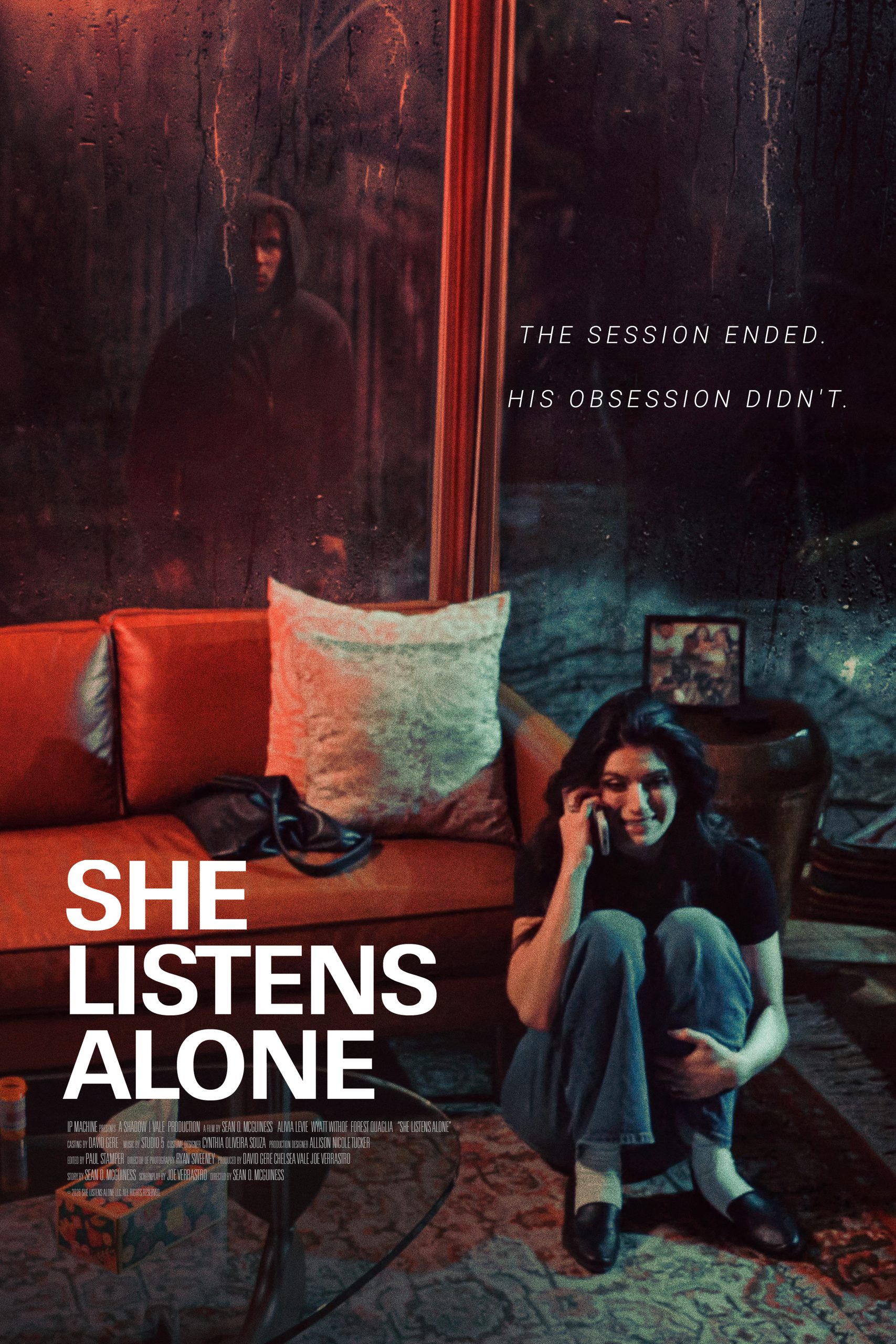
Sabrina works remotely through the Better Well therapy service, speaking to clients from a gorgeous house surrounded by woodland. With its enormous windows and isolated location, we immediately assumed we were heading towards Hush territory. Put a woman alone inside a glass-heavy house in the woods and horror fans instinctively start checking the trees for somebody carrying a crossbow.
McGuiness has something different planned. She Listens Alone ultimately owes more to obsession thrillers such as Fatal Attraction and Sleeping with the Enemy than home invasion horror. Its threat isn’t primarily somebody trying to get inside Sabrina’s house. It’s somebody trying to get inside her life.
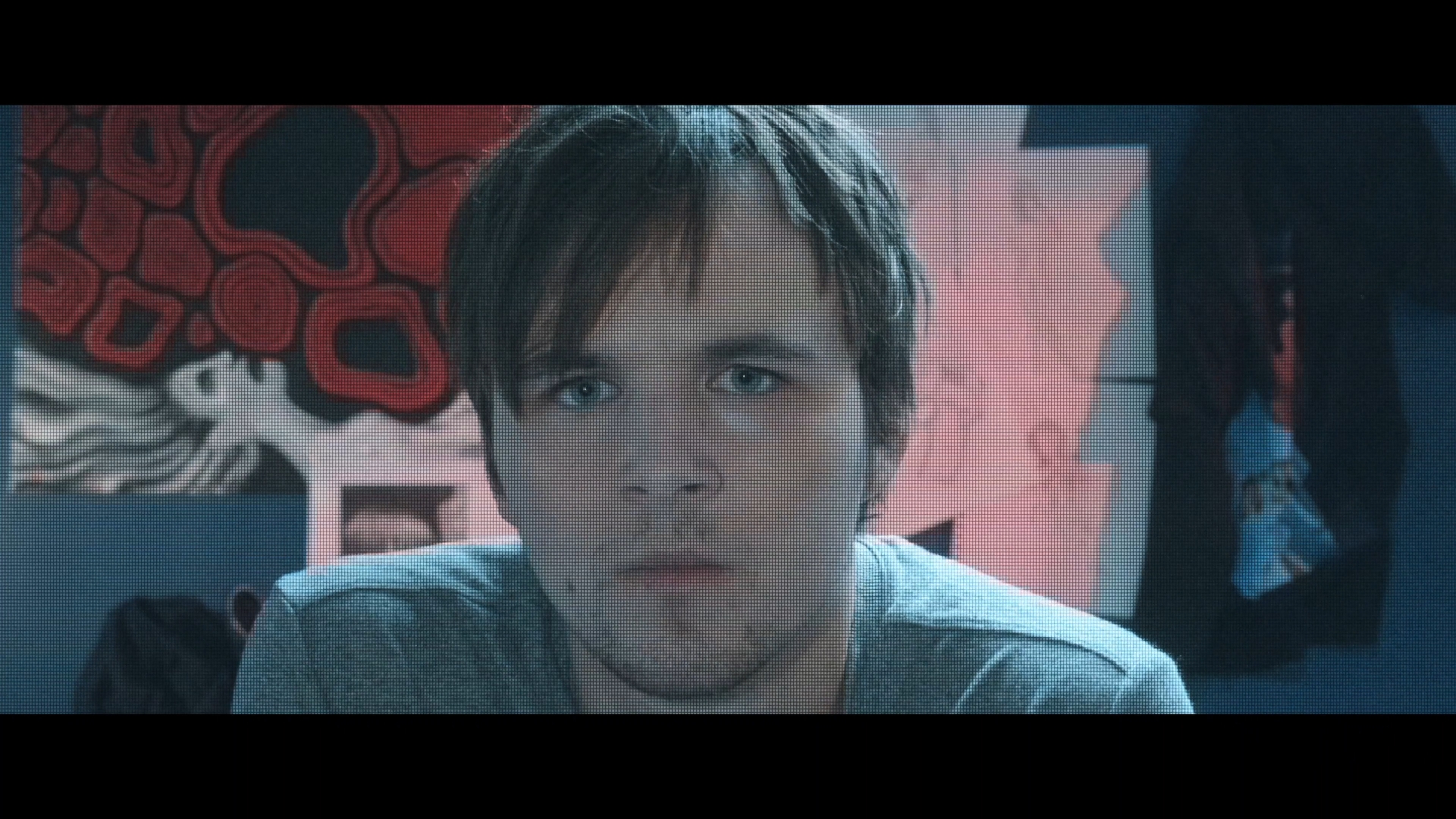
That somebody is Andrew (Wyatt Tithof), a 20-year-old college dropout who begins online therapy after struggling with loneliness and his direction in life. Sabrina manages to connect with him, which should be excellent news considering that’s literally her job. Unfortunately, Andrew interprets having a therapist who understands him as something considerably more personal.
She Listens Alone Has Boundary Issues
Andrew gradually becomes attached to Sabrina, eventually suggesting they meet outside their sessions. Sabrina sensibly explains that this would be inappropriate before somewhat undermining her excellent display of professionalism by giving him her private telephone number for emergencies.
We can’t imagine anything going wrong there.
Sabrina’s personal life isn’t helping her judgement. Her boyfriend Mike (Forest Quaglia) isn’t interested in settling down and seems considerably more interested in his colleague Jessica (Chelsea Vale). When Sabrina catches the pair heading towards a bedroom during Mike’s birthday gathering, their relationship rather understandably explodes.
Andrew happens to be celebrating his 21st birthday that evening and has invited Sabrina to a bar. Emotionally battered and probably not expecting the evening to become evidence at a future restraining-order hearing, she decides to join him.
Things deteriorate quickly. Andrew’s interest becomes possessive, another woman at the bar notices his behaviour, and Sabrina eventually leaves after he crosses a line. By now, a black car Sabrina has repeatedly noticed around town becomes considerably more suspicious.
The aftermath is where She Listens Alone starts becoming interesting. Andrew doesn’t simply vanish after being rejected. Messages and unwanted attention continue, and Sabrina begins realising that the lonely young man she wanted to help may have been manipulating her for considerably longer than she realised.
One particularly effective revelation involves a woman Andrew previously introduced during therapy as his mother. Sabrina later discovers that she isn’t related to him at all. Andrew apparently recruited her at a bar and convinced her to participate in the deception, which is impressive dedication considering most people can’t persuade a stranger to watch their coat while they go to the toilet.
Everyone Thinks Sabrina Is the Problem
Sabrina tracks down Andrew’s real parents hoping they might intervene, but things don’t go remotely according to plan. His mother sees the situation from the opposite direction, focusing on Sabrina giving Andrew her personal number and subsequently meeting him socially.
That’s one of the better aspects of Joseph Verrastro’s screenplay. Andrew is clearly responsible for his own increasingly disturbing behaviour, but Sabrina hasn’t exactly followed the therapist’s handbook either. Her mistakes give other people enough information to question her version of events.
Andrew’s parents eventually make accusations against Sabrina publicly, jeopardising her career. The situation therefore becomes nastier than simply having a stalker appear outside the window every evening like a particularly unwanted Amazon delivery.
Meanwhile, Andrew’s behaviour becomes increasingly aggressive. His confrontation with Mike turns violent, and whatever possibility remained that this could be resolved through a nice calming chat disappears shortly afterwards.
The film works best while Andrew’s intentions remain uncertain. Wyatt Tithof doesn’t initially play him as an obvious psychopath, and that’s essential. If Andrew had arrived at his first appointment wearing human ears around his neck, Sabrina probably wouldn’t have handed over her phone number.
Tithof allows loneliness to become dependency and dependency to become obsession. Alivia Levie is equally effective as Sabrina, keeping her sympathetic even when her decisions have us mentally drafting an email to Better Well’s ethics department.
Perhaps Skip One of the Smoothies
She Listens Alone does have a pacing problem. The film runs for 86 minutes, but its early stages devote considerable time to therapy sessions and Sabrina’s domestic routine. We see her exercising, reading, making smoothies and playing solitaire while waiting for the actual thriller to arrive.
Some of this establishes how solitary Sabrina’s existence has become, but there is more than necessary. After a while, we understood the situation perfectly well and were ready for Andrew to commence being alarming.
It also raises the question of how much online therapy pays because Sabrina’s house is magnificent. If Better Well salaries genuinely cover properties like this, Stalk & Slash will shortly become a mental-health website. Our first course will be called “So You’ve Purchased a Haunted Doll: Ten Signs You Should Put the Bastard Back.”
Technically, the film often looks impressive. Ryan Sweeney’s cinematography gives Sabrina’s surroundings an attractive sheen, and McGuiness gets plenty of production value from his locations. The stylish presentation helps the film feel more substantial than its independent scale might suggest.
She Listens Alone Is More Sleeping with the Enemy Than Hush
What surprised us most was how little She Listens Alone ultimately resembles the film we expected during its opening. Sabrina’s isolated woodland home, nightmares and the suggestion of somebody watching her had us anticipating a Hush-style battle against an intruder.
Instead, the film belongs to the tradition of stalker thrillers where somebody refuses to understand that affection isn’t ownership. Sleeping with the Enemy is the better comparison, although Sabrina’s nightmare begins with professional compassion rather than an abusive relationship.
The premise isn’t groundbreaking, and the leisurely opening prevents the tension from becoming as relentless as it could have been. Andrew’s progression also eventually enters familiar stalker territory, so anyone raised on decades of obsessive-lover thrillers won’t encounter many enormous surprises.
What She Listens Alone does have is a strong central pairing, attractive filmmaking and a clever reason for its stalker to become attached to his target. Sabrina’s entire profession requires her to listen, understand and show empathy. Andrew simply decides those things mean something they don’t.
At three Knives, this is a solid independent thriller rather than an essential one, but it’s certainly worth a look for fans of obsession stories. It also leaves us with some valuable professional advice: if your therapy client starts falling in love with you, don’t give him your personal number.
And definitely don’t go to his birthday party.