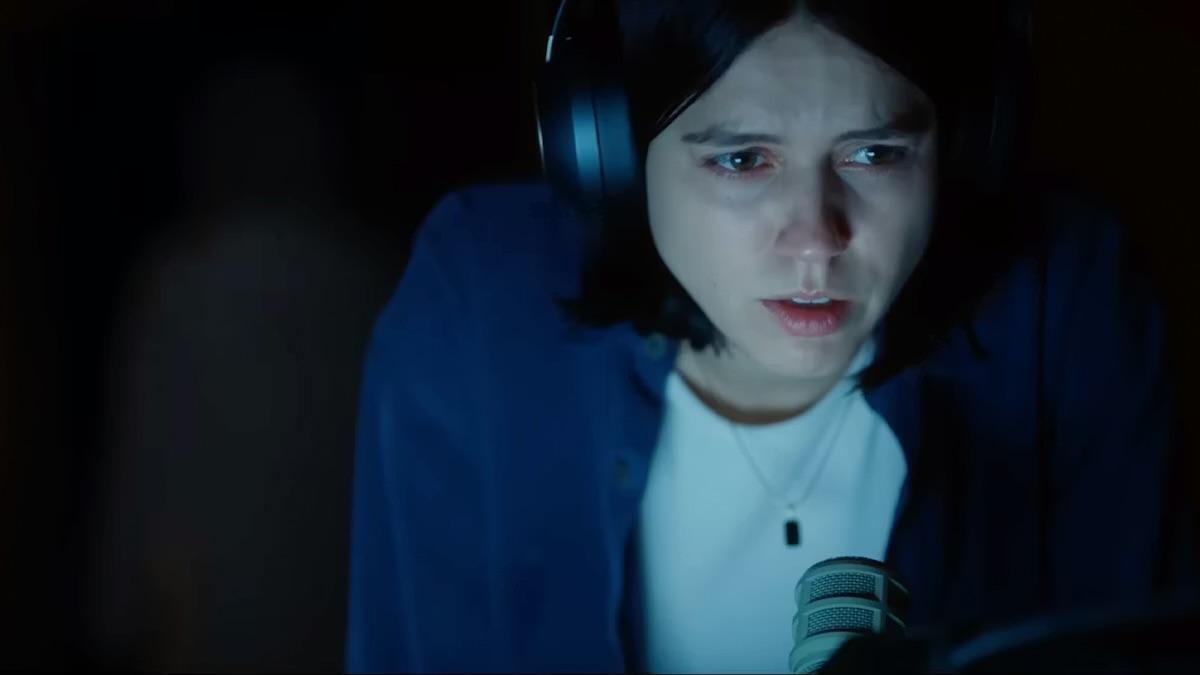
Undertone Review: When Sound Alone Becomes the Scariest Thing in the Room
If you’ve ever sat in silence at night and convinced yourself that the random creaks in your house mean something is watching you, Undertone is about to make that feeling a whole lot worse.
Ian Tuason’s horror film takes a very different approach to scares. Instead of throwing masked killers or gallons of blood at the screen, Undertone leans heavily into sound. Not loud, jump scare sound either. We are talking subtle, creeping, under the skin audio. Drips. Murmurs. Nursery rhymes. Voices that do not quite sound right. It is the kind of horror that makes you lean in closer, only to regret doing so.
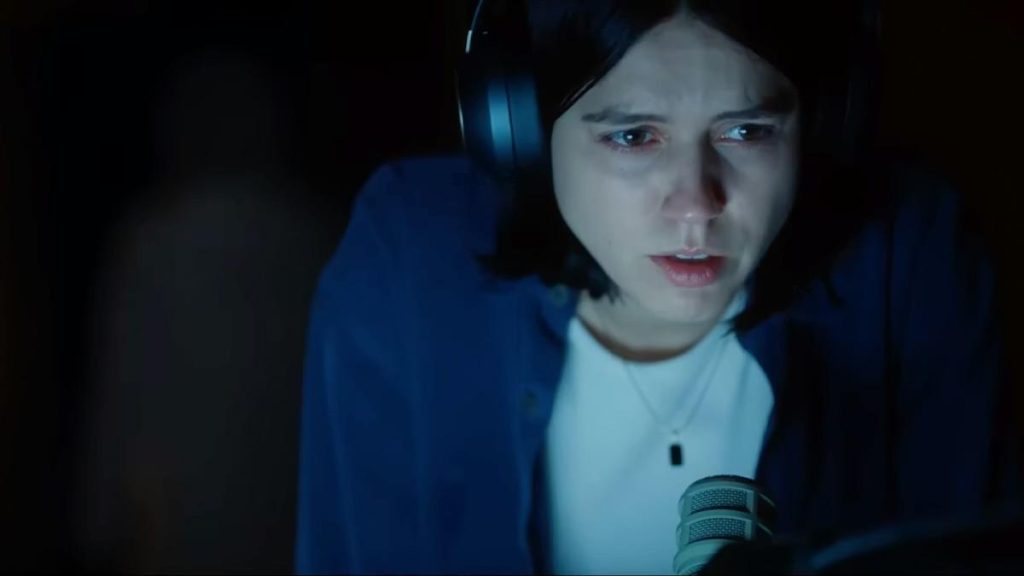
At the centre of the film is Evy, played by Nina Kiri, who is living in her childhood home while caring for her dying mother. It is already an uncomfortable setting. Her mother is bedridden, barely conscious, and the house itself feels heavy with that quiet, waiting dread that comes with it. It is the kind of environment where even normal sounds feel amplified, which is exactly what the film plays on.
Evy also co hosts a podcast with her friend Justin, where they explore true crime and supernatural stories. It is a nice dynamic. She is the sceptic, grounded and rational, while Justin is far more open to believing something strange might be going on. It is a classic pairing, but it works, especially as things begin to escalate.
The central hook arrives when Justin receives a set of ten anonymous audio recordings. They appear to document a young couple, initially sounding fairly normal, aside from the odd bit of sleep talking. Naturally, they decide to go through them one by one for the podcast. This is where Undertone really starts to dig in.
Each recording becomes more unsettling than the last. What begins as harmless background noise slowly transforms into something far more disturbing. Strange whispers. Children’s nursery rhymes that feel completely out of place. Sounds that suggest something is very wrong, even if you cannot quite pinpoint what it is. The film never rushes this process, allowing the tension to build steadily.
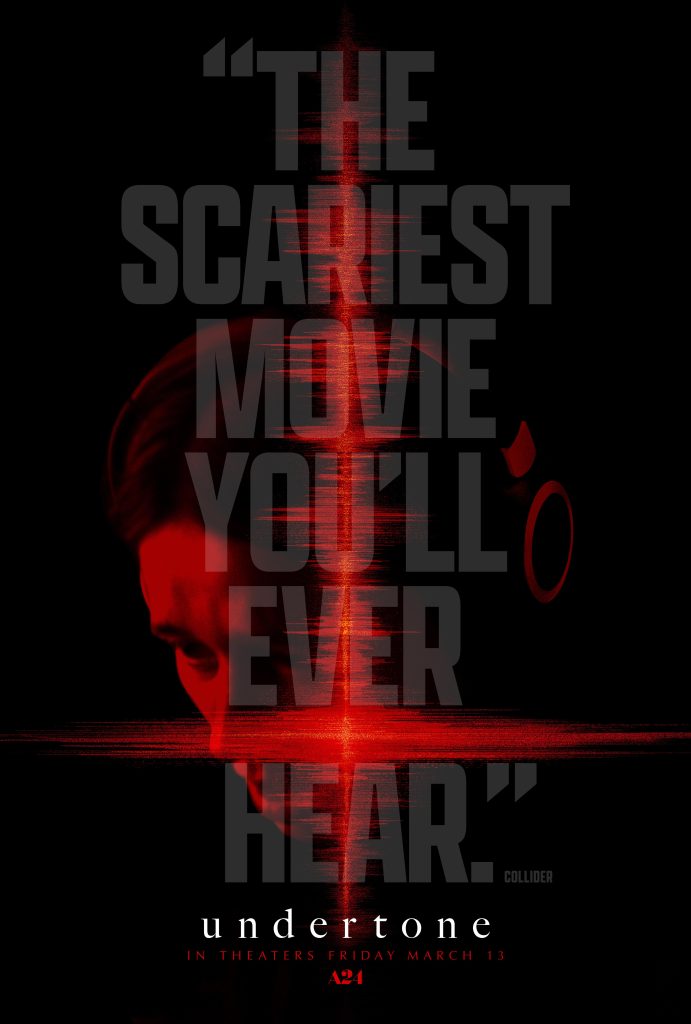
There are clear comparisons to Sinister, particularly in the way the characters analyse recordings and piece together what might have happened. However, Undertone strips things back even further. You are not watching horrific events unfold on screen. You are listening to them. Trying to make sense of fragmented sounds and letting your imagination do the rest. In many ways, that makes it more effective.
The mythology behind the horror centres on Abyzou, a demon rooted in historical folklore, often associated with harming newborn children. It is a chilling concept, and the film uses it sparingly, never over explaining things. Instead, it lets the idea sit in the background, slowly becoming more relevant as the recordings progress.
What really sells the film is its restraint. There are no over the top visuals or forced scares. The horror comes from suggestion. A noise slightly out of place. A voice that sounds wrong. A moment of silence that lingers just a little too long. It all builds into an atmosphere that is genuinely unsettling.
The film is very much a slow burn. For a good portion of the runtime, it is content to sit in that quiet tension, letting Evy and Justin work through the recordings while the audience pieces things together alongside them. It may test the patience of some viewers who are looking for immediate payoff, but those who stick with it will find that the final act delivers.
The last stretch, particularly as the ninth and tenth recordings are explored, is where everything ramps up. This is where the film finally lets loose, and it is worth the wait. The tension that has been building quietly throughout suddenly finds its release, and it is genuinely creepy. The kind of creepy that makes you sit still for a moment after it ends.
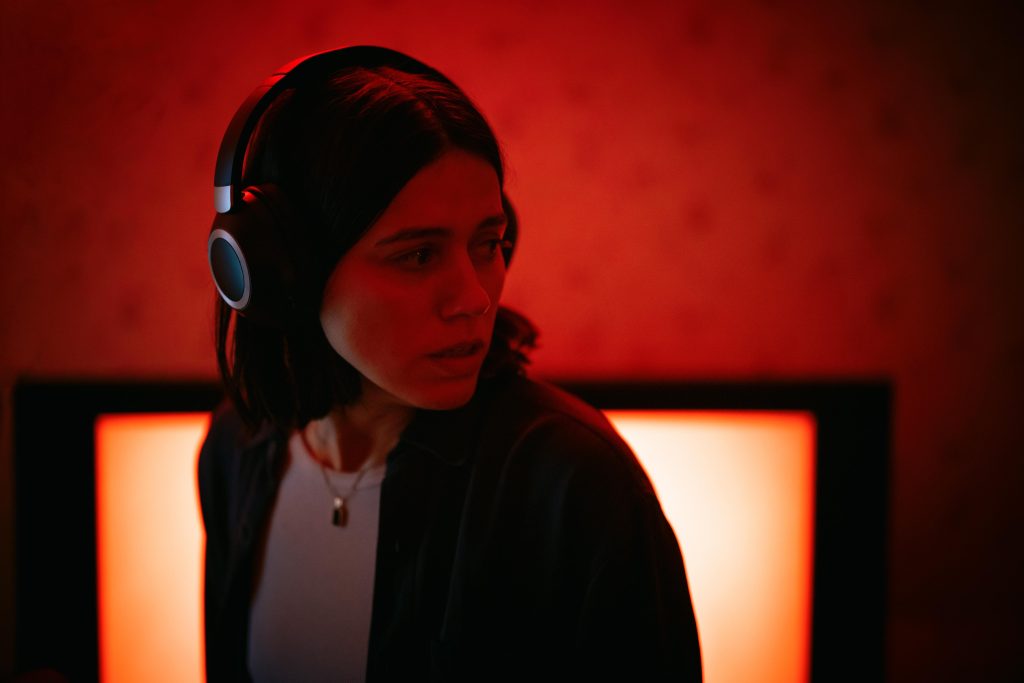
Performance wise, Nina Kiri carries the film well. It is not an easy role, with much of the runtime relying on her reactions to things we cannot see. She brings a grounded presence that helps keep everything believable, even as things become more surreal. Adam DiMarco’s voice work as Justin is also effective, helping maintain that back and forth dynamic that drives the story.
Undertone is not for everyone. If you are after fast paced horror with constant shocks, this will likely not hit the mark. But if you appreciate atmosphere, tension, and a film that trusts its audience to listen as much as watch, there is a lot to like here.
In a genre that often relies on excess, Undertone proves that sometimes the quietest sounds are the ones that linger the longest.