The Hills Have Eyes Remake Turns 20: The Horror Film That Ruined Desert Road Trips Forever
On 10 March 2006, the UK was gifted a horror remake that politely kicked audiences in the teeth and then left them crawling through the desert begging for mercy. Alexandre Aja’s The Hills Have Eyes, a remake of Wes Craven’s 1977 cult classic, arrived in cinemas and quickly reminded everyone that the mid-2000s horror remake boom could occasionally produce something genuinely nasty.
Twenty years later, the film remains one of the most memorable remakes of that era. Not because it reinvented horror cinema or delivered deep philosophical insights about the human condition. No. It’s memorable because it showed a family being terrorised by nuclear-mutated cannibals in the desert and somehow made it both terrifying and weirdly entertaining.
And honestly, that’s enough.
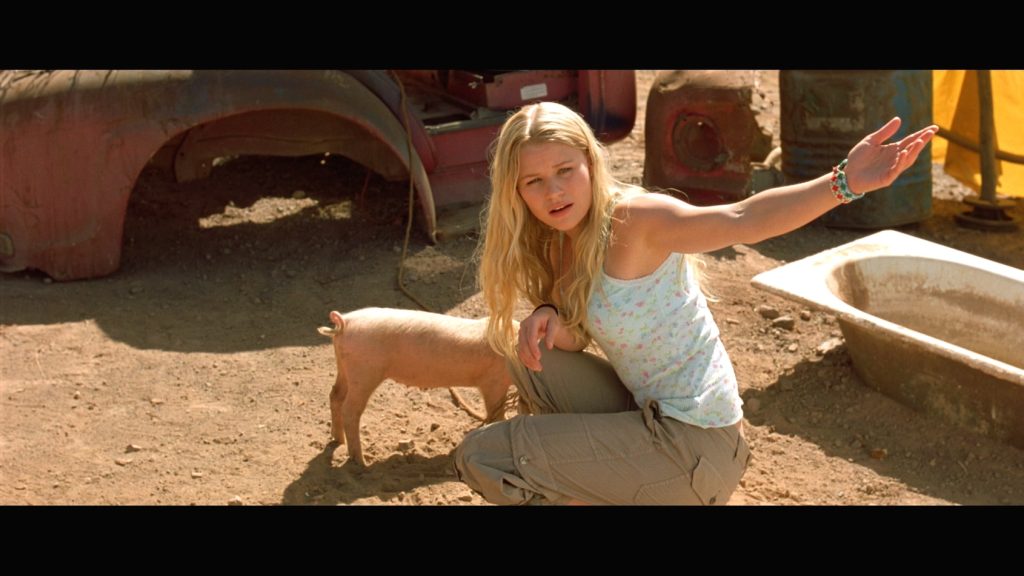
The story begins with the Carter family, who are travelling across the American desert to celebrate the parents’ silver wedding anniversary. Retired police detective Big Bob Carter, played by Ted Levine, is making the journey with his wife Ethel, their children Lynn, Brenda and Bobby, Lynn’s husband Doug, their baby daughter Catherine, and two German Shepherds named Beauty and Beast.
Yes, the dogs are named Beauty and Beast. This becomes unintentionally ironic when you realise that the desert surrounding them contains neither beauty nor beasts, only extremely unpleasant mutant cannibals.
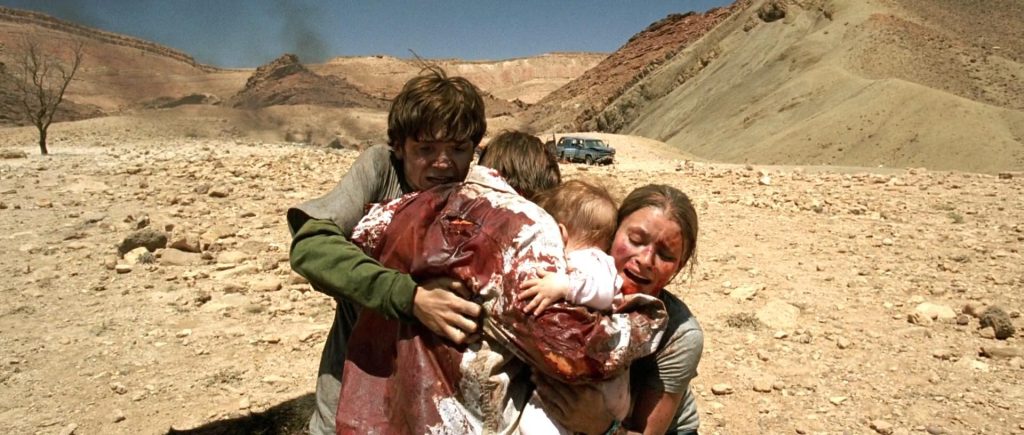
Their trip goes horribly wrong after their vehicle crashes in the New Mexico desert, leaving them stranded in an area that is home to a group of mutated survivors of nuclear testing. These mutants, led by the gloriously terrifying Papa Jupiter, see the Carters not as fellow humans but as something closer to a walking takeaway.
The result is a brutal survival story where the family must fight back against an enemy that knows the terrain far better than they do.

The film stars Aaron Stanford as Doug Bukowski, the mild-mannered son-in-law who gradually transforms into a desert-roaming revenge machine once his daughter is kidnapped. Kathleen Quinlan plays Ethel Carter, while Vinessa Shaw and Emilie de Ravin play Lynn and Brenda respectively. Dan Byrd rounds out the family as Bobby.
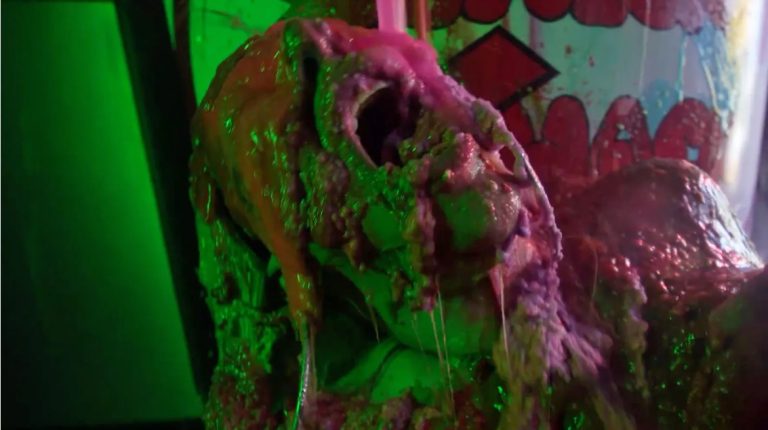
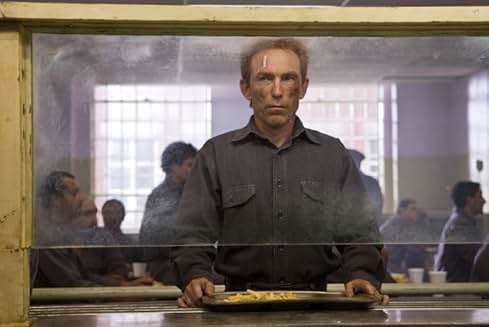
The mutants are played by a lineup of character actors buried beneath extraordinary prosthetic work, including Robert Joy as Lizard, Michael Bailey Smith as Pluto, Ezra Buzzington as Goggle, and the late Billy Drago as Papa Jupiter, who somehow manages to be both charismatic and absolutely horrifying.
Behind the camera was French director Alexandre Aja, who had already made waves with the extremely violent thriller High Tension in 2003. That film impressed Wes Craven, who was considering revisiting his original 1977 film after the success of other horror remakes like The Texas Chainsaw Massacre (2003) and The Amityville Horror (2005).
Craven reportedly believed Aja had a strong understanding of what makes horror disturbing. Watching the finished film, it becomes clear that Aja understood the assignment far too well.

Aja and his collaborator Grégory Levasseur wrote the screenplay together, marking their first English-language project. Rather than simply copying Craven’s original, they expanded the story’s mythology by introducing the idea that the mutants were the result of decades of nuclear testing conducted by the US government.
This gave the film a slightly different flavour from the original, turning the antagonists into grotesque victims of radiation while still ensuring they remained extremely enthusiastic about eating people.
Despite the story being set in New Mexico, the film was actually shot in Morocco, specifically in the desert landscapes around Ouarzazate, often referred to as the gateway to the Sahara. The location provided the vast, hostile environment Aja wanted, though it also meant the cast and crew were filming in temperatures that frequently exceeded 120 degrees Fahrenheit.
Which is roughly the temperature most viewers reached internally during the film’s more uncomfortable scenes.
The production involved an international crew representing more than sixteen different nationalities, all working together in the Moroccan desert to create a film about American tourists being eaten by mutants.
Cinema is truly a global art form.
The mutant designs were developed by K.N.B. EFX Group, a legendary effects team that spent more than six months creating prosthetics and makeup designs. They used digital sculpting tools to develop the creatures before translating those designs into physical makeup appliances.
Actors playing the mutants endured hours of daily makeup application. Robert Joy, who played Lizard, once explained that it took over three hours each day to transform him into something that looked like it had crawled out of a nuclear nightmare.
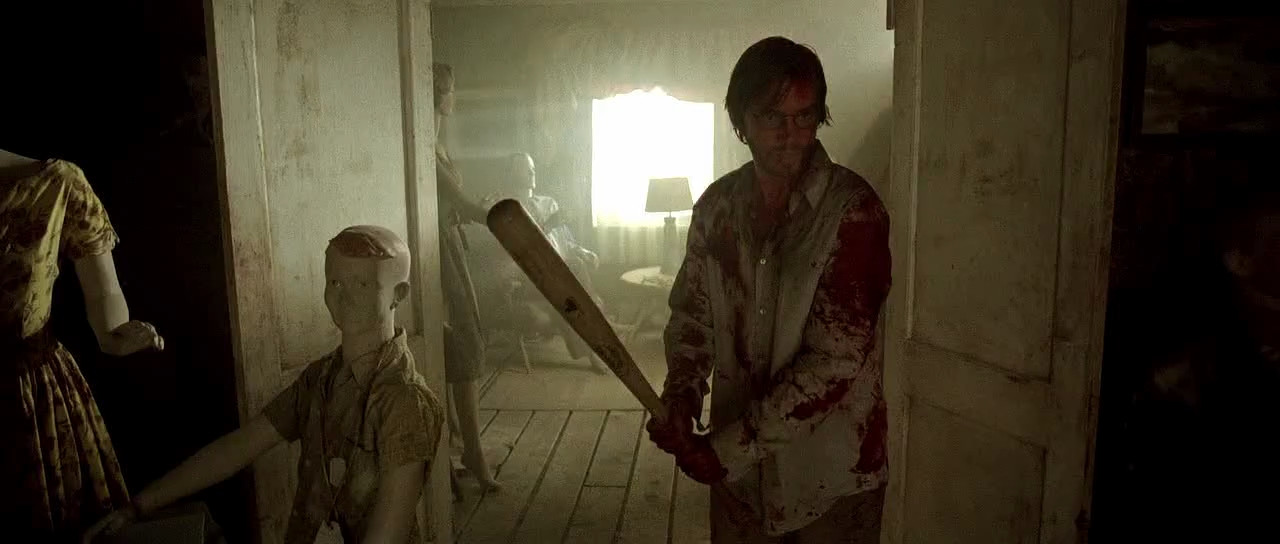
Some of the younger mutant characters had their deformities enhanced digitally, while others relied entirely on practical makeup. Even makeup legend Greg Nicotero made a cameo appearance as one of the mutants, Cyst.
Interestingly, one concept that was considered but ultimately scrapped involved Papa Jupiter having a parasitic twin attached to his torso, which would have made an already disturbing character somehow even more unsettling.
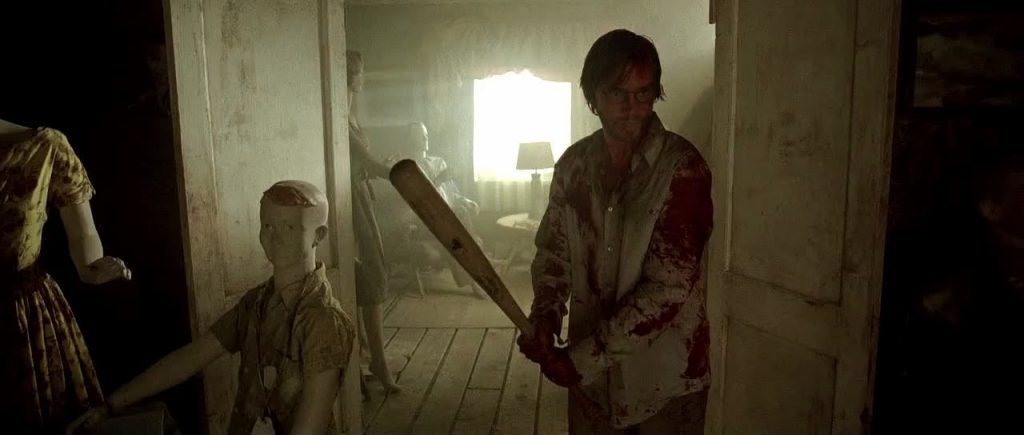
The film’s production also included extensive visual effects work. More than 130 digital effects shots were created, including the abandoned nuclear testing town Doug discovers during the film’s final act. In reality, the set consisted of a single street which was digitally expanded to create the eerie ghost town environment.
The film’s opening credits feature disturbing images of deformed children. These images are not fictional but photographs of birth defects caused by Agent Orange exposure during the Vietnam War, grounding the film’s themes of mutation and radiation in real-world history.
Not exactly cheerful viewing for the popcorn crowd.
Despite its extreme violence, The Hills Have Eyes was a box office success, earning over $15 million in its opening weekend in the United States and eventually grossing around $70 million worldwide. That figure comfortably exceeded its budget and proved that audiences in the mid-2000s were more than willing to watch extremely unpleasant things happen in the desert.
The film almost received an NC-17 rating from the MPAA due to its graphic violence. Around two minutes of footage had to be removed in order to secure the R rating required for a wide theatrical release. Naturally, the missing footage later appeared in the unrated home video version.
Because horror fans are nothing if not dedicated.
Critical reception was mixed, with the film landing around the middle of the pack with critics. Some praised Aja’s relentless direction and brutal tension, while others felt the film relied too heavily on violence rather than character development.
Roger Ebert, for example, suggested the film might have benefited from exploring the mutant characters in more depth. Many horror fans responded to this by saying, “Yes, but also… chainsaws.”
The Hills Have Eyes – A Remake Done Right
The success of the remake led to a sequel in 2007, The Hills Have Eyes 2. While that film expanded the mythology surrounding the mutants and the nuclear testing site, it never quite matched the intensity of Aja’s film.
Two decades later, however, the 2006 remake still holds up as one of the strongest horror remakes of its era. It respected the original while updating the brutality and pacing for a modern audience.
It also left viewers with a lasting piece of travel advice.
If your car breaks down in the middle of the desert, surrounded by abandoned nuclear test sites and suspicious hills…
You may want to reconsider the road trip.