Full Red Band Trailer Released for Faces of Death
The full red band trailer for Faces of Death has officially been released, giving audiences a much clearer look at the upcoming meta horror remake of one of the most controversial and infamous titles in exploitation cinema history. Independent Film Company and Shudder will release the film in theaters on April 10, with the rollout set to mark IFC’s widest theatrical release to date.
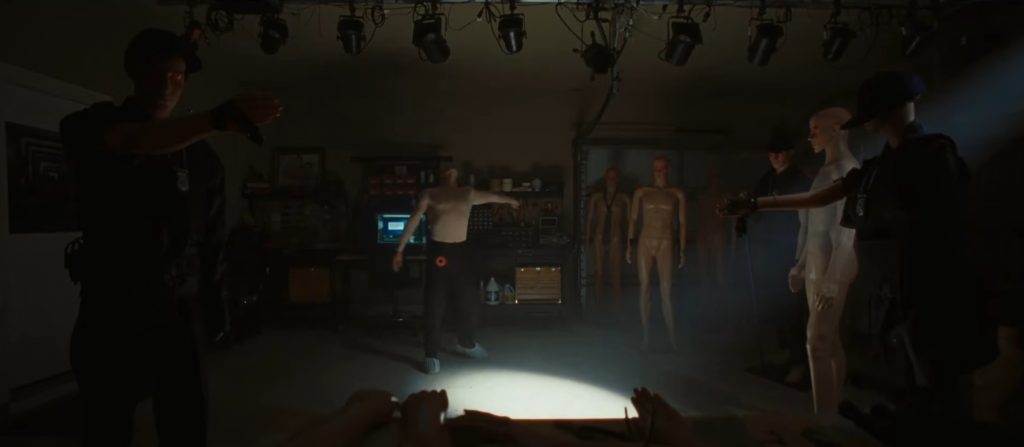
Rather than simply recreating the original shockumentary format, the new film takes a modern, self-aware approach to the material. The story follows a woman working as a content moderator for a major video platform who begins encountering clips that appear to be re-enactments of deaths linked to the legacy of Faces of Death. As she investigates further, the line between staged content and real violence becomes increasingly blurred, tapping directly into contemporary anxieties surrounding online media, authenticity, and the psychological toll of moderating disturbing footage in the digital age.
The cast reflects a blend of television, film, and pop culture talent, with Barbie Ferreira leading the ensemble. She is joined by Dacre Montgomery, Josie Totah, Aaron Holliday, Jermaine Fowler, and musician Charli XCX, whose involvement signals a film aiming to resonate with a younger, internet-aware audience while still drawing from the legacy of its controversial predecessor.
Daniel Goldhaber directs the remake from a screenplay he co-wrote with Isa Mazzei, with the duo previously collaborating on Cam, a film that similarly explored identity and digital realities through a horror lens. That creative pairing is especially fitting here, as the remake appears to lean heavily into psychological dread and media manipulation rather than replicating the faux documentary structure of the original film beat for beat.
Behind the scenes, the project is produced by Legendary Entertainment alongside Don Murphy and Susan Montford of Angry Films Entertainment and Adam Hendricks and Greg Gilreath of Divide/Conquer. Isa Mazzei, Derek Bishé, and Rick Benattar serve as executive producers. The film was shot in 2023 and has received an R rating for strong bloody violence and gore, sexual content, nudity, language, and drug use, suggesting the remake is not shying away from the provocative tone associated with the brand name.
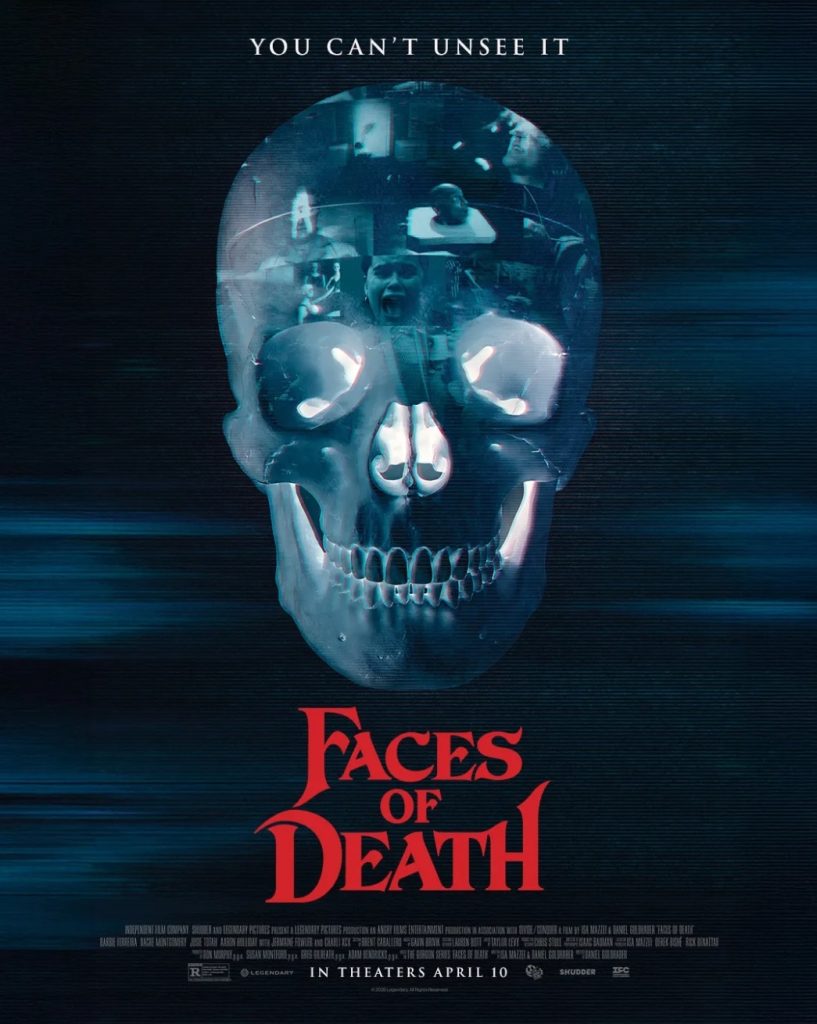
Crucially, the marketing leans into the same provocative question that surrounded the original film: is what you are seeing real or staged? The trailer plays directly with this ambiguity, presenting violent imagery and online footage in a way that mirrors the uncertainty that made the original so notorious decades ago. However, instead of grindhouse-era shock tactics, the remake reframes that concept through the lens of modern internet culture and digital voyeurism.
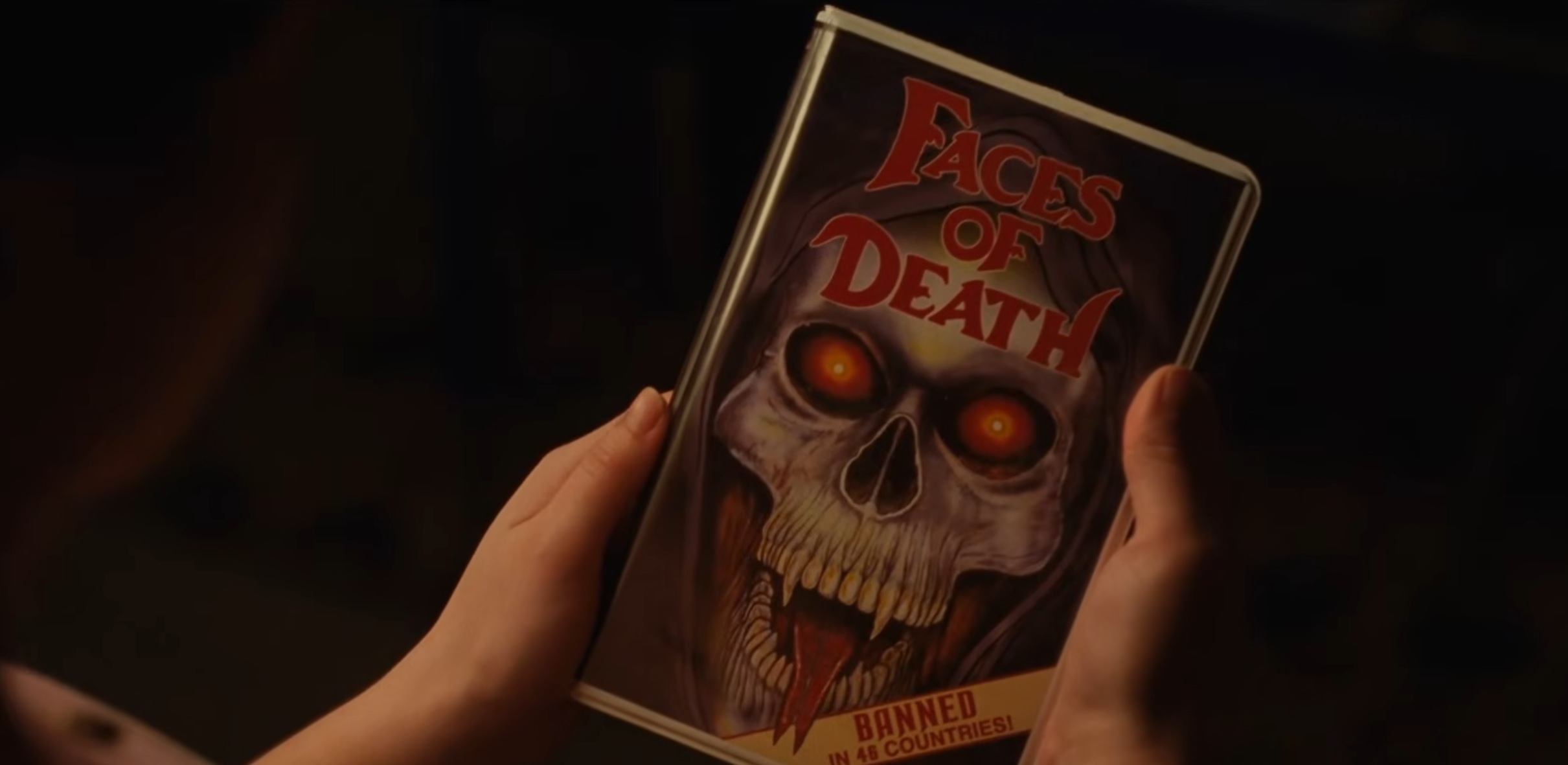
The 1978 Faces of Death, directed by John Alan Schwartz under the pseudonym Conan Le Cilaire, was a faux documentary that presented staged sequences of death alongside real archival footage, blurring fact and fiction in a way that deeply unsettled audiences. Despite being repeatedly marketed as authentic at the time, large portions of the film were scripted and performed using actors and special effects. The illusion of authenticity, however, was so convincing that it sparked widespread controversy and moral panic.
In the United Kingdom and several other territories, the original film gained additional infamy as part of the “video nasty” era, a period in the 1980s when graphic horror and exploitation titles were targeted by censorship campaigns and banned or heavily restricted on home video. Faces of Death became one of the most talked-about titles associated with that movement, largely due to its disturbing subject matter and the persistent myth that it contained genuine death footage presented as entertainment. Its notoriety was amplified through word of mouth, bootleg tapes, and sensational media coverage, cementing its reputation as a taboo viewing experience for an entire generation of horror fans.
Faces of Death and Its Lasting Video Nasty Legacy
The remake’s meta narrative appears to directly acknowledge that cultural legacy rather than ignore it. By focusing on a content moderator exposed to disturbing material online, the new film essentially updates the original’s central provocation for the digital era. Where the 1978 film asked audiences to question the authenticity of what they were watching on VHS, the 2026 version shifts that paranoia to algorithm-driven platforms and viral content, where truth and fabrication are often indistinguishable.
This thematic shift makes the project more than a simple remake. It functions as both a reinterpretation and a commentary on how shock media has evolved, from grainy exploitation tapes passed around in secrecy to endlessly shareable online clips consumed in real time. The trailer strongly suggests that the film will explore the psychological consequences of exposure to violent imagery, while still retaining the unsettling ambiguity that defined the original’s reputation.
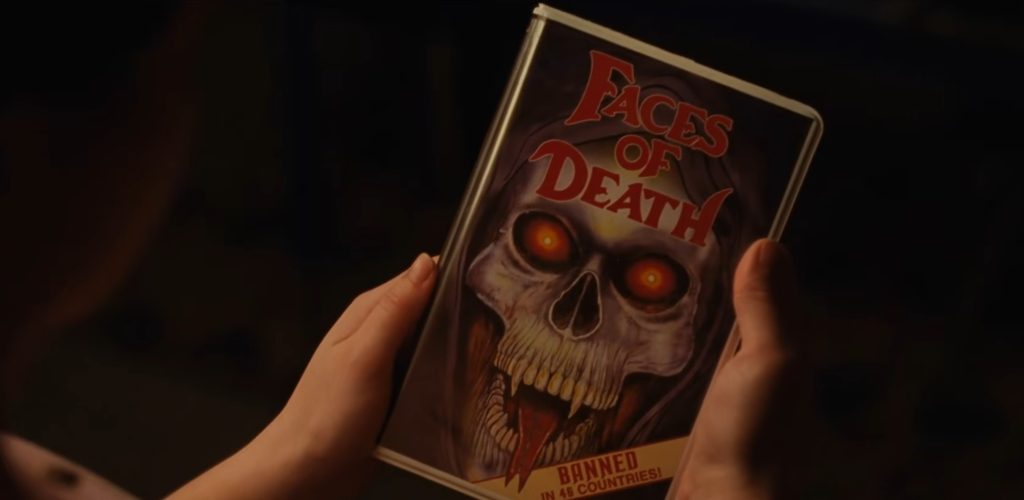
With its historical roots in one of horror’s most controversial “video nasty” titles and a modern framework centred on digital media and perception, the new Faces of Death aims to reintroduce the brand to a contemporary audience without erasing the notoriety that made the original infamous. The release of the full red band trailer signals that the film is embracing both its provocative legacy and its updated psychological angle, positioning it as a modern meta horror entry that reflects how audiences now encounter disturbing imagery in an online world where authenticity is constantly in question.