The Pale Man Shuffles Into Second Class Status in the Hall of Killers
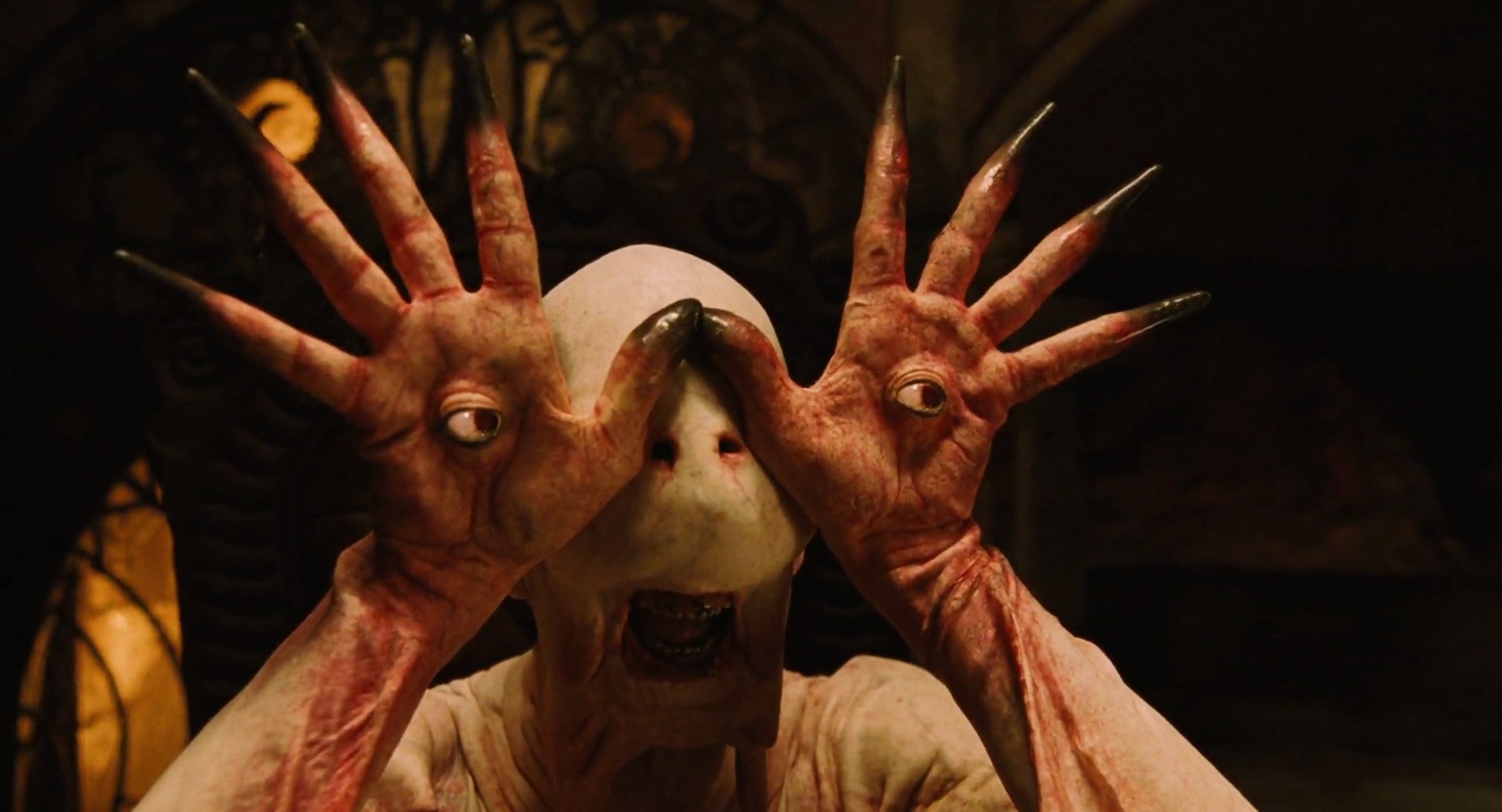
Every now and then, a creature comes along in horror cinema that is so effectively horrifying, so creatively designed, and so deeply committed to ruining childhoods that it becomes instantly iconic. Guillermo del Toro’s Pale Man from Pan’s Labyrinth is one such nightmare, a skeletal ghoul whose strict dietary preferences include fairies, disobedient children, and apparently anything that wanders within arm’s reach of his table. Now, after years of lingering in the collective nightmares of horror fans, the Pale Man has officially crept into the second class tier of the Hall of Killers.
Second class may sound a little modest for a creature who made grown adults rethink the structural integrity of their closets, but remember what the Hall of Killers represents. There are levels. Legendary is for untouchable titans like Jason Voorhees and Freddy Krueger. Premier is for aristocratic icons like the Bride of Frankenstein and Damien Thorn. First class is a parade of overachievers including Clarence Boddicker and Tiffany from Bride of Chucky. Second class is not a place of mediocrity. It is a celebration of villains who may not dominate entire franchises, but who deliver a concentrated shot of terror so potent that people still talk about them years later. The Pale Man fits this description beautifully. He may only have a few minutes of screen time, but those minutes changed lives, usually for the worse.
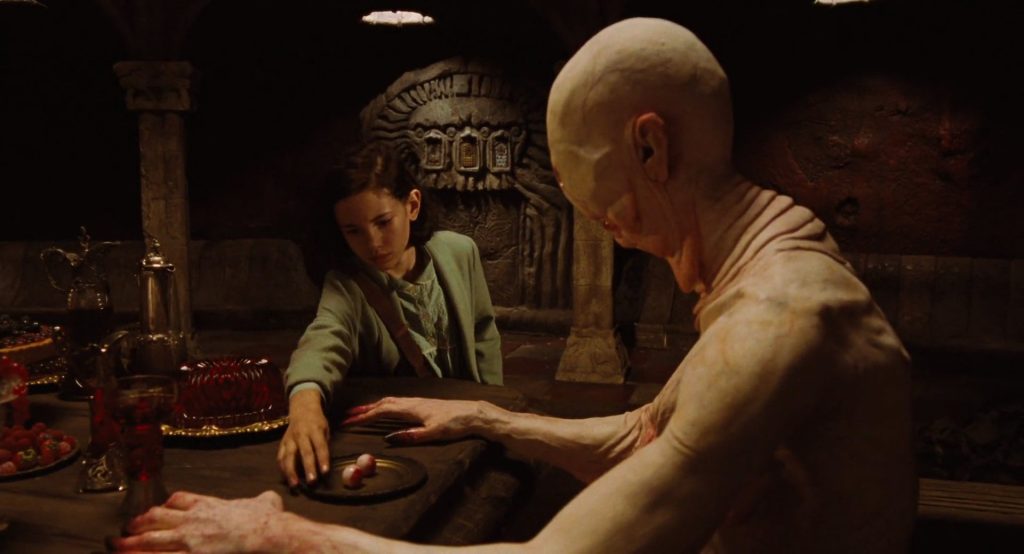
The Pale Man’s journey into the Hall of Killers is unusual because he is not a traditional villain. He is not a slasher. He is not a demon with a manifesto. He is not even the primary antagonist of his own film. He is simply a horrific entity living his best life in a forgotten corner of a labyrinth, patiently waiting for someone curious enough or foolish enough to steal a grape. And when someone does, he commits himself to the chase with the enthusiasm of a man who has been bored for centuries.
Doug Jones deserves enormous credit for making the Pale Man as memorably grotesque as he is. Jones, long time collaborator with Guillermo del Toro, has a gift for turning his body into living sculpture. He did it in Hellboy, he did it as the Faun in the same film, he did it in The Shape of Water, and he absolutely outdid himself as the Pale Man. Watching Jones stumble forward, arms hanging low like a predatory marionette, before lifting those saggy hands to his face to use eyeballs as improv goggles is one of the most surreal moments in modern cinema. Only del Toro could invent something so fairy tale inspired and yet utterly traumatic.
Part of what makes the Pale Man so effective is del Toro’s world building, which always blends beauty and horror in equal measure. Pan’s Labyrinth is a dark fantasy about fascism, childhood, and imagination, but del Toro makes every creature feel like it crawled straight out of an illustrated storybook that a librarian locked away because it was too upsetting for the general public. The Pale Man’s lair, lined with murals depicting him eating children, looks like something an art professor would gently guide you away from during a critique. Add in the piles of shoes from his previous meals, which del Toro intentionally designed as a visual echo of historical atrocities, and the scene has moral weight beyond jump scares. The Pale Man is horrifying not just because he eats children, but because del Toro wanted him to represent the devouring nature of authoritarian cruelty. Even the monster’s sagging, fragile skin implies centuries of hunger and neglect.

Despite being a metaphor wrapped in another metaphor, the Pale Man has become a pop culture phenomenon far beyond any academic reading. He has been memed endlessly. His image appears in galleries, on murals, on T shirts, and in fan art that ranges from impressive to deeply concerning. Halloween stores regularly attempt to recreate him, though they tend to look more like melted mannequins than cinema history. Still, imitation is a form of flattery, even if the copies could use more iron and less plastic.
The Pale Man’s induction also highlights the Hall of Killers’ appreciation for one scene wonders. Some villains need multiple sequels, countless retcons, and a contractual obligation to return every other Halloween to maintain their status. The Pale Man achieved immortality by wobbling down a hallway once and snacking on a couple of fairies. Efficiency like that deserves recognition.
So why second class instead of the higher tiers? Simply put, the Pale Man is unforgettable, but his resume is short. He does not headline a franchise. He does not deliver monologues. He does not have a day job hunting victims. He appears, horrifies, traumatizes, and exits. It is the acting equivalent of dropping a microphone and strolling away forever. Second class is the perfect tier for his type, a place reserved for unforgettable but infrequent terrors. It is also full of wonderfully strange company, including creatures, killers, and oddities who may never have been franchise mascots but left deep marks in horror history.
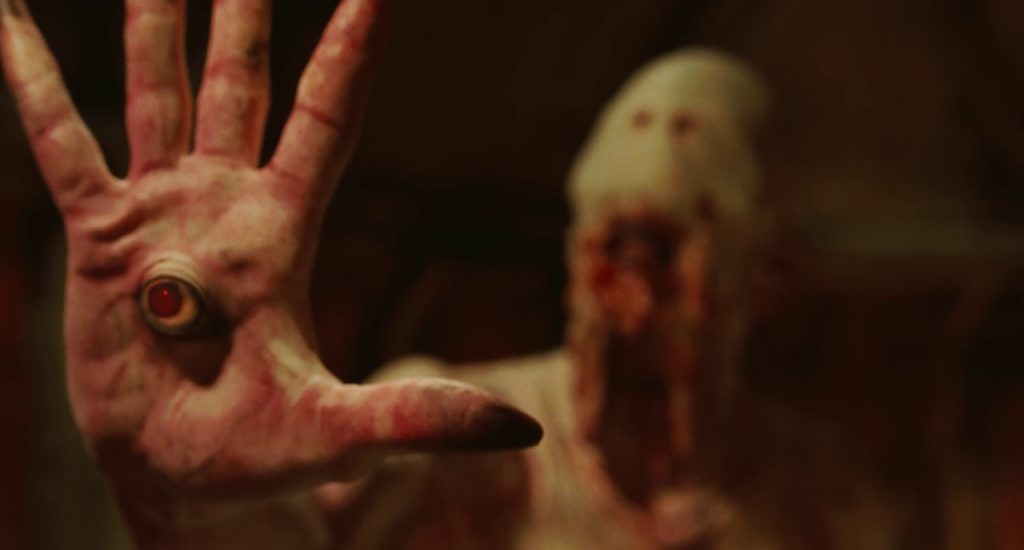
Now, as he takes his rightful place among them, one thing is certain. The Pale Man may be quiet, but his impact is loud. And let us be honest, it is better to celebrate him than to imagine what he might do if he ever climbed out of the labyrinth looking for new snacks.