It Follows at Ten – The Sex Curse That Kept On Walking (Very Slowly)
Has it really been ten years since It Follows shuffled its way into cinemas and directly into our collective nightmares? It seems impossible that a decade has passed since David Robert Mitchell unleashed one of the strangest, most hypnotic and anxiety-inducing horror films of the 2010s. It was the little indie movie that could, a stylish slice of slow-burn terror about a sexually transmitted haunting, and it remains one of the most discussed, dissected and memed horror films of the last ten years.
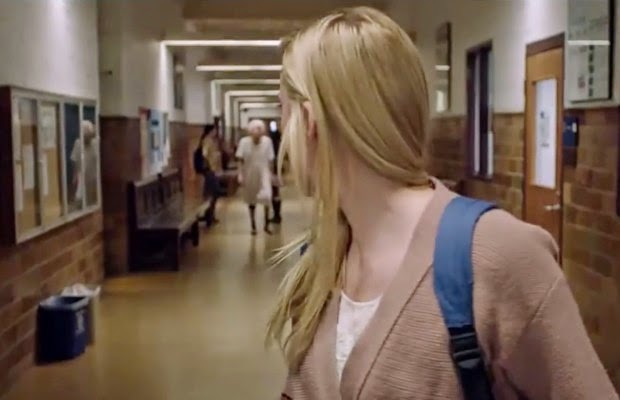
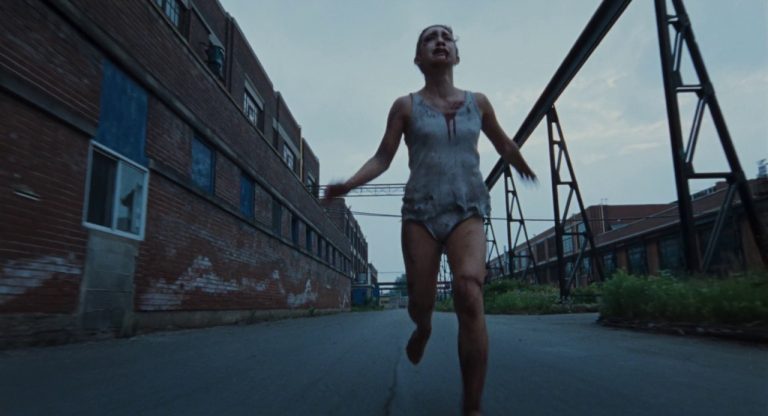
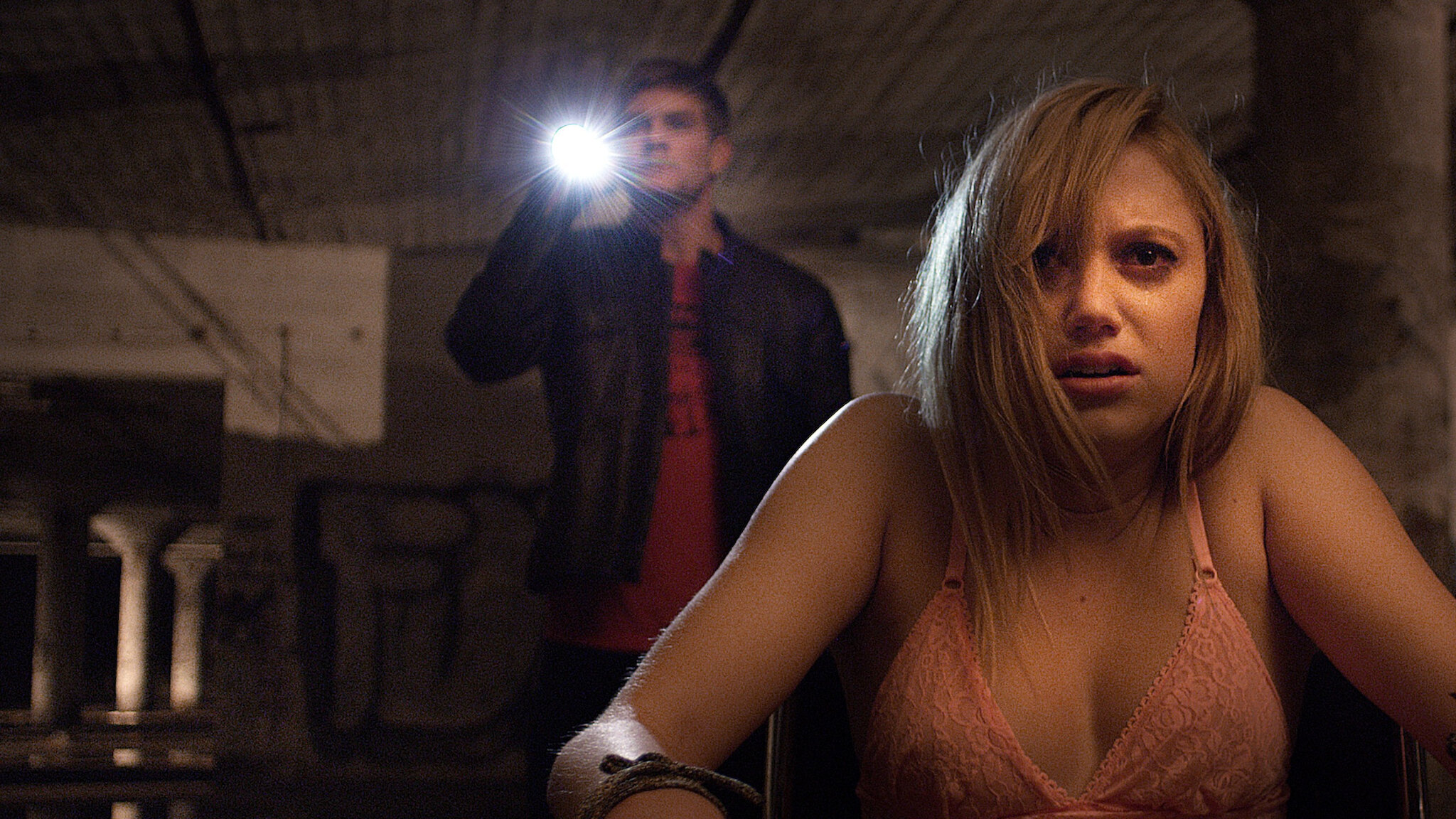
The plot is so simple it feels like something you might have invented in a fever dream after a questionable Tinder date. Maika Monroe plays Jay, a young woman who enjoys a seemingly innocent night with her new boyfriend in a car, only for him to chloroform her and deliver some truly unwanted post-coital news: she has inherited a supernatural curse. From now on, something will follow her wherever she goes. It will take the form of any human being, sometimes a stranger, sometimes someone she knows, but it will never stop coming. It walks slowly, which on paper sounds manageable, but in practice is absolutely horrifying. To get rid of it, she has to sleep with someone else and pass it on, a process that feels like demonic chain mail for the sexually active.
It was a concept so outrageous it could have collapsed into parody, but Mitchell treated it with a dreamlike seriousness that gave the film its power. The director had been haunted since childhood by a recurring nightmare about a figure that walked endlessly toward him. Years later, he combined that image with the adult anxieties of sex and consequence to create one of the most original horror premises of the century.
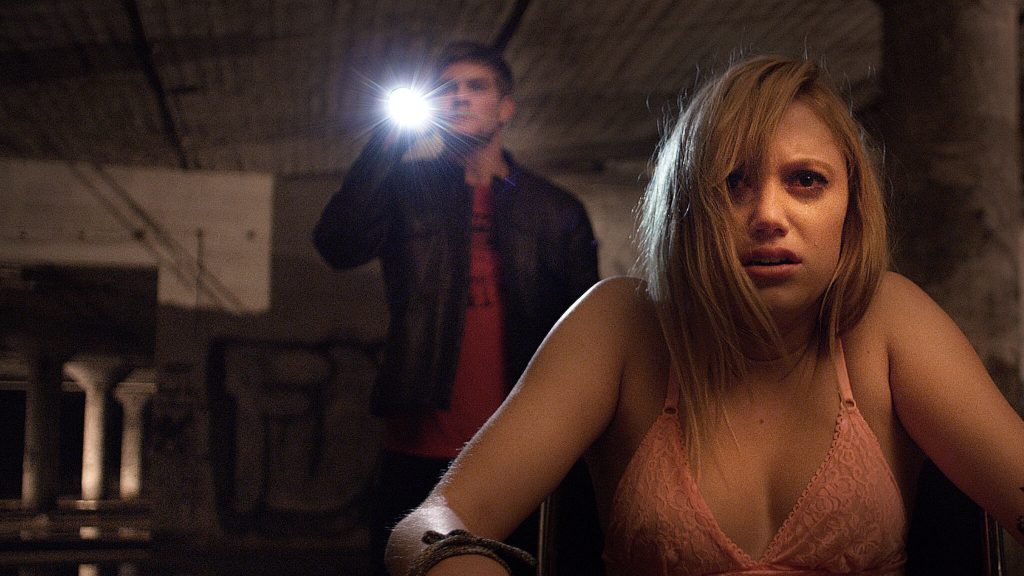
Shot on a modest budget of around 1.3 million dollars in Michigan (because nothing says dread like a tax incentive), the film went on to gross over 20 million worldwide. The result was a triumph of creativity over cash. The dilapidated houses, quiet streets and abandoned playgrounds of Detroit became the eerie playground for Mitchell’s horror vision. Even the famous Redford Theatre, a historic Japanese-style cinema in Detroit where The Evil Dead premiered, makes an appearance in the film’s opening scenes, a subtle nod to horror history.
Part of what makes It Follows so unsettling is its refusal to tell us when it takes place. The time period is completely scrambled. The cars are mostly from the 1980s, the televisions are vintage CRTs, but one character reads an e-book on a seashell-shaped device that looks like it came from The Jetsons. Phones are flip-style or corded, yet the girl in the opening scene drives a modern vehicle. The result is a dreamlike world where nothing quite fits, leaving viewers permanently disoriented, as though they have fallen asleep in 1987 and woken up in an anxiety-riddled alternate timeline.
Even the clothing refuses to commit to a season. Characters wear coats, shorts, swimsuits and pyjamas interchangeably, all outdoors, without so much as a shiver or a tan line. If hell is repetition, this must be its fashion department.
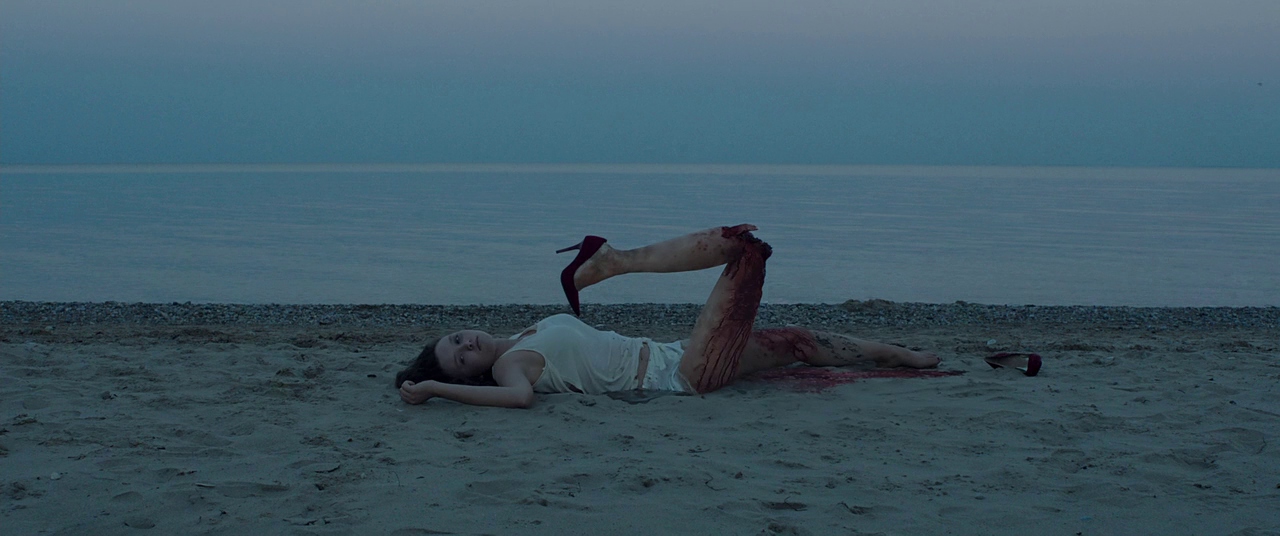
The cinematography by Mike Gioulakis (who later worked on Us and Glass) makes every wide shot feel like a slow panic attack. The camera lingers, watching distant figures drift into view, never confirming if they are a threat or just some unfortunate pedestrian. Every time someone walks in the background, audiences hold their breath, wondering if this is the moment. Mitchell deliberately used wide-angle lenses to make every street and hallway feel endless, the kind of place where fear has plenty of room to stretch its legs.
Then there is the sound. Disasterpeace’s synth score does not so much underscore the film as it stalks it, pulsating like an electronic heartbeat on the verge of cardiac arrest. Mitchell, a fan of Disasterpeace’s work on the video game Fez, recruited him for his first film score, which he reportedly completed in under three weeks. The result is iconic: half John Carpenter homage, half existential dread, and entirely unforgettable.
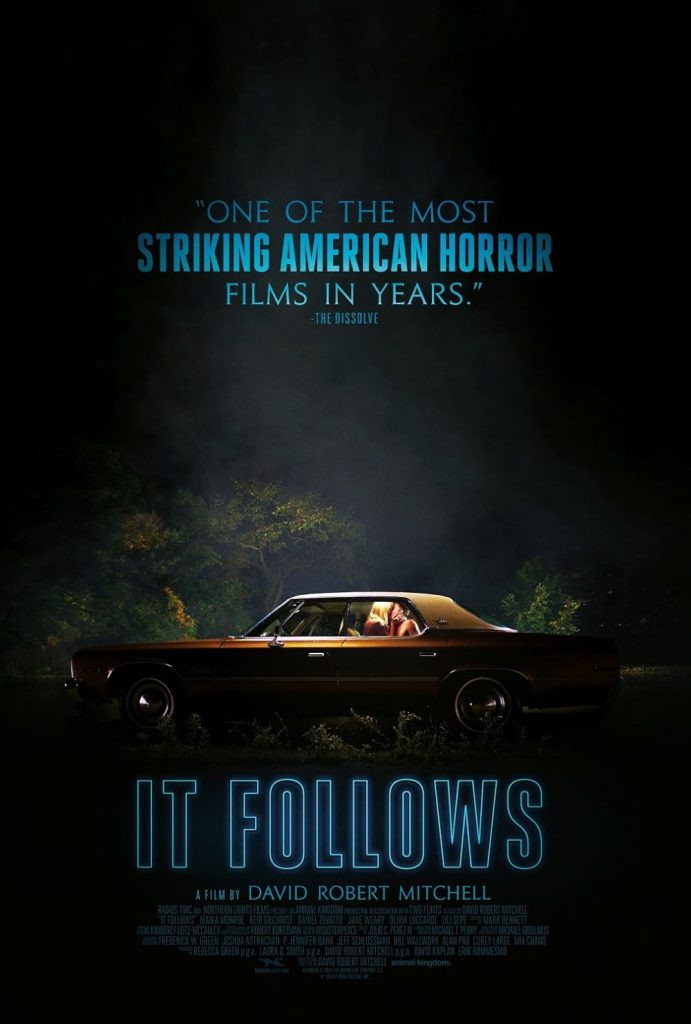
Trivia buffs have feasted on this film for a decade. Jay’s name, short for Jamie, was chosen as a tribute to scream queen Jamie Lee Curtis, who also has a sister named Kelly — just like Jay in the film. The old movie playing on television is Killers from Space (1954), featuring aliens with ping-pong-ball eyes, a subtle nod to sci-fi paranoia. The English teacher reads T.S. Eliot’s “The Love Song of J. Alfred Prufrock,” a poem about paralysis and time, themes that run right through the film. Even the architecture plays a role: the house where Hugh hides is an early twentieth-century American Foursquare, designed so you can loop through rooms without turning back — ideal for a slow-moving pursuer.
Maika Monroe’s performance carries the entire film. Her Jay is terrified, confused and heartbreakingly human, the rare horror protagonist who reacts exactly as we might. She has since become one of the genre’s most reliable scream queens, appearing in Watcher, Significant Other, Greta and Longlegs.
The film’s ending remains one of horror’s great talking points. Jay and Paul walk down the street hand in hand, and somewhere behind them, a figure strolls at an unhurried pace. Is it the curse? Is it a random passer-by? Or is it just a reminder that none of us ever really escape the things that haunt us?
A sequel is now officially on the way, which raises an obvious question: how do you top a film about an unstoppable slow walker? Maybe you do not. Maybe you just let it keep walking. After all, It Follows has been coming for us for ten years now, and somehow, it is still catching up.