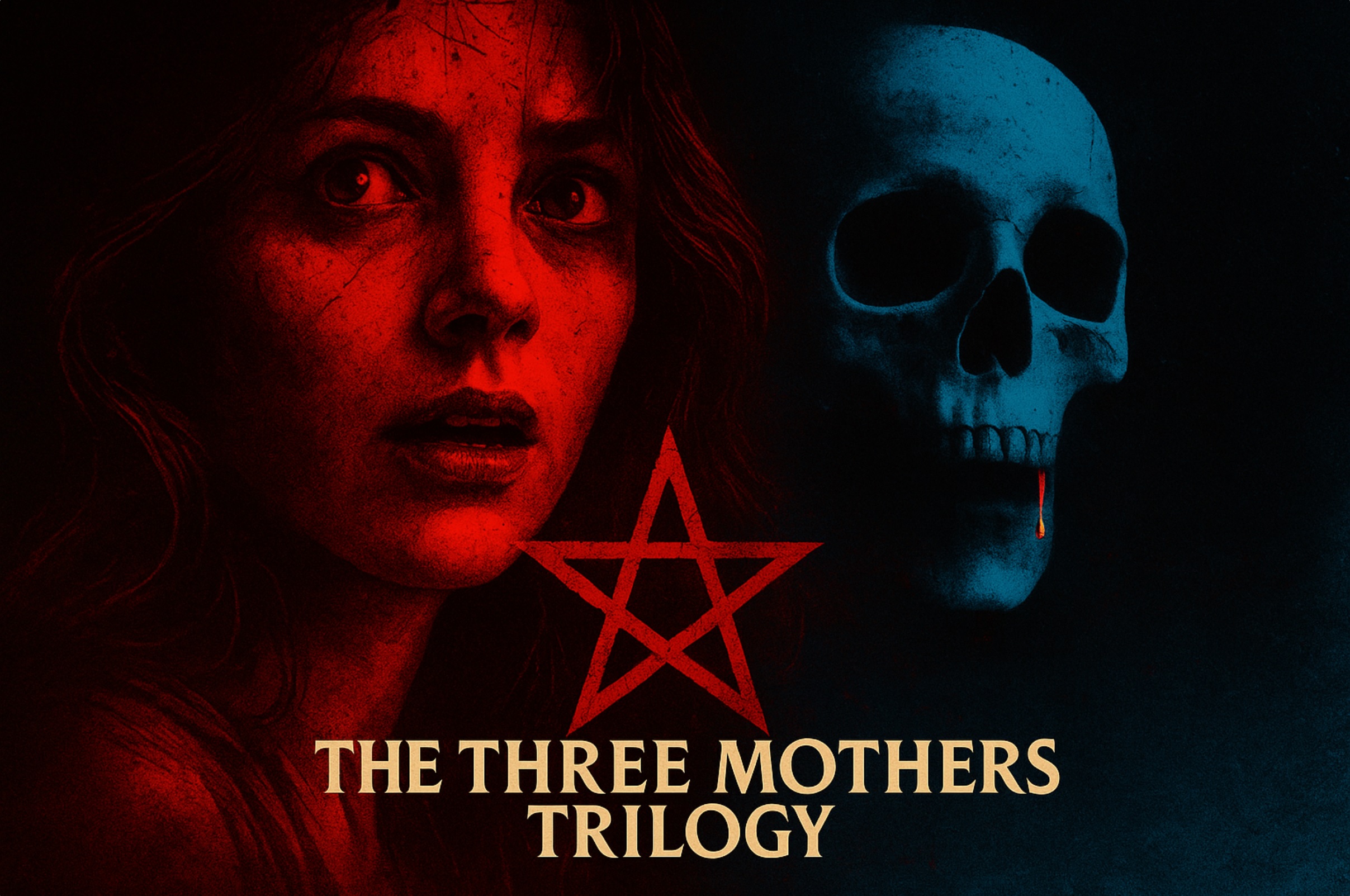
Ranking Dario Argento’s Three Mothers Trilogy – From Worst to Witching Best
Known mostly for redefining Giallo cinema with buckets of blood and buckets of style, Dario Argento decided in 1977 that slashers and masked killers weren’t enough — so he dove headfirst into witchcraft, psychedelic visuals, and supernatural nightmares. The result? Suspiria, the first chapter in what would become his infamous “Three Mothers Trilogy” — three films about three powerful witches wreaking havoc in different corners of the world.
Of course, this being Argento, nothing is ever straightforward. The trilogy took three decades to complete (he’s not exactly known for working fast), and by the time the final installment arrived, let’s just say… well, Argento’s output wasn’t quite as magical as it used to be. But fear not! We’ve brewed up a definitive ranking of the Three Mothers films, from the cursed mess lurking at the bottom of the cauldron to the blood-soaked masterpiece that still hypnotizes audiences to this day.
Prepare for neon lighting, surreal dream logic, buckets of gore, and yes… a healthy dose of disappointment.
3. Mother of Tears (2007)
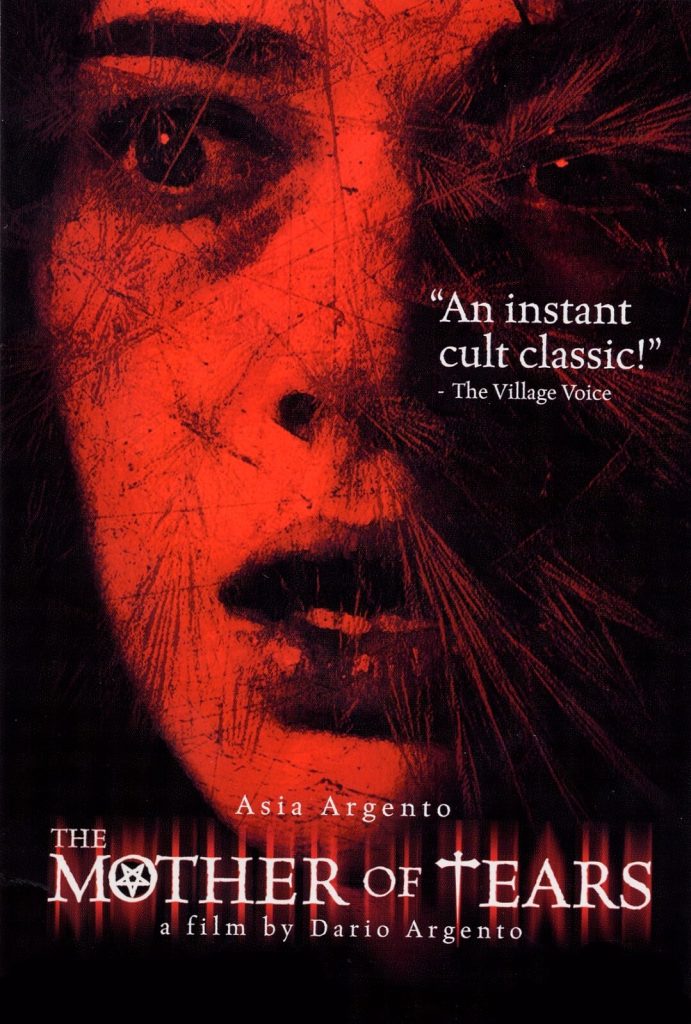
After Suspiria blew our minds in 1977 and Inferno kept things beautifully weird in 1980, fans spent nearly thirty years waiting for Dario Argento to finish his Three Mothers Trilogy. By the time Mother of Tears finally arrived in 2007, anticipation was sky-high. Unfortunately, so were expectations — and Argento decided to belly-flop off the cinematic high dive.
This should have been a triumphant return to form. Instead, what we got was a messy supernatural thriller that felt more like an over-the-top apocalyptic soap opera. Argento, as he did through much of the 2000s, cast his daughter Asia Argento in the lead role. And while we like Asia — talented actress, stunning presence — she’s stuck here in a chaotic jumble of bland dialogue, odd tonal shifts, and a script that feels like it was stitched together at 3 a.m. by three people who’d never met. Speaking of which, the screenplay was co-written by Jace Anderson and Adam Gierasch, Americans who previously worked on a handful of forgettable Tobe Hooper flicks. Maybe financiers insisted on a more “accessible” story to secure funding, but instead of the surreal nightmares of Suspiria or Inferno, we got something closer to a knock-off End of Days.
Perhaps the biggest tragedy is that Mother of Tears doesn’t even look or feel like an Argento film. Gone are the dazzling camera movements, haunting color palettes, and meticulous sound design that defined his classics. In their place? Flat lighting, generic settings, and effects that feel like they were pulled straight from a mid-2000s straight-to-DVD bin. There are hints — tiny flashes — of the old Argento brilliance, especially in one genuinely effective jump scare and the final act’s attempt to reconnect visually to Suspiria’s aesthetic. But by that point, the damage is done.
Oh, and yes, there’s a monkey sidekick. We’re still not over that.
2. Inferno (1980)
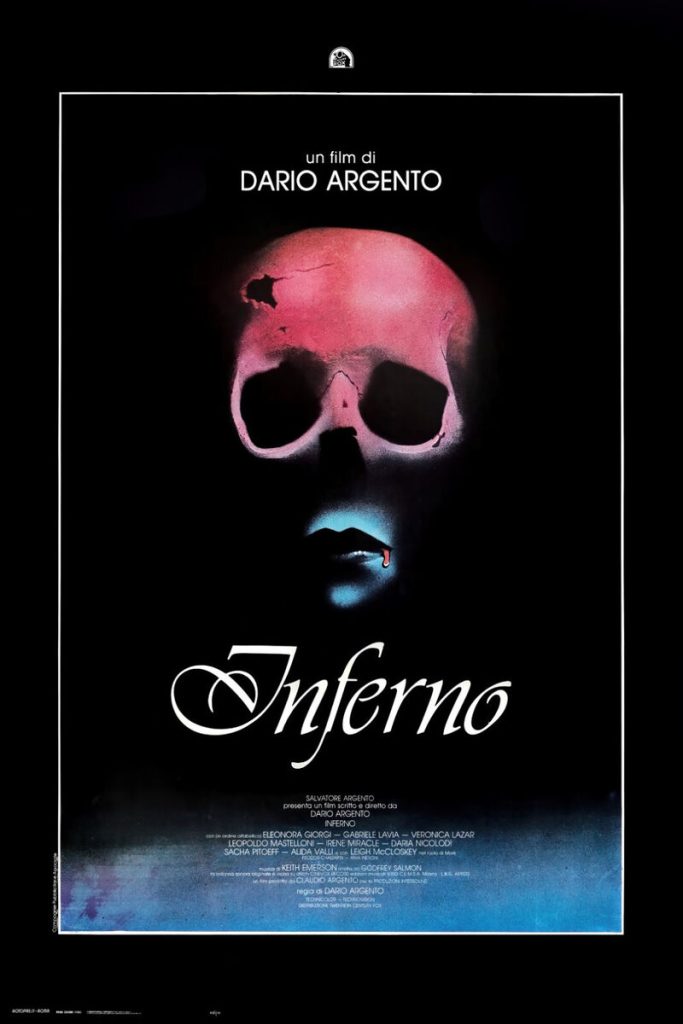
After the wild success of Suspiria, Dario Argento decided to stick with the supernatural vibe for one more round before heading back to his Giallo roots with Tenebrae in 1982. Enter Inferno — a film that is, quite frankly, a visual fever dream. It’s stylish, hypnotic, and utterly gorgeous… even if it occasionally feels like Argento sprinkled a handful of random ideas into a cauldron, stirred it with his camera, and yelled, “That’ll do!”
Where Suspiria introduced us to the terrifying Mother of Sighs, Inferno dives headfirst into the mythology of the Three Mothers and focuses on the Mother of Darkness. And by “dives headfirst,” we quite literally mean dives. One of the most famous sequences sees a character discover a hole in the basement floor, stick her arm in, and find an entire underwater ballroom complete with floating corpses, gothic paintings, and enough nightmare fuel to last a lifetime. It makes no sense — at all — but it’s so beautiful, you kind of don’t care. That’s Inferno in a nutshell: a surreal, logic-free horror fantasy that sacrifices clarity for atmosphere.
Visually, though, this is Argento at his most experimental. Every shot is dripping in vivid colors — fiery ambers, icy blues, and arterial reds that practically melt off the screen. Rooms appear where they shouldn’t exist, characters wander around as though sleepwalking, and the house itself feels like it’s actively trying to swallow people whole. It’s haunting, disorienting, and, yes, a little bonkers. While Inferno doesn’t hit the same terrifying highs as Suspiria and the narrative can feel like a loose collection of dreamlike set pieces rather than a cohesive story, it still cements itself as one of Argento’s most visually striking achievements.
And let’s be honest: a flooded ballroom of corpses? Pure nightmare fuel — and we kind of love him for it.
1. Suspiria (1977)
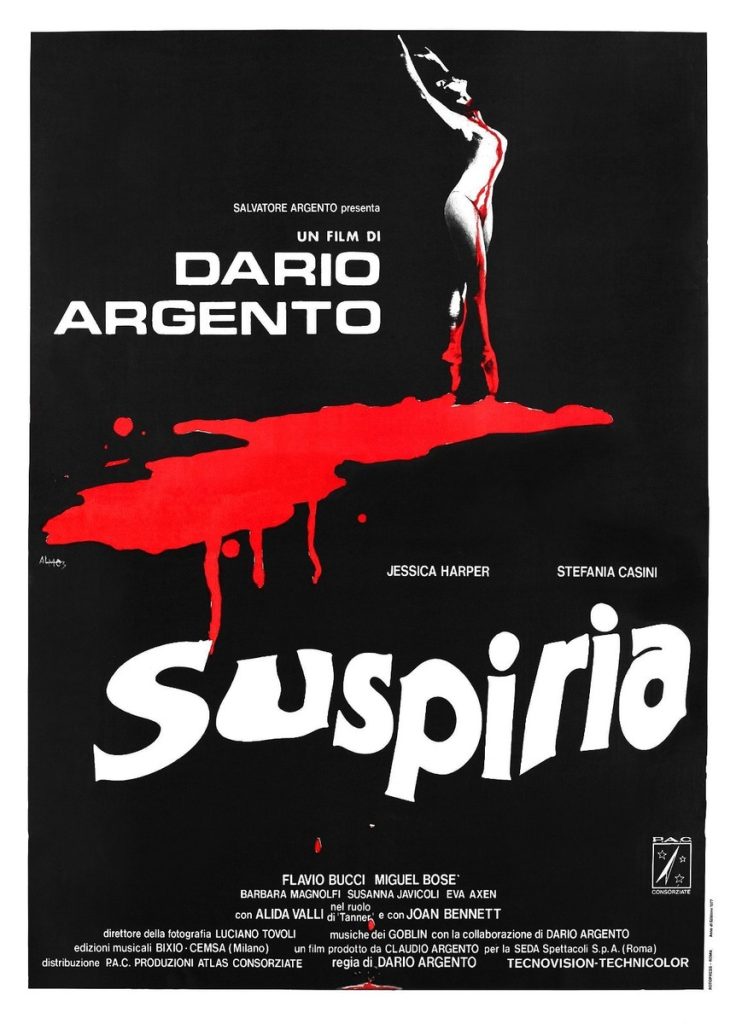
Was there ever any doubt? Suspiria isn’t just the best of Argento’s Three Mothers Trilogy — it’s one of the greatest horror films ever made. From the moment Suzy Bannion strolls out of that airport in Germany and Goblin’s absolutely unhinged prog-rock score kicks in, you know you’re about to witness something special. The setup is simple but unforgettable: Suzy, an American dancer, travels to Freiburg to join a prestigious dance academy, only to discover the place is secretly run by a coven of witches led by the Mother of Sighs. As students start dropping like flies in increasingly horrific ways, Suzy digs deeper into the school’s dark secrets, placing herself right in the crosshairs of pure evil.
Suspiria is often called the most beautiful horror film ever made, and frankly, it’s hard to argue. Argento throws subtlety straight out the blood-soaked window and drenches the movie in screaming reds, deep blues, sickly greens, and hypnotic purples. Every frame looks like a deranged painting, and the set design is stunning — a surreal, nightmare-fueled fairy tale brought to life. And the kills? Good lord. The infamous death-by-barbed-wire scene remains one of the most disturbing moments in horror, and the opening murder sequence is a masterclass in tension and brutality. Suspiria doesn’t just scare you — it burrows under your skin and leaves claw marks.
Of course, there was the 2018 remake from Luca Guadagnino (yes, we actually spelled it right). And you know what? It’s genuinely great — atmospheric, grim, and filled with its own ideas. But when stacked against Argento’s 1977 original, it’s like comparing a high-class ballet recital to an acid-drenched fever dream. Fans will always argue about Argento’s finest work (Deep Red versus Suspiria is the eternal debate), but for us, this is his crowning achievement. Iconic, unsettling, and endlessly rewatchable — Suspiria is witchcraft on film.