Steven Spielberg and Amblin Board The Mandela Catalogue Movie
Hollywood’s hunt for the next online horror phenomenon has just led to one of YouTube’s biggest nightmares, and some seriously powerful names are coming along for the ride.
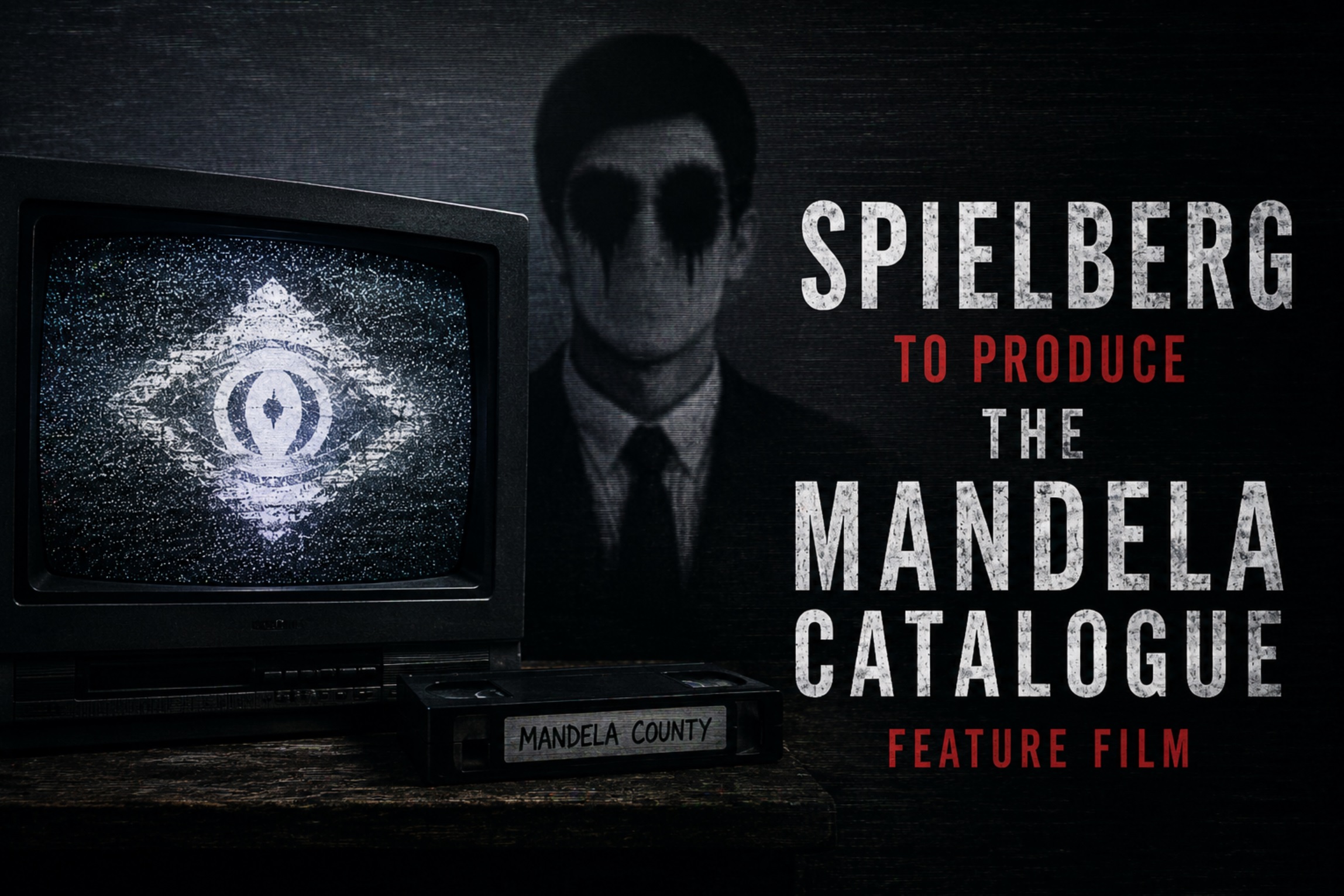
According to Deadline, a feature film based on viral analog horror series The Mandela Catalogue is officially in development, with Steven Spielberg’s Amblin Entertainment, Scott Stuber’s United Artists and Amazon MGM Studios behind the project. The rights deal reportedly came after a highly competitive bidding war involving 11 studios, which tells you everything you need to know about how seriously Hollywood is now taking horror born on the internet.
Even better for fans of the original series, The Mandela Catalogue creator Alex Kister won’t be watching from the sidelines while someone else attempts to translate his nightmare to the big screen. Kister is set to direct the feature himself from a screenplay he adapted with Tyler Clifton, keeping the creator of the original phenomenon at the heart of its move into feature filmmaking.
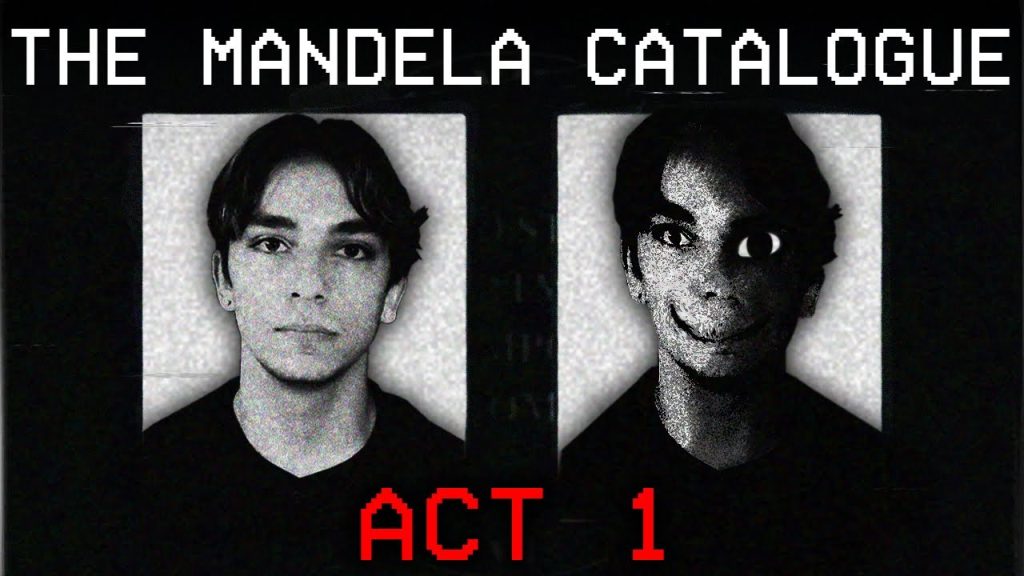
It is another major example of Hollywood looking towards YouTube for its next generation of horror filmmakers and franchises. Following the extraordinary attention surrounding online-born projects such as The Backrooms, studios have clearly realised that some of the most inventive horror ideas aren’t necessarily arriving through traditional screenwriting competitions or agency submissions. Sometimes they’re sitting online, building enormous audiences one unsettling video at a time.
What Is The Mandela Catalogue?
Launched by Alex Kister in 2021, The Mandela Catalogue has grown into one of the defining works of the analog horror movement. Across its official episodes alone, the series has amassed more than 100 million views, while countless reaction videos, explanations, theories and breakdowns have helped expand its reach far beyond the original uploads.
The story takes place primarily in the fictional Mandela County, Wisconsin, a place being terrorised by mysterious entities known as Alternates. These creatures are capable of psychologically tormenting their victims and taking on disturbing human-like forms, often exploiting familiar faces and manipulating technology to spread fear and confusion.
Television screens, computers, recorded footage and other forms of communication become sources of terror rather than safety. The series frequently presents its story through corrupted recordings, public information videos, emergency broadcasts and other pieces of apparently recovered media, forcing viewers to gradually assemble the mythology for themselves.
At the centre of that mythology is a false depiction of the Archangel Gabriel and a disturbing reinterpretation of biblical imagery. Kister’s series doesn’t simply introduce a monster and send it chasing people down corridors. It builds a world in which something appears to have gone fundamentally wrong with reality itself.
That is a large part of what has made The Mandela Catalogue so effective. The Alternates are frightening, but the series’ greatest weapon is uncertainty. Faces look almost human, voices don’t sound quite right and familiar pieces of technology suddenly feel dangerous. Its use of the uncanny valley creates the uncomfortable sensation that something is wrong before the viewer can necessarily explain what it is.
The format also makes The Mandela Catalogue particularly interesting as a potential feature film. Analog horror works because of fragmentation, suggestion and the feeling that the audience has discovered something it wasn’t supposed to see. Stretching that atmosphere into a traditional feature narrative will be a challenge, but allowing Kister to direct his own creation gives the project an opportunity to evolve without completely abandoning what made the original work.
From YouTube Horror to Hollywood’s Most Wanted
The reported 11-studio bidding war is perhaps the clearest indication yet that the relationship between Hollywood and online horror has changed dramatically.
For years, YouTube horror was often treated as an interesting corner of internet culture rather than a serious source of feature film material. That attitude is rapidly disappearing. Online filmmakers can now demonstrate that their ideas work before a studio ever becomes involved, building audiences of millions and creating recognisable horror properties without waiting for permission from the traditional industry.
The Mandela Catalogue is an ideal example. What began as an independent web series became an enormous horror universe, with viewers analysing individual frames, debating its mythology and producing hours of discussion around its characters and lore.
The audience is already there. The challenge for the filmmakers is now to create something that satisfies those existing fans while also working for cinema audiences who may have never watched a single episode.
Kister directing the adaptation is therefore a particularly encouraging part of the announcement. Hollywood’s history is filled with distinctive independent ideas that lost something during the journey into bigger-budget filmmaking. Keeping the original creator behind the camera suggests there is a desire to preserve the identity that made The Mandela Catalogue successful in the first place.
Steven Spielberg Returns to the Dark Side
Steven Spielberg’s involvement is naturally going to attract enormous attention, although it is important to make clear that Spielberg is producing the project rather than directing it.
Still, seeing his name attached to The Mandela Catalogue is fascinating because Spielberg’s relationship with horror stretches across his entire career.
Before becoming synonymous with huge family adventures and historical dramas, Spielberg directed Duel, one of cinema’s great exercises in sustained tension, turning a seemingly ordinary tanker truck into a relentless and almost supernatural predator. Then came Jaws, a film that terrified an entire generation of cinemagoers and changed the film industry in the process.
Spielberg’s work has frequently returned to the frightening idea of ordinary homes and communities being invaded by something impossible. As a producer and creative force, his genre legacy includes Poltergeist and Gremlins, films that brought supernatural horror and creature chaos into suburban spaces. Even some of his more family-orientated adventures contain images that would feel at home in horror films, from melting faces in Raiders of the Lost Ark to the genuinely frightening abduction sequences of Close Encounters of the Third Kind.
That makes Amblin’s involvement in The Mandela Catalogue less unusual than it might initially appear. The series’ horror is built around intrusion: familiar faces becoming dangerous, domestic technology turning against its users and supposedly safe environments becoming contaminated by something unknowable. Those ideas have existed throughout some of the darker corners of Spielberg’s career.
Spielberg and Holly Bario are producing for Amblin Entertainment, with Aaron B. Koontz producing for Paper Street Pictures and Scott Stuber and Nick Nesbitt producing for United Artists. Kister and Clifton are also producing the film.
No casting or release date has yet been announced.
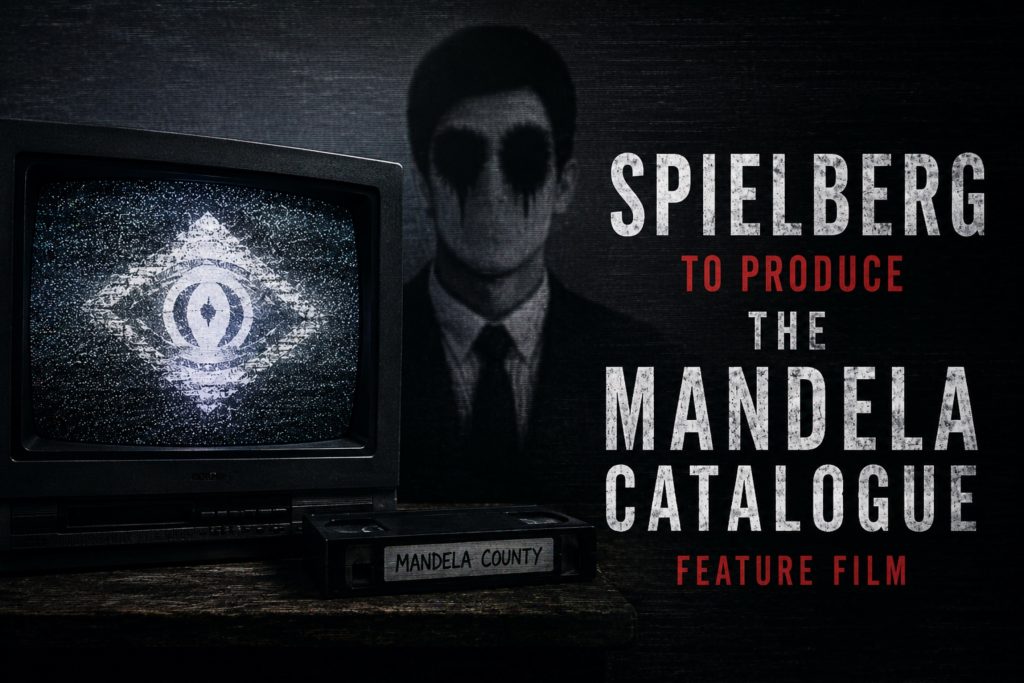
There are still plenty of questions surrounding how The Mandela Catalogue will make the leap from fragmented online horror to a feature-length movie, but that uncertainty is part of what makes the project so interesting. The original series found its audience by creating something strange, unsettling and very different from mainstream studio horror.
Now Hollywood wants in.
With Alex Kister directing his own creation and Steven Spielberg among the producers helping bring it to the screen, The Mandela Catalogue has gone from a YouTube nightmare to one of the most intriguing horror projects currently in development.
Just remember: if somebody who looks exactly like you appears at the cinema, perhaps choose a different screening.