Liquid Metal Royalty: Why the T-1000 Earns a Premier Class Throne
There are killers, there are unstoppable killers, and then there is the T-1000. With its induction into the Premier Class tier of the Hall of Killers, every other villain in the building would be wise to step aside, lock the doors, and hope someone nearby has access to molten steel. Because if you hear calm footsteps behind you and think, “Maybe he’s just a cop,” you are already dead.
Introduced in Terminator 2: Judgment Day, the T-1000 didn’t merely raise the bar for cinematic villains. It dismantled the bar entirely and rebuilt it into something sleeker, smarter, and far more terrifying. James Cameron faced the near-impossible task of following Arnold Schwarzenegger’s original Terminator, a villain who was already iconic, relentless, and physically imposing. Instead of going bigger, Cameron went sharper. The result was a killer that was smaller, quieter, faster, and infinitely more dangerous.
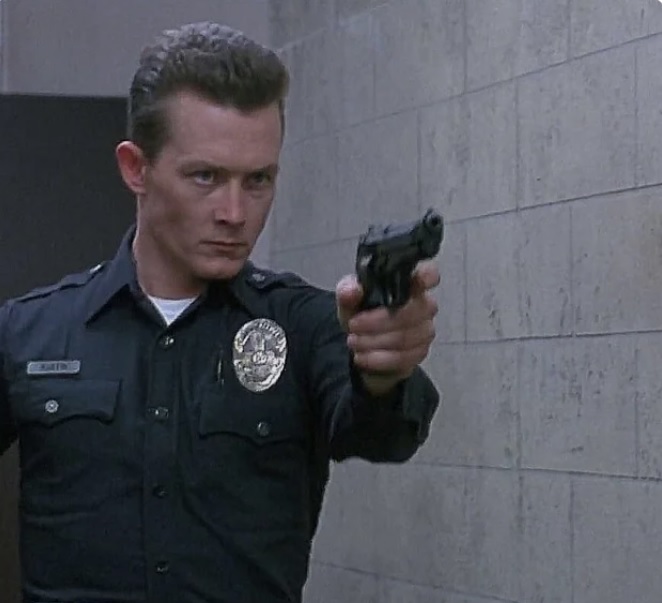
Skynet’s Perfect Weapon
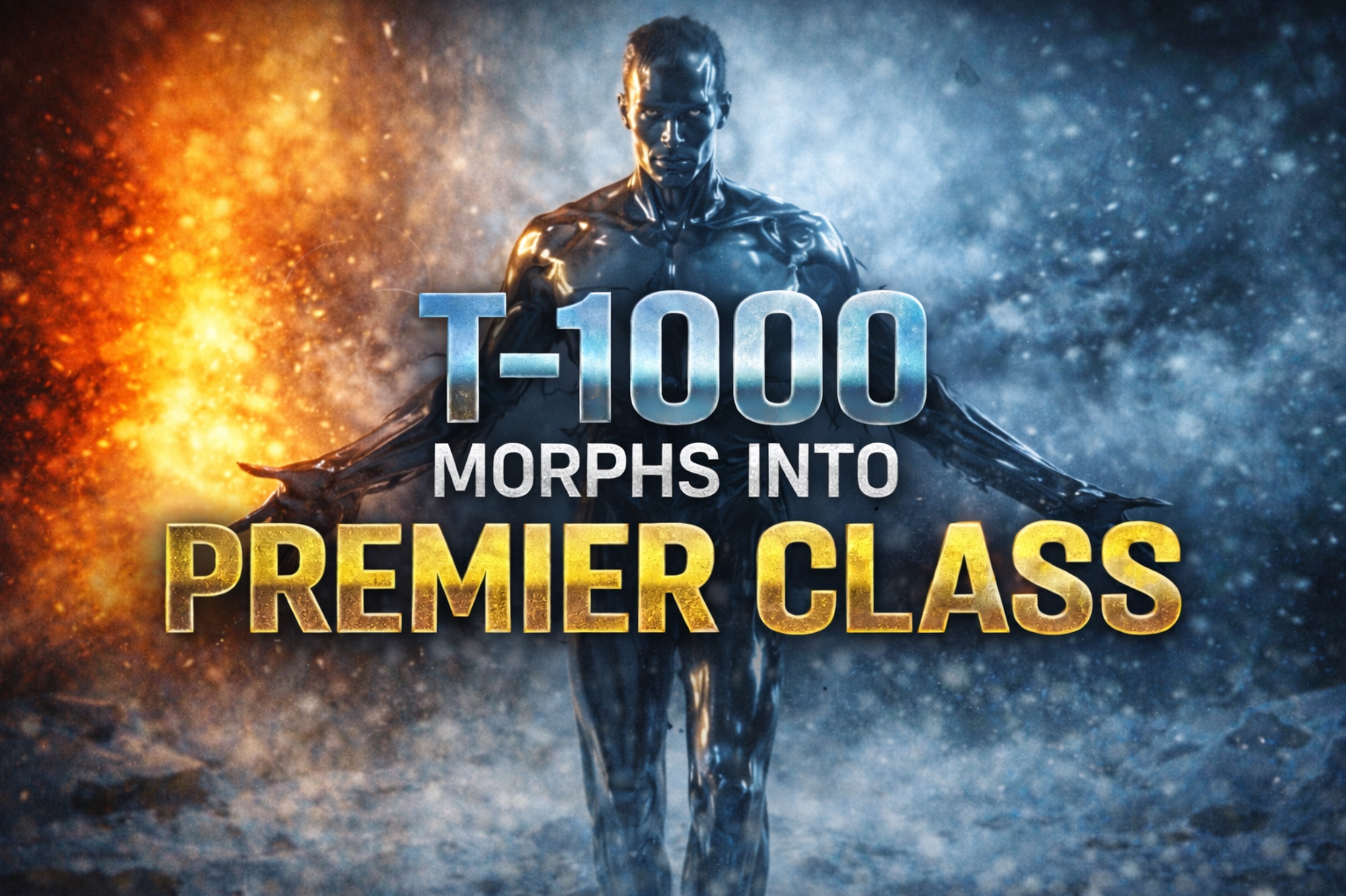
Portrayed with chilling restraint by Robert Patrick, the T-1000 represents Skynet’s idea of perfection. There are no visible weapons, no exposed machinery, and no glowing red eyes to warn you something is wrong. The T-1000 is composed of mimetic polyalloy, better known as liquid metal, allowing it to transform its body into blades, hooks, spikes, or any solid object it touches. It can mimic voices, copy appearances, and infiltrate environments without resistance.
This ability to blend in is what elevates the T-1000 above most cinematic killers. It does not announce itself with rage or theatrics. It calmly inserts itself into your world, exploits your trust, and eliminates you with ruthless efficiency. When it impersonates authority figures or loved ones, the horror isn’t just physical — it’s psychological.
Movement Without Humanity
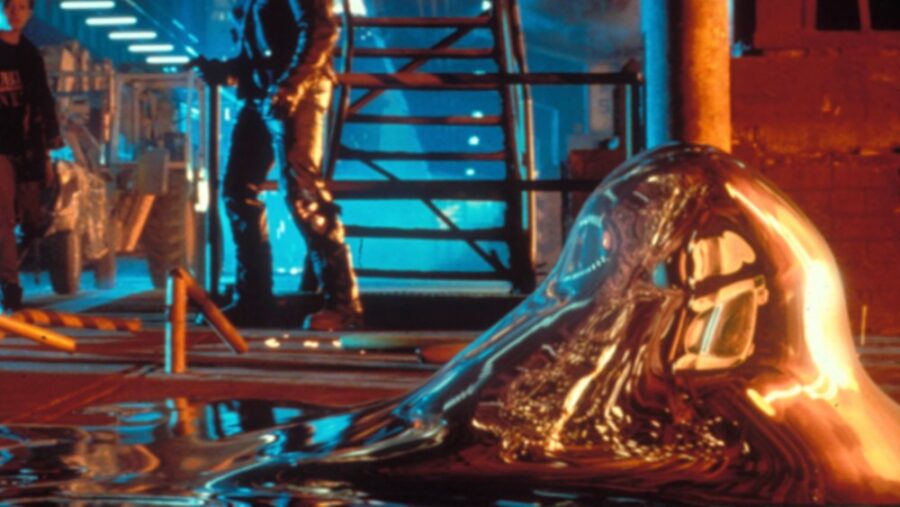
One of the most unsettling aspects of the T-1000 is how little emotion it displays. It doesn’t enjoy killing, and it doesn’t hate its targets. It simply executes its programming. Robert Patrick famously trained to run without visibly breathing so that the T-1000 would look wrong even in motion. The effect is subtle but deeply disturbing. The T-1000 runs like something that does not experience fatigue, pain, or doubt.
Unlike many villains who rely on brute strength, the T-1000 weaponises patience and inevitability. It jogs after its targets with the confidence of something that knows you will tire long before it does. There is no urgency, because urgency implies uncertainty, and the T-1000 has none.
A Psychological Predator
The T-1000 is also one of the most psychologically manipulative killers in the Hall. It learns quickly, studies emotional reactions, and exploits hesitation with surgical precision. Its calm questioning, polite tone, and non-threatening demeanor are deliberate tools. Few scenes in blockbuster cinema are as quietly terrifying as the T-1000 kneeling down and softly asking, “Have you seen this boy?” The audience knows exactly what will happen if someone answers honestly.
This combination of adaptability, intelligence, and emotional mimicry makes the T-1000 feel less like a monster and more like a force of nature wearing human skin.
A Technical and Cultural Landmark
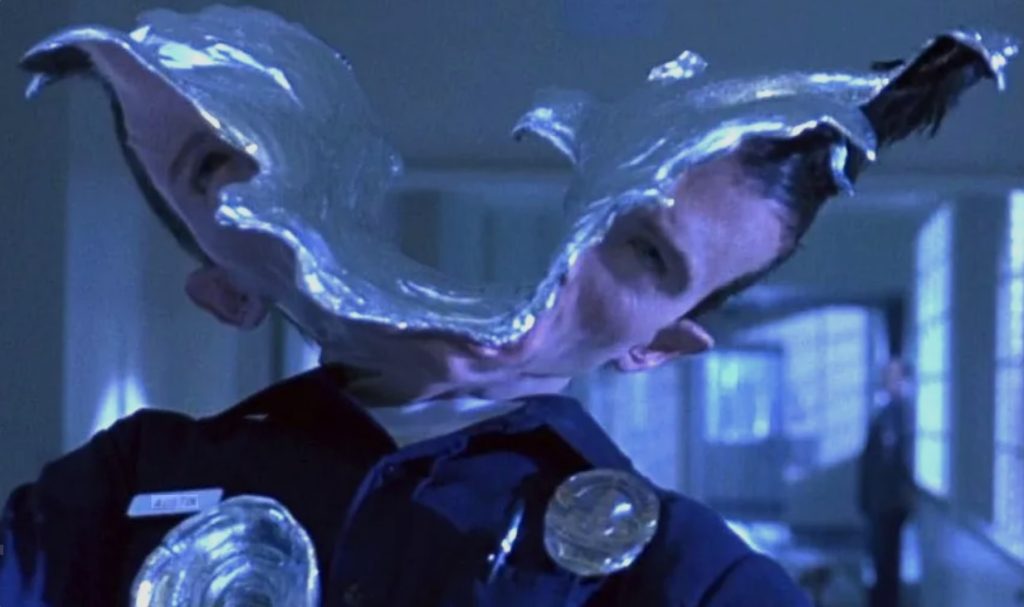
From a filmmaking perspective, the T-1000 was revolutionary. Industrial Light & Magic’s groundbreaking visual effects pushed cinema forward overnight. The morphing liquid metal sequences were not used for spectacle alone. They reinforced the horror by constantly reminding the audience that traditional weapons are useless. Every time the T-1000 reforms after being shattered, frozen, or riddled with bullets, the message is clear: you cannot defeat this thing through conventional means.
Culturally, the T-1000 redefined what a movie villain could be. It paved the way for sleek, efficient antagonists who rely on intelligence and adaptability rather than volume or brute force. Its influence can be seen across science fiction, horror, and action cinema for decades afterward.
Why the T-1000 Is Premier Class
The Premier Class of the Hall of Killers is reserved for villains who represent close to the highest level of threat within their genre. The T-1000 earns this placement because it embodies inevitability. It is not bound by folklore rules, emotional weaknesses, or exploitable patterns. It does not stalk for pleasure or kill for revenge. It exists to complete a task, and it will continue until physically destroyed in the most extreme way possible.
Even then, its defeat in Terminator 2 feels provisional. As it melts into molten steel, the T-1000 cycles through stolen identities, glitching like corrupted data struggling to maintain form. The audience is left with the lingering sense that something this perfect should not be stoppable.
Final Verdict
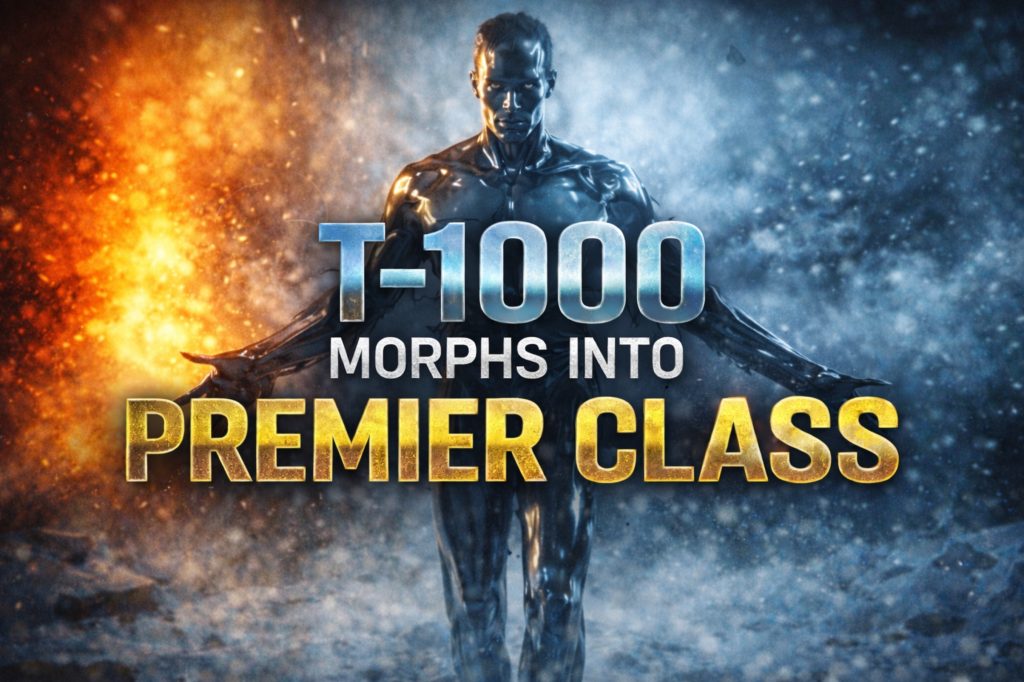
The T-1000 doesn’t merely enter the Hall of Killers. It belongs near the top. Silent, precise, and utterly relentless, it represents the apex of cinematic killers. Other villains stalk their prey. The T-1000 simply arrives, and once it does, survival depends entirely on whether you were smart enough to already be gone.