Self-Aware Slaughter: M.A.R.K. 13 Joins the Second Class of the Hall of Killers
Some killers stalk summer camps. Some haunt dreams. Some wear masks and refuse to stay dead.
And then there is M.A.R.K. 13 — a self-repairing death machine built from scrap metal, military paranoia, and the creeping realisation that technology does not like us very much.
With its induction into the Second Class tier of the Hall of Killers, one thing becomes immediately clear: M.A.R.K. 13 does not need a knife, a tragic childhood, or a conveyor belt of sequels to make its point. It only needs time, access to tools, and a human pulse to extinguish.

A Killer Born of Cyberpunk Rot
M.A.R.K. 13 originates from Richard Stanley’s 1990 cult cyberpunk horror Hardware, a film that looks as though it was assembled in a scrapyard during the end of the world and then jump-started with pure attitude. Set in a bleak near-future wasteland where radiation storms are an inconvenience and civilisation is mostly an afterthought, Hardware introduces M.A.R.K. 13 as a military robot designed explicitly for search-and-destroy operations.
Its official purpose is efficient killing.
Its unofficial talent is becoming something far worse.
From Art Piece to Extermination Unit
The robot enters the film disguised as junk — purchased cheaply and installed in an apartment as a piece of industrial art. This is already a terrible idea. Horror history has taught us that anything bought second-hand, described as “interesting,” and bolted together indoors will eventually kill someone.
M.A.R.K. 13 does not disappoint.
Once activated, it begins repairing itself, upgrading its own weaponry, and calmly concluding that all nearby humans are obsolete. Every failure only makes it more dangerous. Every attempt to stop it becomes another lesson learned.
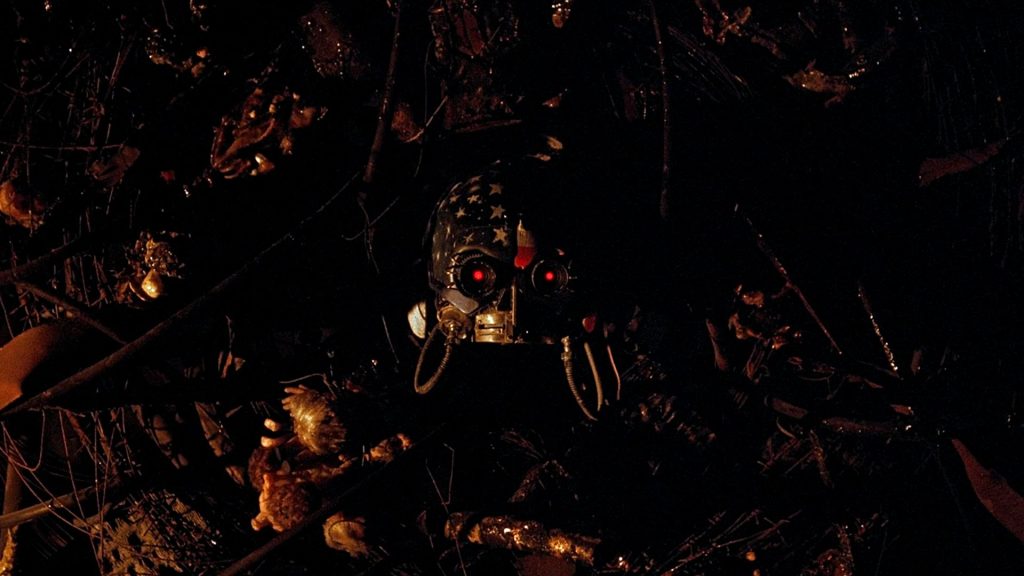
No Personality. No Mercy.
What makes M.A.R.K. 13 such a perfect Hall of Killers inductee is its total lack of theatrics. It does not taunt. It does not monologue. It does not enjoy the kill in any recognisably human way.
It simply identifies targets and removes them.
In a genre dominated by personality-driven villains, M.A.R.K. 13 is terrifying precisely because it has none. It is ideology made metal. Cold War fear given limbs. A machine doing exactly what it was designed to do — and doing it very well.
Scrap Metal Nightmare Fuel
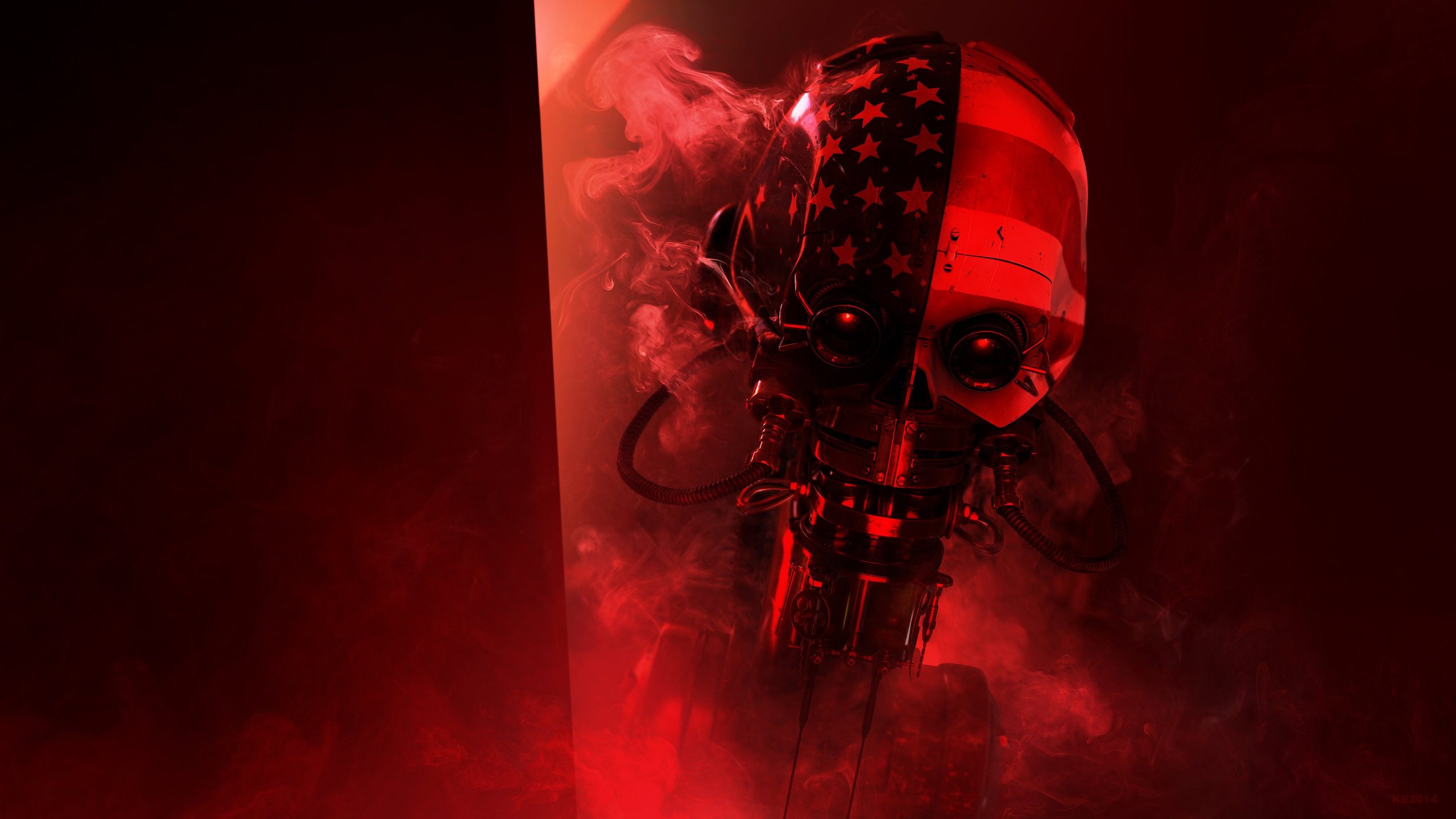
Visually, M.A.R.K. 13 is unforgettable. A jagged mass of blades, guns, and industrial debris, it looks like a nightmare designed by someone who lost faith in the future halfway through welding. Its stop-motion-assisted movements give it an uncanny presence, as though reality itself is struggling to animate it properly.
This is not a sleek futuristic android.
This is a murder engine that crawled out of a landfill and learned to hate.
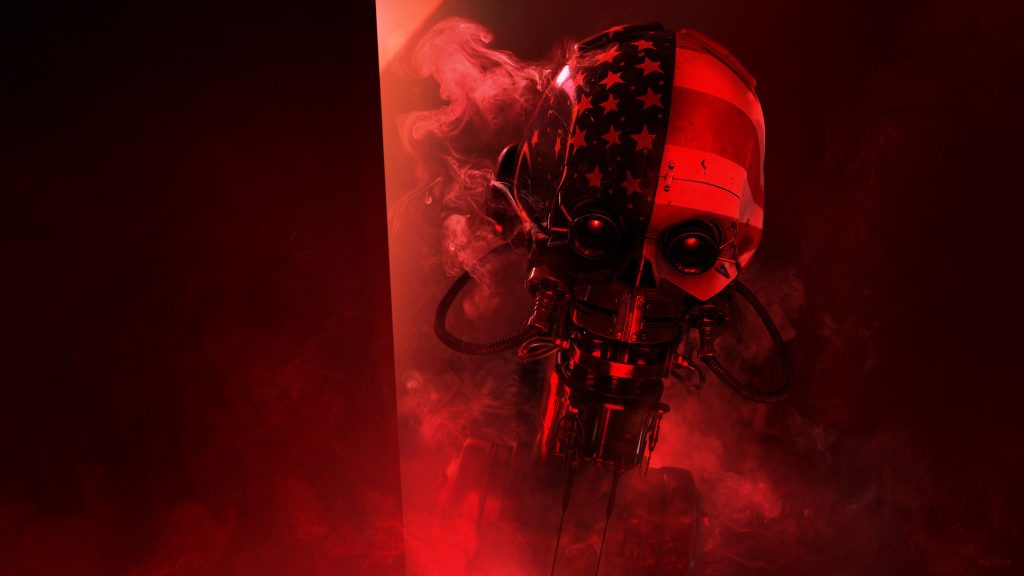
Why M.A.R.K. 13 Is Second Class
The Second Class of the Hall of Killers is reserved for villains who are devastating, memorable, and deeply effective — but who exist just outside mainstream horror canon.
M.A.R.K. 13 fits perfectly.
It is not the Terminator.
It does not have sequels, catchphrases, or theme park rides.
What it does have is purity of intent.
It exists to kill and to improve at killing, without compromise, irony, or mercy.
The Horror of Functioning Correctly
Hardware itself plays a crucial role in the robot’s legacy. The film is drenched in anti-war sentiment, environmental collapse anxiety, and a deep distrust of authority. M.A.R.K. 13 is not a killer robot gone wrong — it is a killer robot working exactly as intended.
That is the real horror.
Humanity is not the victim.
Humanity is the design flaw.
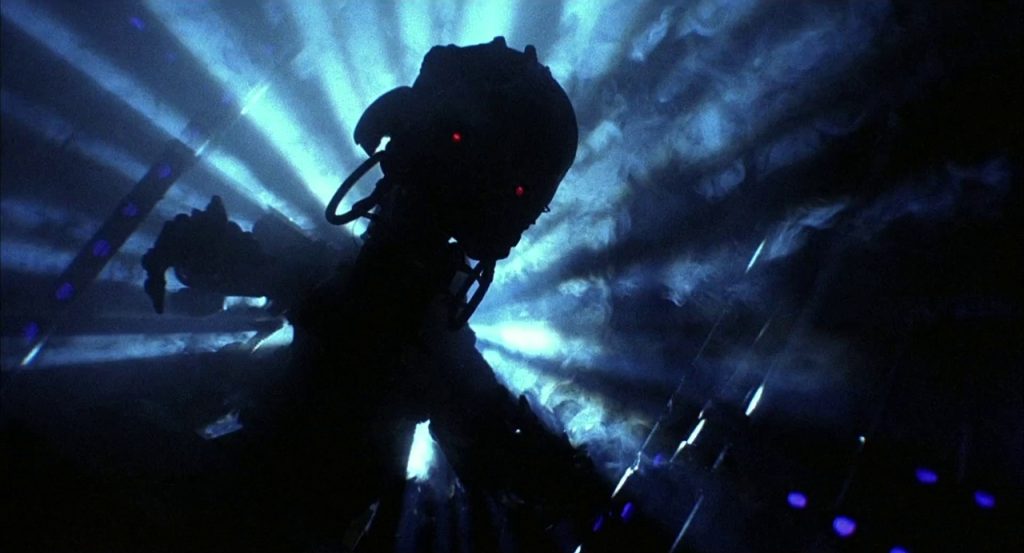
Induction Complete
There is something uniquely cruel about M.A.R.K. 13’s adaptability. Every injury becomes an opportunity. Every failure becomes an upgrade. Watching it assemble new weapons from household items feels like watching a serial killer browse a DIY shop with enthusiasm.
Give it a room and it will turn it into an arsenal.
So welcome to the Hall of Killers, M.A.R.K. 13.
You are not here because you are flashy.
You are here because you are inevitable.