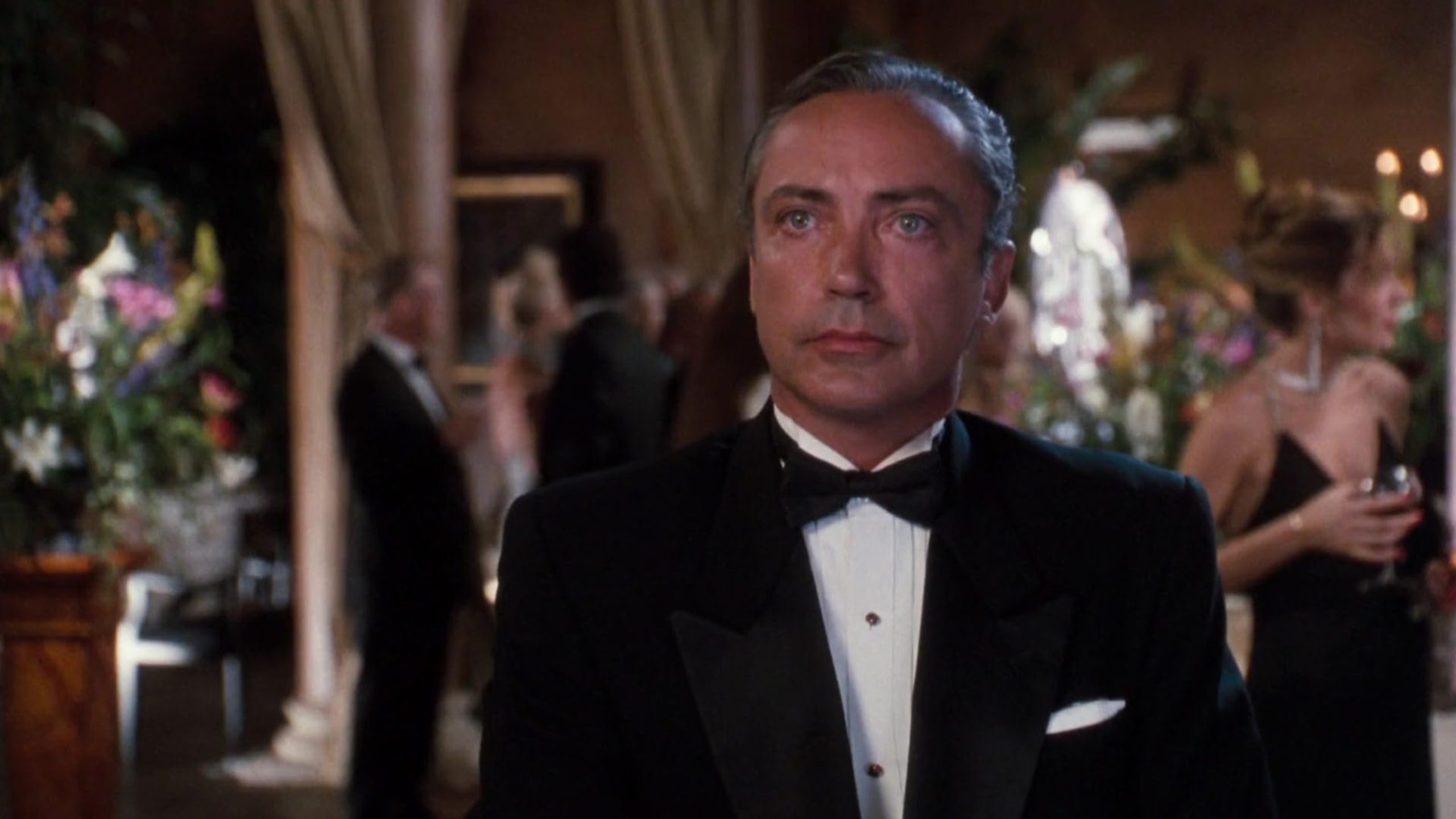
Udo Kier, Cult Legend of Horror and Beyond, Passes Away at 81
Cinema just lost one of its strangest and brightest stars. Udo Kier, the man who could glide effortlessly from arthouse surrealism to Hollywood madness without ever losing that hypnotic Kier energy, has passed away at eighty one. The news was confirmed by his longtime partner Delbert McBride, closing the final chapter on a career that spanned more than half a century and well over two hundred films. If you watched movies of any genre at any point since the nineteen seventies, chances are Udo Kier stared at you from the screen with those piercing eyes and made you feel both fascinated and mildly concerned.
Kier’s legacy is one of the wildest filmographies ever assembled by a single human being. Horror fans know him as a genre staple, an icon who could appear in a vampire opera one day and a grimy slasher the next. Yet before many horror lovers ever discovered his work with Paul Morrissey or Lars von Trier, a great number met him the way I did: while watching Ace Ventura Pet Detective. There he was, Ron Camp, suspicious, polished, and gloriously over the top in a movie that delighted twelve year olds and baffled parents everywhere. Only Udo could bring art film weirdness to a Jim Carrey comedy and make it feel perfectly normal.
Years later I discovered exactly how deep his roots in horror and cult cinema ran. Those who adored his turn in Blade as the impeccably groomed vampire elder Dragonetti eventually learned he had been doing this long before Marvel was a twinkle in the studios eye. His collaborations with Andy Warhol and Paul Morrissey gave the world Flesh for Frankenstein and Blood for Dracula, notorious for their gore, black comedy, and their fearless leading man who took every moment deadly seriously no matter how outrageous the script became.
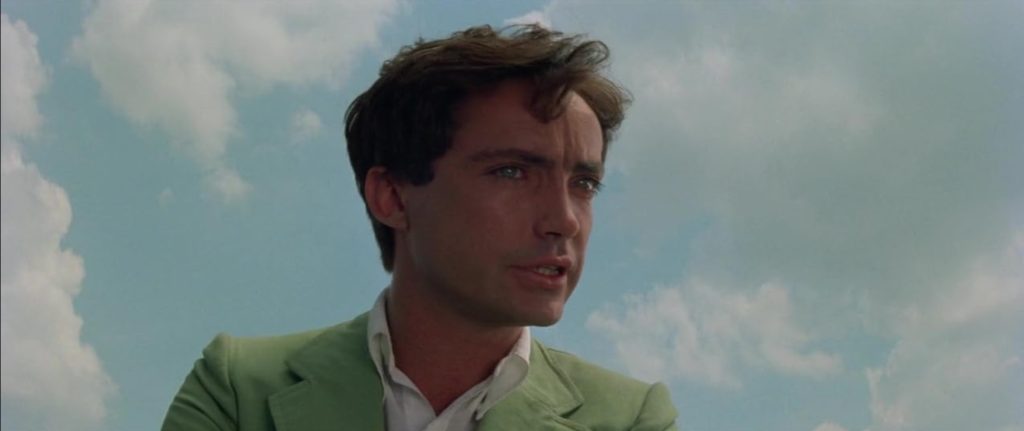
His European work is equally legendary. Dario Argento cast him in Suspiria, where he showcased his ability to be unsettling even when delivering exposition. Rainer Werner Fassbinder used him multiple times. Werner Herzog called upon him. Lars von Trier practically collected him, putting him in everything from Epidemic to Melancholia. And because Kier never let prestige dull his sense of fun, he also cheerfully turned up in Barb Wire, Johnny Mnemonic, Armageddon, and even the bruising apocalyptic madness of End of Days. He was a man equally at home with Fassbinder melodrama and a big scene involving exploding demons. If your production needed intensity with a wink, Udo Kier was your man.
One of the most charming things about Kier was that the intimidating screen presence was entirely opposite from the man in real life. Over many years attending the Fantasia Film Festival in Montreal, he was known as the celebrity who would happily wander into volunteer parties, chat with staff, and drink with journalists until late into the night. Despite his vampiric good looks and catalogue of sinister roles, Udo Kier was a warm, curious person who genuinely cared about people. When I finally interviewed him during the press run for Downsizing and Brawl in Cell Block 99, he took time to FaceTime his dogs and then spent half the conversation learning about me. Every answer he gave was thoughtful. Every question he asked back was sincere. He was as lovely as anyone could hope for from a lifelong cult icon.
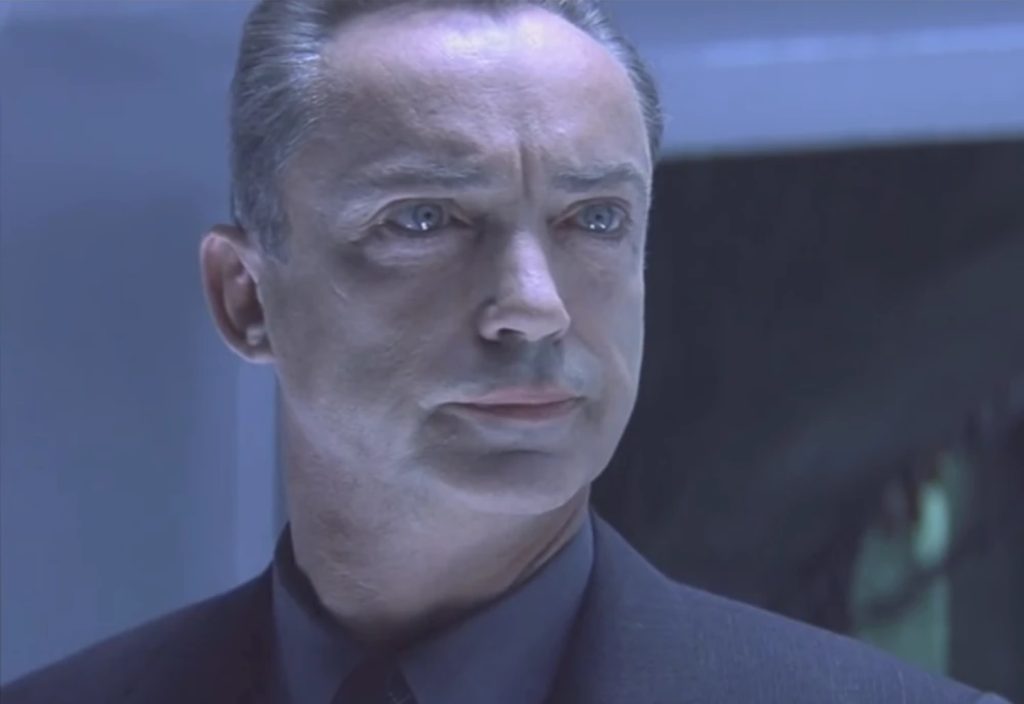
Kier loved his legacy, and he loved the fans who helped build it. He understood what it meant to be a cult actor and embraced that status with pride and humour. Few performers have ever moved so fluidly between worlds or accumulated such a devoted following. He was a man who could terrify, charm, confuse, and delight all in the same scene.
Thankfully, we will get one final performance. Kier appears in Neon’s upcoming film The Secret Agent, which has already generated awards chatter. It feels fitting for a man who spent his life balancing art and genre with perfect reckless elegance. If anyone deserved to go out on a high note, it was Udo Kier.
There will never be another quite like him.