New Return to Silent Hill Featurette Dives Deep into Christophe Gans’ Vision of Terror
The fog is rolling in once again, and this time it’s thicker, darker, and far more psychological than ever before. Christophe Gans, the director who first brought the eerie town of Silent Hill to cinematic life back in 2006, has returned to the cursed streets for his long-awaited sequel, Return to Silent Hill, arriving in theaters January 23, 2026, courtesy of Cineverse and Bloody Disgusting.
A brand-new behind-the-scenes featurette has just dropped, offering fans a glimpse into the creation of the new nightmare. In it, Gans, creature designer Patrick Tatopoulos, and choreographer Roberto Campanella pull back the fog curtain to reveal how they reimagined the haunting world of Silent Hill for a new generation of horror fans.
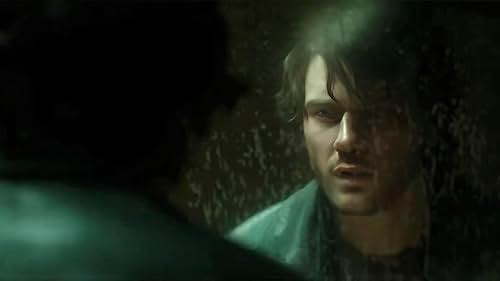
“The perception of horror has changed completely since 2006,” Gans explains in the featurette. “We saw the rising of a new brand of horror film — much more disturbing, much more psychological, much more playing with different levels of perception. It’s very exciting. It’s one of the reasons I thought it was the time to adapt Silent Hill 2.”
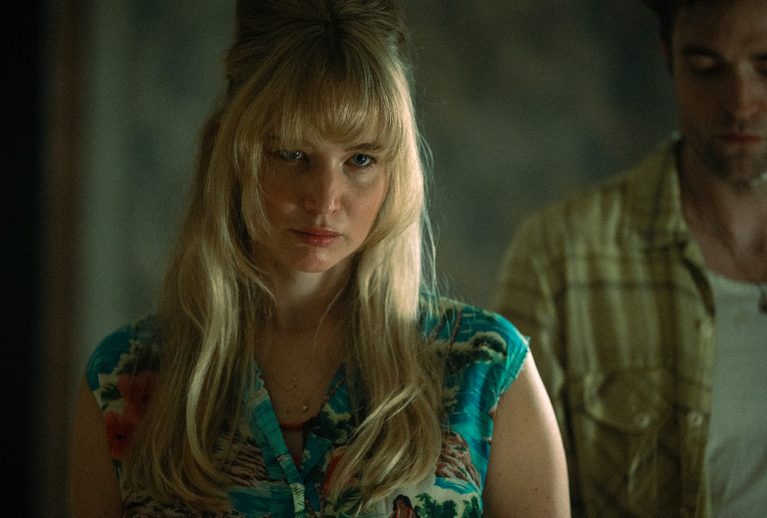
And that’s exactly what Return to Silent Hill is — an adaptation of the beloved and deeply disturbing Silent Hill 2 video game, widely considered the crown jewel of the franchise. The film stars Jeremy Irvine (War Horse) as James and Hannah Emily Anderson (Jigsaw, What Keeps You Alive) as Mary Crane, the lost love who summons him back to the fog-shrouded ghost town with a mysterious letter.
A Return to Psychological Terror
Gans’ original 2006 Silent Hill movie was a bold visual translation of Konami’s influential horror series, merging the visual identity of the first two games into a surreal, hellish descent into grief, guilt, and damnation. Though divisive among critics, it has since become something of a cult favorite, praised for its atmosphere, haunting music by Silent Hill composer Akira Yamaoka, and the grotesque, twitching creatures that made audiences wish they’d never set foot in a foggy town again.
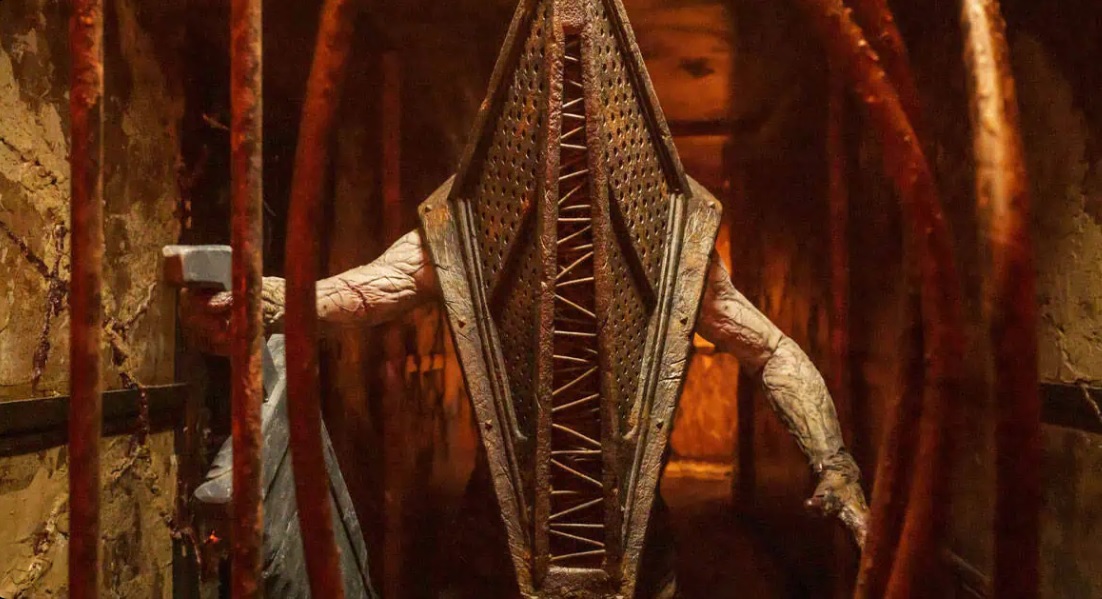
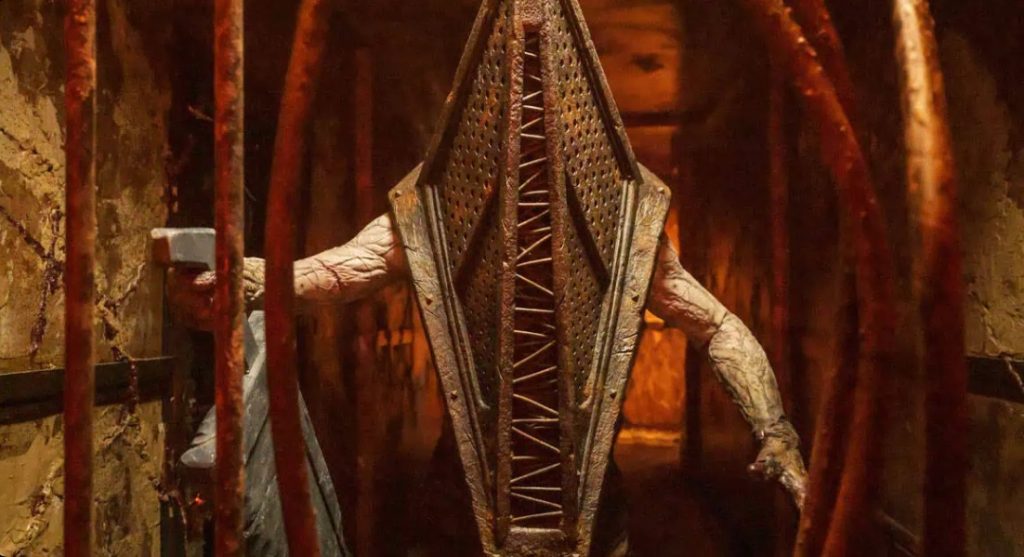
The less said about the 2012 follow-up Silent Hill: Revelation, the better. (No offense, Pyramid Head, but you deserved a better agent.) That film leaned hard into 3D gimmicks and lore overload, losing much of the psychological subtlety that made the series iconic. So when Gans announced he was returning to the director’s chair, horror fans rejoiced — not just because he understood Silent Hill’s nightmarish visuals, but because he also understood its soul.
A Love Letter to Silent Hill 2
If Silent Hill (2006) was a dreamlike fever trip into maternal guilt, Return to Silent Hill promises something far more personal and existential. The source material, Silent Hill 2, follows James Sunderland, a man haunted by the death of his wife, who receives a letter from her years later, beckoning him back to their “special place.” What follows is a descent into a nightmare tailored to his psyche — where every monster, every sound, and every eerie whisper reflects his guilt, denial, and self-loathing.
Creature designer Patrick Tatopoulos, whose résumé includes Underworld, I Am Legend, and Godzilla (1998), returns to help shape these disturbing manifestations. In the featurette, he hints at his approach: “We didn’t want to just remake the monsters. We wanted them to feel like they were born out of pain, of decay, of the human mind breaking apart.”
The featurette also features choreographer Roberto Campanella, who performed as the iconic Pyramid Head in the 2006 film. He returns not only to choreograph the nightmarish movement of the new creatures but also to ensure the physicality of the performances maintains that uncanny, otherworldly dread. “I personally feel Return to Silent Hill is more experiential,” Campanella says. “The audience is going to be able to be catapulted into that world.”
A New Era of Horror for a Classic Town
Since Gans’ last visit to the foggy streets of Silent Hill, horror itself has evolved. We’ve seen the rise of elevated, psychological terrors — Hereditary, The Babadook, The Witch — and that shift has influenced Return to Silent Hill profoundly. This isn’t a slasher or monster movie; it’s a descent into the soul’s darkest recesses.
The director has also emphasized that this new film is not simply a sequel to the first movie but a fresh interpretation that returns to the emotional and thematic core of the games. Working alongside co-writers Sandra Vo-Anh and William Josef Schneider, Gans aims to weave an experience that honors Konami’s legacy while standing entirely on its own.
For long-time fans of the games, this is an exciting prospect. Silent Hill 2 remains one of the most emotionally resonant stories in gaming history, exploring grief, repression, and self-destruction through interactive horror. Translating that to film is a daunting task, but if anyone can pull it off, it’s Gans — a filmmaker who has always treated the franchise with a reverence most adaptations never achieve.
Back to the Fog
With Return to Silent Hill, Christophe Gans seems ready to do more than revisit an old haunt — he’s bringing the town’s sinister beauty and emotional devastation to a whole new audience. From the sound design to the creature choreography, everything about this production screams atmosphere, melancholy, and terror.
Whether you’re a longtime fan who still hears the distant wail of the town’s sirens or a newcomer about to experience its fog for the first time, Return to Silent Hill looks set to be both a visual and emotional reckoning.
Because in Silent Hill, the monsters are never just monsters — they’re you.