Why Red Dragon Was Not Needed (and Why Manhunter Still Reigns Supreme)
Some movies cry out for a remake. Technology improves, social attitudes shift, and sometimes a fresh coat of cinematic paint brings a great story to a new audience. Without remakes, we would not have John Carpenters The Thing, David Cronenbergs The Fly, or the gloriously gooey 1988 version of The Blob. All are proof that sometimes, revisiting the past can give us something even better.
Then there are the other kind of remakes. The “did we really need this” variety. The kind that make you pause and wonder if Hollywood executives have a yearly meeting where they throw darts at a wall of old movie titles. Red Dragon firmly belongs in that latter category.
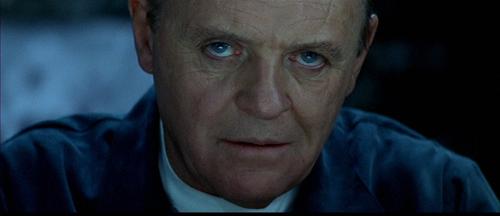
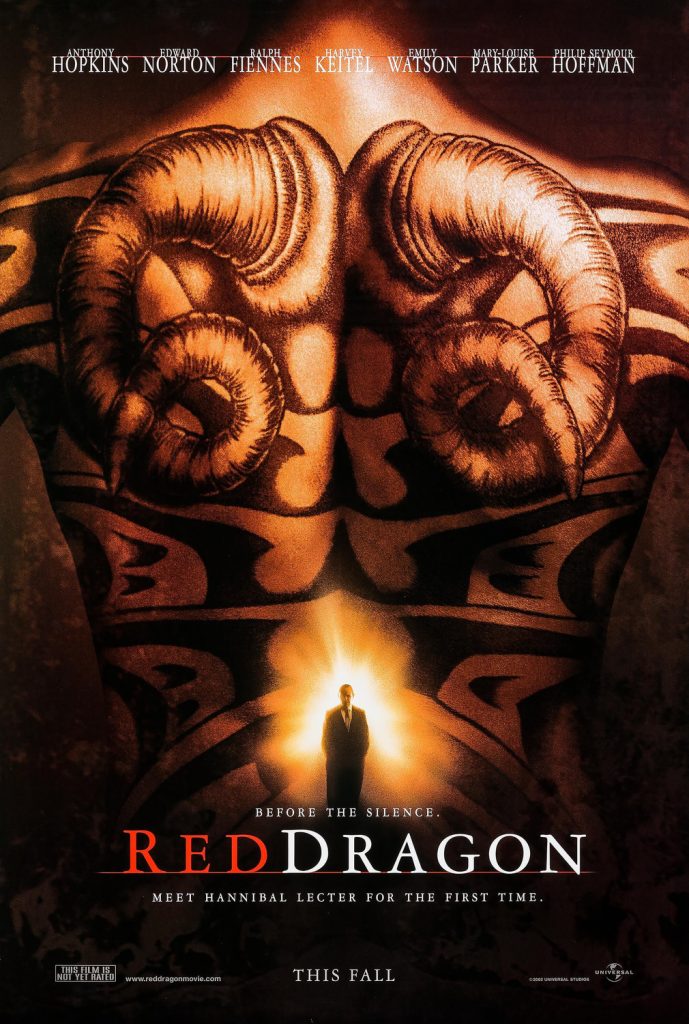
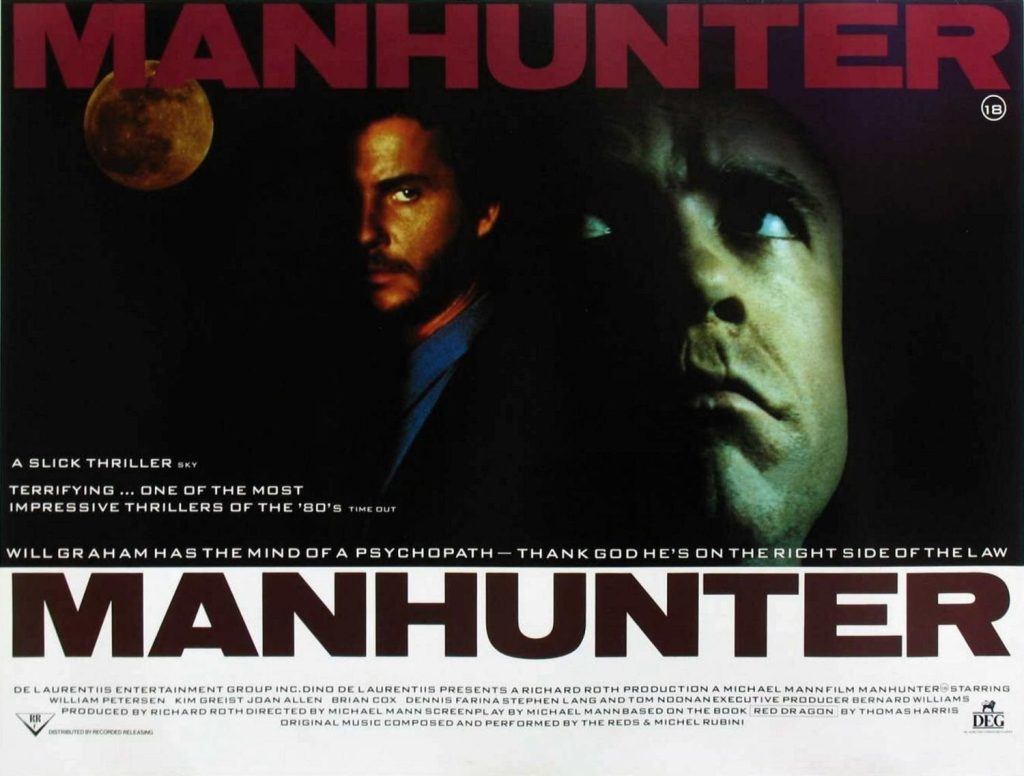
Released in 2002, Red Dragon was not so much a film born out of creative necessity as it was a desperate attempt to squeeze a little more mileage out of Anthony Hopkins’ wildly popular portrayal of Hannibal Lecter. After The Silence of the Lambs and Hannibal, the producers clearly thought, “Well, there is still one more book left, right” What they forgot, however, is that the book had already been adapted in 1986 by Michael Mann as Manhunter. And Mann’s version was, and still is, a far superior beast.
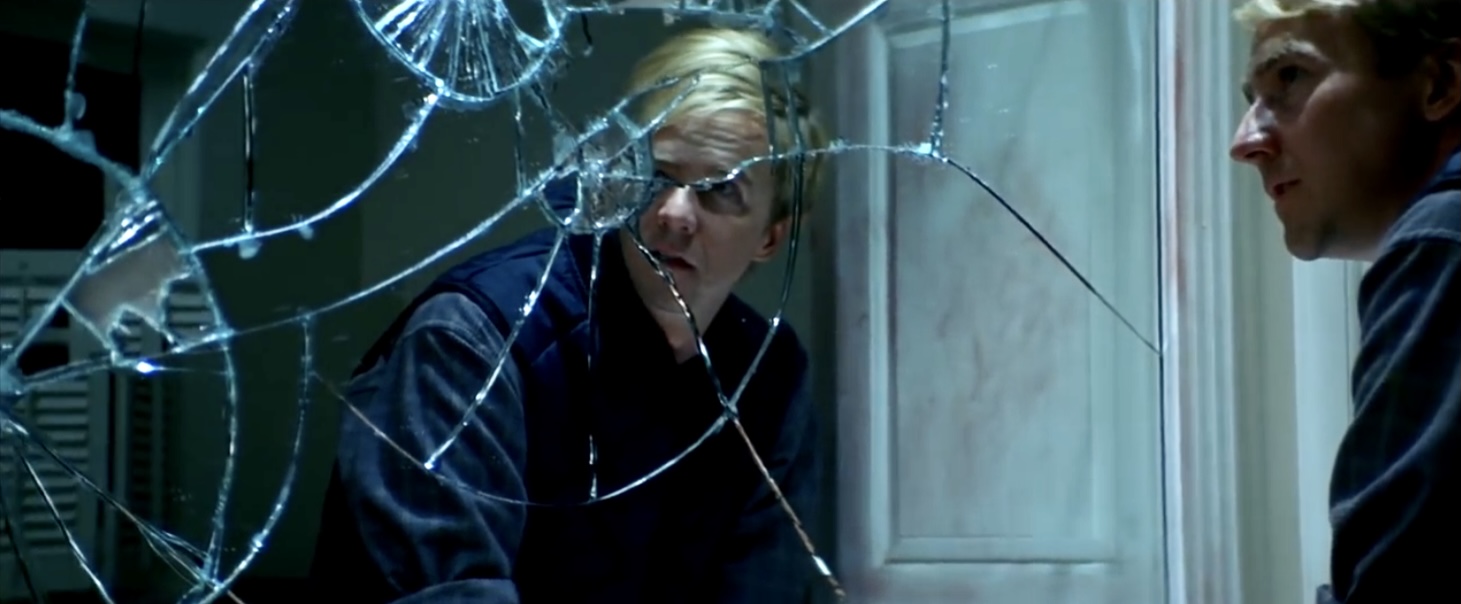
Let’s be honest. Michael Mann is in a completely different league from Brett Ratner. One is a meticulous craftsman with a painter’s eye for colour, atmosphere, and mood. The other is Brett Ratner. Mann turned Manhunter into a hypnotic fever dream of 1980s aesthetic perfection, all electric blues, neon reflections, and cold glass surfaces that make every shot look like an album cover for an existential synth band. Watching Manhunter feels like being trapped inside a haunted Miami Vice episode, which is absolutely a compliment.
Ratner’s Red Dragon, meanwhile, looks like it was lit by a well-meaning intern who just discovered soft lamps. Everything is bright, beige, and lifeless. You could run an open house tour through Lecter’s cell, that’s how well lit it is. There is no sense of dread, no oppressive atmosphere, just a glossy crime thriller with a side of nostalgia bait.
To be fair, Red Dragon does boast an impressive cast. Edward Norton, Ralph Fiennes, Harvey Keitel, Emily Watson, Philip Seymour Hoffman, and of course, Sir Anthony “Fava Beans” Hopkins himself. On paper, it looks like a sure thing. In execution, it feels like an expensive cover version of a song that did not need re-recording. You can respect the effort, but you would still rather listen to the original.
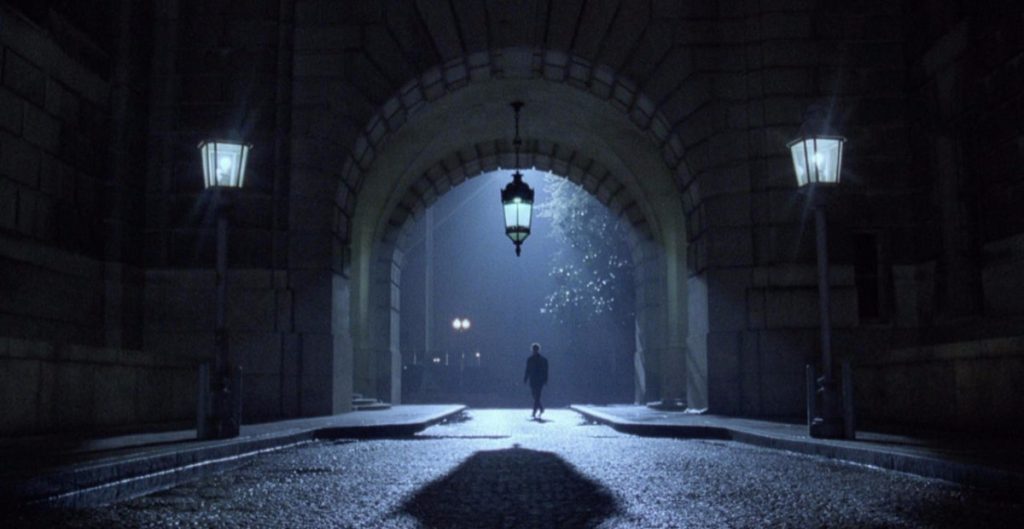
In Manhunter, William Petersen’s portrayal of Will Graham is perfectly haunted. You can feel the damage in every twitch of his eye, every whispered line of dialogue. He is a man who has stared too long into the abyss, and the abyss is definitely staring back. Meanwhile, Brian Cox’s Lecter, or “Lektor” as Mann’s version insists, is subtle, calculating, and terrifying precisely because he feels real. There is no theatrical slurping or purring. He is a polite man you could imagine living next door, which somehow makes him even more chilling.
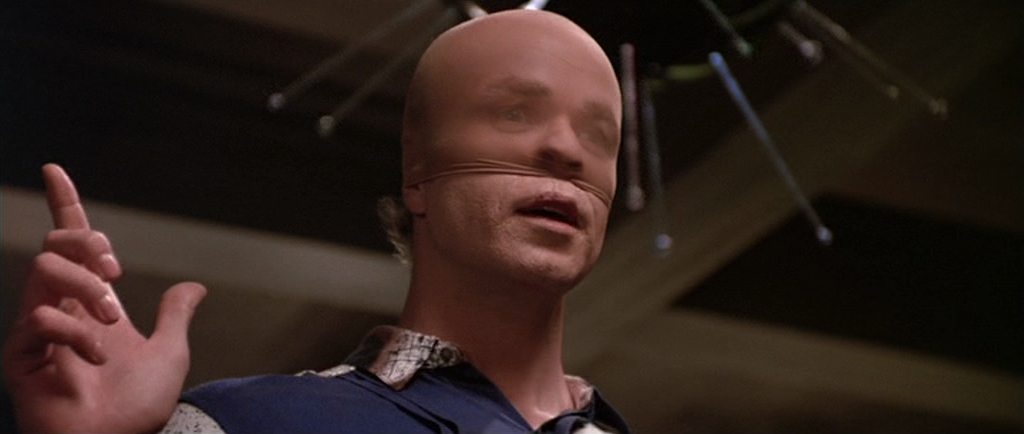
Then there is Tom Noonan as Francis Dollarhyde, the infamous Tooth Fairy. Noonan’s quiet menace makes your skin crawl. He does not need to shout or monologue about transformation, he just exists, like an unsettling dream you cannot shake. His every movement feels unpredictable, like you are watching a predator study its prey.
Compare that to Red Dragon, where Ralph Fiennes gives it his all but gets lost in the gloss. The character’s pathology is explained, discussed, and then explained again. It is as if Ratner thought subtlety was something you could buy in bulk from a lighting department.
And the soundtrack. Manhunter features one of the most perfectly curated soundtracks in thriller history. Every track, from The Prime Movers to Shriekback’s “This Big Hush,” adds texture and emotional weight. The music breathes neon life into the story. In contrast, Red Dragon went for a more traditional orchestral score, which, while fine, feels about as inspired as elevator music at a dentist’s office.
What makes Manhunter so unforgettable is its tone. It is hypnotic, clinical, yet strangely poetic. Mann is less concerned with jump scares or blood splatter than with human obsession, empathy, and the strange psychological connection between detective and killer. Will Graham is not just chasing the Tooth Fairy, he is terrified of the part of himself that understands him. You do not need gore when your main character is battling his own reflection.
Red Dragon, on the other hand, feels like a film that desperately wants you to remember how good Silence of the Lambs was. Every time Hopkins pops up on screen, it feels like the movie is nudging you with an elbow, saying “Hey, remember this guy You loved him He’s back” The problem is, Hopkins’ Lecter had already become a caricature by that point. Gone was the eerie restraint of 1991. Now we had a villain who was one monocle away from becoming a Saturday morning cartoon.
At the end of the day, Manhunter is a thriller that respects its audience. It trusts you to keep up, to piece together the clues, to sit with the discomfort. Red Dragon is content to spoon-feed you the plot while waving a Hopkins cameo in your face like car keys in front of a baby.
So, was Red Dragon needed Absolutely not. It is not a disaster, but it is an echo of something far greater. Manhunter remains a masterclass in tension, design, and psychological storytelling, a film so stylish it could make a serial killer’s lair look like an art installation. It is bold, terrifying, and deeply human.
If you have never seen Manhunter, do yourself a favour. Turn off the lights, grab something strong to drink, and let Michael Mann’s icy masterpiece remind you that real horror does not need dragons, just the monsters hiding in plain sight.