
Christine Drives into the Second Class of the Hall of Killers – The Only Killer Car with More Sass Than Gas
Christine, the gleaming red Plymouth Fury that made petrol stations nervous and mechanics rich, has officially driven into the second class of the Hall of Killers. She joins the ranks of horror’s most diabolical icons, earning her place beside other beloved maniacs such as Julia Cotton and the Dog Soldiers pack. It is a well deserved honour for cinema’s most possessive vehicle, one that proved you do not need hands to strangle someone when you have horsepower and attitude.
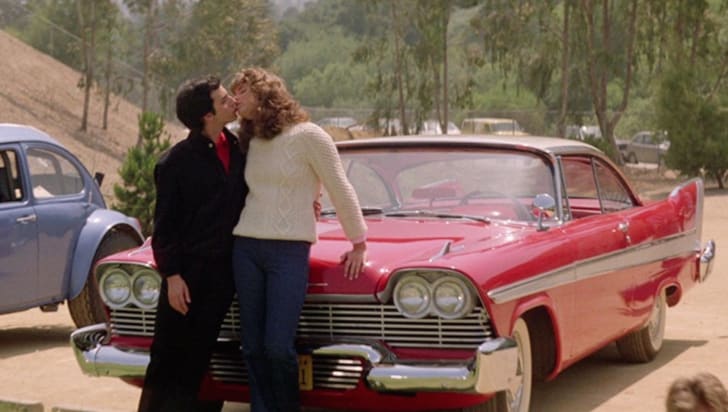
Stephen King first introduced Christine to readers in his 1983 novel, giving us a love story so toxic it could only end with tyre marks. The story follows Arnie Cunningham, a painfully awkward teenager who falls head over heels for an old car that just happens to be possessed by evil. The more time he spends with her, the cooler he becomes and the worse his personality gets, as if puberty decided to manifest itself as an antique motor with a bad temper.
That same year, John Carpenter brought Christine to life on the big screen, swapping supernatural suggestion for chrome plated carnage. The film begins on a factory floor where Christine, still fresh off the production line, kills a man before her radio has even been tuned. That is commitment. Years later, Arnie finds her in a junkyard, battered and broken, and decides she is worth saving. What follows is a full restoration of both bodywork and male ego, as Arnie becomes increasingly confident and increasingly unhinged.
Christine herself is the real star. She purrs like a cat, growls like a demon and kills with the precision of a professional stunt driver. She can repair herself after damage, making her the ultimate auto body technician’s nightmare. One of the most memorable moments in the film is when she reforms her crushed frame before Arnie’s eyes, metal twisting and paint stretching back into shape. Carpenter achieved this effect by using hydraulic pumps and vacuum systems to crush the car and then playing the footage backwards, proving that even in the age of CGI, nothing beats a bit of practical wizardry.
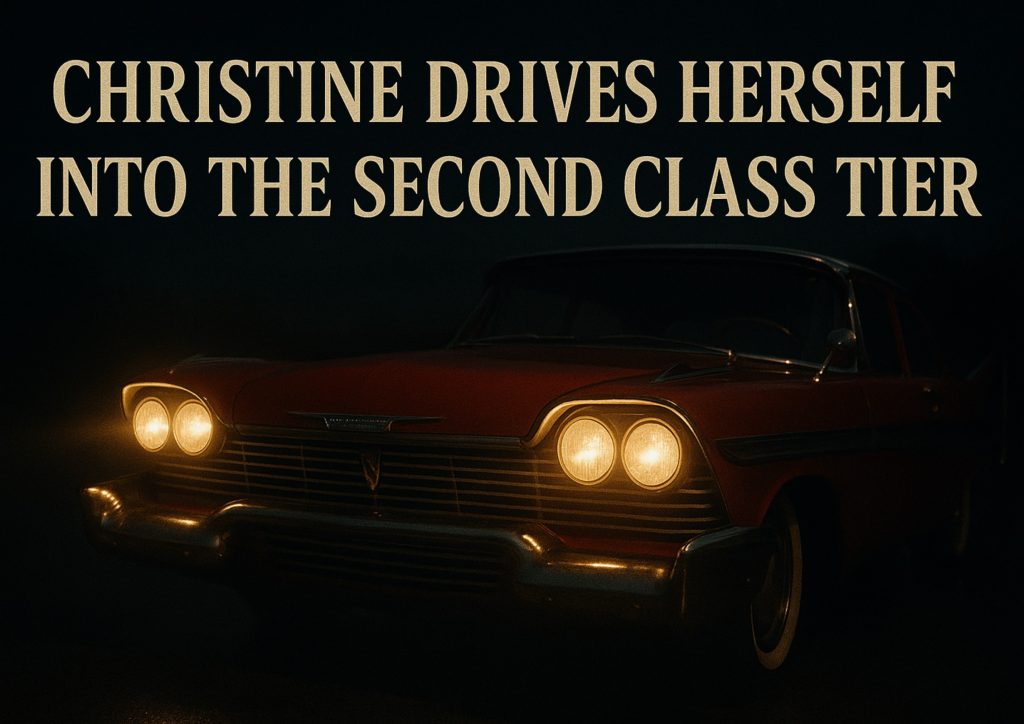
The film is a gorgeous homage to 1950s Americana, full of neon reflections and doo wop songs that contrast beautifully with the rising body count. Carpenter’s choice of music is inspired, with hits like “Bad to the Bone” and “We Belong Together” turning every murder into a darkly funny dance number. When Christine roars through the night completely ablaze, pursuing one of Arnie’s bullies down an empty road, it is as if the devil himself decided to join a drag race.
Christine is more than a killer car; she is the personification of obsession and jealousy. She wants Arnie all to herself, and anyone who stands in the way is destined for the scrap heap. There is a strange sort of romance at play too, a dark reflection of how love can consume and destroy. Arnie does not just lose himself to Christine—he becomes part of her, a tragic symbiosis of man and machine that no amount of polishing can fix.
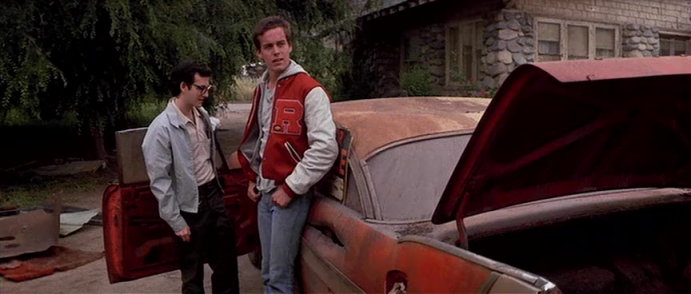
The production used over twenty Plymouth Furys during filming, some for driving, some for crashing, and a few that were rebuilt so many times they probably developed emotional trauma. Today, surviving Christines are collector’s items, lovingly maintained by fans who, one assumes, keep a crucifix and a fire extinguisher handy just in case.
Her induction into the second class of the Hall of Killers feels fitting. She is not quite as omnipotent as the Legendary tier’s heavy hitters, but she is certainly more stylish than most. Christine kills with flair, she cleans up after herself and she never forgets to turn on the radio before committing murder. That level of professionalism deserves respect.
What makes Christine endure is her timelessness. Every generation understands the terror of something familiar turning hostile, and few things are more familiar than your own car. In King’s world, technology and evil go hand in hand, and Christine is the perfect example of that blend of nostalgia and menace. She represents the dangers of obsession, consumerism and letting your car insurance lapse.
Decades later, Christine remains a fixture of horror culture. Her story has inspired songs, parodies, fan theories and at least a dozen bad jokes about road rage. She paved the way for every possessed machine that followed, from killer trucks in Maximum Overdrive to haunted sat navs in lesser films best left unmentioned.
So here’s to Christine, the ultimate symbol of speed, style and supernatural spite. She might not have a soul, but she certainly has personality. Just remember—if you hear Buddy Holly playing in an empty car park at night, walk away. Or better yet, run.