
Also Known As: The Troll, Torok, Torok The Troll
First Appearance: Troll (1986)
Most Iconic Form: A small, goblin-like sorcerer with a wrinkled green face, bulging eyes, and a twisted smile, wielding a magical ring of transformation
Kill Count: At least seven confirmed victims
Portrayed by: Phil Fondacaro
Tier: Third Class Tier
Troll (1986)
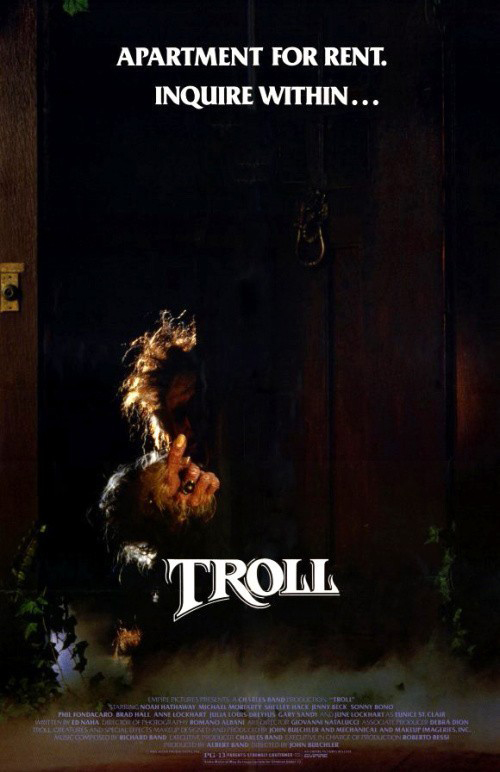
Directed by John Carl Buechler, Troll is a curious fusion of dark fantasy and horror comedy, set in a Los Angeles apartment complex that becomes the battleground between humanity and an ancient magical being.
The story begins when the Potter family — yes, the irony is unmissable — moves into a new building. Their young daughter Wendy soon begins to act strangely, and it is revealed that her body has been possessed by Torok, a troll sorcerer banished from his realm centuries earlier. Using Wendy’s body as a disguise, Torok begins a campaign to transform the building’s tenants into creatures of myth and magic.
Each victim is absorbed into his growing kingdom, their apartments overtaken by pulsating roots and glowing fungi as Torok reshapes reality. His motives are not purely evil; he seeks to restore his lost world by merging it with the human one, regardless of the cost. What begins as a series of eerie transformations soon becomes an all-out invasion, as the building itself mutates into a living portal.
Standing against him is Wendy’s brother, Harry Potter Jr., who befriends a kind-hearted witch living upstairs named Eunice St. Clair. Eunice reveals her own magical past and connection to Torok, setting up a final confrontation that mixes enchantment with terror. The climax sees Torok’s monstrous army defeated, though his fate remains ambiguous — sealed within his own spell, trapped yet undefeated.
Design and Presence
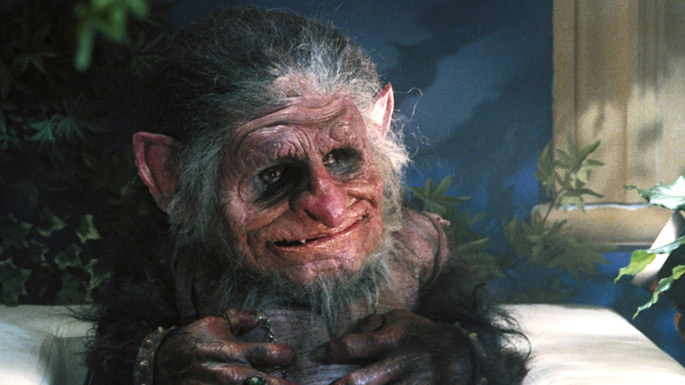
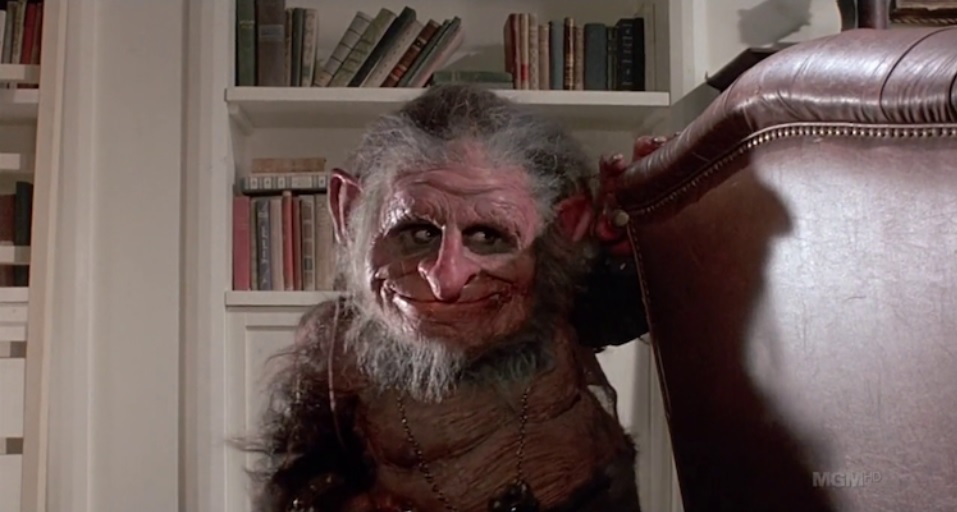
Torok’s appearance is one of Troll’s greatest achievements. Designed by director and effects artist John Carl Buechler, the creature is brought to life through animatronics, puppetry, and prosthetics. The result is both grotesque and expressive, capable of menace and mischief in equal measure.
The troll’s face is deeply textured, with rubbery skin and glassy eyes that seem to glow with malice. His small stature makes him deceptively unthreatening, but his power lies in transformation. With a touch of his magical ring, he can twist humans into mythological beasts, trap them in roots, or conjure whole ecosystems of creatures from the floorboards.
There is something almost Shakespearean about Torok’s tragic dimension — a fallen being longing to rebuild his lost world. His gestures are theatrical, his laughter both mocking and sorrowful. Unlike the silent predators of 1980s horror, Torok is chatty and eccentric, his personality giving the film a fairy tale tone beneath the horror.
Themes and Symbolism
Troll balances humour and darkness, using fantasy as a lens for transformation and decay. Torok represents the return of the old world — magic, chaos, and wild nature — into a modern setting defined by dull normality. His invasion of the apartment complex is symbolic of ancient myth forcing its way back into everyday life.
The film’s tone walks a fine line between satire and sincerity. Its suburban setting contrasts sharply with its fairy tale elements, creating a strange dissonance that mirrors the 1980s fascination with the supernatural invading domestic spaces. Torok’s desire to reshape humanity is not driven by hatred but by nostalgia — he wants to restore the world to what it was, even if that means destroying it first.
Cultural Impact
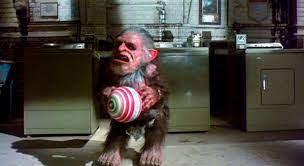
Although Troll was not a critical success upon release, it became a cult favourite through home video and television broadcasts. Its bizarre mixture of horror and family fantasy made it a staple of late-night programming throughout the late 1980s and early 1990s.
Phil Fondacaro’s dual performance as both Torok and the gentle scholar Malcolm Mallory added emotional depth, giving the film a surprising sense of tragedy. The special effects, though modest, were praised for their creativity and charm.
The film’s legacy is an odd one. It spawned a confusing sequel, Troll 2 (1990), which became infamous for its lack of connection to the original and for its unintentional absurdity. Despite that, Troll retains its own cult status as a small but distinctive entry in the pantheon of practical-effects creature cinema.
Fans have also noted that the protagonist’s name, Harry Potter Jr., predates J.K. Rowling’s wizarding world by over a decade — an amusing coincidence that has only strengthened the film’s cult identity.
League Placement
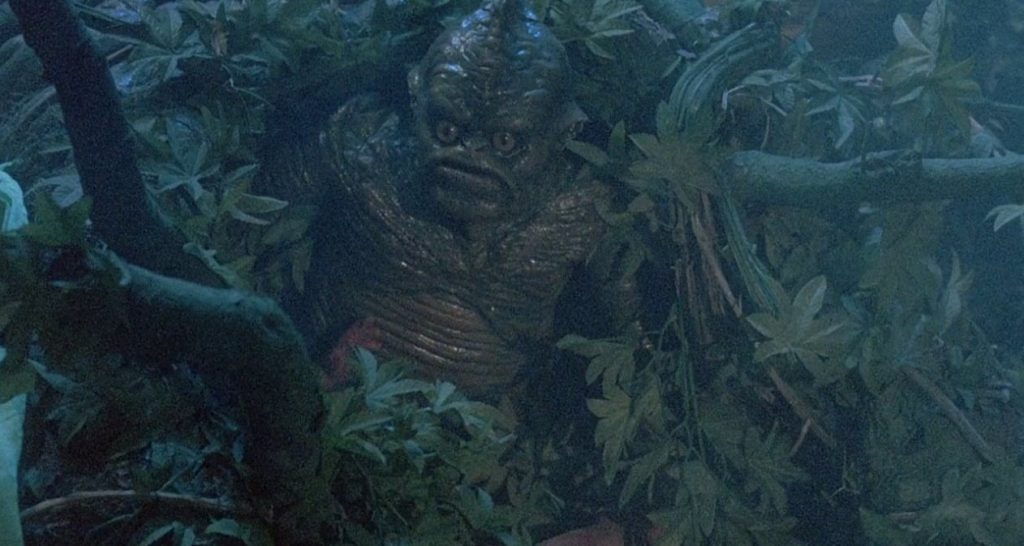
Torok the Troll belongs in the Third Class Tier. He is not a god or a legend, but a creature of smaller scale and grand ambition — part trickster, part tragic relic. In his attempt to reclaim a lost world, he becomes a bridge between fantasy and horror, reminding us that monsters are often just the past refusing to stay buried.